
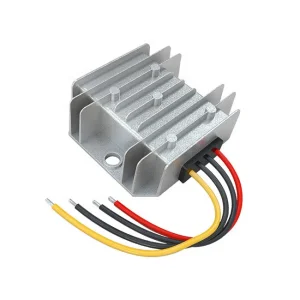
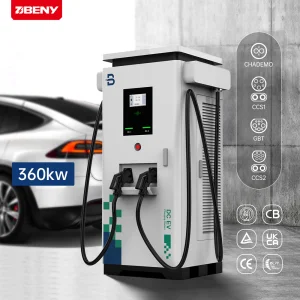
The electrification of the automotive sector is shifting from early adoption to core utility phase. In this landscape, Ultra-Fast Charging Technologies (typically encompassing structures operating between 150 kW and 480 kW+) are critical. High Power Charging (HPC) ecosystems rely on a triad of core elements: high-voltage architectures, silicon-controlled power converters, and robust thermal regulation sub-assemblies. This white paper highlights technical achievements, manufacturing processes, and the procurement networks optimized by leaders like Shenzhen DCI Autos Co., Ltd.
The integration of Silicon Carbide (SiC) and Gallium Nitride (GaN) devices allows converters to run at high frequencies with minimal switching loss, pushing efficiency toward 98%.
Migrating from 400V to 800V lowers operational currents, which helps minimize resistive heat loss and enables thinner, lighter wire harnesses.
Active cooling systems are essential to handle high heat generation, helping prevent thermal runaway in cells and maintaining safe operating temperatures in cables and charging couplers.
Procurement specialists and systems integrators face complex sourcing requirements when selecting electric vehicle sub-assemblies. In the ultra-fast charging space, component compatibility directly impacts total system performance, safety margins, and maintenance lifecycles. Key procurement considerations include:
| Component Category | Key Technical Metric | Standards Compliance | Global Application Target |
|---|---|---|---|
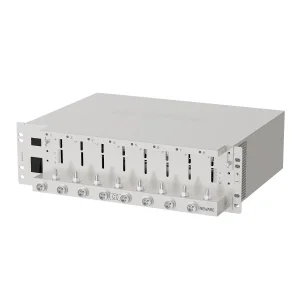
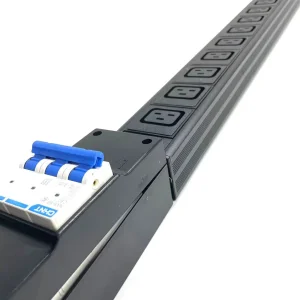
| Power Distribution Units (PDUs) | Up to 330V DC / 12-way auxiliary routing | UL 2231, IEC 60664-1 | Urban e-buses & heavy logistics trucks |
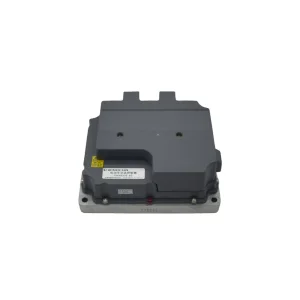
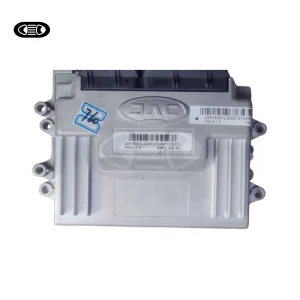
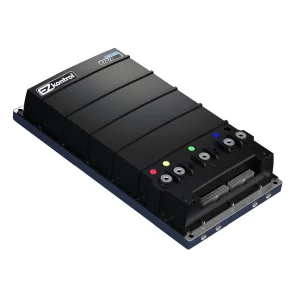
| Motor Controllers (SiC/IGBT) | 98% conversion efficiency, 1500A-2000A peak | ISO 26262 ASIL-D, IEC 60529 | Heavy duty platforms & high-performance EVs |
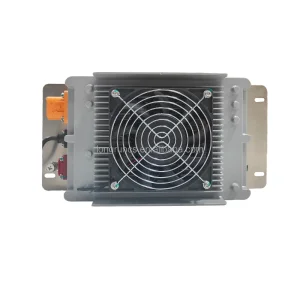
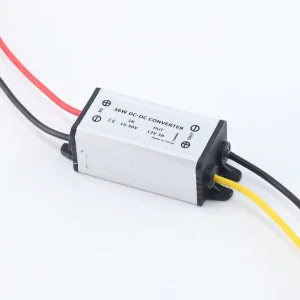
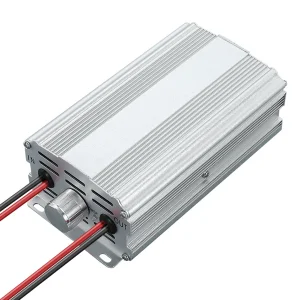
| High-Power DC-DC Converters | 3KW step-down / 24V-12V regulators | CE, FCC Part 15 Class B | Auxiliary battery systems, telematics |
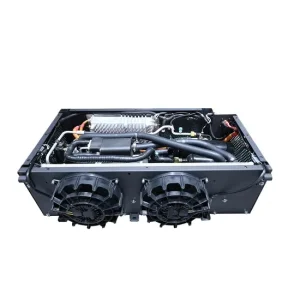
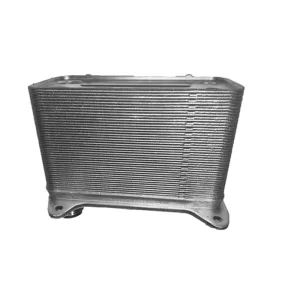
| Liquid Cooling Systems | 8-24kW heat transfer capability | DIN 70080, RoHS compliant | Thermal management for batteries during fast charge |
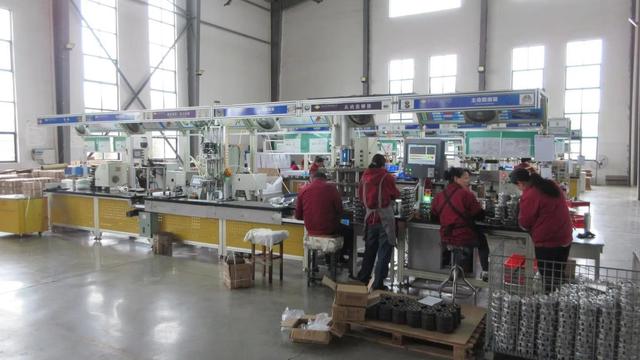
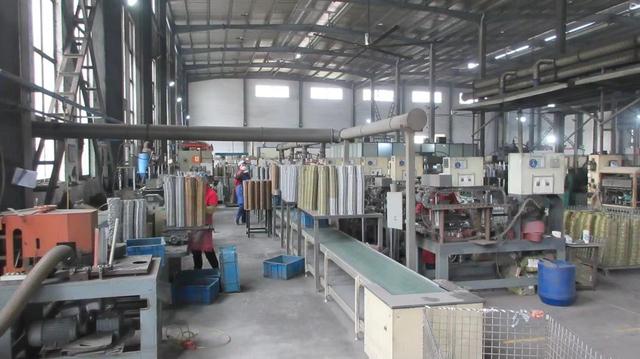
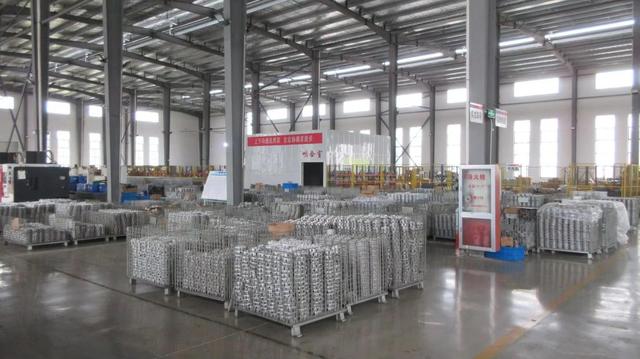
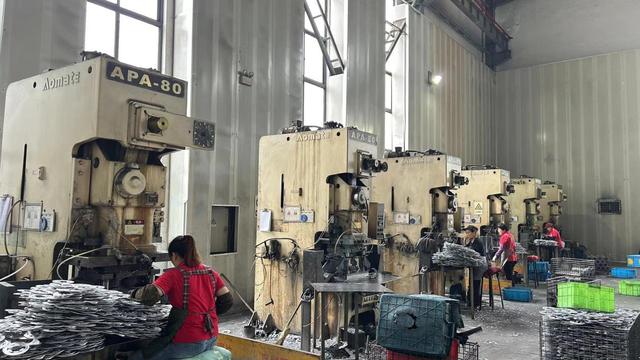
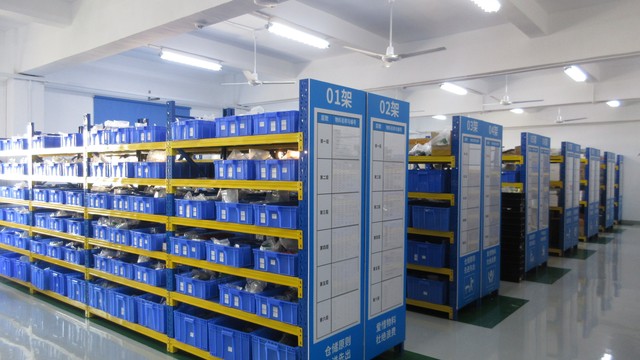
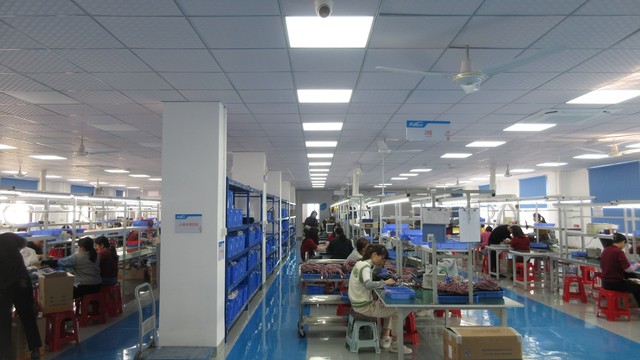
Manufacturing performance components for electric vehicles requires advanced processes, quality management systems, and a reliable supply chain. Shenzhen, the tech and hardware hub of Guangdong Province, provides a strong base for these activities. Shenzhen DCI Autos Co., Ltd. operates from this region, leveraging a modern 28,000 square meter facility equipped with automated production machinery.
By utilizing automated Surface Mount Technology (SMT) lines, high-precision metal fabrication, and advanced potting systems, DCI Autos ensures consistent quality and environmental resistance (up to IP67 protection ratings) for sensitive power electronics. DCI’s infrastructure is structured to address key challenges in global sourcing:
Dedicated engineering teams support customized configurations, rapid prototype updates, and private-label manufacturing to meet varying vehicle chassis layouts and voltage demands.
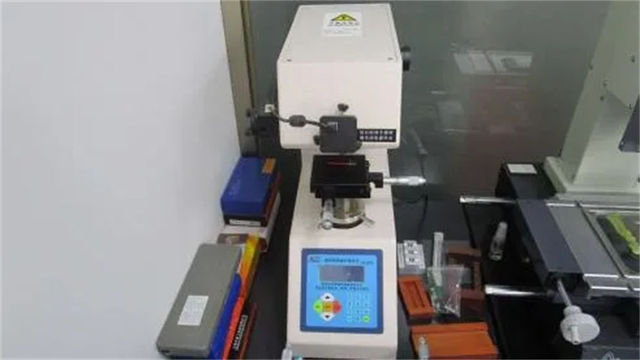
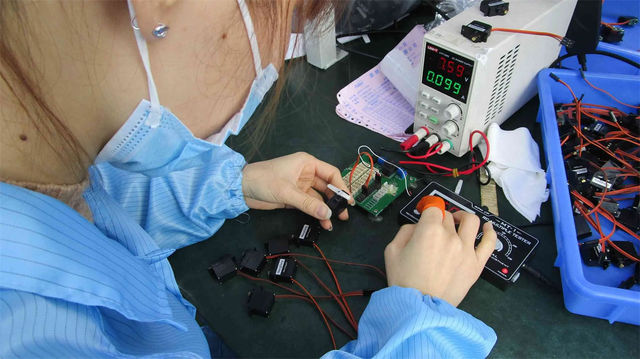
DCI’s dedicated laboratories run products through rigorous stress testing, including climate simulations, salt spray testing, and high-frequency vibration profiles to verify long-term stability.
DCI Autos serves markets in North America, Europe, Southeast Asia, the Middle East, and South America, maintaining a reliable supply chain that meets international transport regulations.
Shenzhen DCI Autos Co., Ltd. is a professional manufacturer specializing in electric vehicle components and advanced mobility technologies for the global automotive industry. Established in 2014, the company is headquartered in Shenzhen, Guangdong Province, a leading center for innovation in electric transportation and intelligent manufacturing. Operating from a modern production facility covering 28,000 square meters and supported by more than 300 employees, DCI Autos has developed comprehensive capabilities in engineering, manufacturing, testing, and international supply chain support.
The company focuses on the development and production of battery systems, power electronics, electric drivetrain components, battery management systems (BMS), charging system components, thermal management solutions, high-voltage electrical assemblies, and integrated EV powertrain technologies. Its products are designed to support passenger vehicles, commercial electric vehicles, light-duty transportation platforms, and emerging mobility applications.
DCI Autos combines advanced manufacturing technologies, automated production equipment, and rigorous quality control procedures to ensure product reliability, efficiency, and long-term operational performance. The company operates dedicated engineering laboratories and testing facilities where products undergo extensive validation, environmental testing, and performance verification throughout the development and manufacturing process.
To meet the evolving requirements of the electric mobility sector, DCI Autos provides flexible OEM and ODM services, including customized component development, private-label manufacturing, system integration support, and application-specific engineering solutions. Its research and development team continuously explores innovations in electrification, energy management, lightweight design, and intelligent vehicle systems.
Today, Shenzhen DCI Autos Co., Ltd. serves customers across North America, Europe, Southeast Asia, the Middle East, South America, and other international markets. Through continuous innovation, precision manufacturing, and customer-focused collaboration, the company remains committed to supporting the global transition toward sustainable transportation and next-generation electric mobility technologies.

The deployment of DCI Autos' technology spans diverse, challenging operational environments. Below are typical use cases demonstrating how these systems function in practice:
In Northern Europe, electric semi-trucks face rapid battery temperature drops. Utilizing the NF 8-24kw Thermal Management System, vehicles maintain optimal thermal balance in battery modules. This ensures stable power output and reliable ultra-fast charging, even in sub-zero winter environments.
Electric motorboats rely on stable power electronics. Incorporating water-resistant, integrated controllers (such as the Flipsky 72150 Outboard Electric Motor Drive) provides steady thrust. The system's robust sealing prevents moisture damage and corrosion in marine conditions.
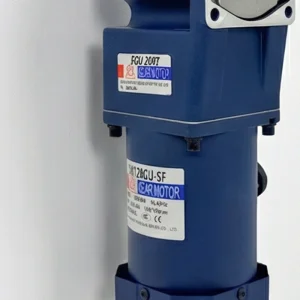
Industrial distribution centers run round-the-clock sorting lines. Utilizing durable AC geared motors with specialized right-angle gearboxes ensures continuous uptime for conveyors and automatic doors, keeping wear and maintenance needs to a minimum.
 DCI Autos