High Voltage Wiring Harnesses Suppliers & Exporters

Empowering Next-Generation Electric Mobility, Commercial Powertrains, and Grid-Scale Energy Storage Systems Globally.

Pioneering High-Voltage Electrical Infrastructure

Shenzhen DCI Autos Co., Ltd. is a highly specialized manufacturer, designer, and global exporter of high-voltage wiring harnesses, power transmission interfaces, and integrated components for electric vehicle (EV) ecosystems and advanced energy storage systems. Founded in 2014, our company is headquartered in Shenzhen, Guangdong Province—the global epicentre for high-technology development, precision engineering, and new energy manufacturing.

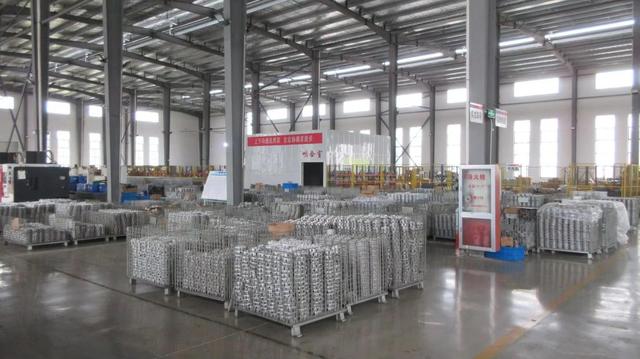
From our state-of-the-art 28,000 square meter manufacturing plant and validation complex, supported by over 300 highly skilled personnel, DCI Autos develops state-of-the-art power distribution solutions. Our integrated production matrix encompasses electrical engineering, automated processing, multi-stage testing, and robust international supply chain management, making us the partner of choice for tier-1 automotive system integrators and energy developers worldwide.

2014
Established
Over a decade of advanced e-mobility innovation
28k㎡
Production Area
Fully scale-optimized facility in Shenzhen
300+
Engineers & Operators
Cross-disciplinary teams delivering technical excellence
100%
Quality Assurance
Automated dynamic testing & traceability systems

Global Commercial & Industrial Status

The global high-voltage wiring harness market is undergoing an unprecedented technological and structural shift. Driven by the rapid transformation of the transportation sector towards battery-electric vehicles (BEVs) and the scaling of stationary energy storage systems (BESS), the requirement for reliable high-voltage (HV) interconnections has grown exponentially. As systems transition from 400V architectures to advanced 800V and 1000V+ configurations, components are subjected to extreme electrical currents and thermal stresses.

This transition introduces significant engineering challenges, notably in thermal management, electromagnetic shielding, and connector integrity. High-voltage harnesses now serve as the structural backbone of modern clean-energy machines, carrying high-amperage power from charging ports to battery packs, and from battery systems through to direct-current traction inverters and electric motors.

In response, global suppliers must move beyond basic build-to-print execution. Succeeding in the modern market requires end-to-end engineering, advanced material characterization, and strict adherence to international safety metrics such as ISO 19642, LV 216, and USCAR specifications. As a result, industry procurement managers prioritize partners who offer robust engineering validation, flexible manufacturing capabilities, and secure international logistics chains.

Global EV Harness Architecture Trends

400V Traditional System Integration Decline in Market Share
800V Architecture Implementation Rapid Growth (CAGR +35%)
Grid Energy Storage Applications (1500V) Exponential Capacity Demand

Technical Specifications & Material Engineering

Our technical approach focuses on addressing high-voltage failure modes, such as partial discharge, thermal degradation, and electromagnetic interference. Utilizing advanced materials and insulation compounds, DCI Autos designs assemblies that withstand extreme environmental stresses.

Shielding & EMC Integrity

  • High-density copper/aluminum braiding combined with metal foil wrapping.
  • Optimized 360-degree shielding termination at the connector shell.
  • Extremely low transfer impedance across high frequency bands.
  • Effective mitigation of high-frequency switching noise from SiC traction inverters.

Insulation Systems

  • Cross-linked Polyethylene (XLPE) for high-temperature stability.
  • Silicone rubber insulation offering superior flexibility and routing ease.
  • Chlorinated Polyvinyl Chloride (CPVC) protection wraps for high chemical resistance.
  • Flame retardancy conforming to strict UL 94 V-0 standards.

Robust Connections

  • High-current contacts supporting continuous currents from 70A to 400A+.
  • Robust terminal crimping with advanced quality monitoring.
  • IP67, IP68, and IP69K sealing systems.
  • High-reliability physical locking mechanisms with CPA features.

Technical Roadmap & Development Trend Analysis

Automotive and grid engineering architectures are evolving rapidly. At DCI Autos, our R&D roadmap is aligned with three key industrial trends:

Development Vector Core Technical Focus Engineering Resolution System Impact
Voltage Increase (400V to 800V+) Preventing dielectric breakdown & partial discharge Advanced silicone and XLPE insulation materials with increased wall thicknesses Enables ultra-fast charging capabilities and reduces weight
Weight Reduction Replacing heavy copper conductors Transitioning to copper-clad aluminum and optimized aluminum alloys Reduces overall harness weight by up to 40%
Automated Assembly Achieving consistent processing on thick, shielded cables Automated laser stripping, ultrasonic welding, and crimping control Improves production repeatability and reduces defect rates
Smart Thermal Monitoring Preventing localized thermal damage during fast charging Integrating fiber-optic sensors or micro-thermistors inside connectors Real-time temperature feedback to the Battery Management System (BMS)

Localized Application Scenarios & Macro Solutions

High-voltage wiring systems operate in diverse and demanding physical environments. Shenzhen DCI Autos customizes its design and manufacturing strategies to meet specific environmental and performance requirements:

Passenger Electric Mobility (BEV/PHEV)

Designed for compact spatial layouts and strict weight budgets in consumer vehicles. Requires high flexibility, tight bend radii, and resistance to under-hood heat.

  • Silicone rubber insulation profiles for tight routing paths.
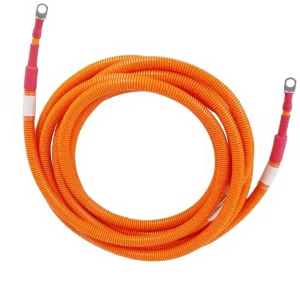
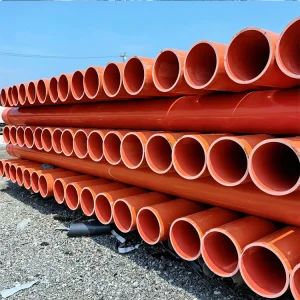
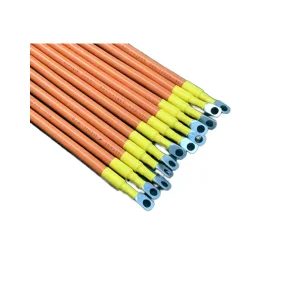
  • Integrated orange plastic conduit or textile sleeving for physical protection and clear hazard identification.
  • Advanced shield termination to prevent EMC issues in infotainment systems.

Commercial Freight & Off-Road Machinery

Built for heavy-duty commercial operations, agricultural vehicles, and municipal transport, where high vibration, mechanical shock, and dust are common.

  • Heavy-duty corrugated CPVC and PA conduits for environmental protection.
  • Vibration-resistant terminal interfaces certified to international automotive standards.
  • IP69K washdown-rated connector assemblies.

Utility-Scale Battery Energy Storage (BESS)

Optimized for stationary grid-scale storage, battery racks, and DC power distribution. Emphasizes long-term safety, flame retardancy, and ease of maintenance.

  • Flame-retardant halogen-free compound insulation.
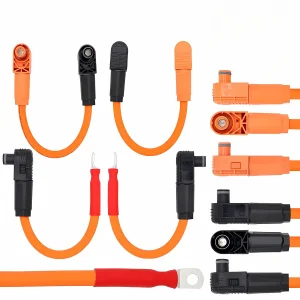
  • High-current busbar interfaces designed for simple slide-in rack connection.
  • High dielectric strength ratings tailored for up to 1500V DC continuous operation.

Full-Scope OEM & ODM Engineering Services

Recognizing that standard components do not fit every advanced application, DCI Autos offers comprehensive design-in support, rapid prototyping, and private-label contract manufacturing. Our dedicated R&D department works closely with your engineering teams to develop custom solutions that meet specific packaging, routing, electrical, and commercial goals.

From initial concept modeling using advanced 3D CAD design tools to high-current and thermal simulation, environmental validation, and automated production scaling, we ensure your high-voltage harness meets all regulatory requirements.

3D CAD
Co-Design Integration
Collaborative design support for space-constrained packaging
100%
Traceability
Digital logging of crimping force, torque, and testing values
Class-A
Validation Testing
Thermal cycling, dust/water ingress, and salt-spray testing

Frequently Asked Questions: Technical Sourcing Guide

Find authoritative answers to common engineering questions regarding the specification, selection, and manufacturing of high-voltage wiring systems.
Q1: What are the primary insulation differences between Silicone, XLPE, and CPVC?
Silicone rubber offers excellent flexibility and a wide operating temperature range (-50°C to +200°C), making it ideal for tight routing spaces. XLPE (Cross-linked Polyethylene) provides higher mechanical, cut-through, and abrasion resistance, making it suitable for exposed routes, though it is stiffer. CPVC is typically used as a protective outer conduit or routing tube, providing high flame retardancy and resistance to chemical degradation.
Q2: How does DCI Autos mitigate EMI issues in high-power wiring harnesses?
We use double-shielded cables containing both aluminum foil and high-coverage tinned copper braids (typically >85% coverage). Additionally, we implement 360-degree shielding termination at the connector adapter interface to maintain low-impedance grounding paths. This minimizes electromagnetic emissions and protects sensitive low-voltage signals from power switching frequencies.
Q3: What automotive and safety standards do your components conform to?
Our high-voltage harnesses are engineered and tested in accordance with major international standards, including ISO 19642 (road vehicle cables), LV 216 (high-voltage shielded cables), USCAR-2 and USCAR-37 (connector performance and validation), and UL 94 V-0 for flame retardancy.
Q4: Can aluminum conductors be used instead of copper to reduce weight?
Yes, aluminum conductors are an effective option for weight-critical applications. However, using aluminum requires specialized termination techniques, such as ultrasonic welding or friction crimping, to prevent galvanic corrosion and oxidation. We work with clients to evaluate the trade-offs in cross-sectional area, bend radius, and termination methods.
Q5: What quality control processes are implemented during production?
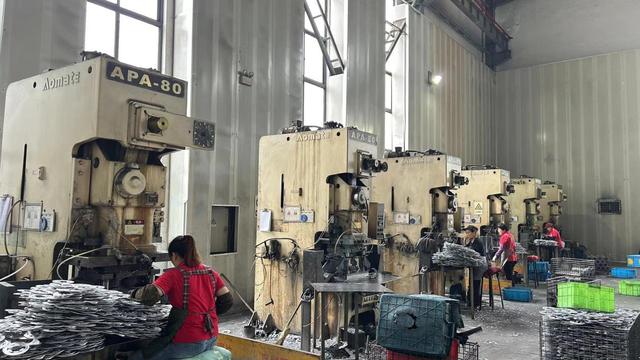
Our production quality system includes automated crimp force monitoring (CFM) on all presses, 100% computerized circuit testing (open/short, high-pot, and insulation resistance), 3D optical inspection for dimensions, and Helium leak testing for sealed IP67/IP69K connectors.
Q6: How does charging architecture affect cable specification?
The transition from 400V to 800V charging architectures reduces the current required to deliver the same power, allowing for smaller conductor cross-sections and lighter harnesses. However, 800V architectures require insulation materials with higher dielectric strength and tracking resistance (CTI) to prevent electrical breakdown over the vehicle's operating life.

Shenzhen DCI Autos Factory Facility & Advanced Laboratories

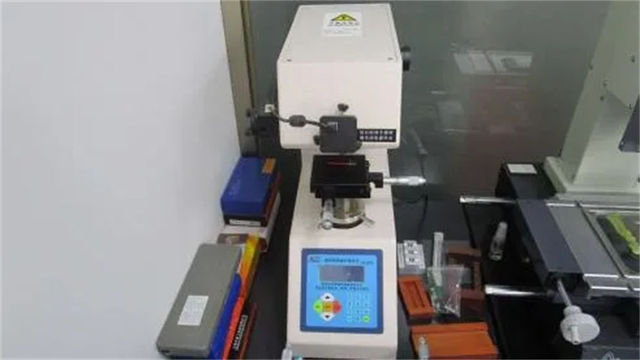
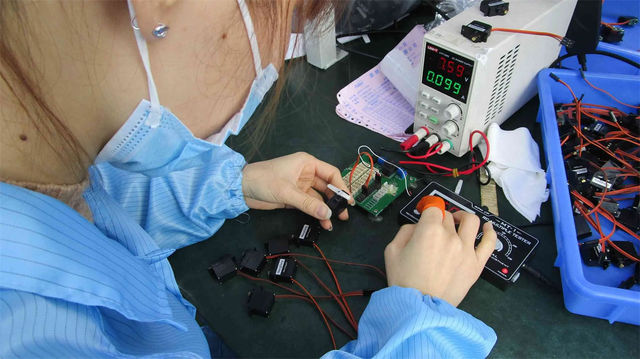
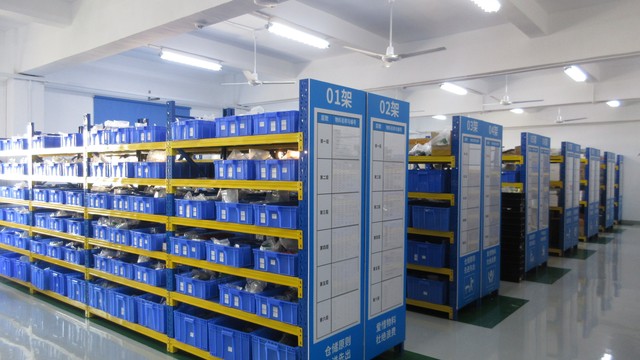
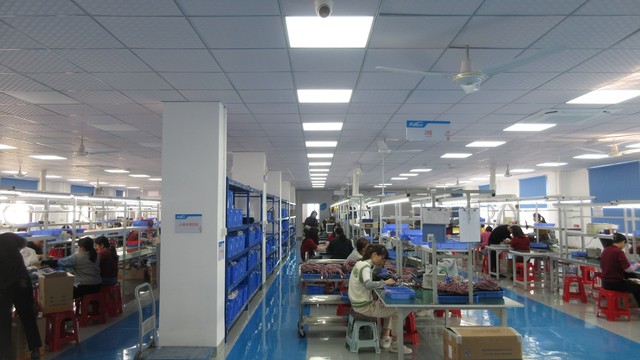
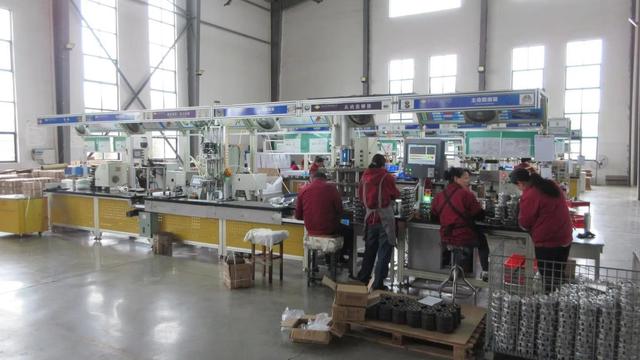
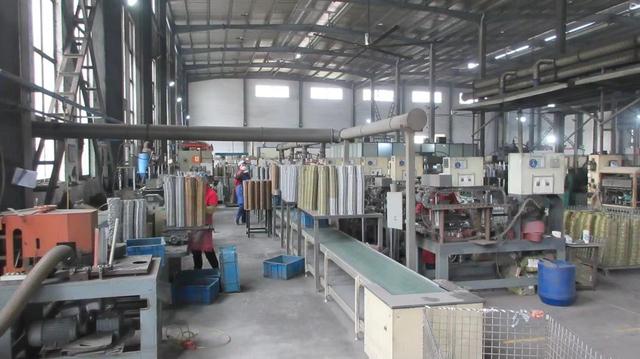
Our 28,000 square meter ISO 9001, IATF 16949, and ISO 14001 certified manufacturing plant in Shenzhen integrates automated high-voltage cable processing lines, ultrasonic terminal welding equipment, and custom validation laboratories. Check out our facilities below:
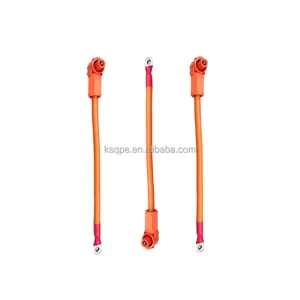
All High Voltage Wiring Harnesses Products