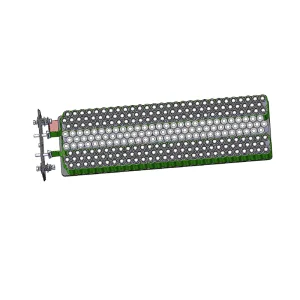
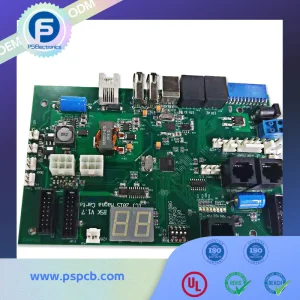
As the global automotive industry aggressively pivots toward electrification, the "Battery System" has evolved from a simple energy storage unit into a highly complex, intelligent powerhouse. International procurement directors and automotive engineers now view EV Battery Systems Factories & Exporters not just as suppliers, but as strategic technology partners. The modern battery assembly incorporates advanced chemistry (LFP, NCM), sophisticated Thermal Management Systems (TMS), and AI-driven Battery Management Systems (BMS) that dictate the vehicle's range, safety, and longevity.
China, particularly the Shenzhen-Guangdong innovation corridor, has established an unparalleled lead in the EV battery ecosystem. This efficiency is driven by vertical integration—the ability to source raw materials, manufacture cells, develop BMS hardware, and assemble thermal plates within a 100-mile radius. For global exporters like Shenzhen DCI Autos Co., Ltd., this translates to shorter lead times, rigorous quality control at every stage of the "Value Chain," and the ability to offer customized OEM/ODM services that Western competitors struggle to match in cost-to-performance ratio.
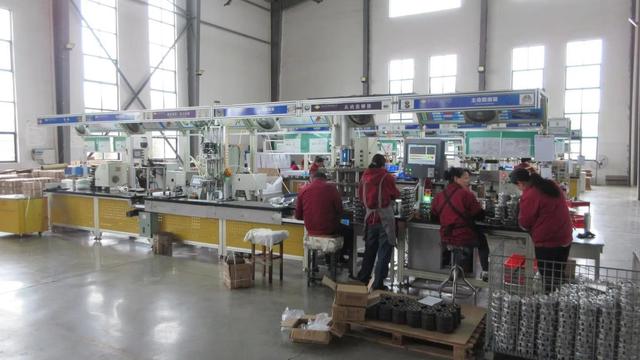
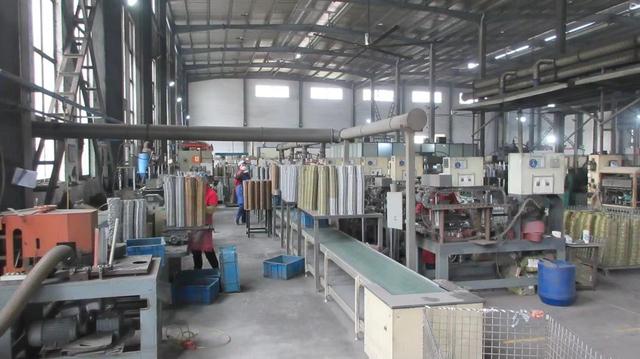
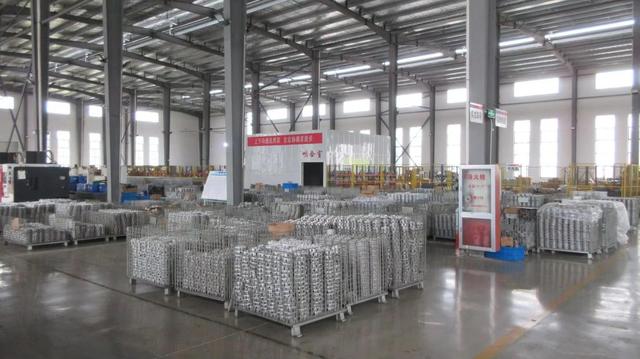
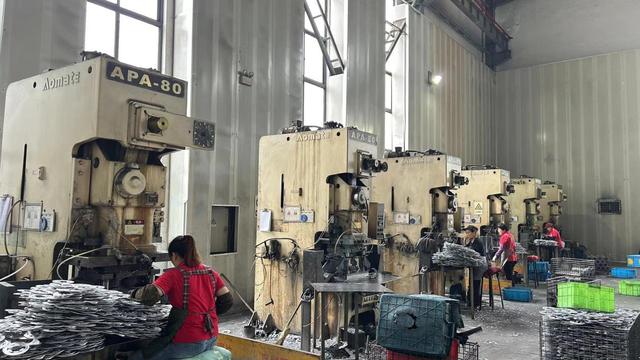
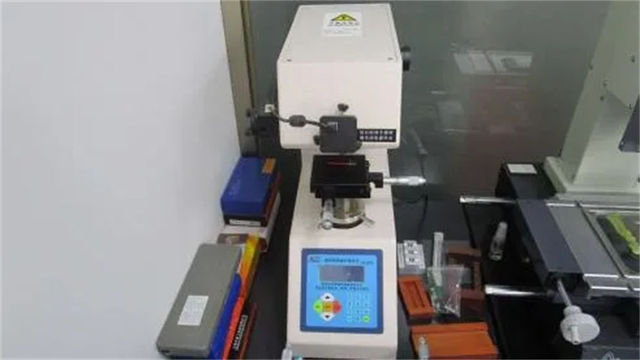
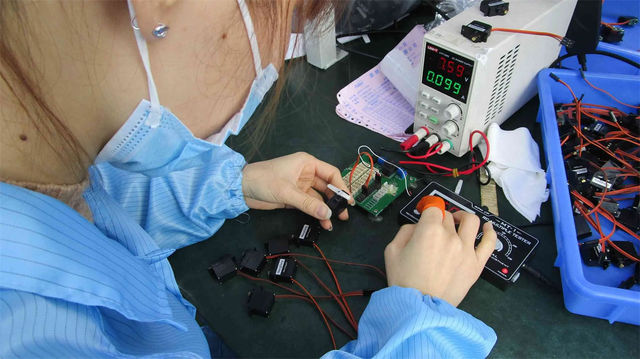
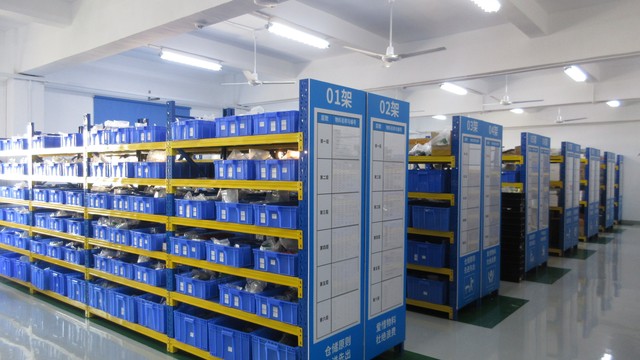
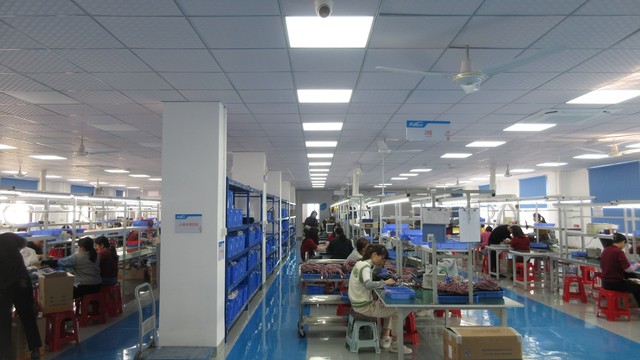
Shenzhen DCI Autos Co., Ltd. is a professional manufacturer specializing in electric vehicle components and advanced mobility technologies for the global automotive industry. Established in 2014, the company is headquartered in Shenzhen, a leading center for innovation in electric transportation. Operating from a modern production facility covering 28,000 square meters and supported by more than 300 employees, DCI Autos has developed comprehensive capabilities in engineering, manufacturing, and international supply chain support.
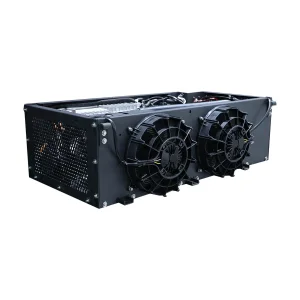
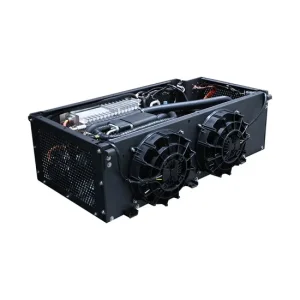
A true "Information Gain" for purchasers lies in understanding that a battery system's reliability depends on its Thermal Management and Power Electronics. DCI Autos focuses on:
Light-duty commercial EVs require high-cycle LFP (Lithium Iron Phosphate) systems that can withstand multiple daily fast-charge cycles. DCI’s 30kWh-50kWh integrated systems are optimized for this high-utilization environment.
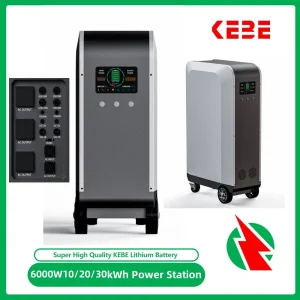
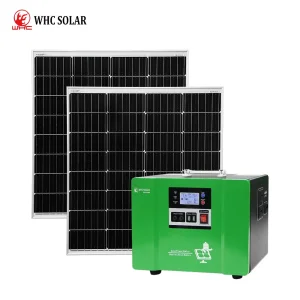
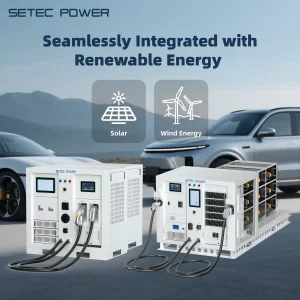
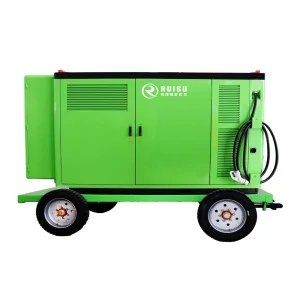
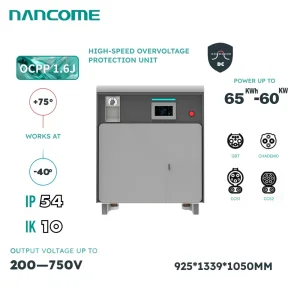
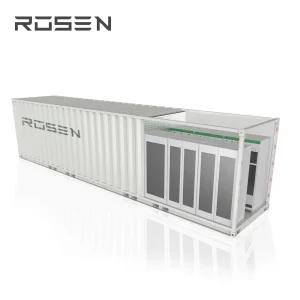
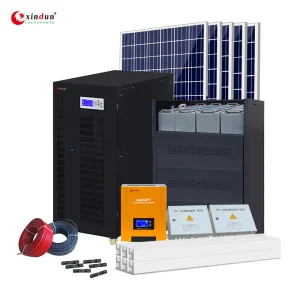
The synergy between solar power and EV charging is critical. Our 1MWh mobile storage systems allow remote mining sites and construction projects to deploy "Electric Vehicle Stations" where grid infrastructure is non-existent.
OEMs in emerging markets utilize our custom battery trays and cooling modules to convert existing ICE (Internal Combustion Engine) platforms into viable EV models with minimal R&D overhead.
As a leading EV battery exporter, we anticipate three major shifts:
Our research and development team continuously explores innovations in electrification, energy management, and lightweight design. Today, we serve customers across North America, Europe, Southeast Asia, and the Middle East.

 DCI Autos