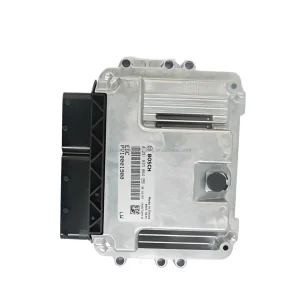
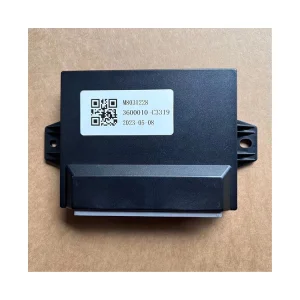
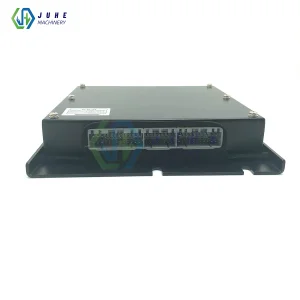
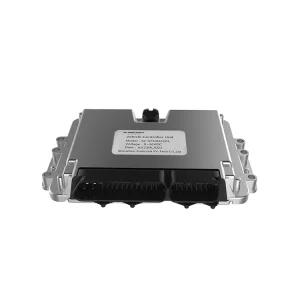
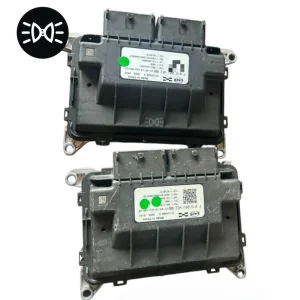
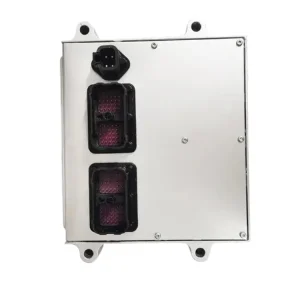
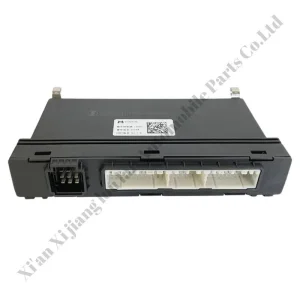
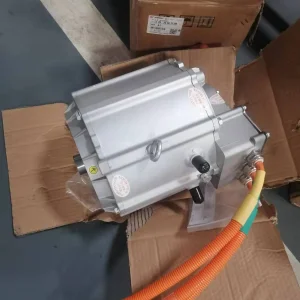
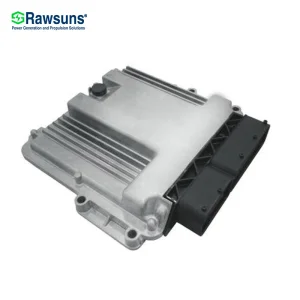
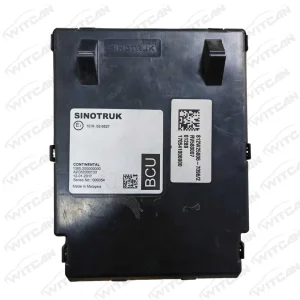
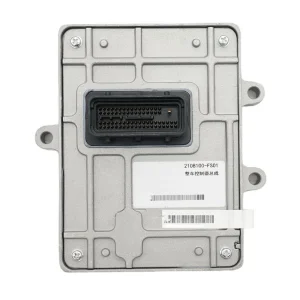
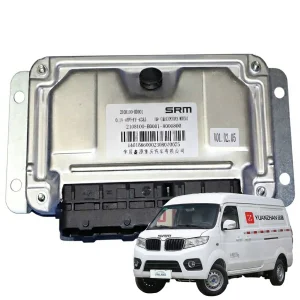
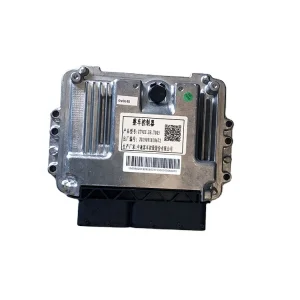
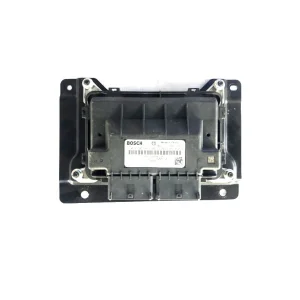
As the automotive industry transitions from internal combustion engines (ICE) to software-defined vehicles (SDV), the Vehicle Control Unit (VCU) has emerged as the most critical node in the electronic architecture. Often referred to as the "Master Controller," the VCU is responsible for the overall coordination of power management, energy recovery, thermal regulation, and safety protocols.
For global Tier-1 suppliers and EV OEMs, sourcing a VCU is no longer just a hardware procurement task; it is a strategic decision involving Cybersecurity, Functional Safety (ISO 26262), and Scalability. A high-performance VCU factory must integrate advanced Model-Based Design (MBD) processes with robust manufacturing to ensure that the "intelligence" of the vehicle remains reliable under extreme environmental conditions.
Moving away from distributed ECUs, the future VCU will act as a Domain Controller. By integrating body control, powertrain management, and infotainment gateways into a single high-computing platform, manufacturers can reduce harness weight by 30% and significantly lower BOM costs.
Modern VCU exporters now offer Over-the-Air (OTA) compatibility. This allows fleet operators and OEMs to push firmware updates remotely, optimizing torque curves or battery discharge algorithms without physical recalls—essential for maintaining high residual value.
The next generation of VCUs will utilize Machine Learning to predict driving patterns. By analyzing terrain and driver habits, the VCU can preemptively adjust thermal management and energy recovery, extending range by up to 10%.
From urban transit to heavy-duty logistics, our VCU solutions are engineered for diverse operational demands.
Designed for platforms like Shacman and Sinotruk, these VCUs manage dual-motor configurations and multi-speed transmissions, ensuring optimal torque for heavy payloads.
Focusing on high-precision CAN communication and passenger safety, these controllers integrate seamlessly with city-bus fleet management software.
Flexible 12V/24V/72V systems that allow for the electrification of legacy ICE vehicles, supporting a circular economy in transportation.
Supporting high-speed passenger EVs (like AIWAYS and DFSK) with precision control for ADAS and advanced infotainment integration.
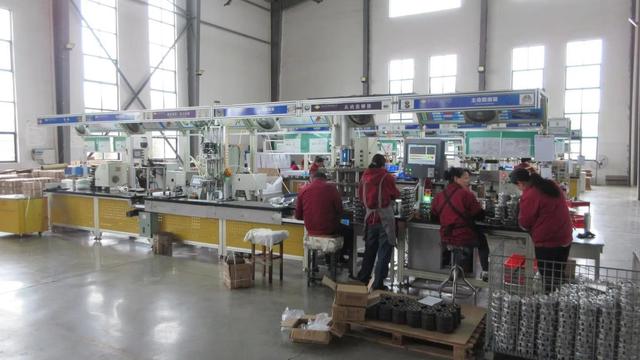
Shenzhen DCI Autos Co., Ltd. represents the pinnacle of Chinese automotive manufacturing excellence. Established in 2014 and located in the global tech hub of Shenzhen, we operate a 28,000 square meter state-of-the-art facility.
Our "Factory 4.0" approach leverages automated SMT lines, robotic assembly, and real-time MES (Manufacturing Execution Systems) to ensure every VCU exported meets the highest global standards. With over 300 employees and a dedicated R&D team, we provide the supply chain stability needed in today’s volatile market.
Our VCUs are designed to meet ASIL-C and ASIL-D safety requirements, preventing catastrophic failures through redundant hardware and fault-tolerant software architectures.
Fully compliant with ECE R10 standards, ensuring our controllers operate without interference in the dense electronic environment of modern electric vehicles.
With the rise of connected cars, our VCUs include Secure Boot and Hardware Security Modules (HSM) to protect against unauthorized access and remote hacking.
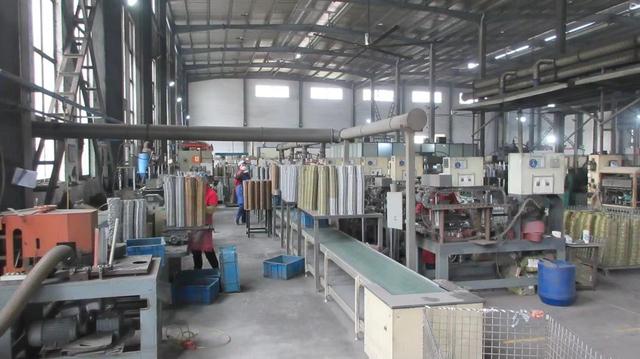
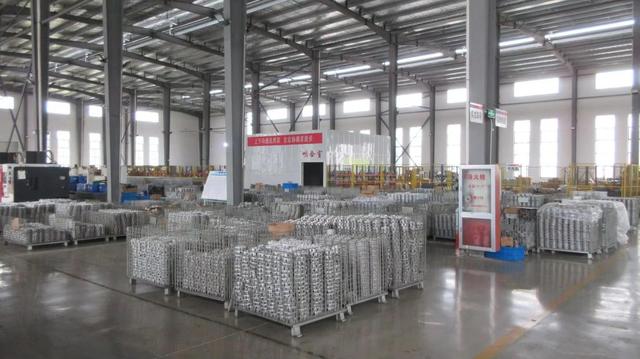
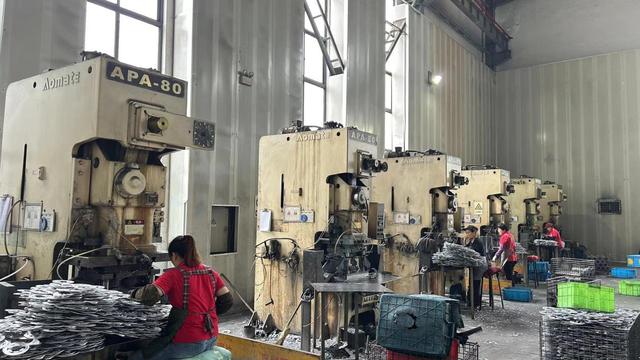
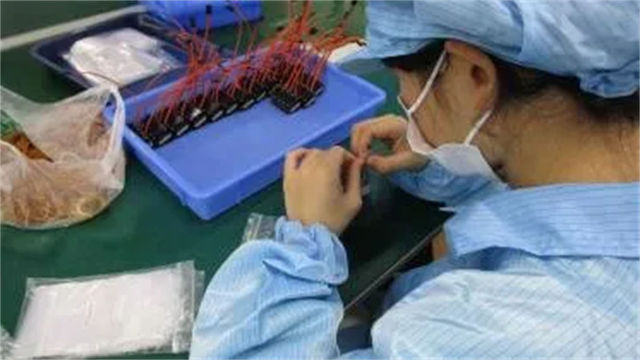
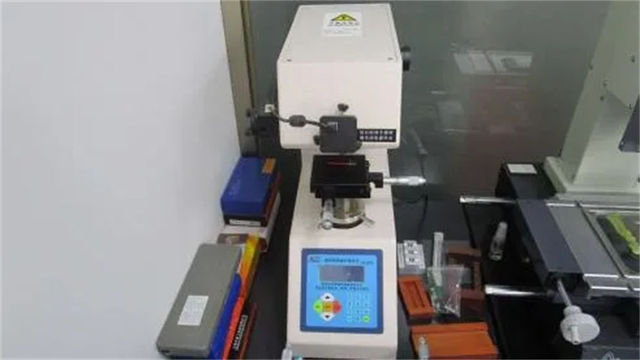
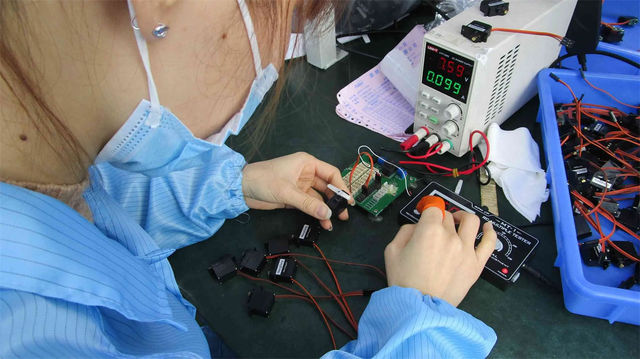
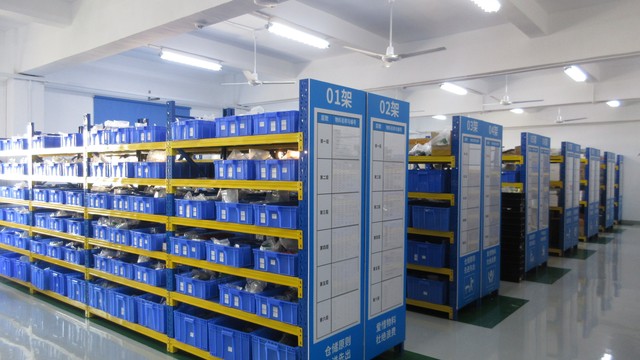
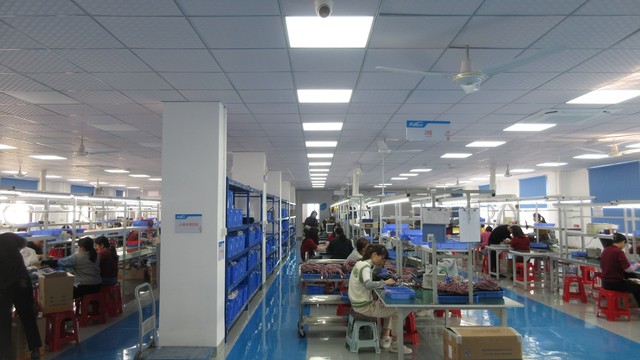
Today, Shenzhen DCI Autos Co., Ltd. serves customers across North America, Europe, Southeast Asia, the Middle East, South America, and other international markets. Through continuous innovation, precision manufacturing, and customer-focused collaboration, the company remains committed to supporting the global transition toward sustainable transportation and next-generation electric mobility technologies.
 DCI Autos