Advanced Lightweight Components for Automotive, UAV, and Industrial Systems
In the contemporary landscape of global industrial manufacturing, the demand for lightweight chassis components has transcended from a luxury niche to a critical engineering requirement. Driven by stringent emissions regulations, the rapid expansion of the Electric Vehicle (EV) market, and the pursuit of extreme efficiency in aerospace and unmanned systems, manufacturers are reinventing the fundamental architecture of structural frames.
The global chassis market is undergoing a transition from traditional heavy-duty steel to multi-material hybridization. Today, 7075-T6 Aluminum alloys, Titanium, and 3K Carbon Fiber are the cornerstones of high-performance components. These materials offer an unparalleled strength-to-weight ratio, enabling a reduction in unsprung mass which directly correlates to improved handling, energy efficiency, and payload capacity.
Emphasis on subframes and suspension arms to extend EV range. Reduction of 10% in vehicle weight can lead to a 6-8% improvement in fuel economy.
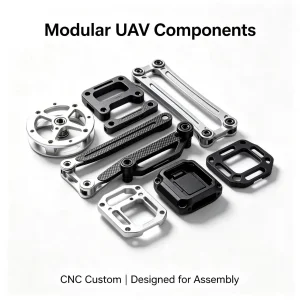
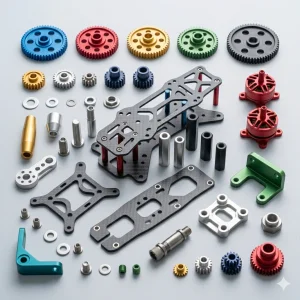
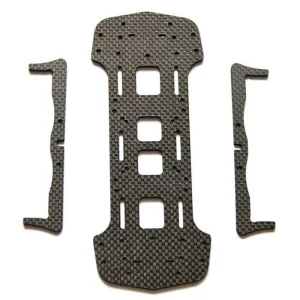
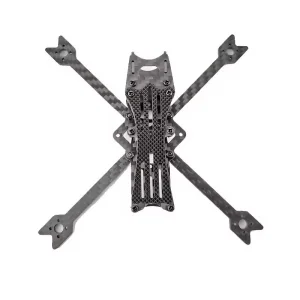
Precision 5-axis CNC machined parts for drone frames and motor bases where every gram saved translates to additional minutes of flight time.
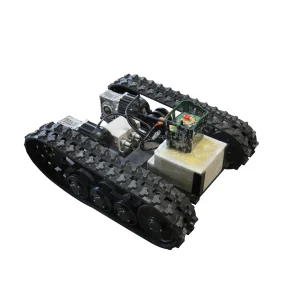
Transitioning to high-toughness galvanized steel and rubber-tracked chassis systems for heavy machinery to protect delicate surfaces while maintaining durability.
As a global leader in the production of lightweight chassis components, China-based factories like Shenzhen DCI Autos Co., Ltd. leverage a unique ecosystem of vertical integration. The efficiency advantage is not merely in cost, but in the speed of the "Concept-to-Prototype" cycle.
Shenzhen DCI Autos Co., Ltd. is a professional manufacturer specializing in electric vehicle components and advanced mobility technologies for the global automotive industry. Established in 2014, the company is headquartered in Shenzhen, Guangdong Province, a leading center for innovation in electric transportation and intelligent manufacturing.
The company focuses on the development and production of battery systems, power electronics, electric drivetrain components, battery management systems (BMS), charging system components, thermal management solutions, high-voltage electrical assemblies, and integrated EV powertrain technologies. Its products are designed to support passenger vehicles, commercial electric vehicles, light-duty transportation platforms, and emerging mobility applications.
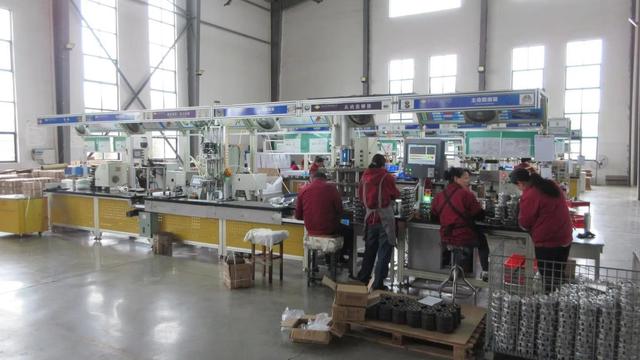
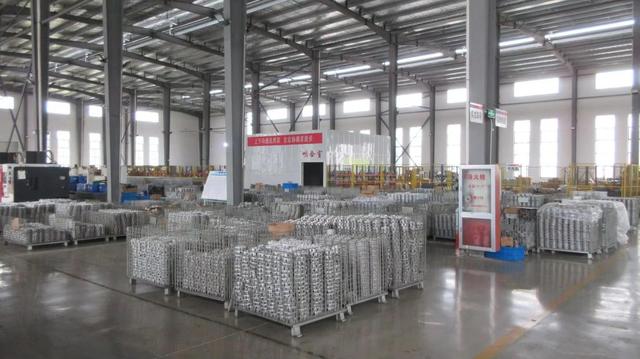
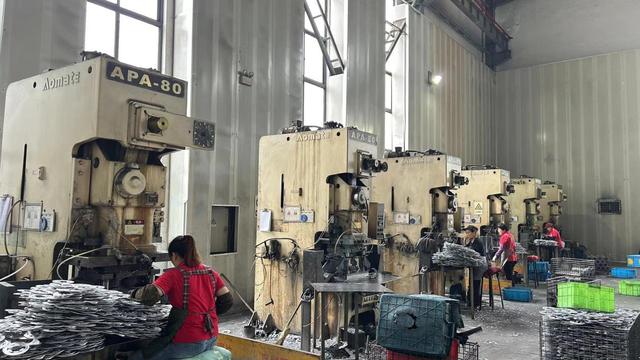
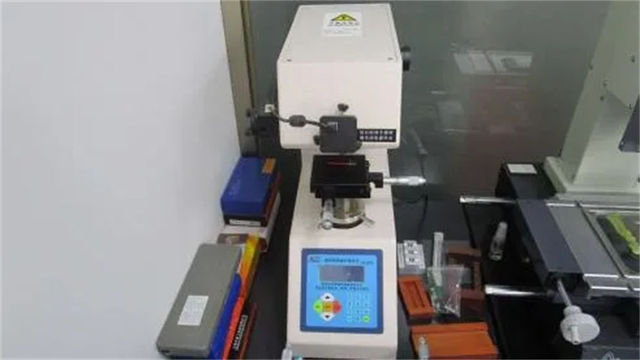
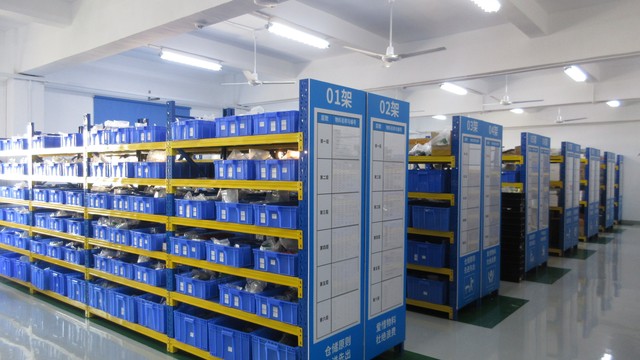
DCI Autos combines advanced manufacturing technologies, automated production equipment, and rigorous quality control procedures to ensure product reliability, efficiency, and long-term operational performance. The company operates dedicated engineering laboratories and testing facilities where products undergo extensive validation, environmental testing, and performance verification throughout the development and manufacturing process.


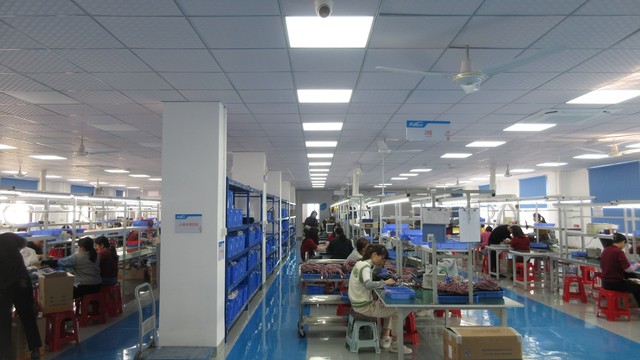
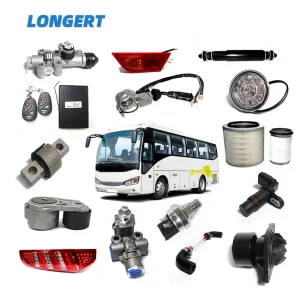
The application of chassis components varies significantly by region. In North America, the focus is on heavy-duty EV truck frames and high-toughness steel coils that can withstand diverse weather conditions. Conversely, in Southeast Asia, the demand is surging for lightweight bus components for King Long and Higer coaches to optimize urban transport efficiency.
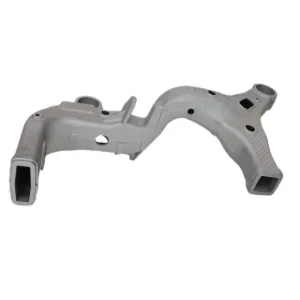
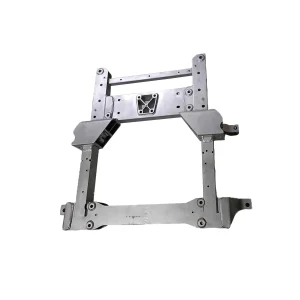
Moving away from hundreds of small stampings to single, large-scale die-cast aluminum subframes. This reduces weight and assembly complexity.
Integrating sensors directly into carbon fiber or aluminum chassis parts to provide real-time structural health monitoring (SHM).
The shift towards "Green Aluminum" produced via renewable energy and highly recyclable thermoplastic carbon fiber composites.
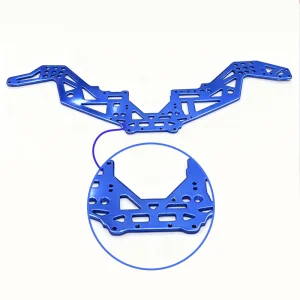
7075 Aluminum alloy offers a superior strength-to-weight ratio compared to 6061, making it ideal for high-stress components in FPV racing and industrial UAVs. It provides the stiffness required for precise flight maneuvers while keeping the overall takeoff weight to a minimum.
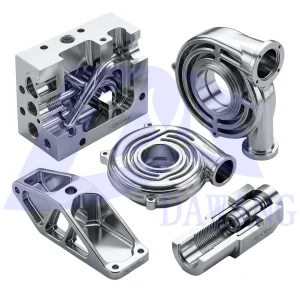
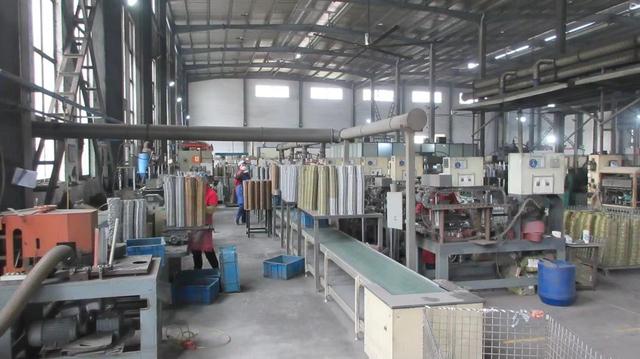
We utilize multi-axis CNC machining centers and rigorous QC protocols, including CMM (Coordinate Measuring Machine) inspections, environmental testing, and material certification to ensure every chassis component meets international automotive and aerospace standards.
Yes, for specific applications such as roof structures, floor panels, and decorative high-strength inserts. Carbon fiber provides significant weight savings (up to 50% vs steel) while offering excellent high-temperature resistance and impact energy absorption.
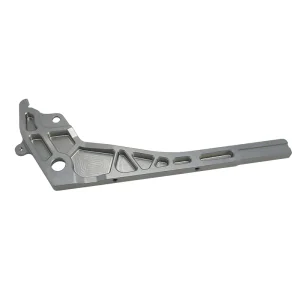
ZT01 beams are specifically engineered for subframes. They provide the necessary structural rigidity to support heavy battery packs while maintaining a lightweight profile (approx. 10kg), contributing to the overall vehicle balance and center of gravity optimization.
Explore our full range of lightweight industrial and automotive solutions
For international procurement officers, sourcing from Lightweight Chassis Components Manufacturers requires a multi-faceted evaluation of technical capability and ESG compliance. Shenzhen DCI Autos addresses these needs through:
To meet the evolving requirements of the electric mobility sector, DCI Autos provides flexible OEM and ODM services, including customized component development, private-label manufacturing, system integration support, and application-specific engineering solutions. Its research and development team continuously explores innovations in electrification, energy management, lightweight design, and intelligent vehicle systems. Through continuous innovation and customer-focused collaboration, the company remains committed to supporting the global transition toward sustainable transportation.
 DCI Autos