Explore our premium grade component lineup optimized for industrial lifting, high-speed passenger transit, and alternative energy automotive applications.
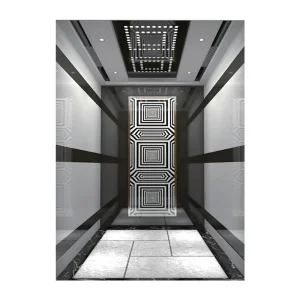

Delivering high-integrity engineering, validation testing, and custom manufacturing setups to accelerate the net-zero mobility and logistics transition.
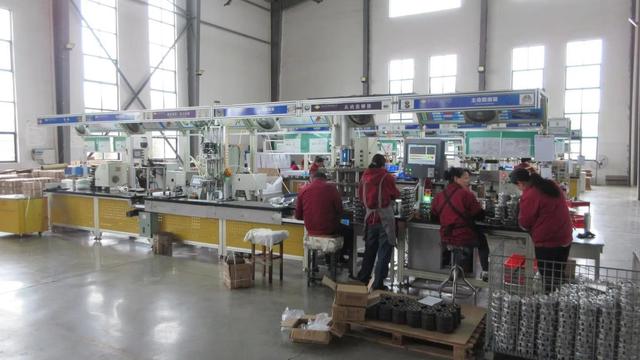
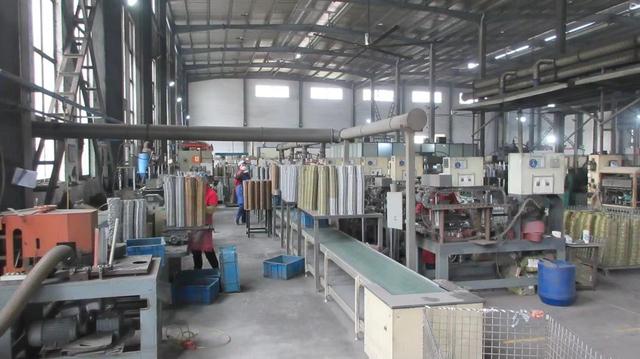
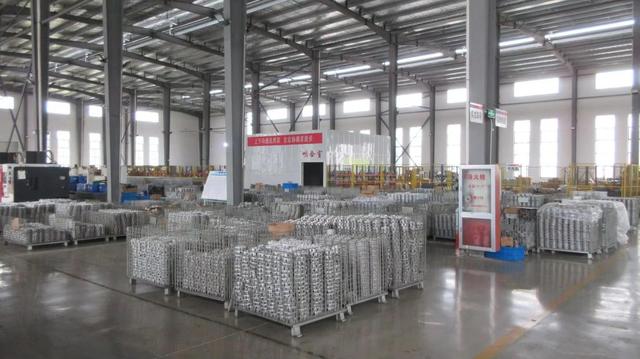
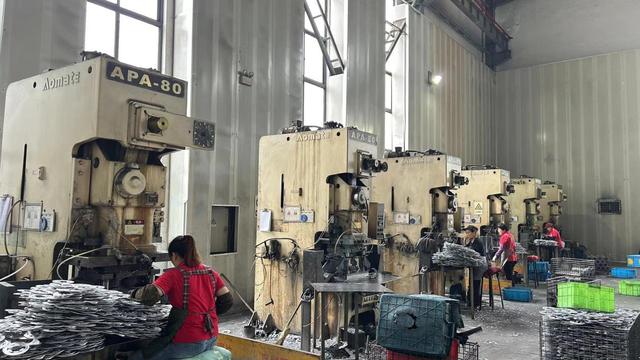
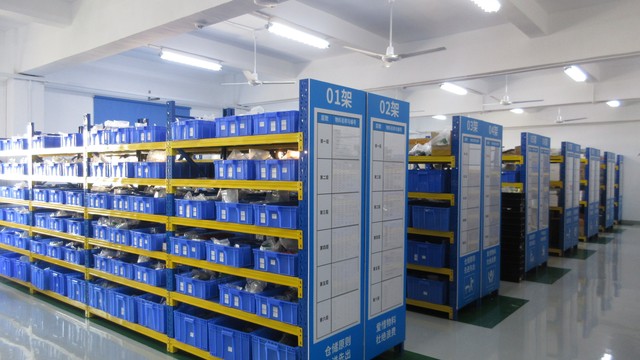
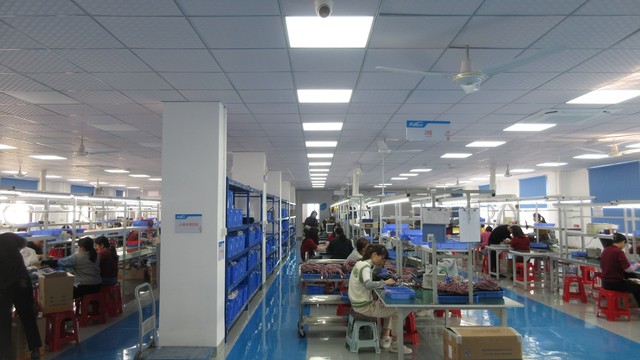
Shenzhen DCI Autos Co., Ltd. is a professional manufacturer specializing in electric vehicle components and advanced mobility technologies for the global automotive industry. Established in 2014, the company is headquartered in Shenzhen, Guangdong Province, a leading center for innovation in electric transportation and intelligent manufacturing. Operating from a modern production facility covering 28,000 square meters and supported by more than 300 employees, DCI Autos has developed comprehensive capabilities in engineering, manufacturing, testing, and international supply chain support.
The company focuses on the development and production of battery systems, power electronics, electric drivetrain components, battery management systems (BMS), charging system components, thermal management solutions, high-voltage electrical assemblies, and integrated EV powertrain technologies. Its products are designed to support passenger vehicles, commercial electric vehicles, light-duty transportation platforms, and emerging mobility applications.
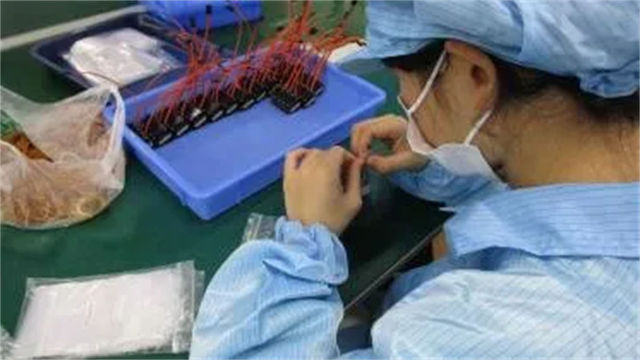
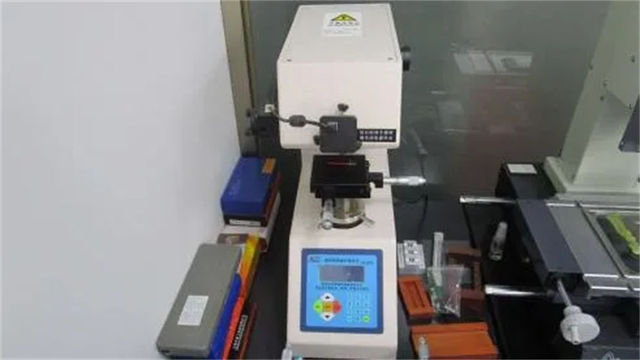
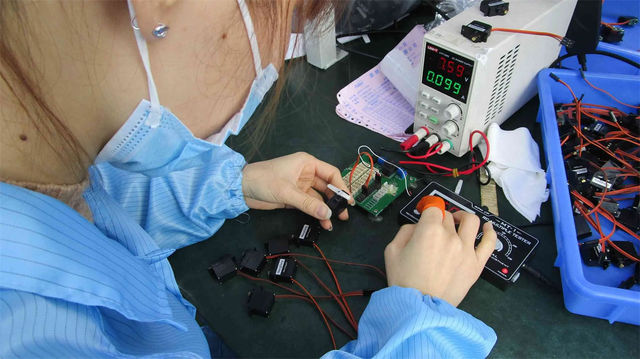
"DCI Autos combines advanced manufacturing technologies, automated production equipment, and rigorous quality control procedures to ensure product reliability, efficiency, and long-term operational performance. The company operates dedicated engineering laboratories and testing facilities where products undergo extensive validation, environmental testing, and performance verification throughout the development and manufacturing process."
To meet the evolving requirements of the electric mobility sector, DCI Autos provides flexible OEM and ODM services, including customized component development, private-label manufacturing, system integration support, and application-specific engineering solutions. Its research and development team continuously explores innovations in electrification, energy management, lightweight design, and intelligent vehicle systems. Today, Shenzhen DCI Autos Co., Ltd. serves customers across North America, Europe, Southeast Asia, the Middle East, South America, and other international markets.
Unveiling the macro-economic forces, sustainability mandates, and engineering requirements that drive the energy recovery component market.
The transition toward carbon-neutral operations has moved regenerative braking from a premium automotive novelty to a core regulatory requirement. Worldwide markets are setting stringent operational standards (such as EU Stage V directives and CAFE standards in the US) that force heavy machinery and transportation OEM engineers to optimize kinetic cycles.
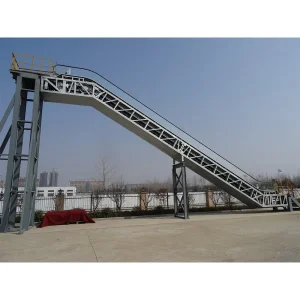
In municipal settings, vertical transit systems (such as high-speed passenger elevators and continuous-use outdoor escalators) consume substantial grid power. By integrating regenerative resistors and Line Regenerative AC Drives, infrastructure developers can capture kinetic energy during downward or braking cycles, converting waste heat into usable electrical energy back into the local grid infrastructure.
A deep engineering overview of the materials, control layers, and thermal management architectures driving modern energy reclamation.
Traditional silicon insulated-gate bipolar transistors (IGBTs) are being systematically replaced by Wide Bandgap (WBG) Silicon Carbide (SiC) MOSFETs. SiC semiconductors support much higher switching frequencies, substantially reducing heat loss and improving DC-to-DC conversion efficiency from 88% to over 97% during regenerative cycles.
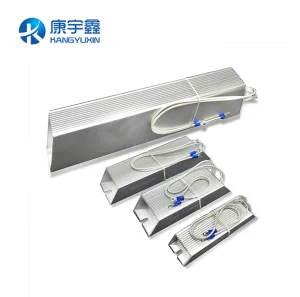
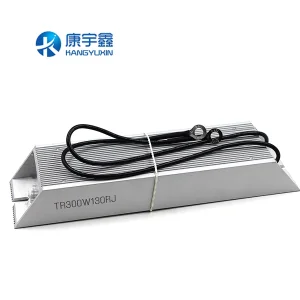
For safety-critical environments, such as elevators and industrial cranes, failure to capture regenerated current poses severe risks. Aluminum-housed regenerative resistors with structural potting (like our 4800W and 1000W models) offer high thermal shock resistance and rapid heat dispersion, preventing overvoltage faults.
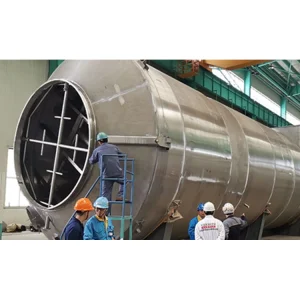
Thermal regeneration relies heavily on robust industrial piping assemblies. Prefabricated RTO piping configurations enable continuous operation under fluctuating temperatures and high pressures, reducing installation downtime and optimizing thermal conversion efficiency in chemical and processing plants.
How specialized regenerative components resolve real-world deployment challenges across automotive, logistics, and processing sectors.
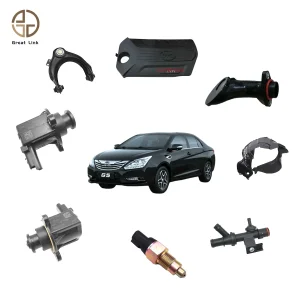
In passenger electric vehicles, weight constraints and compact engine bays dictate the integration density of energy recovery modules. Customized regenerative braking controllers designed for compact city cars (such as the BYD Seagull) coordinate hydraulic braking with magnetic torque resistance from the traction motor. The recovered kinetic energy is routed back through high-voltage distributions to recharge the lithium battery pack, extending urban drive cycles by up to 15-20%.
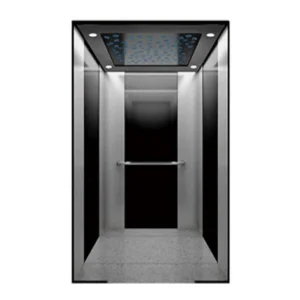
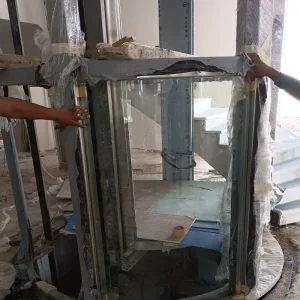
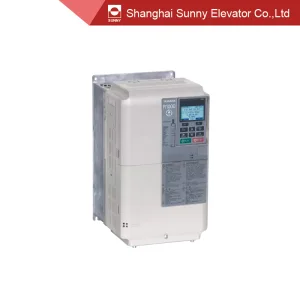
Modern high-rise residential elevators and continuous-operation outdoor escalators represent a massive consumer of energy in metropolitan areas. When a passenger elevator moves downward carrying a heavy load, or moves upward carrying a light load, the motor acts as a generator. Instead of using standard brake resistors to convert this energy into waste heat, advanced AC drives replacing braking resistors recycle this electrical energy directly back into the building’s power grid. This reduces overall energy consumption by up to 30% and keeps system temperatures lower, reducing HVAC costs in machine rooms.
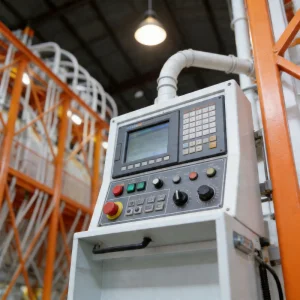
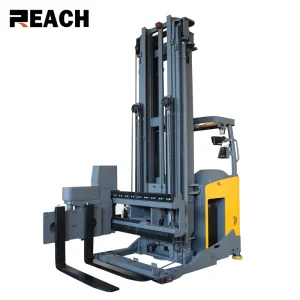
Agricultural and grain-processing plants operate continuous heavy-duty milling machinery. Integrating low-carbon wheat processing lines with regenerative braking modules allows for high-inertia milling systems to stop safely while reclaiming electric charge. Similarly, in automated logistics, OPD series tri-lateral stackers use regenerative energy recovery during vertical mast lowering and deceleration, allowing logistics terminals to operate with a reduced carbon footprint.
Our engineering experts answer critical questions regarding regenerative braking architecture, sizing, and reliability parameters.
Complete your design with our high-grade vertical transit lifts, escalators, and energy recovery vacuum systems.

A tour inside the modern production plants, automated assembly lines, and environmental stress chambers at Shenzhen DCI Autos Co., Ltd.
 DCI Autos