Optimized liquid cooling and high-voltage temperature regulation units ready for integration in Chilean heavy-duty mining and municipal transit infrastructure.
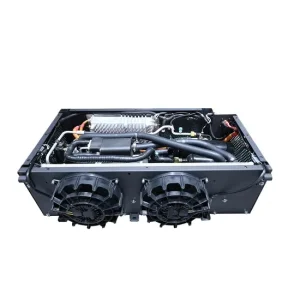
Robust high-power thermal management engineered to handle extreme vibration and high-load heating/cooling profiles in Chilean high-altitude copper mining corridors.
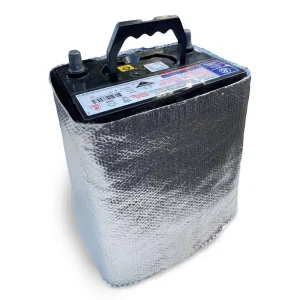
Ensures optimal lithium-ion battery performance, extending the cycle life of passenger and commercial fleet vehicles operating in diverse urban topographies.
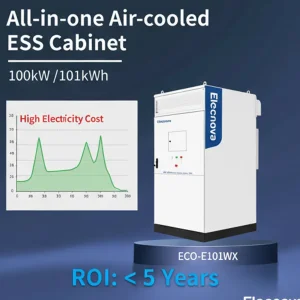
Sealed outdoor climate control unit built to defend utility-scale battery banks against the intense dust and daytime heat of the Atacama Desert.
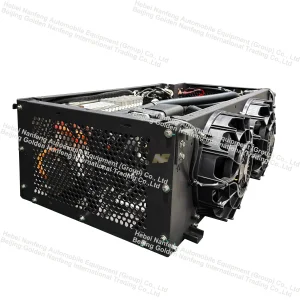
Highly scalable heating and cooling modules ideal for adapting regional electric bus fleets to varying seasonal temperatures.
Chile is leading a historic green transition in South America, driven by massive investments in renewable solar energy generation in the north and aggressive electrification targets for the nation's logistics, public transportation, and mineral mining sectors. However, Chile’s geography presents some of the most challenging operating environments in the world. From the hyper-arid, high-radiation zones of the Atacama Desert to the freezing, high-altitude Andean mining sites over 4,000 meters above sea level, industrial hardware operates under severe stress.
In high-altitude mining basins, heavy-duty electric haulage trucks encounter extreme continuous power loads. Without precision-engineered Battery Thermal Management Systems (BTMS), high C-rate discharge and regenerative braking cycles lead to dangerous temperature spikes, accelerating battery degradation and risking thermal runaway. Conversely, during nocturnal mine operations, sub-zero high-mountain temperatures can drop battery cell temperatures below optimal thresholds, heavily restricting capacity and charging speeds. A robust, dual-function heating and cooling thermal system is vital to maintaining operational uptime and protecting capital-intensive asset investments.
For Chilean utility-scale solar installations and battery energy storage projects (BESS), thermal regulation dictates financial viability. Fluctuating solar generation combined with evening discharge demands means energy storage units experience intense duty cycles. Liquid cooling systems must guarantee temperature uniformity across thousands of lithium iron phosphate (LFP) cells to prevent localized hot-spots, ensuring compliance with global safety standards and optimizing the system's Levelized Cost of Storage (LCOS).
High-efficiency cooling capacities and IP55 dust/sand protection prevent degradation under intense ambient UV and high particulate pollution.
Compensates for reduced air density at high elevations (3000m+) via optimized liquid cooling heat exchangers and premium flow pumps.
Active logic control loops integrate seamlessly with vehicle and station BMS to predictively heat or cool depending on workload demand.
Meeting international standards of engineering to support industrial decarbonization, safe public transit, and microgrid longevity.
Globally, the transition to high-voltage platforms (800V and above) is transforming thermal management requirements. Elevated voltage speeds up charging and discharge rates but generates localized thermal stresses that conventional air cooling systems cannot manage. Leading global manufacturers are standardizing direct liquid cooling plates, utilizing lightweight aluminum alloys and copper microchannels. These systems offer significantly higher thermal transfer coefficients, maintaining cells within their optimal temperature window (15°C to 35°C), regardless of extreme external environments.
In response to international fire safety standards (including NFPA 855 guidelines for stationary energy storage), modern BESS systems incorporate safety-first thermal controls. These controls integrate multi-stage cooling loops, eco-friendly fire-resistant refrigerants, and intelligent fluid flow monitors. These mechanisms prevent thermal runaway propagation, shielding high-value assets and personnel from potential hazards.
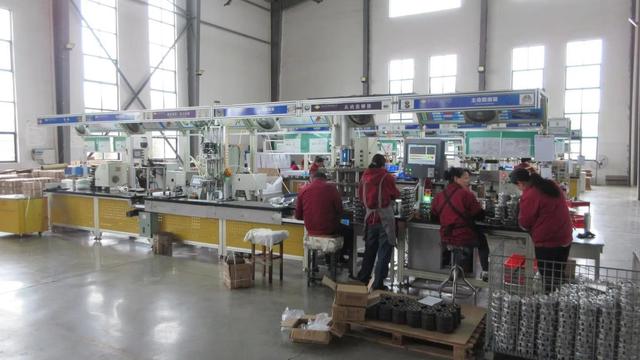
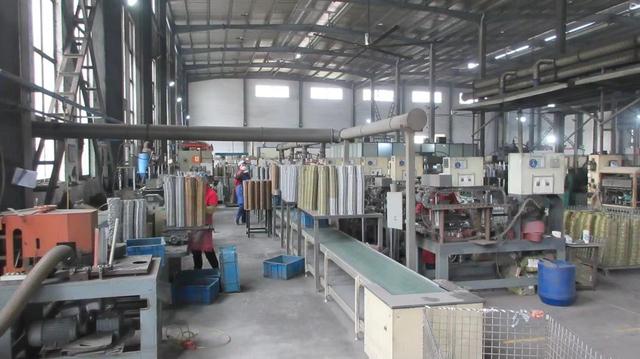
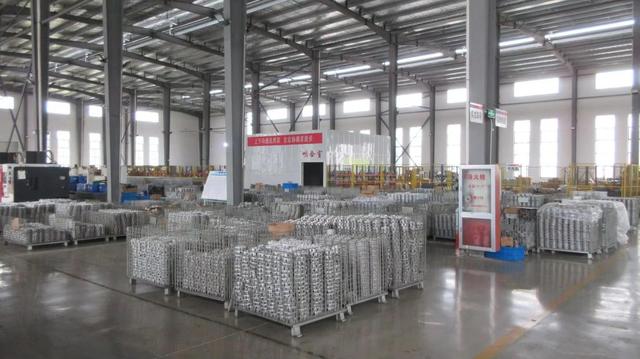
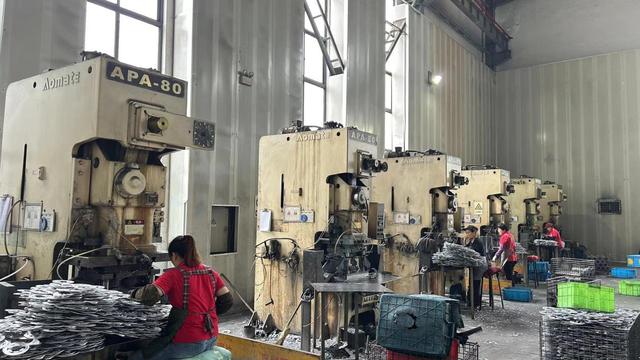
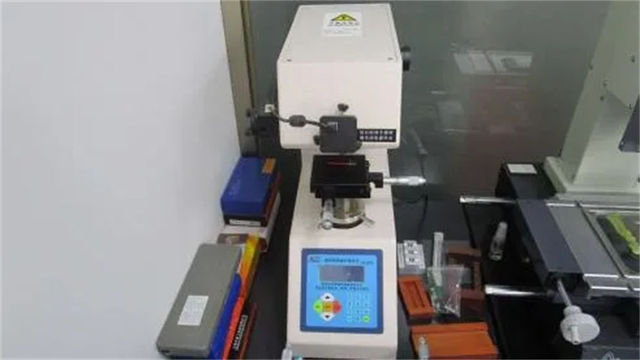
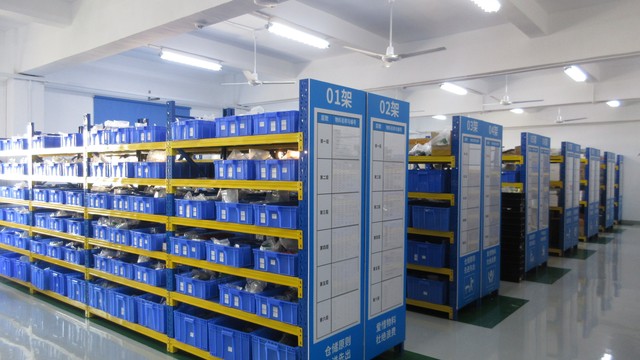
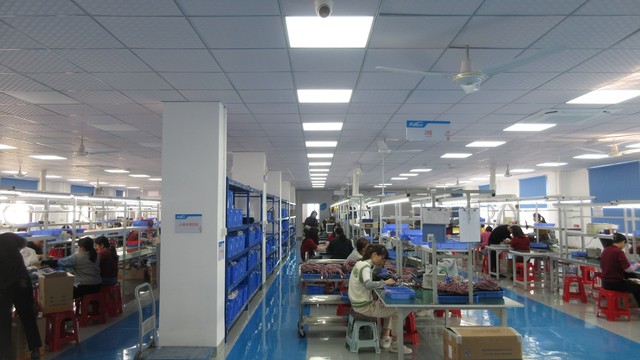
Operating from the global epicentre of electric mobility development—Shenzhen, China—Shenzhen DCI Autos Co., Ltd. combines state-of-the-art technological innovation with robust, scalable industrial production. Established in 2014, we have optimized our engineering, manufacturing, and validation processes across a modern, fully-equipped 28,000 square meter factory.
At DCI Autos, we understand that standard catalog solutions rarely align with complex industrial projects in Chile. Our dedicated engineering laboratories and testing facilities support comprehensive OEM and ODM partnerships, delivering tailor-made thermal solutions designed for your specific environmental conditions and dimensional constraints:
This integration enables DCI Autos to maintain high quality control standards, comply with IATF 16949 automotive standards, and offering competitive manufacturing lead times. We support Chilean operators in reducing project risk, securing project schedules, and enhancing system reliability.

How our systems are deployed in real-world scenarios across the Chilean territory.
Our IP55 rated outdoor thermal management cabinets protect utility-scale LFP batteries from intense UV exposure, fine sand ingress, and ambient temperatures exceeding 40°C, ensuring continuous evening grid discharge.
Specially customized liquid cooling setups for electric mining haulage vehicles. These setups are engineered to operate at elevations above 4,000 meters, ensuring reliable thermal regulation under heavy payloads and steep gradients.
High-efficiency 24V bus battery thermal management units integrated into Santiago's growing municipal electric bus fleet, providing year-round cabin comfort and safeguarding battery state-of-health (SoH).
Our commitment to reliability is demonstrated through rigorous laboratory validations before shipment. DCI Autos products undergo standard tests including salt spray corrosion testing (for coastal shipping and salty mining environments), multi-axis random vibration profiling, and long-term cycle testing under thermal stress.
For operations in the southern Patagonia wind hubs or the northern solar fields of Chile, this verification ensures trouble-free installation, reliable commissioning, and low maintenance overhead.
Discuss Custom Chile Specifications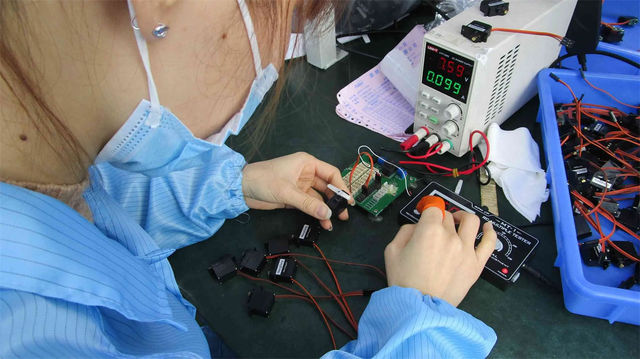
Explore our full line of thermal management solutions, engineered for automotive, industrial energy storage, and specialized process engineering applications in Chile.
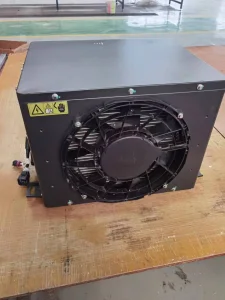
Designed specifically for municipal transit, maximizing the efficiency of 24V secondary systems while keeping high-capacity power arrays at optimal operating conditions.
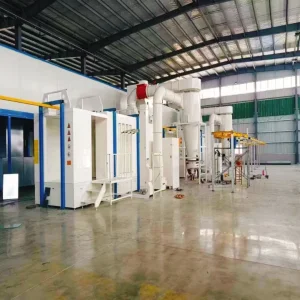
Balances temperatures across dense electrical architectures, preventing the formation of isolated hot zones that degrade battery health.
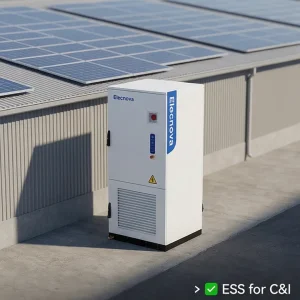
A self-contained commercial energy storage block with built-in active climate control, ideal for industrial microgrids and solar setups.
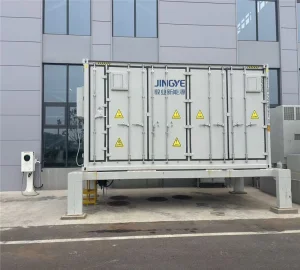
High-capacity grid storage thermal systems designed to regulate megawatt-level energy storage stations during fast charge-discharge cycles.
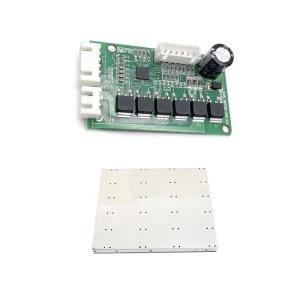
Combines lightweight aluminum alloys with high-conductivity copper surfaces to optimize heat transfer efficiency for performance EVs.
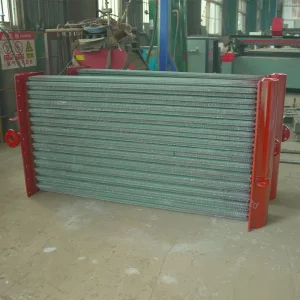
Liquid-to-air heat exchanges configured for low maintenance and high durability under continuous industrial operating loads.
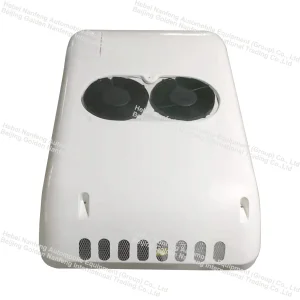
Optimized for medium-capacity mass transit systems, matching low electrical power draw with high efficiency cooling performance.
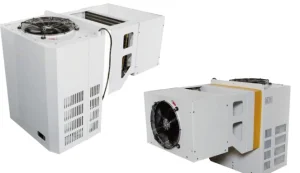
Integrated layout combining liquid circulation pump, expansion tank, control logic, and chiller in a space-saving package.
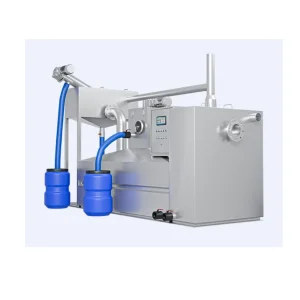
A specialized process solution designed to control industrial emulsions and lubricants under variable process temperatures.
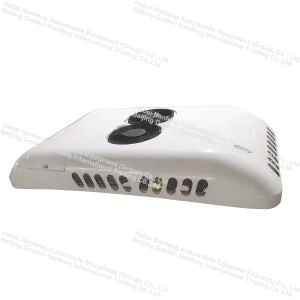
A reliable and proven standard platform offering active liquid heat exchanges for heavy vehicle applications.
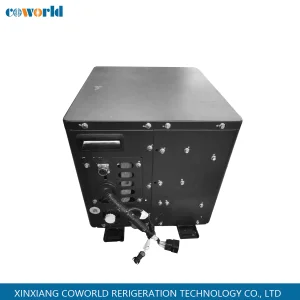
High cooling capacity (80kW) for articulated city buses and regional mass transport networks with high battery capacities.
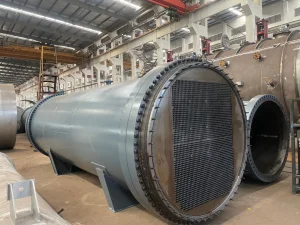
Precision-engineered heat transfer and cooling loops designed for the high safety standards of chemical processing environments.
Addressing technical questions regarding system optimization, high-altitude challenges, and liquid cooling specifications.
At high altitudes (above 3,000 meters), the lower atmospheric density significantly reduces the heat capacity of air. As a result, standard air cooling systems require much larger volumes of air to achieve the same cooling effect, leading to larger, power-hungry fan assemblies. Liquid cooling systems transfer heat through direct contact with liquid cooling plates, maintaining constant cooling capacity regardless of atmospheric pressure or high altitudes.
Our IP55 systems are designed with integrated active heating and cooling loops. During hot daytime periods, the system operates as a high-efficiency chiller, utilizing environmentally friendly refrigerants to reject heat. At night, when temperatures can drop below freezing, active PTC heating elements warm the battery storage medium, keeping battery cell temperatures within their optimal operating window.
Yes. We specialize in custom OEM/ODM development. Our engineering team utilizes thermal simulation tools (CFD) and a 28,000 square meter factory to customize system capacity, coolant routing, enclosure sizing, mounting brackets, and communication protocols (such as CAN bus interfaces) to align with your vehicle or battery design.
Our manufacturing and engineering facilities are certified under the IATF 16949 automotive standard. Depending on project specifications, our products comply with CE requirements, IP55/IP66 ingress protection standards, and key safety standards for stationary energy storage systems (BESS).
Connect with our engineering team to discuss custom designs, volume pricing, and shipping logistics to Chile.
Send Inquiry Now DCI Autos