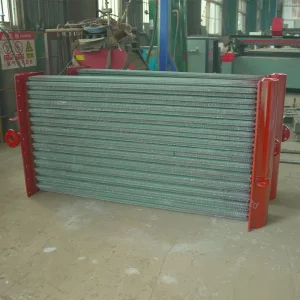
Automotive Battery Thermal Management System for Electric Vehicles

Still deciding? Get samples of $ !
Order Sample

Product Description

Basic Specifications

Model NO.
Battery Thermal Management System
Type
Exhaust Protection
Certification
RoHS
Material
Titanium
Single Package
Carton Box, Plastic Box
Near Port
Shanghai, Ningbo
HS Code
7019909990
Production Capacity
2,000,000m/Day

Packaging & Delivery

Package Size
20.00cm * 20.00cm * 20.00cm
Gross Weight
1.000kg
Lead Time
3 days (1 - 100 Pieces); To be negotiated (> 100 Pieces)

Product Overview

ℹ️
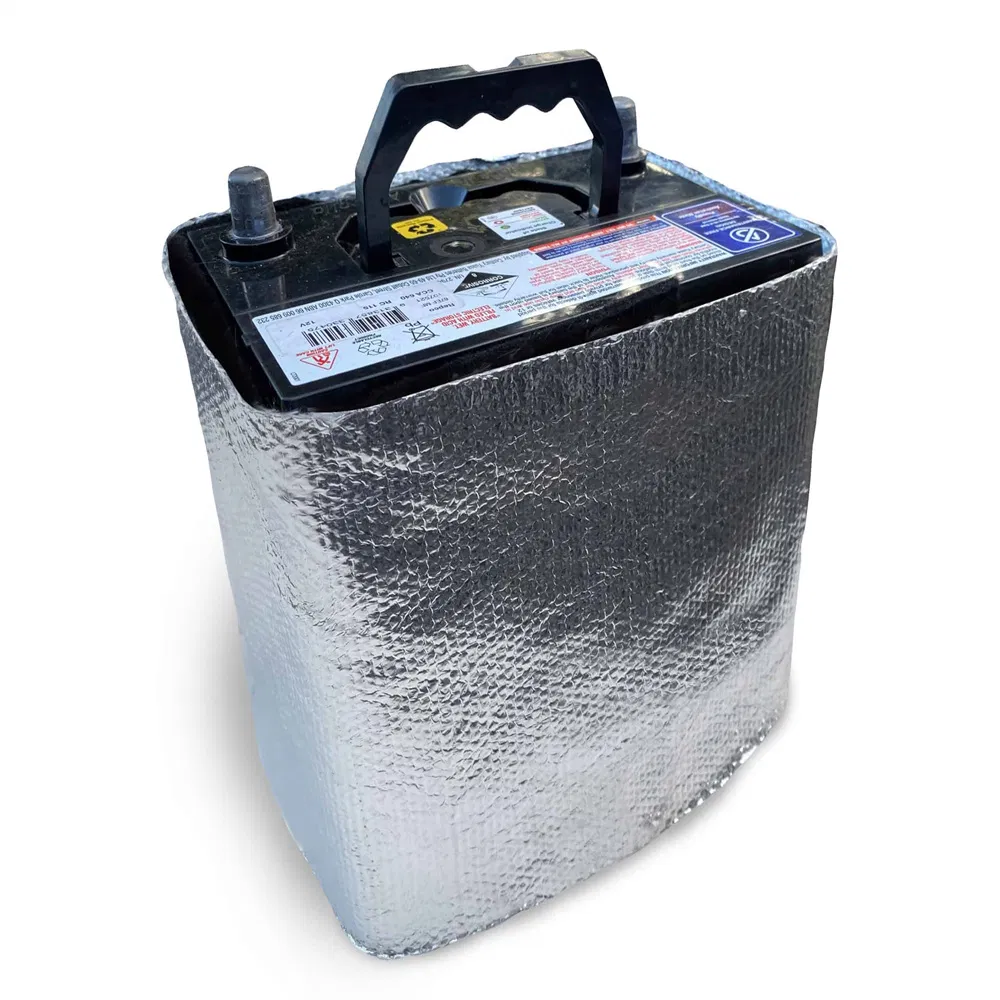
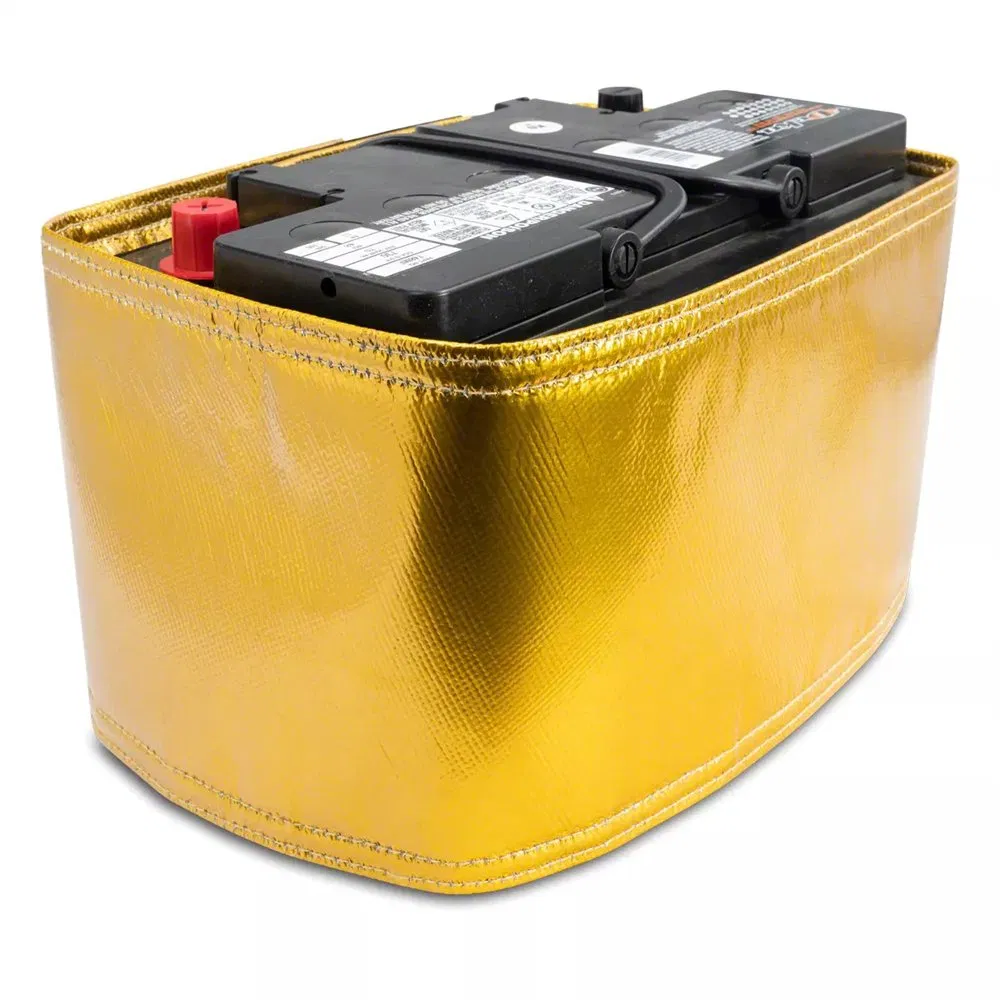
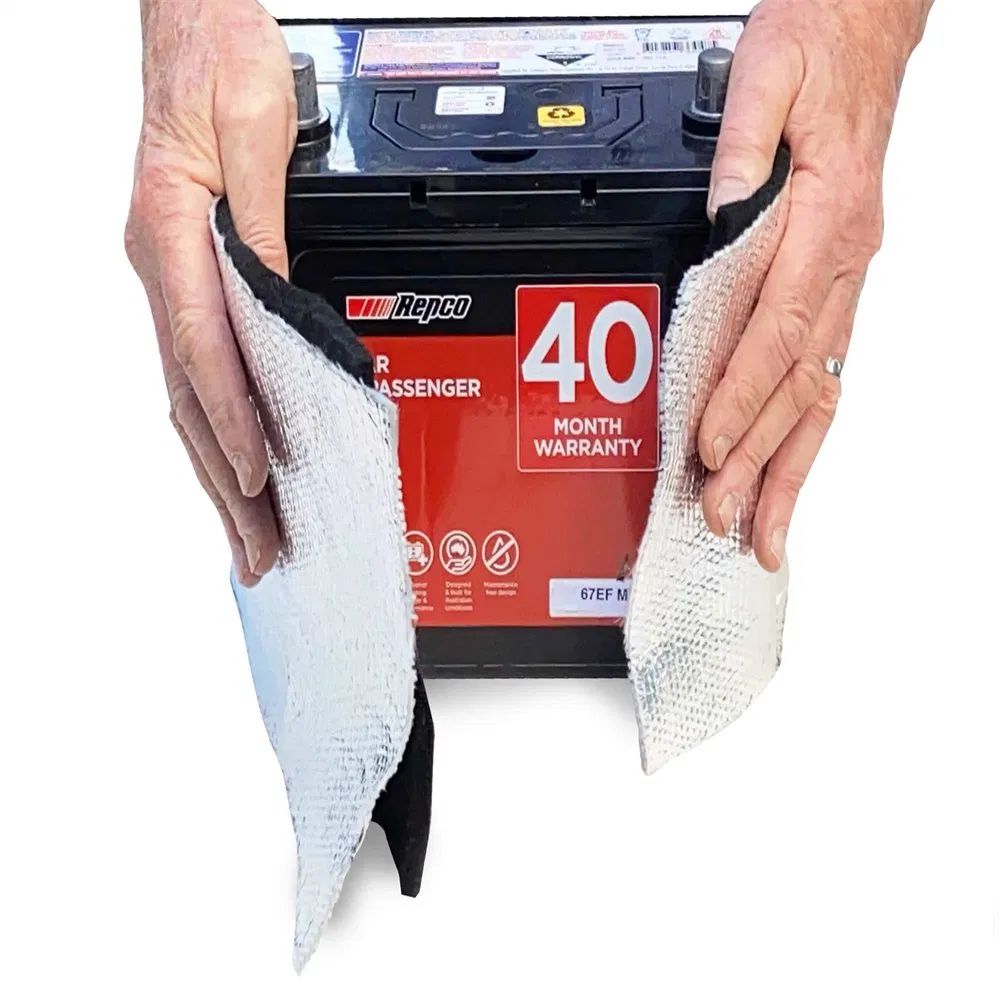
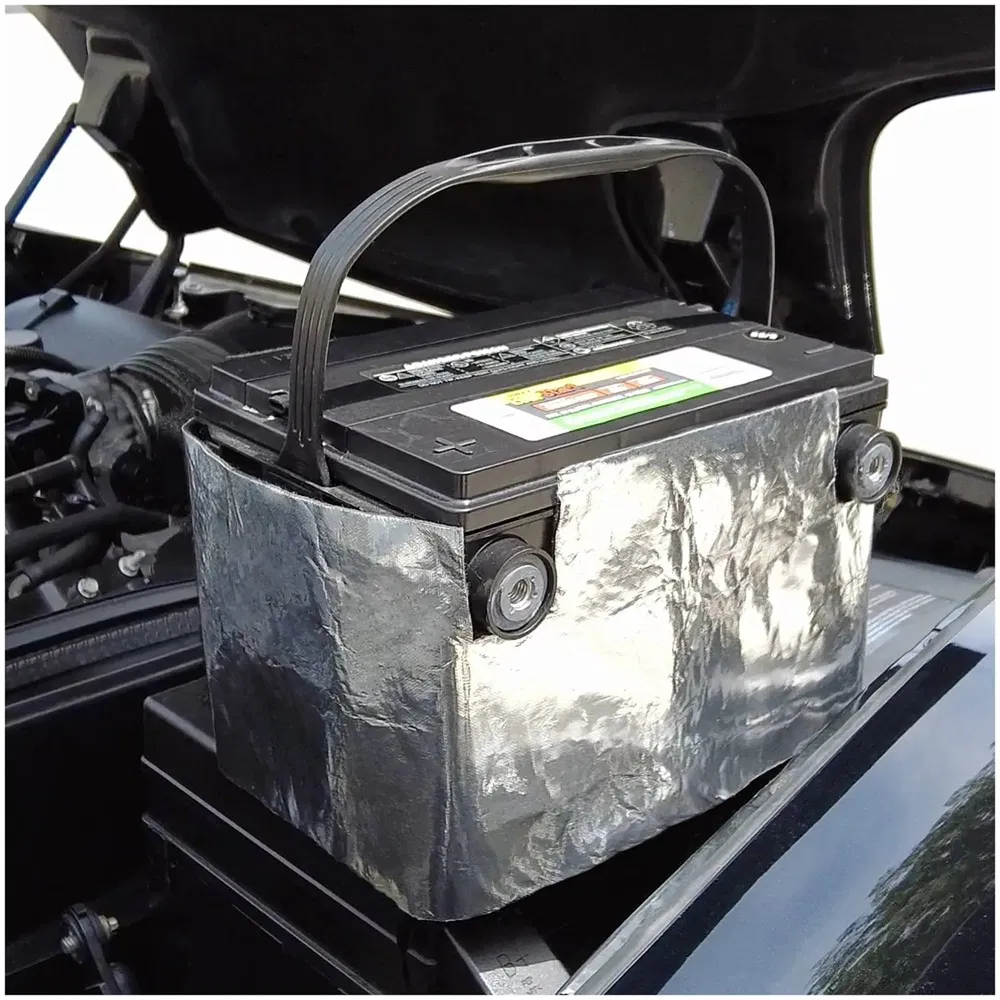
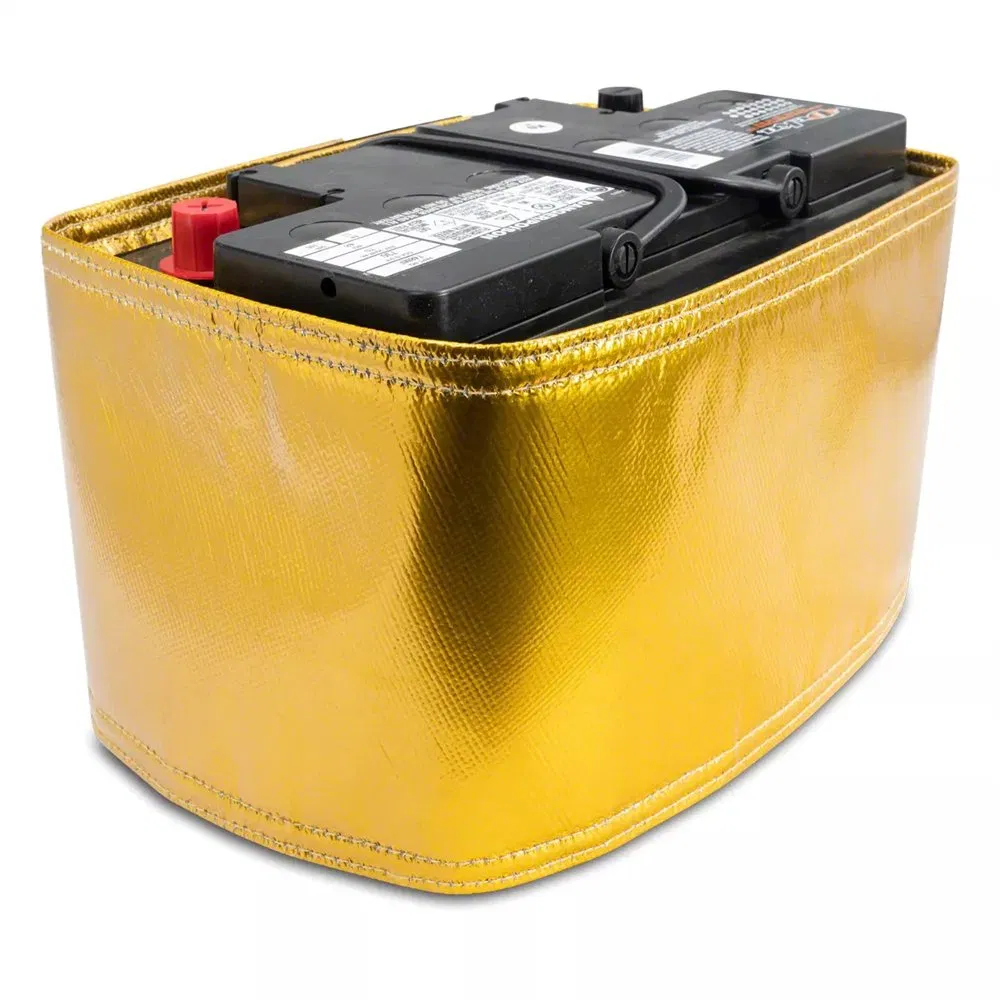
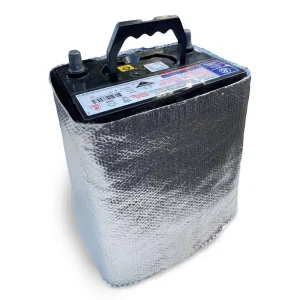
The automotive battery thermal management system (BTMS) is designed to provide effective heat control, thermal insulation, and safety protection for electric vehicle (EV) battery packs operating under varied and demanding conditions.

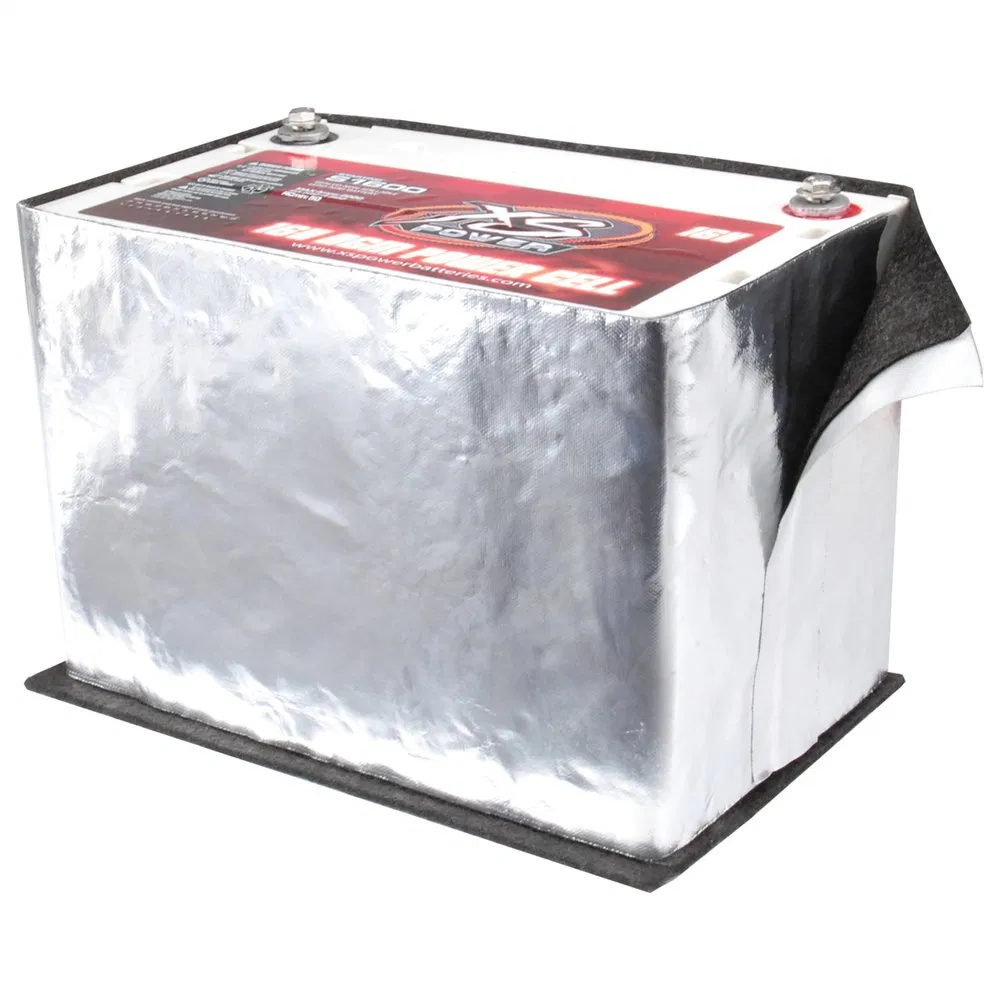
This system integrates radiant heat shields, high-temperature insulation materials, and protective barriers to maintain optimal battery temperature, reduce heat transfer, and support EV battery safety and durability.

The solution is suitable for passenger EVs, commercial EVs, trucks, buses, marine EV platforms, and automotive energy systems.

EV Battery Thermal Management System
Battery Insulation System
Automotive Thermal Shield

System Architecture & Functional Layers

System Layer Material Options Primary Function
Heat Reflective ShieldAluminum foil / aluminized fabricReflects radiant heat
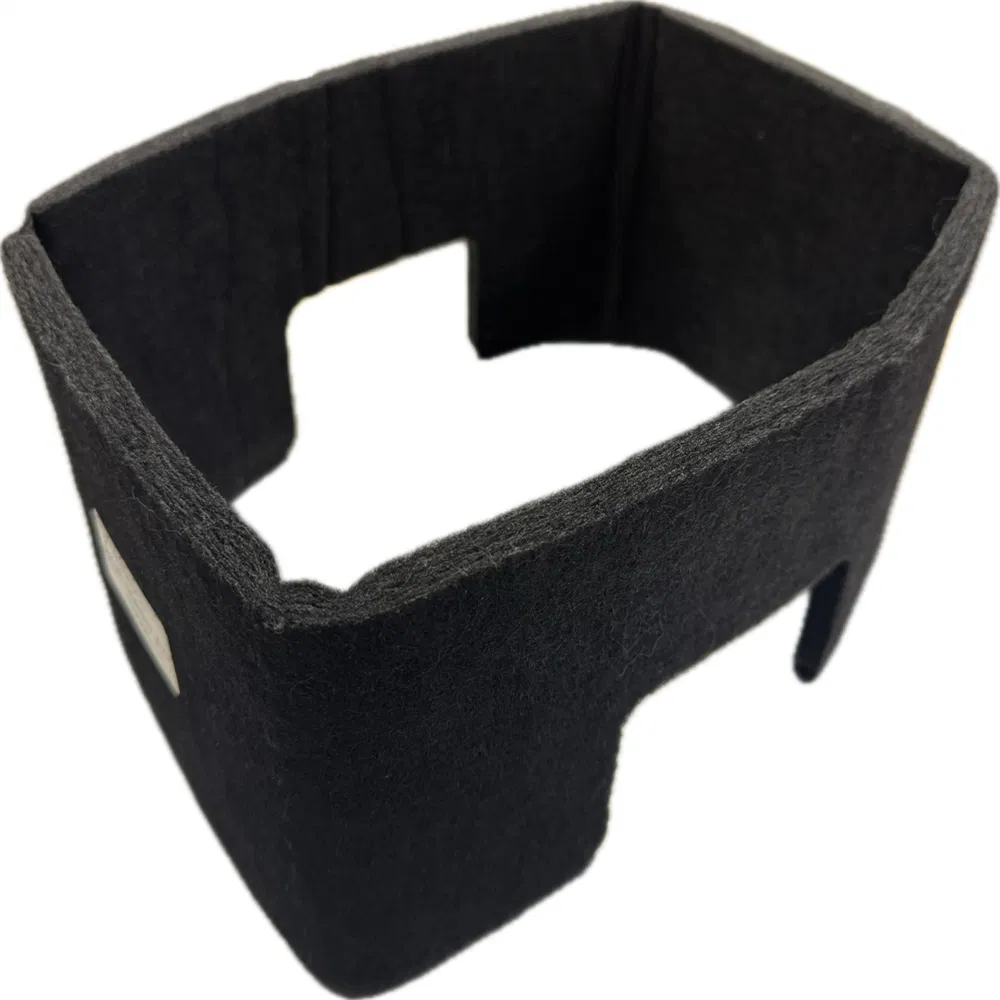
Thermal Insulation CoreFiberglass / basalt / silicaLimits heat transfer
Fire Protection LayerFire-resistant textileDelays flame & heat spread
Safety Barrier (Optional)Acid / electrolyte absorbing layerChemical containment
Protective LinerHeat-resistant fabricSurface & mechanical protection
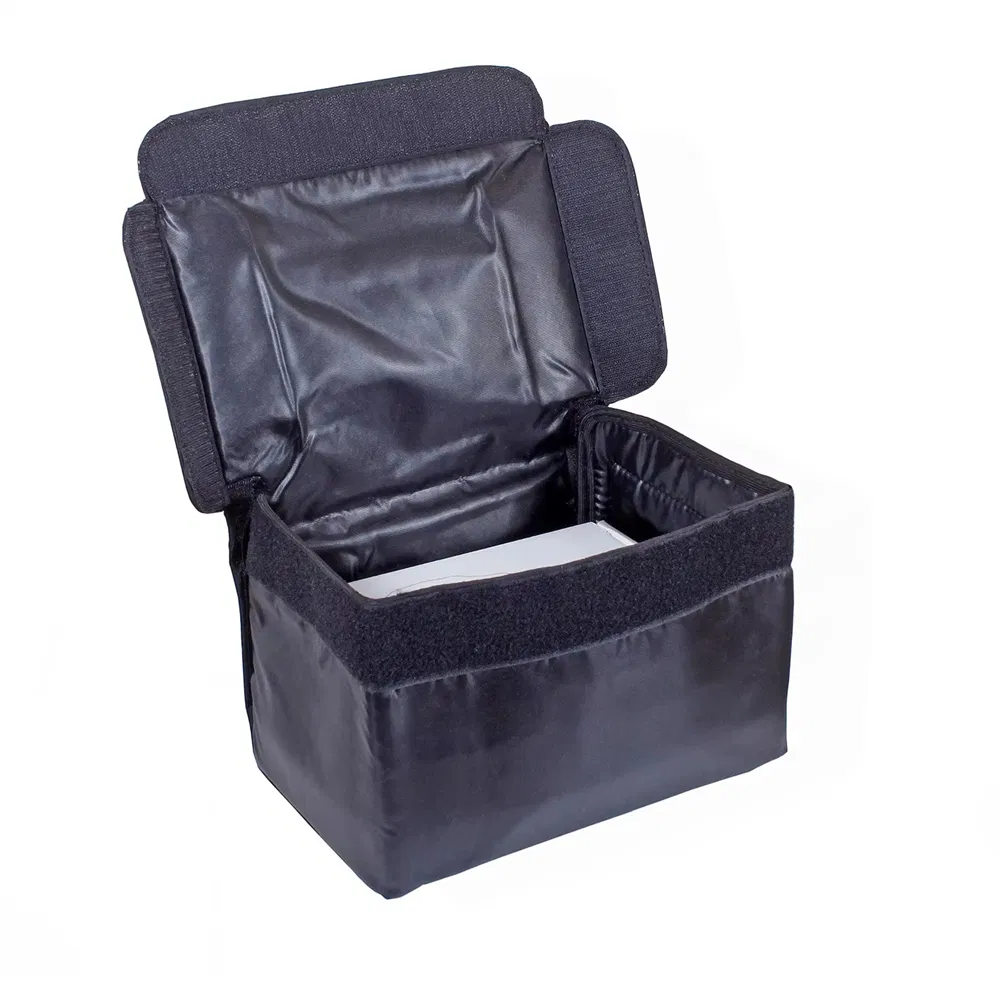
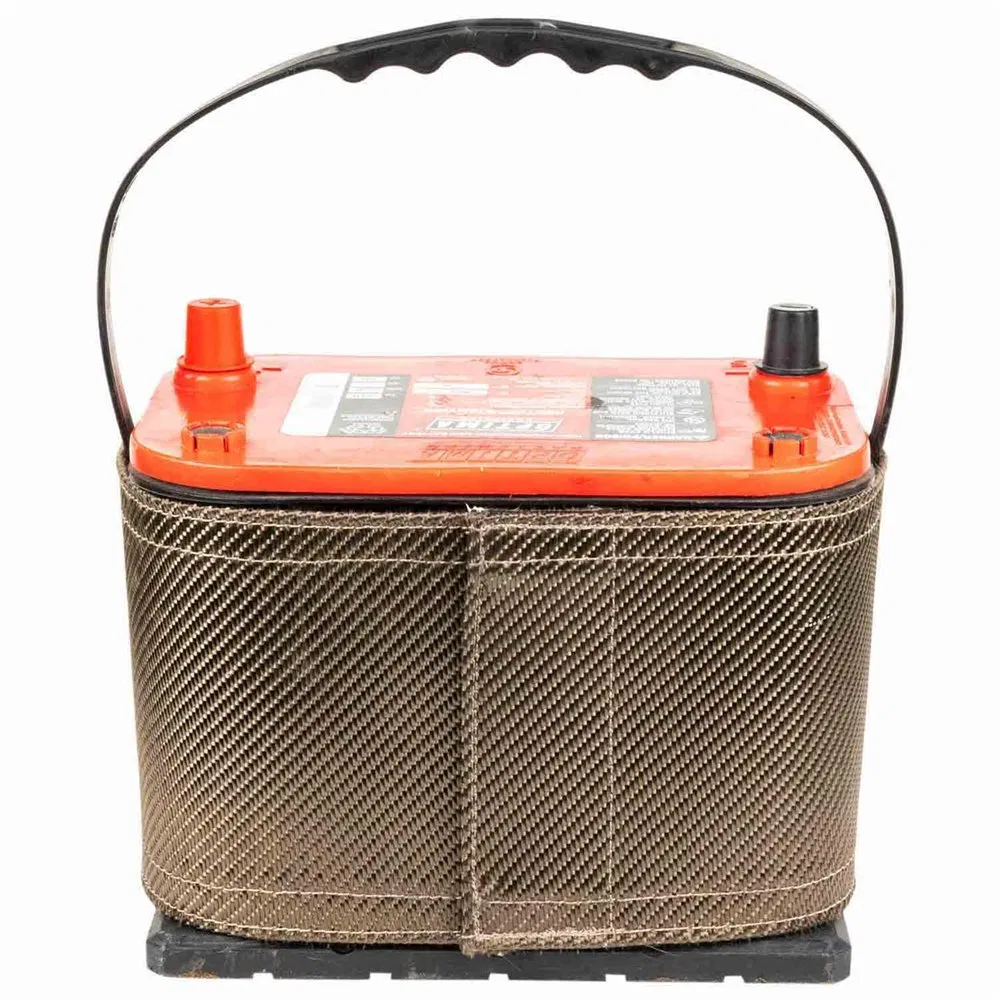
System FormWrap / blanket / pad / linerFlexible integration

Thermal Management Performance

Performance Aspect Capability
Temperature ControlStabilizes battery operating range
Heat ResistanceHigh-temperature EV grade
Radiant Heat ReductionExcellent
Thermal InsulationEffective heat isolation
Fire ResistanceEnhanced battery safety
Chemical CompatibilitySuitable for lithium-ion systems
Lightweight DesignMinimal impact on vehicle range
Thermal Management Performance
EV Battery Safety
Insulation Component

Why Battery Thermal Management Is Critical

Thermal Challenge BTMS Benefit
External Heat ExposureBlocks radiant & conducted heat
Local Hot SpotsImproves temperature uniformity
Thermal Runaway RiskDelays propagation
Battery AgingExtends service life
Safety ComplianceSupports EV safety requirements

Typical Applications

Application Area Battery System
Passenger Electric VehiclesLithium-ion battery packs
Commercial EVsLarge battery modules
Trucks & BusesHigh-capacity battery systems
Marine EV PlatformsEnclosed battery compartments
Automotive Energy SystemsVehicle-mounted ESS

Technical Specifications

Item Description
Product TypeEV Battery Thermal Management System
ApplicationElectric vehicle batteries
Base MaterialsFiberglass / Basalt / Silica
Reflective LayerAluminum foil (optional)
Temperature ResistanceHigh-temperature automotive grade
System FormWrap / Blanket / Pad
CustomizationSupported

Application Notice

⚠️
This thermal management system should be integrated as part of a complete EV battery thermal strategy, considering cooling design, airflow, spacing, and electrical safety standards.

By combining heat reflection, insulation, and protective barriers, it enhances EV battery performance, reliability, and long-term safety across automotive and electric mobility platforms.

Frequently Asked Questions

What materials are used in the EV battery thermal management system?
The system utilizes high-grade materials such as fiberglass, basalt, and silica for insulation, often combined with aluminum foil or aluminized fabrics for heat reflection.
How does the system prevent thermal runaway?
The fire protection layers and thermal barriers are designed to delay flame propagation and limit heat spread, giving critical extra time and reducing the risk of a full-scale thermal runaway event.
Can the insulation be customized for different vehicle models?
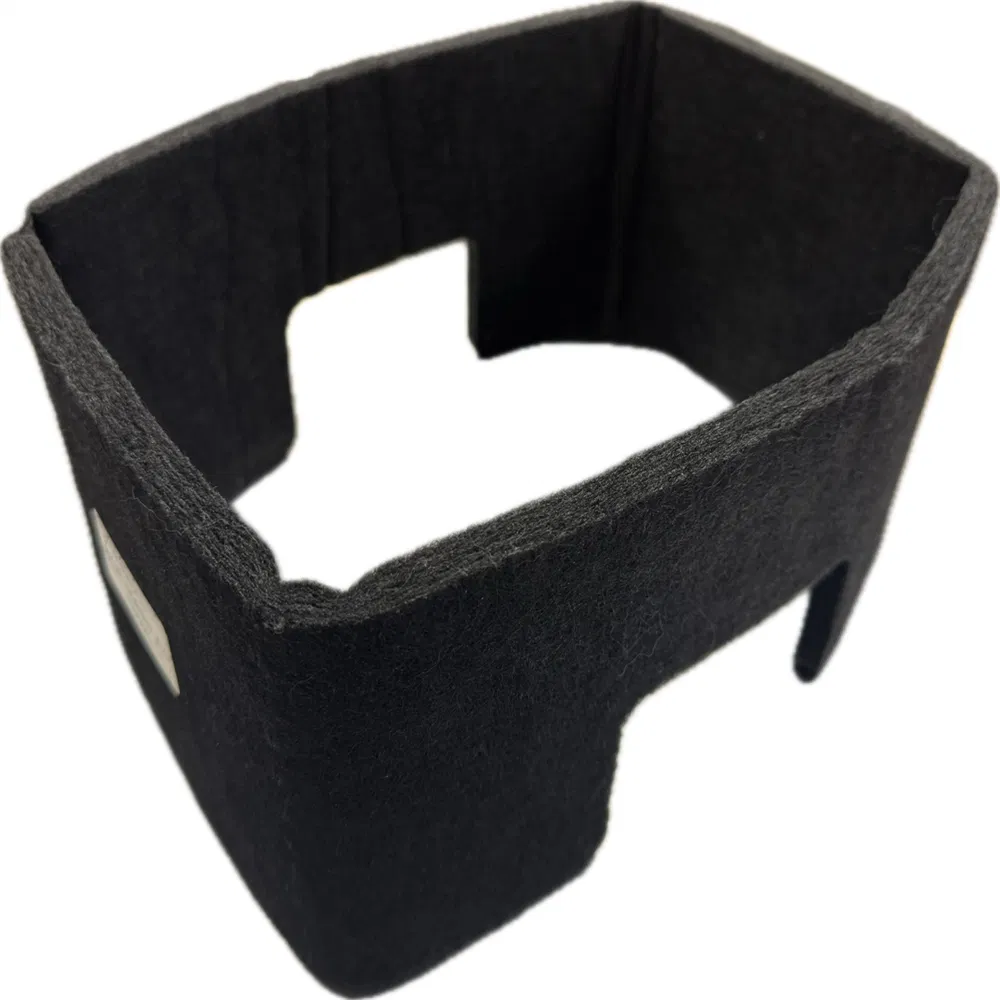
Yes, we support extensive customization including material selection, layer thickness, and die-cut shapes to fit specific battery pack designs and OEM requirements.
Is the system suitable for heavy-duty commercial vehicles?
Absolutely. The system is engineered for various platforms, including passenger EVs, commercial trucks, buses, and even marine electric vehicle platforms.
What are the installation methods for these thermal blankets?
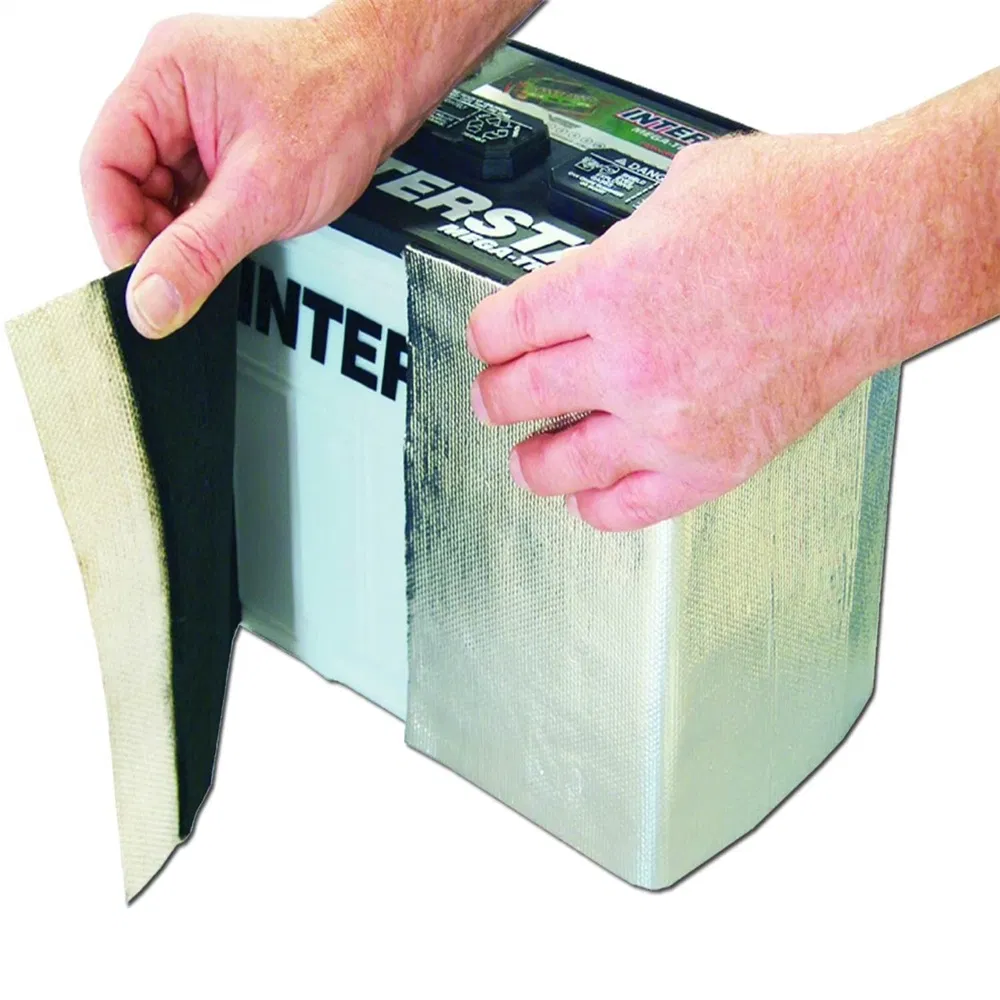
Common integration methods include wrap-around installation, adhesive fixing, mechanical attachment, or the use of pre-cut shapes for a vehicle-specific fit.
Does adding thermal management impact the vehicle's driving range?
Our system features a lightweight design specifically intended to have minimal impact on vehicle weight while significantly extending battery service life through better temperature stability.

Related Products