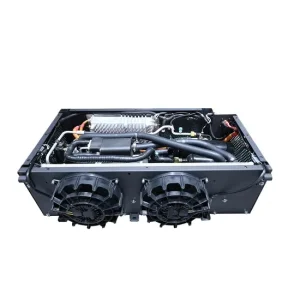
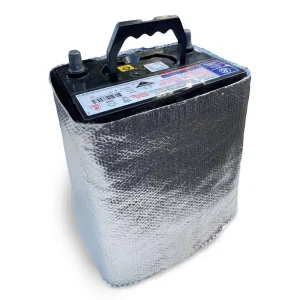
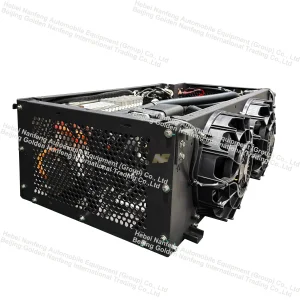
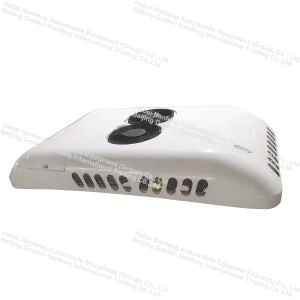
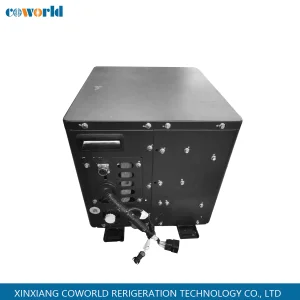
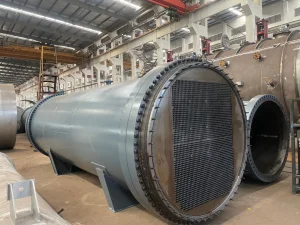
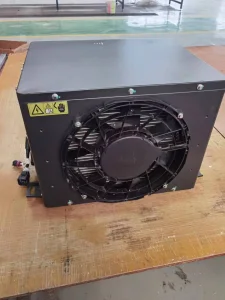
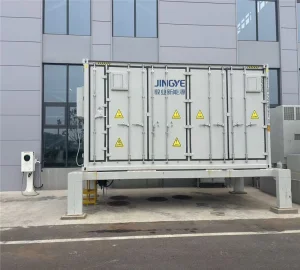
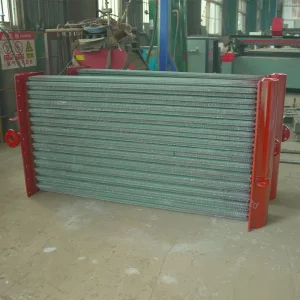
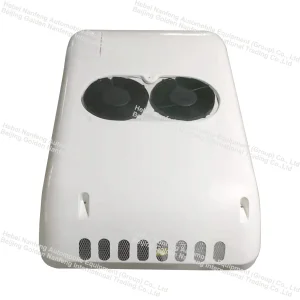
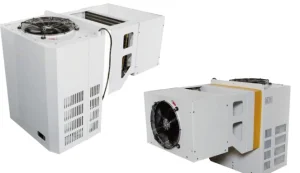
Our leading thermal control configurations are optimized for Timor-Leste’s demanding environment. From heavy infrastructure cooling to microgrid battery stabilization, these systems ensure constant performance in high ambient temperatures.
As the Democratic Republic of Timor-Leste progresses with its National Strategic Development Plan, integrating stable energy systems and upgrading national infrastructure have become key priorities. With projects spanning from the deep-water port of Tibar Bay to municipal electrification projects in Dili, Baucau, and the Special Administrative Region of Oecusse-Ambeno, the country is adopting high-density energy technologies. However, the tropical maritime climate presents challenges, with temperatures regularly exceeding 35°C and relative humidity levels surpassing 80%.
Under these conditions, standard battery systems, power electronics, and industrial machinery face increased risks of thermal degradation. Without active, high-efficiency Thermal Management Systems (TMS), the lifespan of commercial energy storage systems and electric transit fleets can decrease by up to 50% due to accelerated chemical wear. Providing reliable thermal systems designed for hot climates is essential to ensure long-term operational efficiency and grid reliability across the nation.
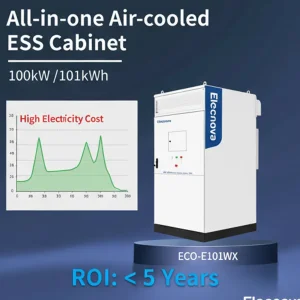
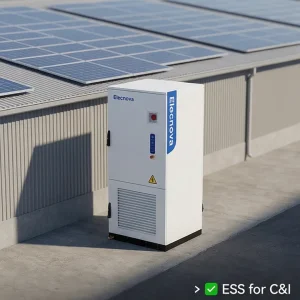
Timor-Leste is expanding solar microgrids to supply power to remote communities off the central grid. These systems rely on Lithium Iron Phosphate (LiFePO4) Battery Energy Storage Systems (BESS) to balance loads during the night. High ambient temperatures can lead to thermal imbalances within battery packs, resulting in localized hot spots and potential thermal runaway. Implementing active cooling loops and liquid-to-air heat exchangers helps maintain battery cells within their optimal temperature range (15°C to 35°C), ensuring grid stability and protecting the investment in clean energy infrastructure.
These auxiliary cooling systems and fluid control units are designed for heavy machinery, processing facilities, and specialized transport applications operating under harsh tropical conditions.
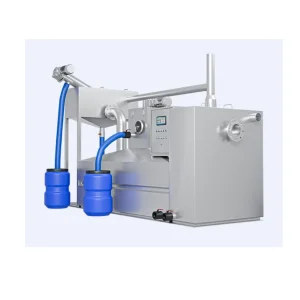
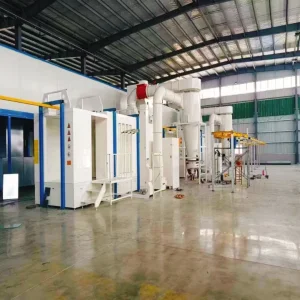
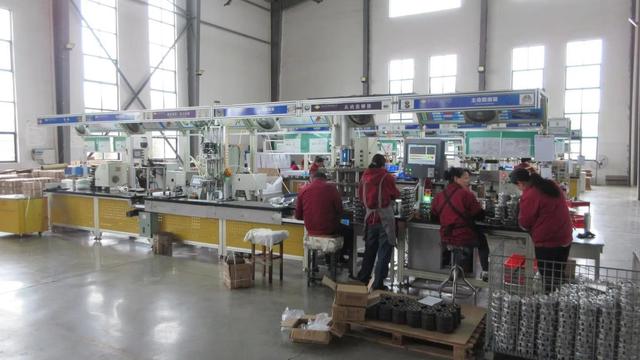
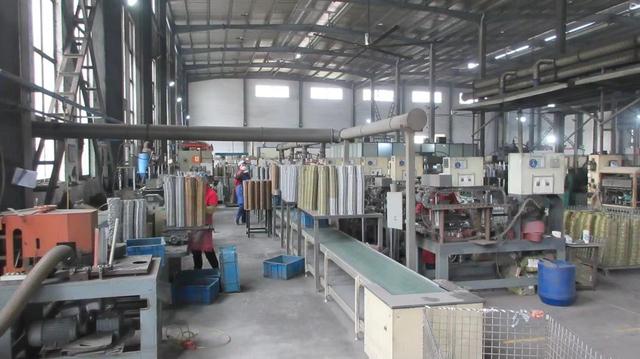
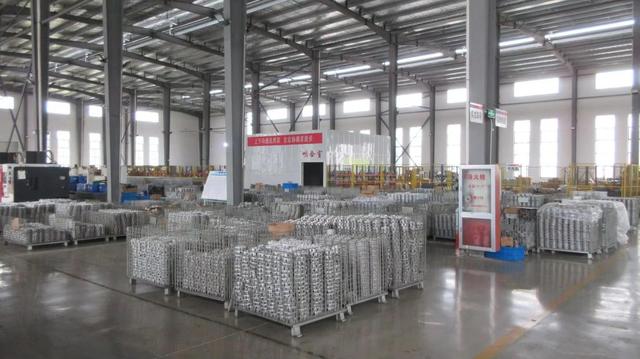
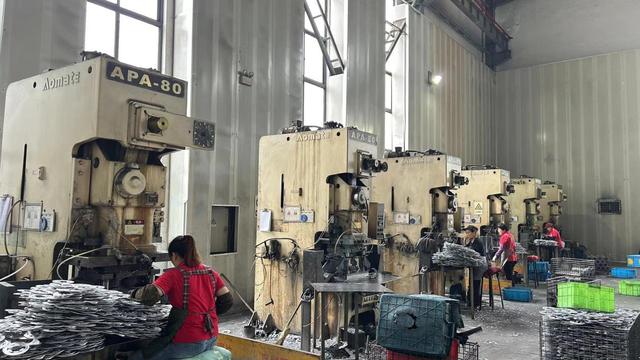
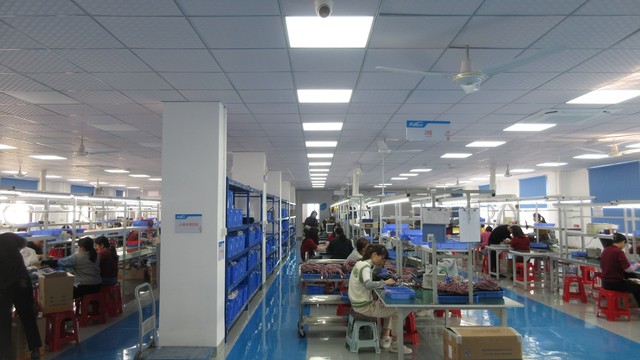
Our manufacturing facility in Shenzhen, China, integrates modern production technologies to design high-performance thermal systems. By utilizing advanced automation, precision manufacturing, and structured quality control, we deliver reliable and efficient solutions for global projects.
Our facility in Shenzhen operates automated lines for vacuum brazing, CNC machining, and automated leak detection. This ensures consistent tolerances and high reliability for complex cooling plates.
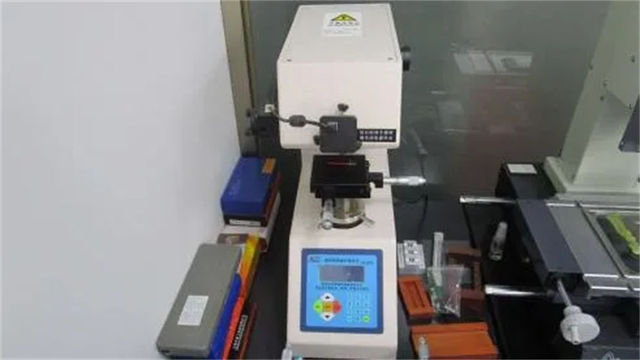
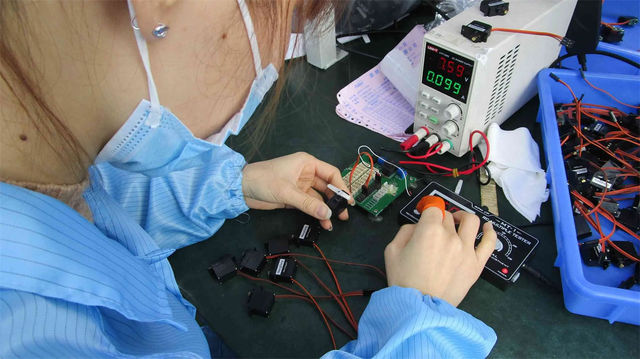
All designs undergo extensive environmental validation, including high-low temperature cycling, vibration fatigue testing, and salt spray exposure, to ensure reliable operation in coastal climates.
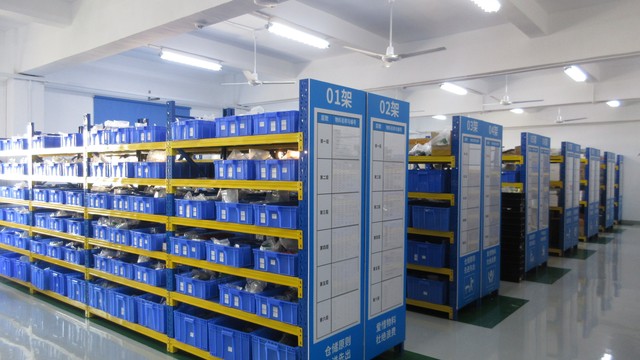
Leveraging Shenzhen's electronics and manufacturing hub, we maintain direct partnerships for key materials. This secures supply lines and enables stable lead times for international projects.
For buyers in Timor-Leste, shipping directly from Shenzhen to the Port of Dili provides a streamlined logistical route. Our team handles international compliance, export documentation, and customs verification to ensure safe and timely delivery of components for logistics projects, municipal bus systems, and large-scale battery storage installations.
Our core product range features liquid cooling, battery heaters, and active chilling units. These systems are designed to match various operating loads, voltages, and structural requirements for modern commercial vehicles and energy storage applications.
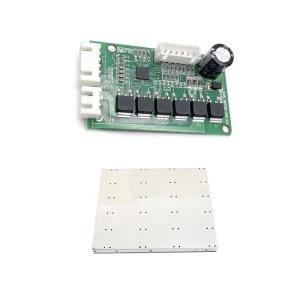
Choosing a thermal management design requires balancing thermal efficiency, installation weight, power draw, and maintenance needs. In coastal and tropical regions like Timor-Leste, environmental factors such as humidity, salinity, and dust influence system performance.
Air cooling relies on convective heat transfer between cell surfaces and surrounding air. In Timor-Leste, where ambient air temperatures can exceed 38°C, air cooling has limited capacity to keep high-capacity batteries below their maximum limits. Additionally, drawing humid, salt-laden air directly into battery enclosures increases the risk of corrosion and short circuits.
In contrast, active liquid cooling utilizes a closed-loop system circulating a water-glycol mixture through internal cooling plates. This design isolates the cells from external dust and salt mist. Active chilling units can cool the liquid below ambient temperatures, ensuring consistent performance for high-load systems such as electric buses on steep routes or battery storage installations at coastal microgrids.
Established in 2014, Shenzhen DCI Autos Co., Ltd. is a specialized manufacturer of electric vehicle components and thermal systems for the automotive and energy industries. Based in Shenzhen, Guangdong Province, we operate from a modern 28,000 square meter production facility supported by over 300 employees. Our capabilities cover engineering, automated manufacturing, testing, and international supply chain support.
Our product line includes battery systems, power electronics, electric drivetrain components, battery management systems (BMS), charging components, high-voltage electrical assemblies, and integrated EV powertrain systems. We support passenger vehicles, commercial electric vehicles, light transport platforms, and industrial energy storage installations.
With dedicated R&D laboratories and environmental testing chambers, we validate every design for reliability, efficiency, and durability. We offer flexible OEM and ODM services, providing custom cooling plates, private-label manufacturing, and system integration designed for tropical climates.

Find detailed technical answers regarding the integration, shipping, and deployment of our high-efficiency cooling platforms in tropical and coastal environments.
Active liquid cooling provides superior heat transfer coefficients compared to air. In regions with ambient temperatures often above 35°C, air cooling struggle to keep battery cells within their optimal 15°C to 35°C operating window. Additionally, liquid cooling uses a closed loop, protecting battery cells and power electronics from humid, corrosive salt air typical in coastal areas like Dili.
Our outdoor energy storage systems and thermal units feature IP55 and IP66 ratings. This protects internal components against fine dust, heavy rain, and salt-mist corrosion, ensuring reliable operation for microgrids and industrial sites in tropical marine environments.
Yes. Our R&D team can design custom thermal management solutions to match specific vehicle chassis, battery dimensions, and voltage systems (ranging from 24V bus modules to 800V heavy machinery platforms). We provide full design verification, prototyping, and testing services.
Our products undergo testing including vibration fatigue, high-low temperature chamber cycling (-40°C to 85°C), helium leak testing, high-pressure flow cycle validation, and salt spray exposure. These steps ensure durability and reliability before shipment.
Orders are dispatched directly from our Shenzhen facility. We coordinate freight through Shenzhen or Hong Kong ports to Dili Port. Standard lead times range from 4 to 8 weeks, depending on customization levels and order volumes. We handle complete export clearance and supply chain logistics.
Our active thermal units integrate with the Battery Management System (BMS) to monitor real-time temperatures. If a temperature spike is detected, the cooling loop increases flow rates and activates chiller circuits to dissipate heat quickly, helping to prevent localized thermal runaway.
 DCI Autos