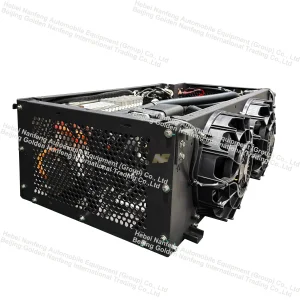
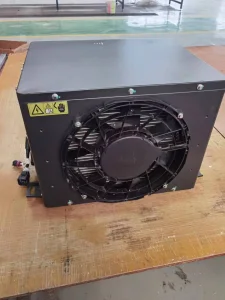
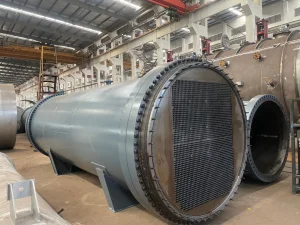
Engineered to deliver high coefficients of performance (COP) in both deep winter warming and extreme load cooling applications.
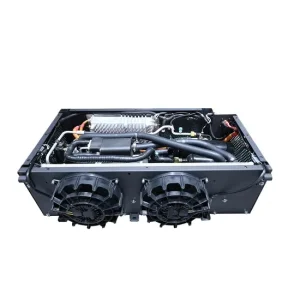
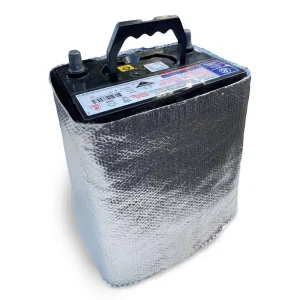
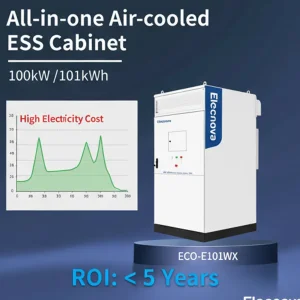
A high-latitude framework for robust thermal engineering, electrification, and decarbonization.
As Sweden accelerates its fossil-free energy transitions and targets carbon neutrality by 2045, high-efficiency Thermal Management Systems (TMS) have emerged as critical components in Swedish infrastructure. From cold-starting electric public transit networks in Norrland to managing high-capacity grid energy storage (ESS) systems in southern urban hubs, Sweden's industrial framework demands robust thermodynamic control loops that operate flawlessly in temperatures ranging from -35°C to +30°C.
Battery systems experience severe kinetics degradation at low temperatures. Our intelligent PTC-integrated heating loops pre-warm cells to prevent lithium plating during fast charging in Swedish winters.
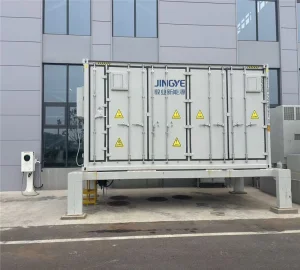
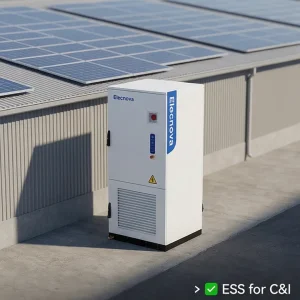
Integrating massive solar and wind reserves onto the Swedish national grid requires utility-scale battery systems. Our liquid chillers ensure temperature uniformity within ±2°C across thousands of cells, minimizing capacity fade.
Sweden’s prominent automotive manufacturers lead the transition to electric heavy-duty vehicles. Dedicated cooling loops protect high-capacity drivetrains under continuous grade-climbing loads.
Sweden’s winter climate presents unique operational boundaries for battery cells, power electronics, and industrial cooling loops. High viscosity of coolants at low temperatures, crystallization risks of water-glycol mixtures, and high thermal gradients across large-format battery packs require specialized fluid dynamics and control strategy integration.
Modern liquid-to-air and coolant-to-refrigerant systems must operate on adaptive controls. Our thermal management solutions deploy dynamic CAN-bus and LIN-bus communication protocols that actively balance the cooling and heating requirements of both cabin and battery packs. Utilizing waste heat recovery loops, DCI Autos' systems harvest excess heat from high-temperature components (like traction motors and inverters) to keep battery cells in their optimal 15°C to 35°C thermodynamic window, cutting parasitic energy draw by up to 30%.
Additionally, the strict environmental standards enforced by Swedish municipal bodies necessitate low global warming potential (GWP) refrigerants and highly recyclable raw materials, including high-grade aluminum alloys and copper components engineered specifically for friction-stir welded cooling plates.
Leveraging China's leading EV manufacturing cluster to deliver premium, reliable OEM/ODM solutions worldwide.
Shenzhen DCI Autos Co., Ltd. is a professional manufacturer specializing in electric vehicle components and advanced mobility technologies for the global automotive industry. Established in 2014, the company is headquartered in Shenzhen, Guangdong Province, a leading center for innovation in electric transportation and intelligent manufacturing.
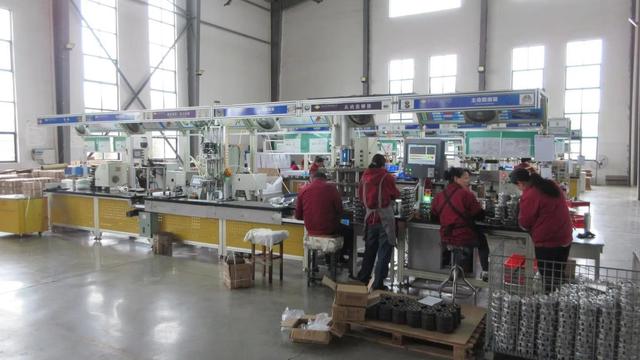
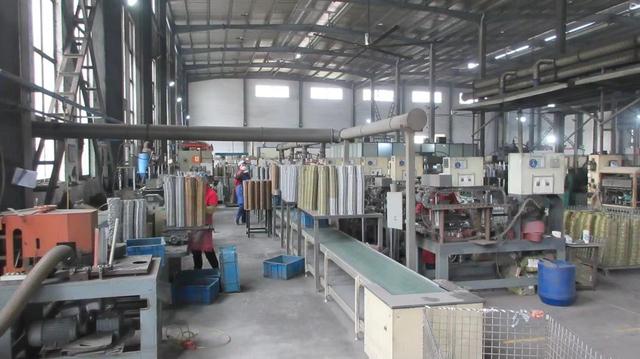
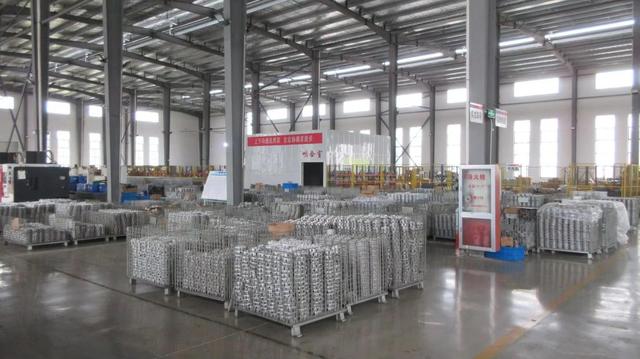
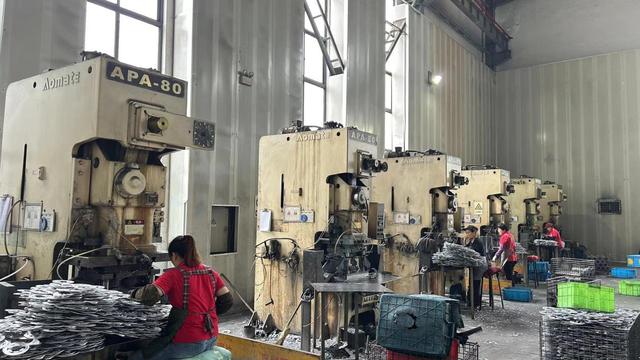
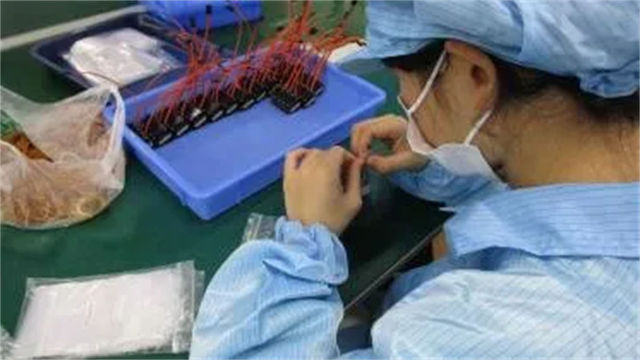
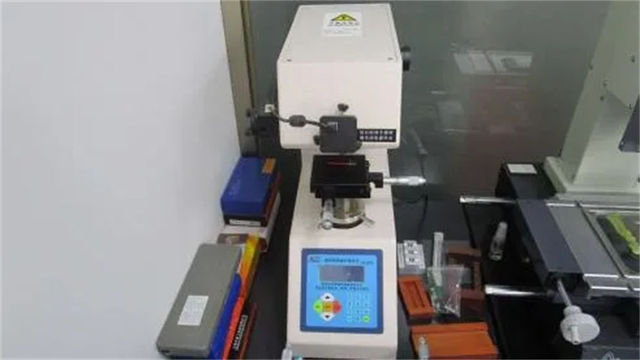
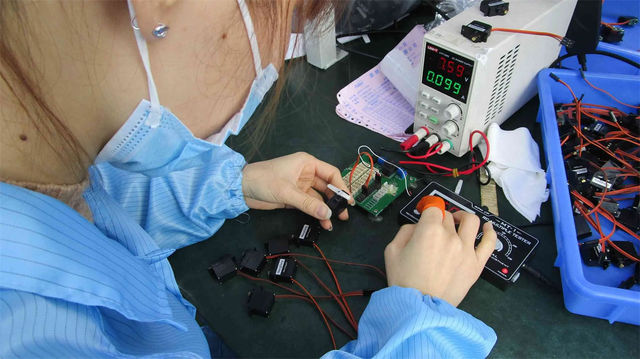
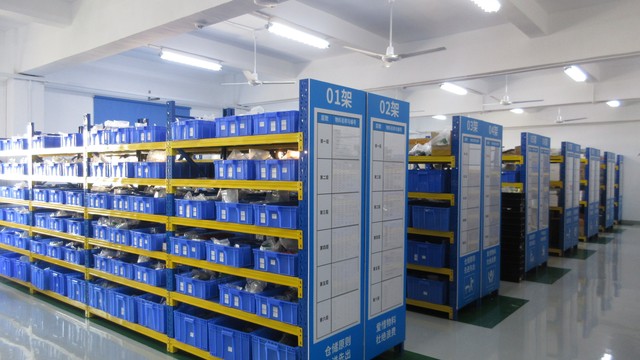
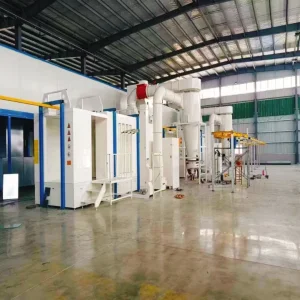
Operating from a modern production facility covering 28,000 square meters and supported by more than 300 employees, DCI Autos has developed comprehensive capabilities in engineering, manufacturing, testing, and international supply chain support. We utilize state-of-the-art automation lines for liquid-cold plate stamping, automated braze-welding, and comprehensive multi-axis sealing tests to guarantee structural integrity and leak-free lifetimes.
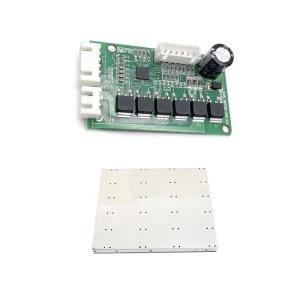
The company focuses on the development and production of battery systems, power electronics, electric drivetrain components, battery management systems (BMS), charging system components, thermal management solutions, high-voltage electrical assemblies, and integrated EV powertrain technologies. Its products are designed to support passenger vehicles, commercial electric vehicles, light-duty transportation platforms, and emerging mobility applications.
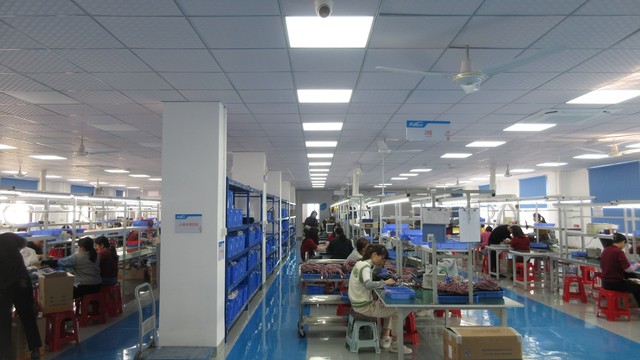
Streamlined procurement channels offering agile engineering customization matched with strict EU market compliance.
At DCI Autos, we recognize that off-the-shelf thermal management configurations rarely meet the exact space, weight, and electrical requirements of bespoke electric platforms or custom industrial installations. Our dedicated R&D division supports comprehensive hardware and software modifications.
Whether you need custom-shaped aluminum cooling plates for complex battery packs, unique mounting brackets for heavy commercial truck frames, or specific software interfaces to integrate with proprietary vehicle management systems, our team handles custom design cycles rapidly. We supply complete technical drawings, 3D CAD modeling, and simulated computational fluid dynamics (CFD) analysis within weeks of initial engagement.
Entering the Swedish industrial market means meeting rigorous safety, ecological, and grid-interface frameworks. DCI Autos products are certified to align with all crucial European guidelines:
Deep dive answers to common engineering questions regarding cooling, heating, and integration.
Complete selection of performance-engineered electric transit, utility ESS, and process heating systems.
 DCI Autos