Premium OEM/ODM manufacturing parts engineered for global automotive, commercial transport, and industrial platforms.
Analyzing key shifts in high-voltage powertrains, next-generation semiconductor integration, and battery ecosystems.
The global automotive sector is undergoing a fundamental transformation. Driven by stringent carbon emissions regulations, government incentives, and rapid improvements in energy density, automakers are shifting from internal combustion engines to comprehensive electrification platforms. At the center of this shift is the demand for highly integrated power electronics, efficient drivetrains, and robust energy management systems.
A key trend is the transition from 400V electrical architectures to 800V high-voltage systems. Silicon Carbide (SiC) MOSFETs are increasingly replacing traditional Silicon IGBTs, enabling faster switching frequencies, reduced thermal dissipation, and overall efficiency improvements in motor controllers and DC/DC converters. This technology helps reduce charging times and decrease battery package volumes, providing automotive OEMs with more flexibility in vehicle design.
Additionally, the industry is moving toward highly integrated 3-in-1 and 8-in-1 propulsion platforms. Integrating the motor, inverter, gearbox, on-board charger (OBC), and power distribution unit (PDU) into a single housing reduces weight and material costs, simplifying vehicle assembly. As global EV supply chains adapt to these changes, sourcing reliable, IATF-certified components from established manufacturing hubs remains essential for scaling up production.
High-voltage silicon carbide platforms enable faster charging speeds and improved thermal management across passenger and heavy commercial vehicles.
Combining the motor, controller, and transmission into a single housing helps reduce spatial constraints, reduce weight, and lower overall vehicle manufacturing costs.
Dynamic cell balancing and active thermal management software optimize battery performance, safety, and operational longevity.
Shenzhen DCI Autos Co., Ltd. is an established manufacturer specializing in electric vehicle components and advanced mobility technologies for the global automotive industry. Established in 2014, the company is headquartered in Shenzhen, Guangdong Province, a leading hub for innovation in electric transportation and intelligent manufacturing.
Operating from a modern production facility covering 28,000 square meters and supported by more than 300 employees, DCI Autos has built comprehensive capabilities in engineering, manufacturing, testing, and international supply chain support. The company focuses on the development and production of battery systems, power electronics, electric drivetrain components, battery management systems (BMS), charging system components, thermal management solutions, high-voltage electrical assemblies, and integrated EV powertrain technologies.
To meet the evolving requirements of the electric mobility sector, DCI Autos provides flexible OEM and ODM services, including customized component development, private-label manufacturing, system integration support, and application-specific engineering solutions. Its research and development team continuously explores innovations in electrification, energy management, lightweight design, and intelligent vehicle systems. DCI Autos serves customers across North America, Europe, Southeast Asia, the Middle East, South America, and other international markets.
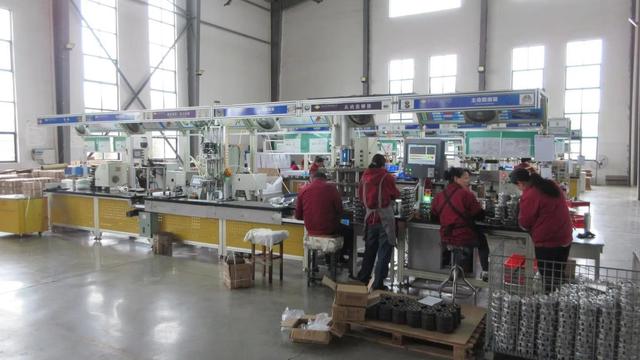
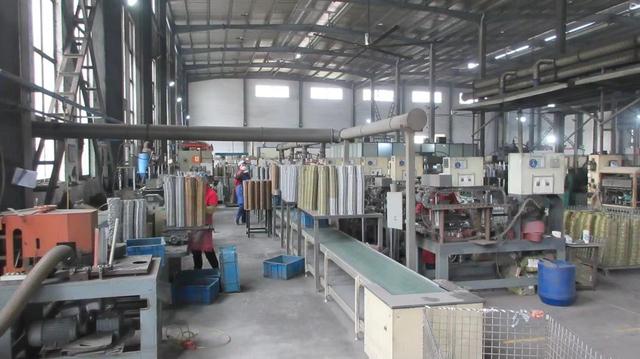
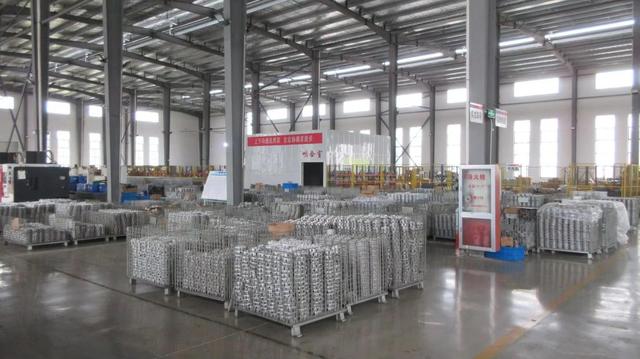
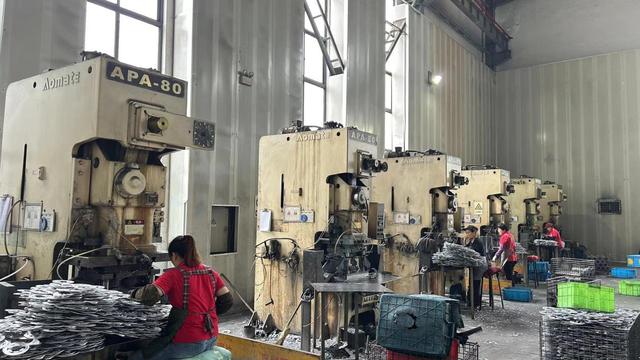

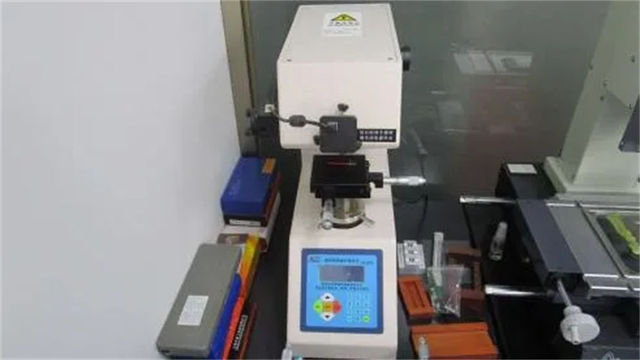
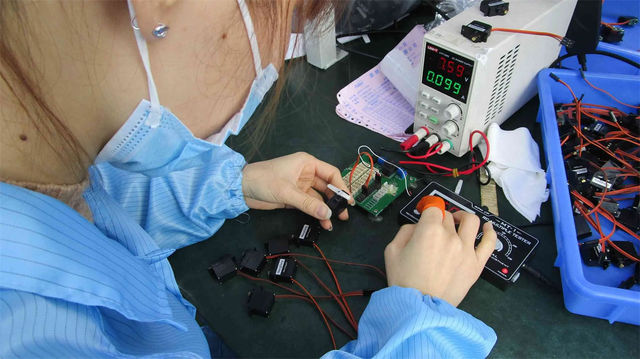
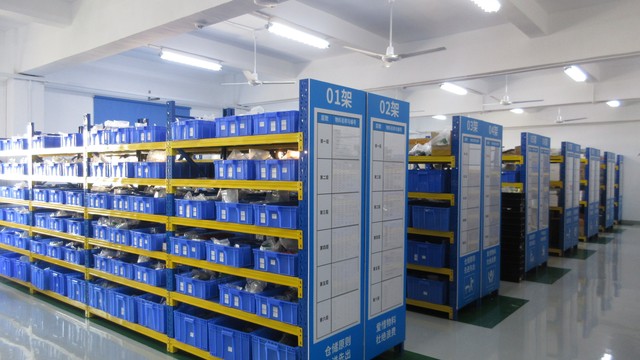
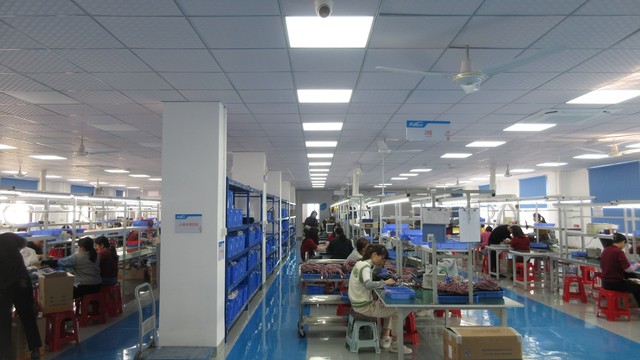
Leveraging automated manufacturing, rigorous quality control protocols, and robust logistics networks.
In the modern automotive industry, maintaining supply chain resilience is critical. China's vehicle electrification ecosystem has evolved beyond simple assembly services into a highly integrated network of material suppliers, hardware developers, and testing centers. This deep ecosystem allows factories like DCI Autos to optimize production costs, secure critical components, and quickly adapt to changing market requirements.
Operating from Shenzhen, DCI Autos utilizes local electronics manufacturing networks and access to automated supply systems. Our 28,000 square meter factory integrates precision CNC machining, SMT (Surface Mount Technology) assembly lines, and high-voltage testing infrastructure. This integration allows us to keep key design and production stages in-house, ensuring consistent quality and minimizing lead times during global supply chain disruptions.
Our quality control procedures are structured around international automotive guidelines, including IATF 16949 and ISO 9001 standards. Components undergo rigorous multi-stage testing, including automated optical inspections (AOI), high-voltage isolation checks, environmental thermal cycling, and end-of-line (EOL) functional validation. This focus on reliability ensures our components meet the performance and durability expectations of our global partners.
Strict adherence to IATF 16949 and ISO 9001 quality systems ensures consistent product reliability across all production batches.
Our testing facilities perform vibration, thermal shock, salt spray, and long-term durability assessments under simulated real-world conditions.
Our location in Shenzhen provides direct access to major international shipping ports and air transport hubs, facilitating efficient delivery to our clients.
Understanding procurement requirements for EV components across international markets.
Procuring components for electric vehicles requires careful evaluation of technical compatibility, safety certifications, and supplier capabilities. In North America and Europe, procurement teams prioritize compliance with international standards such as CE, UL, and RoHS, along with the supplier's ability to offer customization and technical support during integration.
A key focus is on safety and functional compliance. High-voltage hardware, including on-board chargers, motor controllers, and DC/DC converters, must be designed to mitigate risks from electrical faults, thermal runaways, and electromagnetic interference (EMI). Incorporating features like active protection circuits and robust EMI shielding helps ensure the safe operation of high-voltage systems.
Furthermore, the demand for custom engineering solutions (OEM/ODM) is growing. Tier-1 suppliers and EV startups often require custom component designs to fit specific vehicle layouts or meet precise power requirements. Shenzhen DCI Autos Co., Ltd. addresses this need by providing comprehensive engineering services, from initial prototyping and electrical schematic design to thermal simulation and manufacturing validation, helping clients integrate components into their vehicle platforms.
From commercial urban fleets to off-highway machinery, drone systems, and agricultural automation.
Electrification technologies are being adopted across a wide range of mobile and stationary industrial applications, each with unique performance and environmental requirements:
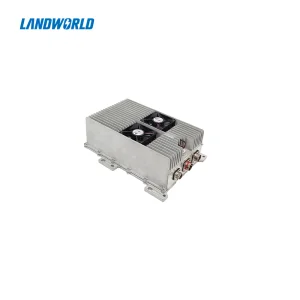
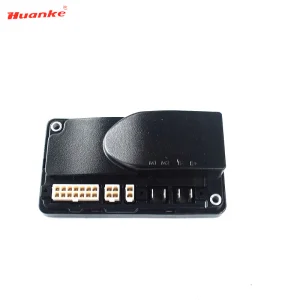
Delivery vans, transit buses, and urban utility vehicles require reliable thermal management and efficient motor control to withstand frequent stop-and-go cycles. Our IP65-rated motor controllers and high-voltage power converters are designed to support continuous fleet operations under various driving conditions.
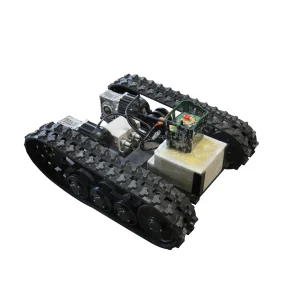
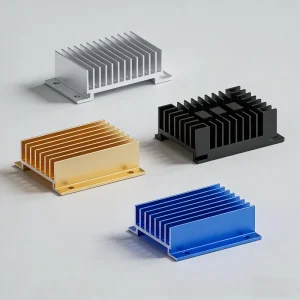
Excavators, track-mounted systems, and agricultural machinery operate in harsh, high-vibration, and dust-heavy environments. Using reinforced steel structural components, custom-milled aluminum heatsinks, and dustproof enclosures helps protect sensitive electronics from damage and premature wear.
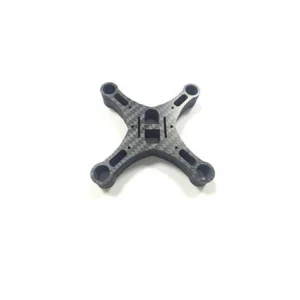
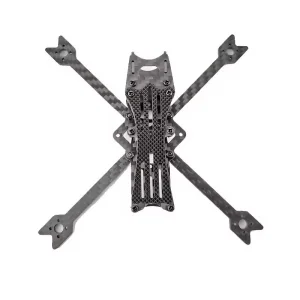
Modern UAVs and transport drones require high-strength, lightweight structural components to maximize flight times and payloads. Our custom CNC-milled 3K carbon fiber sheets and high-strength aluminum parts provide structural durability without adding excessive weight.
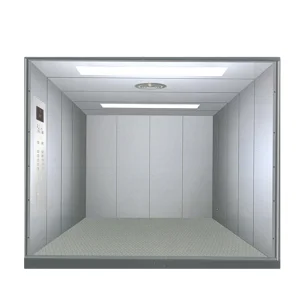
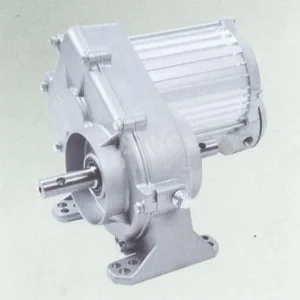
Irrigation equipment, cargo elevators, and material handling systems depend on reliable, long-term power delivery. Our range of heavy-duty gearboxes, motor controllers, and robust connectors are built to maintain operational reliability in demanding industrial settings.
Expert answers addressing the design, certification, and application of modern vehicle electrification systems.
We ensure compatibility by offering custom OEM/ODM development that conforms to global communication standards, including CAN bus, LIN bus, and Automotive Ethernet. Our engineering team works with client-provided space claim models, environmental specifications, and electrical parameters to design components that fit within defined physical envelopes and coordinate with existing vehicle control networks.
Our facilities operate under the IATF 16949:2016 quality management standard, which is the baseline requirement for global automotive supply chains. Our electronic and electrical components also comply with CE, RoHS, and UL safety requirements. Design validation protocols typically follow ISO 16750 standards for environmental testing of electrical and electronic equipment in road vehicles.
Yes. DCI Autos offers both OEM and ODM services, allowing us to customize electrical specifications, form factors, cooling systems (liquid-cooled or air-cooled), and connector placements for components like on-board chargers (OBC) and DC/DC converters. This customization ensures that high-voltage power distribution units align with the thermal and spatial limits of our clients' platforms.
Lead times depend on design complexity and order size. Standard, off-the-shelf components typically ship within 4 to 6 weeks. Customized or semi-customized orders requiring modified tooling, PCB design adjustments, or specific material sourcing generally require 8 to 12 weeks, which includes prototype validation, validation testing, and final quality control checks before shipment.
Thermal management is key to maintaining system reliability. We utilize 3D CFD thermal simulations to optimize the design of active liquid-cooling channels and CNC-milled aluminum heatsinks. Additionally, we use high-conductivity thermal interface materials (TIMs) and temperature sensors inside components like motor controllers and power converters, allowing real-time thermal monitoring to prevent overheating.
High-voltage components, including connectors and wiring systems, undergo a series of stress and safety tests. These include insulation resistance testing, dielectric withstand voltage tests, thermal cycling, and physical pull-force tests. These evaluations verify that the components maintain insulation integrity and electrical connectivity under thermal stress, mechanical vibration, and moisture exposure.
Explore our structural components, power delivery systems, and precision-engineered parts for EV platforms.

 DCI Autos