Frequently Asked Questions
How do I know what material or type my battery is?
Please check the battery body. If the normal voltage of your battery shows 3.2V, the battery is LiFePo4. If it shows 3.6V or 3.7V, it is a Li-ion or Li-polymer battery. You can also verify this with the battery manufacturer.
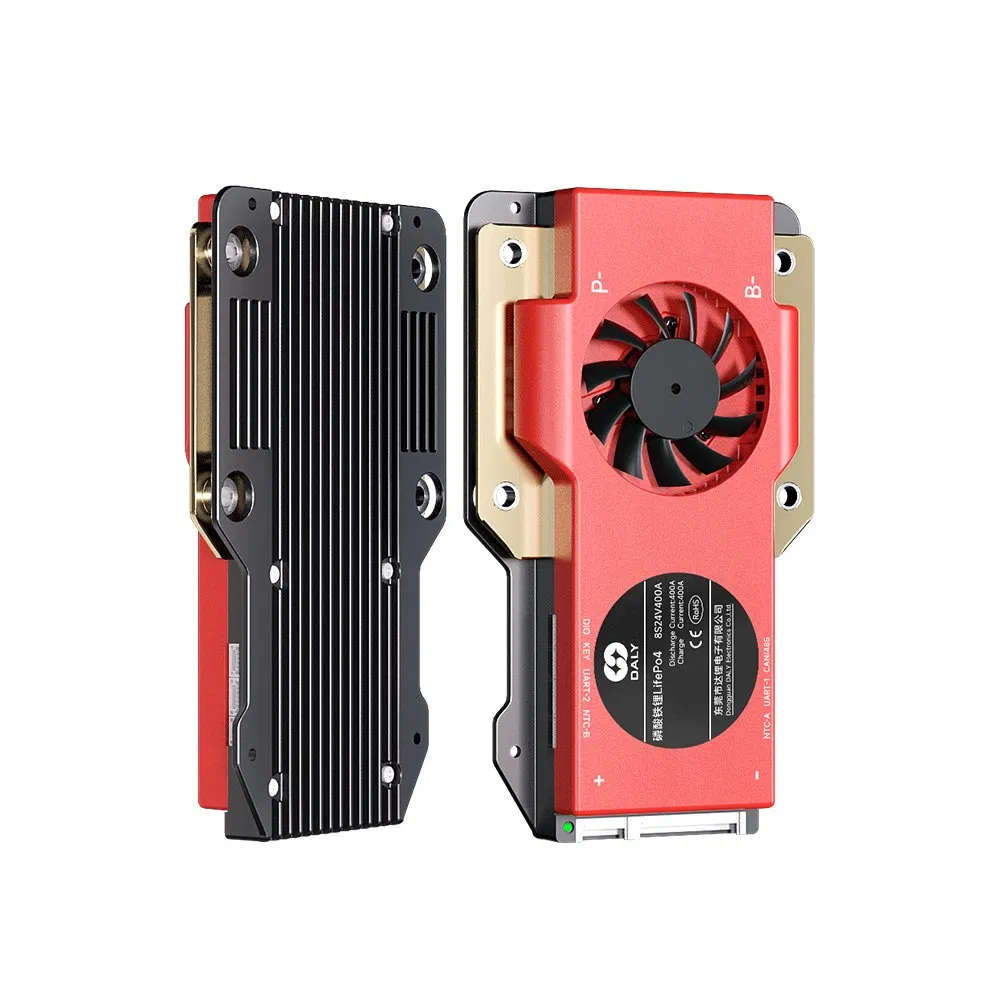
How do I choose the right BMS for my battery?
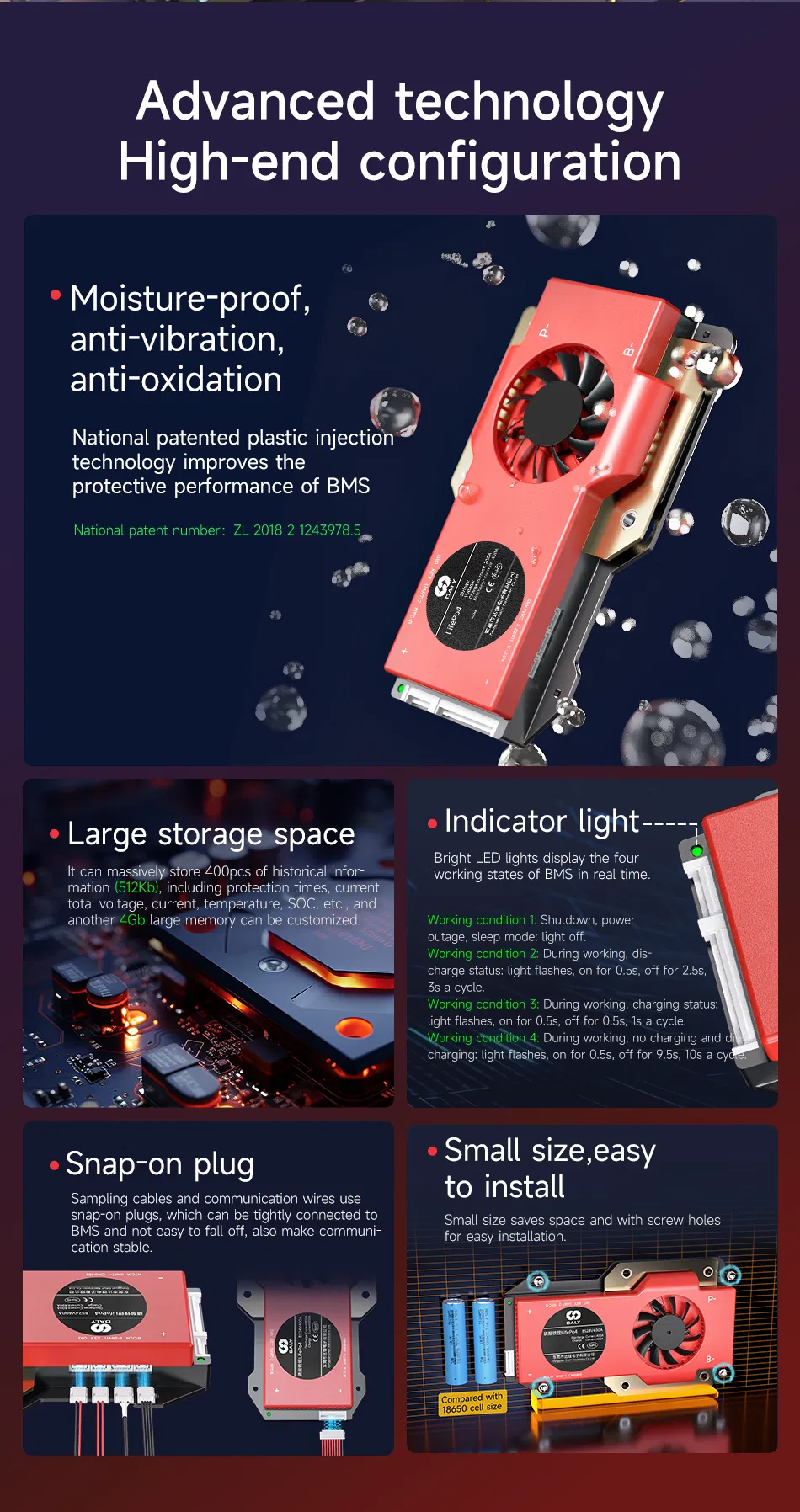
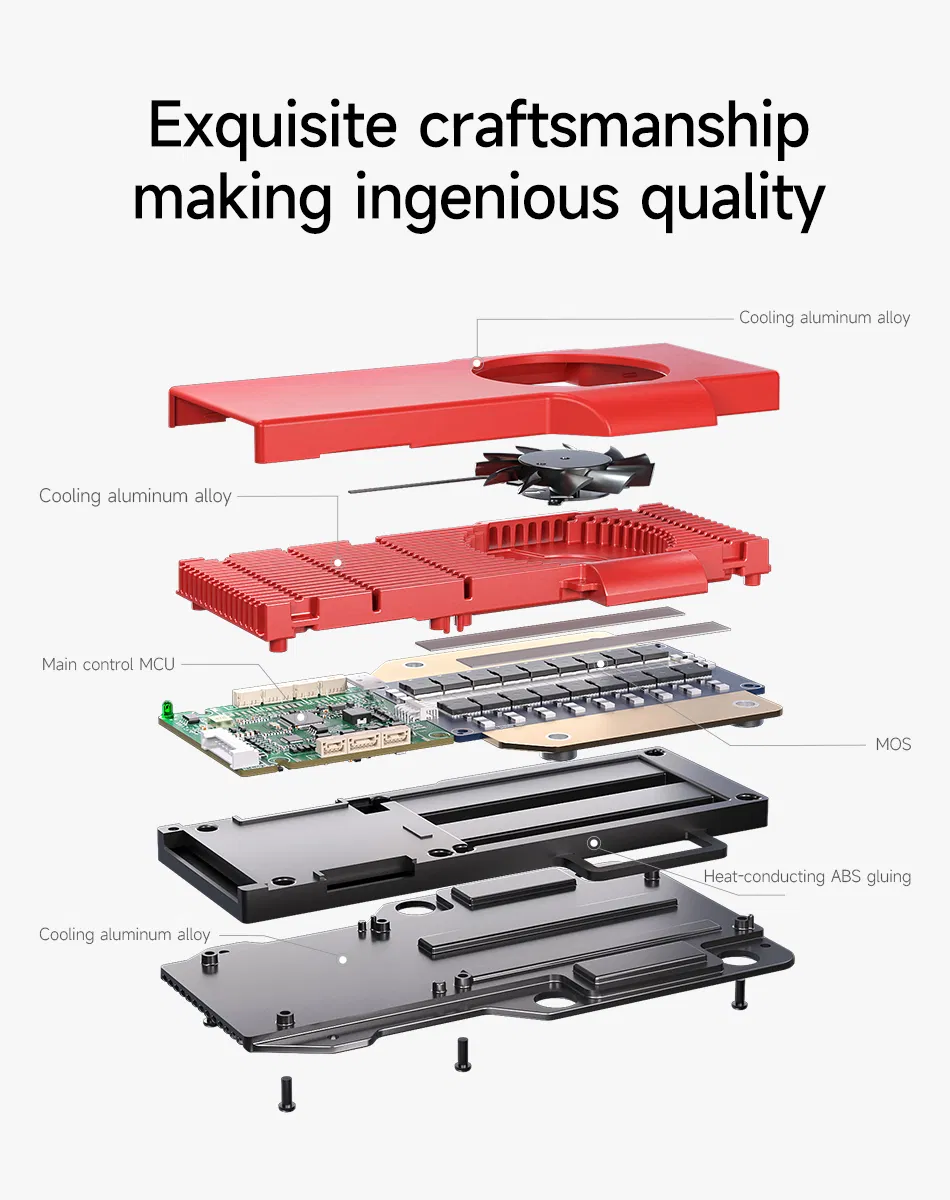
This depends on two points: 1. The number of series in your battery pack (the BMS must match the series count). 2. The battery material (LiFePo4 has different electric parameters than other lithium batteries).
What is the difference between Common port and Separate port?
Common port means charge and discharge cathodes use the same point (P-), so currents are the same. Separate port uses different points (C- for charge, P- for discharge), allowing for different charge and discharge current ratings.
What is the balance function and why is it needed?
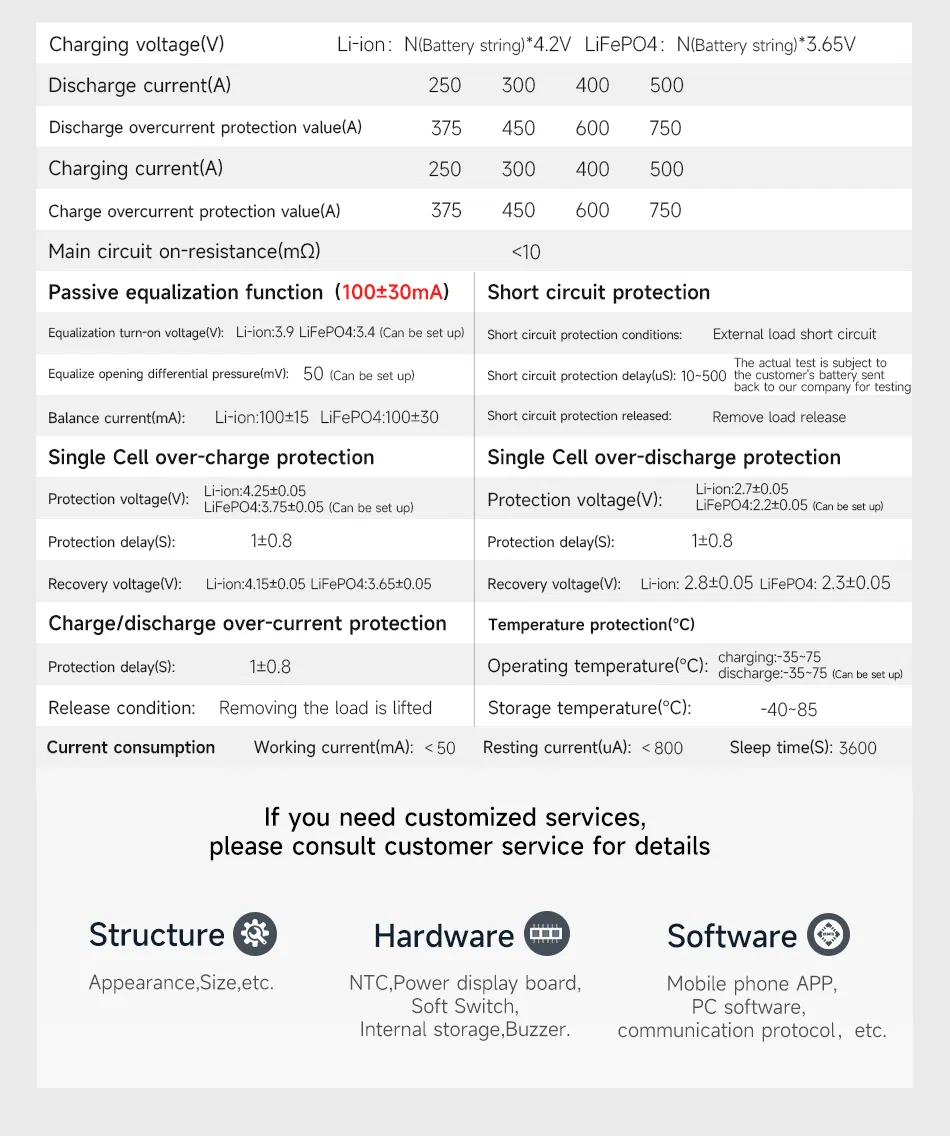
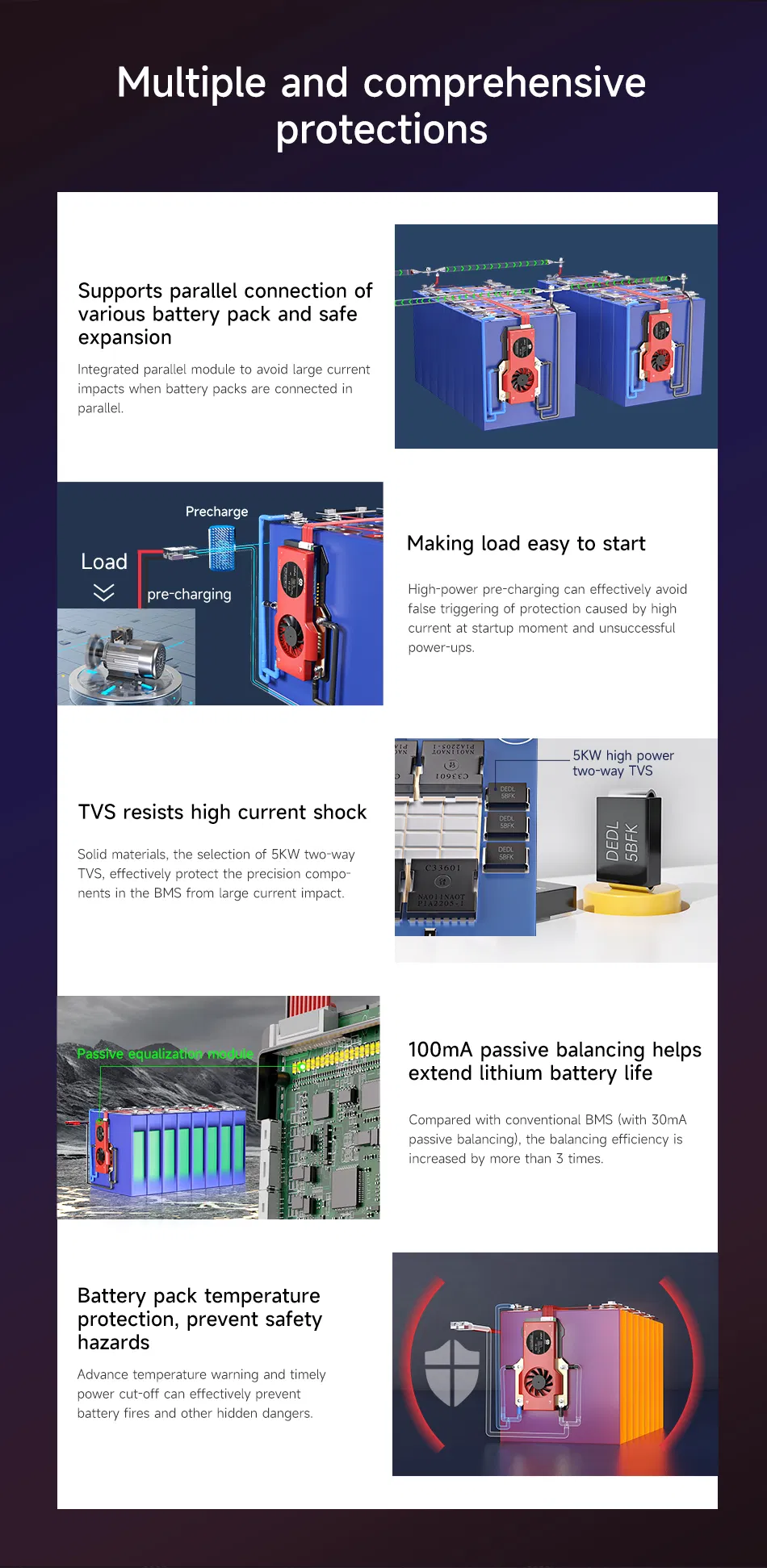
When one cell reaches its balance voltage (e.g., 3.6V for LiFePo4), the BMS starts discharging it at 35mA while allowing other cells to continue charging. This ensures all cells reach a balanced state for optimal battery performance.
Is there a relationship between battery capacity and BMS current?
There is no direct relationship. A larger capacity (Ah) doesn't automatically require a higher current BMS. The BMS current should be chosen based on the engine power or the controller's current limitation.
What type of charger should I use?
Lithium batteries require specific chargers. For LiFePo4, the voltage = number of strings x 3.6V. For Li-ion, the voltage = number of strings x 4.2V. Never use a lead-acid battery charger.
 DCI Autos