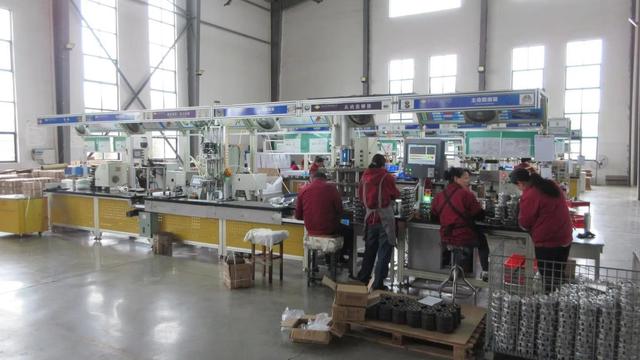
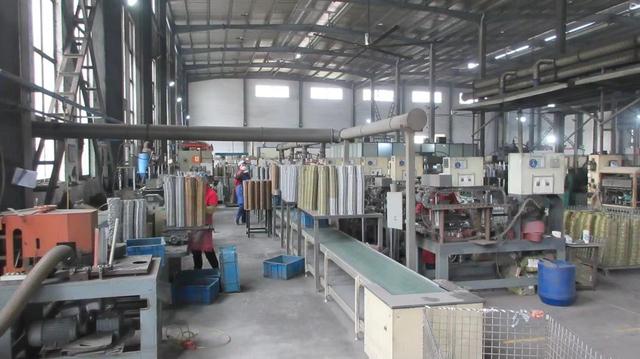
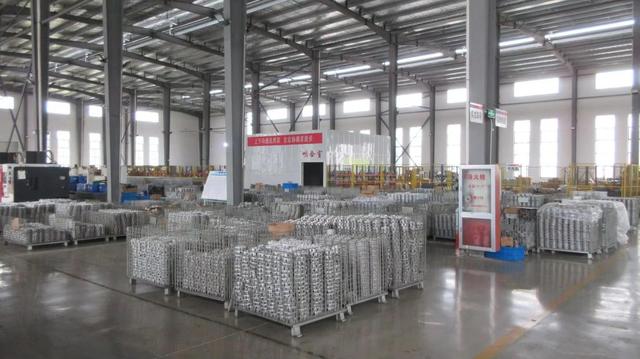
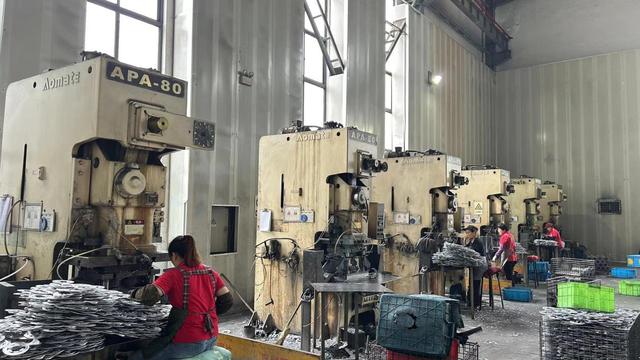
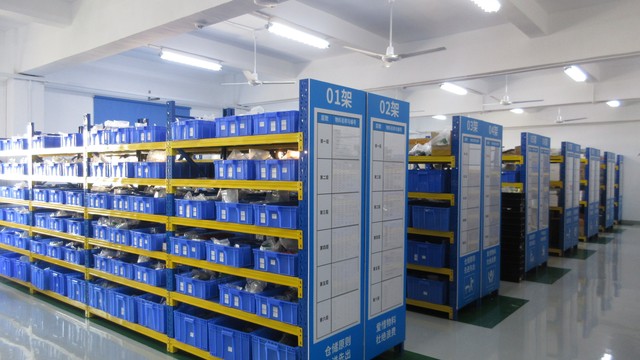
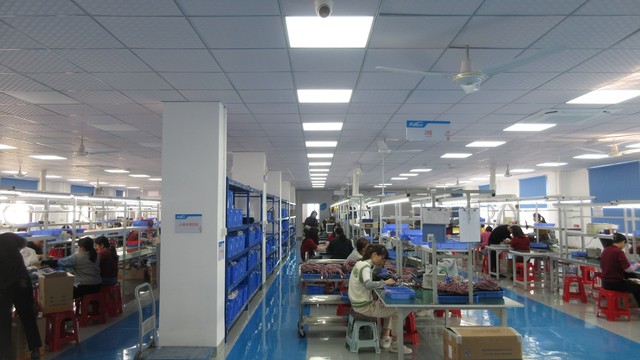
Shenzhen DCI Autos Co., Ltd. is a professional manufacturer specializing in electric vehicle components and advanced mobility technologies for the global automotive industry. Headquartered in Shenzhen, Guangdong Province, a leading global hub for innovation in electric transportation and intelligent manufacturing, DCI Autos has established a state-of-the-art production plant that spans across 28,000 square meters. Driven by our specialized workforce of more than 300 employees, DCI Autos integrates advanced manufacturing lines, high-precision automated systems, and testing laboratories to serve Tier-1 OEM/ODM clients worldwide.
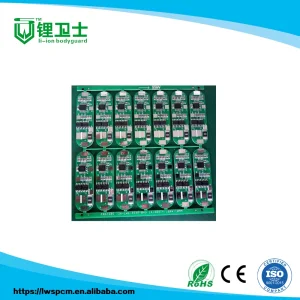
Our comprehensive capabilities address the design, manufacturing, validation, and optimization of battery systems, high-voltage power electronics, electric drivetrain systems, Battery Management Systems (BMS), charging controllers, high-voltage distribution assemblies (PDUs), and thermal management barriers. Through strict quality controls and innovative research, DCI Autos provides key solutions for passenger, commercial, and light-duty electric vehicle platforms globally.
The transition toward electric mobility requires safety systems that can handle high currents, severe thermal changes, and mechanical stress. Modern electric vehicle safety architectures have shifted from passive collision containment to active prevention and system-wide isolation. Key trends shaping electric vehicle components and system manufacturing include:
Integrating heat-resistant barriers (mica, engineered ceramics) with smart thermal routing to isolate battery cell failures and prevent system-wide propagation.
Use of High-Voltage Interlock Loops (HVIL) within wire harnesses to instantly cut off high-voltage lines in the event of an impact, servicing, or circuit fault.
Designing powertrain drives and BMS systems with redundant architectures, verifying functional safety at all system levels.
In addition, the shift to 800V architectures demands reliable dielectric insulation. High-voltage components must utilize custom silicone rubber, specialized technical ceramics (Al2O3), and heat-resistant composite enclosures to prevent electrical arcing and surface leakage currents, maintaining long-term reliability under severe road conditions.
Tier-1 automotive manufacturers and fleet operators have strict safety, quality, and supply standards. Procurement managers look for specific characteristics when qualifying factory suppliers:
| Component Group | Critical Safety Specification | Primary Material / Technology | Standards Met |
|---|---|---|---|
| High-Voltage Wire Harnesses | HVIL Integration, Ingress Protection, Dielectric Strength | Silicone Rubber / XLPE / PVC Insulations | ISO 19642, UL 94 V-0 |
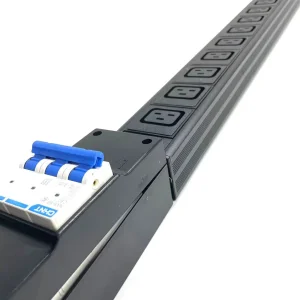
| Power Distribution Units (PDUs) | Overcurrent Protection, Short Circuit Sensing, Active Isolation | Mica Insulated Plates, CNC Aluminum Housings | IEC 60664-1, IP67 |
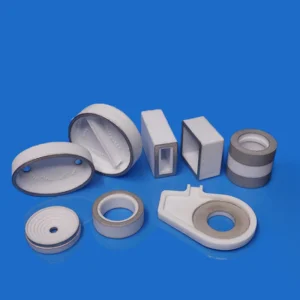
| Thermal Isolation Barriers | Thermal Runaway Isolation, Structural Stability | Alumina Ceramics (Al2O3), High-Density Mica Sheets | UL 94 V-0, High Dielectric strength |
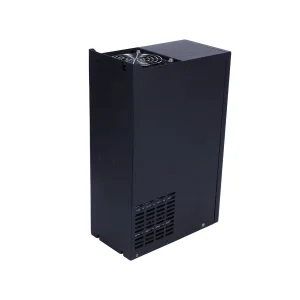
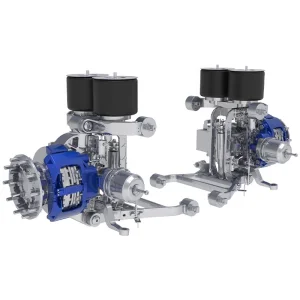
| EV Drivetrains & Motor Drives | Vector Control (FOC), Instant Torque Discharge, Dynamic Braking | Low-loss IGBT/SiC, Integrated Protection Circuits | ISO 26262 ASIL-C/D, IP65 |
Shenzhen DCI Autos Co., Ltd. develops integrated safety components and structures. Our facilities supply the automotive sector with modular solutions designed to interface with modern EV platforms:
Combining customized silicone-insulated harnesses, high-voltage power distribution units (PDUs), and solid-state isolation barriers to protect subsystems from electrical leakage and voltage surges.
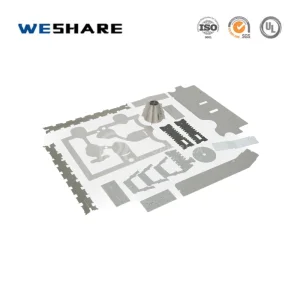
Manufacturing lightweight carbon fiber structural plates, high-grade alumina (Al2O3) ceramic components, and specialized mica shields to insulate pack partitions and delay thermal runaway propagation.
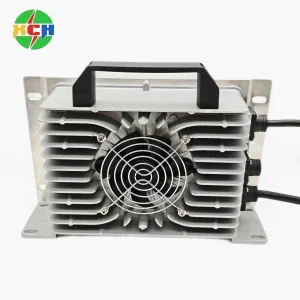
Compact motor drives and smart BMS platforms equipped with overcurrent safety switches, dynamic thermal throttling, and fast relay controls to manage energy safely during high load demands.
Shenzhen DCI Autos Co., Ltd. operates with a strong commitment to quality and regulatory compliance, ensuring that all automotive products satisfy international certification standards:
As vehicle platforms transition to 800V-1000V operational ranges, our R&D roadmap focuses on key advancements to meet future high-performance requirements:
To reduce switching losses and thermal generation, we are integrating Silicon Carbide (SiC) semiconductors into our motor drive platforms. This improves powertrain efficiency while reducing thermal cooling requirements, lowering overall vehicle weight.
In preparation for solid-state battery technology, we are developing thin-profile alumina ceramic structural components and high-pressure mica spacers. These materials are engineered to maintain safety under high clamping pressures and high operating temperatures.
Future BMS systems will feature edge-computing microcontrollers to monitor battery cell impedance changes. By identifying internal micro-shorts early, the system can alert vehicle controls to isolate potential issues before thermal propagation occurs.
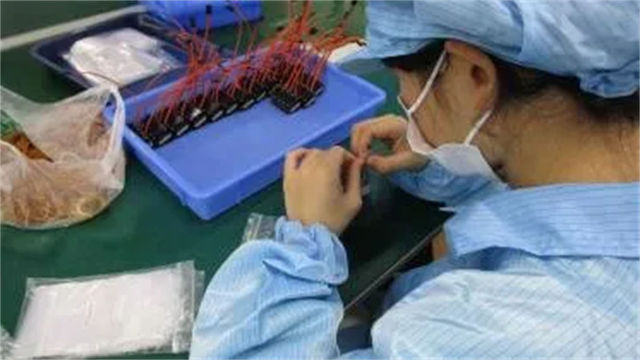
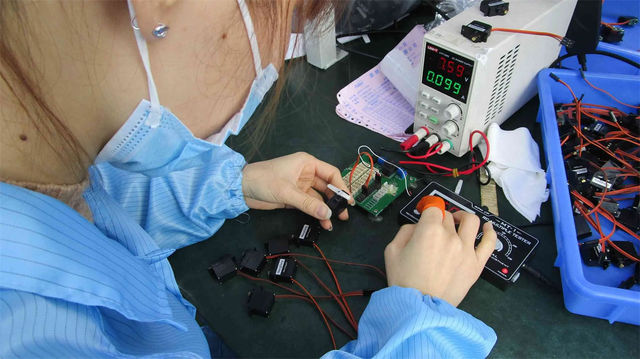
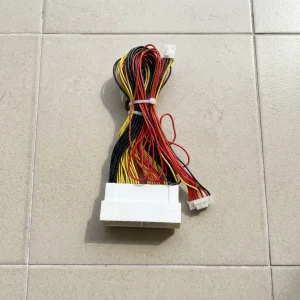
We design our high-voltage wiring harnesses with double-layered silicone rubber insulations and custom-milled alumina (Al2O3) ceramic spacers. These materials provide high dielectric strength (exceeding 20 kV/mm) and resist mechanical wear, preventing high-voltage arcing or leakage currents.
The HVIL functions as a safety loop that monitors high-voltage connections throughout the vehicle. If a terminal disconnects during vehicle servicing or a collision, the loop breaks instantly, signaling the BMS to open the main contactors and discharge high-voltage lines within milliseconds.
Yes. We offer OEM and ODM services, utilizing CAD/CAM modeling, rapid prototyping, and automated production. We can customize high-voltage power distribution units (PDUs), battery casings, wire routing, and motor drives to meet the space and electrical constraints of your vehicle design.
Our BMS platforms feature multi-point thermal monitoring and overcurrent protection. If a cell exhibits abnormal temperatures, the system adjusts power output, isolates the affected module, and alerts the vehicle's thermal control unit to prevent thermal propagation.
Our manufacturing facilities operate under IATF 16949 certification. Our safety components satisfy global regulations, including ECE R100 (high-voltage safety), CE, RoHS, and undergo environmental testing to verify IP67 or IP69K ingress protection.
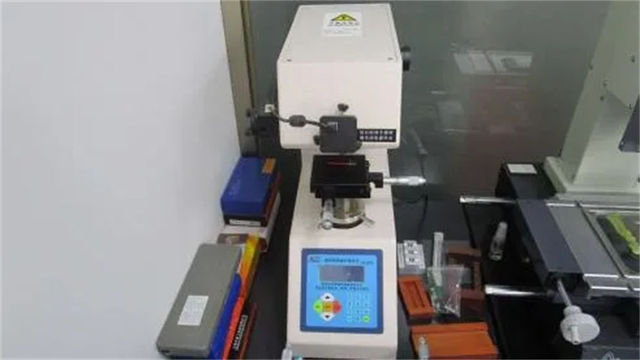
We perform environmental validation testing in our laboratories, including thermal shock cycling (-40°C to +125°C), high-frequency vibration testing, salt-spray corrosion resistance, and high-voltage insulation tests, ensuring performance over the vehicle's lifespan.
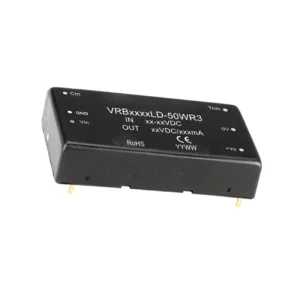

 DCI Autos