Established in 2014, Shenzhen DCI Autos Co., Ltd. has grown to become a cornerstone of innovative design, custom engineering, and international supply for advanced electric vehicle (EV) components and industrial motion systems. Centered in Shenzhen, Guangdong Province—the world's most dynamic capital for intelligent vehicle hardware and high-tech manufacturing ecosystems—DCI Autos bridges the gap between complex engineering concepts and high-volume, automotive-grade execution.
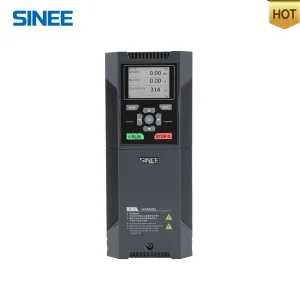
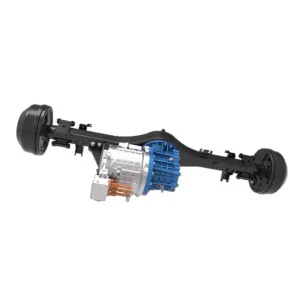
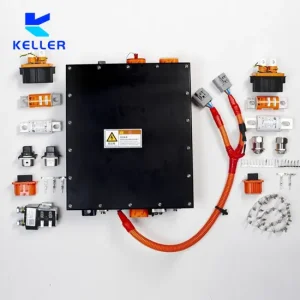
Operating from a state-of-the-art 28,000 square meter facility and supported by a diverse workforce of more than 300 technical experts and operators, DCI Autos has integrated horizontal R&D with vertical manufacturing structures. Our production capability encompasses high-voltage battery management systems (BMS), high-efficiency permanent magnet synchronous motor (PMSM) drivetrains, intelligent variable frequency drives (VFDs), power distribution units (PDUs), and precision-engineered chassis suspension systems. By combining advanced CNC manufacturing with customized OEM/ODM methodologies, we empower global tier-1 suppliers and EV OEMs to scale their next-generation mobility pipelines.
Industrial and automotive actuation systems are moving beyond basic mechanical conversion. The convergence of software-defined architectures and high-voltage power networks has elevated electric actuators into highly integrated, smart subsystems. At DCI Autos, our technological development roadmap addresses the critical engineering challenges of efficiency, structural mass reduction, high-precision control, and prognostic diagnostics.
We are incorporating high-resolution magnetic absolute encoders and Hall-effect arrays directly onto the rotor shafts of our brushless actuator units. This enables closed-loop real-time feedback with sub-millimeter angular accuracy, eliminating the need for bulky external sensor suites.
Next-generation electric actuators must interface dynamically with vehicle electronic control units (ECUs). Our current roadmap prioritizes native support for high-speed Controller Area Network Flexible Data-Rate (CAN FD) and Local Interconnect Network (LIN) protocols, securing seamless integration into advanced automotive safety networks.
By transitioning the built-in control modules of our high-voltage actuators from traditional Silicon MOSFETs to Silicon Carbide (SiC) and Gallium Nitride (GaN) technologies, we dramatically lower thermal energy loss, enabling reliable operation in ambient environments exceeding 120°C.
R&D Director's Note on Weight Optimization: "Through multi-physics structural optimization and the application of high-pressure die-cast magnesium alloys alongside carbon-fiber reinforced composite housings, we have successfully reduced the overall weight of our actuator units by 28% without sacrificing torsional rigidity."
Our custom OEM electric actuator architectures serve as critical components across multiple high-demand industrial verticals. Rather than offering a one-size-fits-all product catalog, DCI Autos develops tailored variants designed for the specific physical demands, duty cycles, and environmental exposures of each sector.
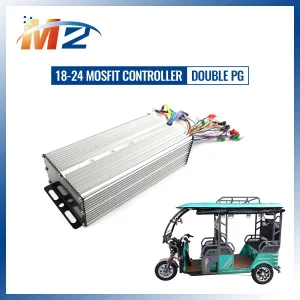
In heavy-duty applications like light electric trucks (4.5T to 6T class), our PMSM motor controllers work alongside electronic braking actuators (EM Brake modules) to capture kinetic energy through regenerative braking. DCI Autos provides the integrated power electronics required to handle highly fluctuating load profiles.
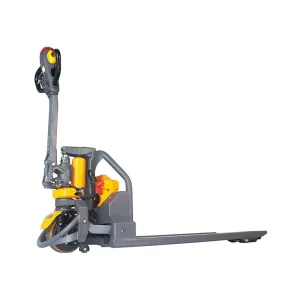
This ensures that material handling equipment, such as electric pallet trucks and heavy automated guided vehicles (AGVs), achieve reliable, precise positional tracking while recovering energy that would otherwise be lost as heat.
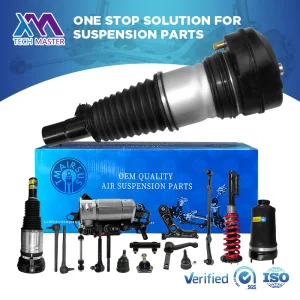
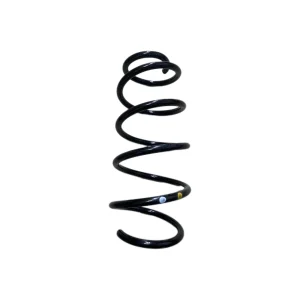
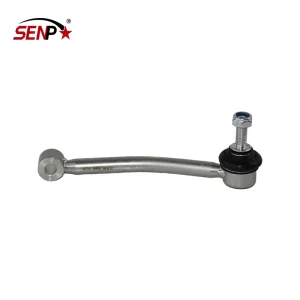
Modern passenger vehicles require rapid mechanical response times to changing road profiles. Through our dedicated suspension component lines—specifically designed for platforms such as the Zeekr 001 and BYD Song Plus—we deliver dampers and OEM-quality stabilizers engineered to handle high axial forces.
Our active ride control components process sensor data in milliseconds to dynamically adjust fluid damping valves. This technology maintains vehicle stability during high-speed maneuvers while protecting sensitive battery packs from low-frequency road vibrations.
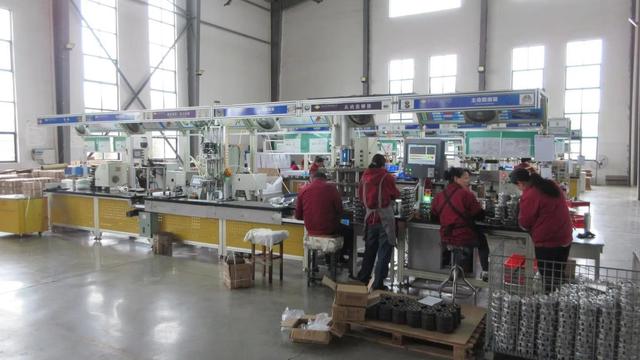
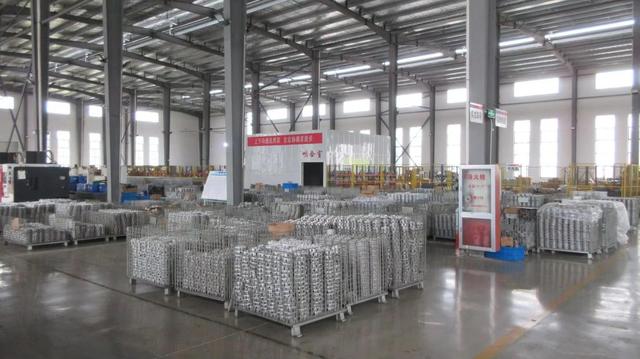
DCI Autos operates at the intersection of modern robotics and data-driven manufacturing. Our 28,000 square meter Shenzhen facility is designed around Industry 4.0 principles, ensuring that custom tooling, precision CNC machining, and automated assembly are linked within a single digital quality management system. This configuration reduces lead times for complex custom OEM actuator designs from months to weeks.
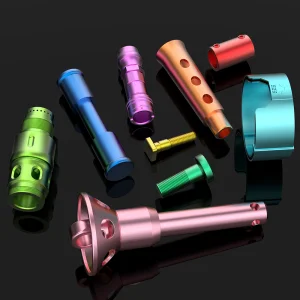
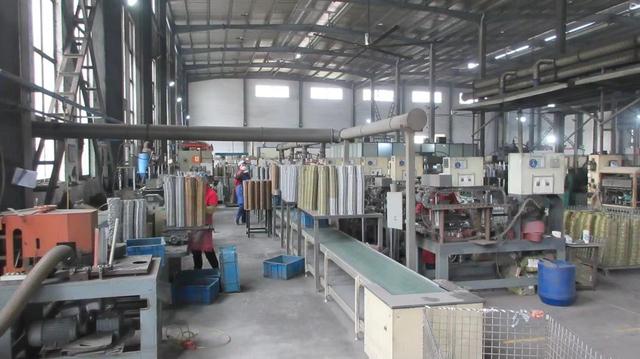
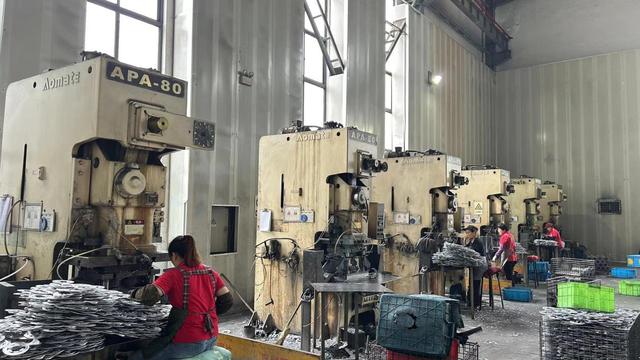
Our integrated CNC metalworking departments utilize high-speed multi-axis tooling to machine complex aluminum and brass components. Post-machining lines provide precise anodizing, electroplating, and chemical passivation. This control over surface finishing guarantees that exterior-mounted actuators stand up to harsh environmental exposure, including salt spray and corrosive chemicals.
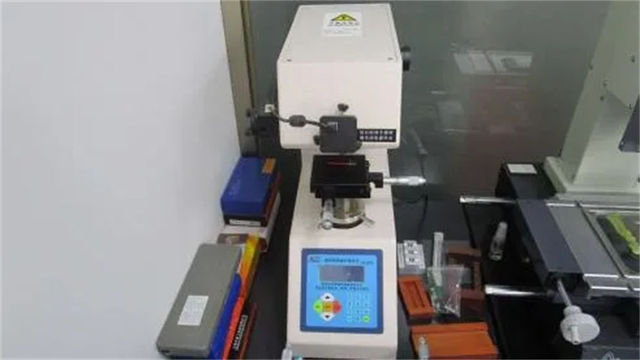
Our Quality Assurance labs are equipped with Coordinate Measuring Machines (CMM), spectroscopic material analyzers, and high-frequency vibration tables. Every custom production batch undergoes testing for environmental endurance, insulation resistance, and electromagnetic compatibility (EMC) to ensure strict adherence to international automotive standards.
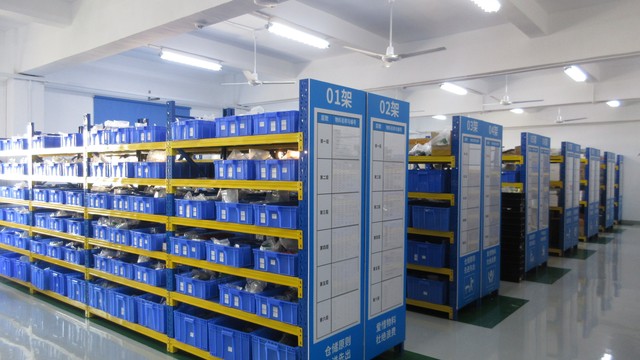
Operating in the heart of Shenzhen allows DCI Autos to maintain direct partnerships with key silicon, copper, and rare-earth magnet suppliers. This localized ecosystem insulates our production schedules from global material logistics bottlenecks, securing stable pricing and predictable delivery timelines for our export partners.


Exporting high-voltage electronics and precision safety components to North America, the European Union, Southeast Asia, and the Middle East requires strict adherence to international regulatory frameworks. DCI Autos products are certified under a comprehensive suite of standards, ensuring smooth customs processing and rapid approval by local regulators.
| Region | Certification | Scope |
|---|---|---|
| North America | UL / SAE Standards | EV Charger / BMS Safety |
| European Union | CE / RoHS / REACH | Environmental & Safety |
| Global Automotive | IATF 16949 / ISO 9001 | Quality Management |
To support global procurement directors, DCI Autos has structured a step-by-step engineering integration model. This collaborative design process guarantees that custom actuators, drivetrains, and electronics match your system specifications prior to volume production.
Our engineering team reviews your dynamic load requirements, packaging constraints, and communication interfaces. We then generate 3D CAD models and perform Finite Element Analysis (FEA) to confirm mechanical and thermal reliability.
Using 3D printing and precise multi-axis CNC machines, we build functional prototypes within 14 working days. These prototypes undergo physical validation testing on our dynamometer rigs to confirm speed, torque, and efficiency targets.
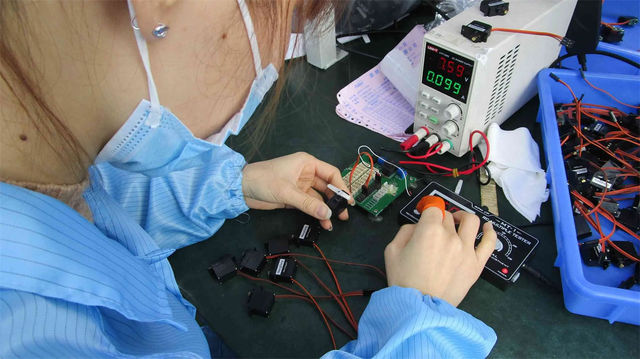
Once prototypes are approved, we configure dedicated tooling and programming steps for automated assembly. Each unit is individually calibrated, and testing records are stored to guarantee long-term field traceability.
We primarily use Brushless DC (BLDC) motors and Permanent Magnet Synchronous Motors (PMSM) for our electric actuators. These technologies eliminate brush wear, resulting in a typical service life exceeding 1,000,000 cycles. Additionally, they offer higher power density and better thermal dissipation than brushed DC motors, making them suitable for continuous-duty and safety-critical applications.
Our actuators are sealed using engineered elastomeric gaskets, radial shaft seals, and potted electrical conduits to achieve ingress protection ratings up to IP67 and IP69K. This ensures reliable operation under high-pressure hot water spray downs, complete temporary submersion, and exposure to airborne abrasive particles.
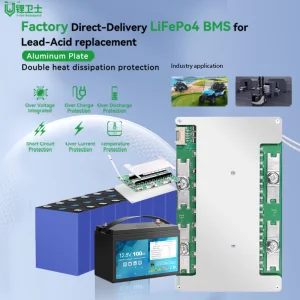
Yes, our Battery Management Systems (BMS) are highly programmable. They support battery chemistry profiles including LiFePO4, NMC, and LTO, and can monitor configurations ranging from 4S to high-voltage arrays. The system monitors cell balance, overcurrent, and temperature parameters, communicating with the vehicle powertrain via standard CAN bus protocols.
High-voltage drivetrains generate electromagnetic emissions that can interfere with low-voltage vehicle electronics. We design our enclosures with high-dielectric aluminum casting, use double-shielded twisted-pair wiring, and integrate internal EMC filters into our motor controllers. This allows our products to meet UNECE R10 and CISPR 25 standards.

 DCI Autos