The pursuit of Energy Density Optimization is no longer just a technical challenge; it is a global economic imperative. As the world shifts toward net-zero emissions, the demand for high-capacity power systems—ranging from light electric motorcycles to massive marine energy storage—has skyrocketed. Wholesalers and manufacturers in China are currently at the epicenter of this transformation, providing the scale and technical precision required to meet international benchmarks.
The global EV battery market is projected to reach over $250 billion by 2030. Optimization in "specific energy" (Wh/kg) allows manufacturers to reduce vehicle weight, increasing range without increasing the physical footprint of the battery pack.
Integration of Silicon-carbon anodes, High-Nickel cathodes, and Solid-State electrolytes are the current frontiers. Our manufacturing processes focus on these high-energy-density chemistries to maximize output.
Energy density isn't just about power—it's about efficiency. Higher density means fewer raw materials used per kilowatt-hour, aligning with global circular economy goals and reducing the carbon footprint of production.
For international Tier-1 suppliers and OEMs, sourcing from a China Wholesale Manufacturer requires more than just a price point—it requires a partner who understands Technical Compliance and Supply Chain Resilience. Modern procurement teams are now focusing on the following core criteria:
To achieve the next generation of energy density, manufacturers are moving through a multi-phase technical roadmap. As a leading manufacturer, we are integrating these innovations into our wholesale product lines:
Transitioning from LFP (Lithium Iron Phosphate) to High-Nickel NCM and Silicon-Anode technologies. This increases the theoretical capacity at the molecular level, allowing for more compact battery assemblies.
Eliminating module housings to reduce "dead weight." By integrating cells directly into the pack, volumetric energy density increases by up to 20%, significantly benefiting EV range.
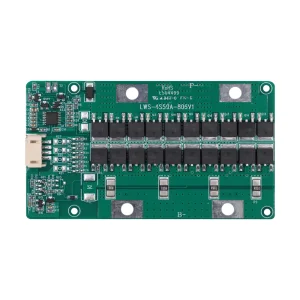
Utilizing Smart BMS (like our 4s 100A systems) to optimize discharge curves. Intelligent algorithms prevent over-discharge and manage heat, allowing the battery to operate closer to its physical limits safely.
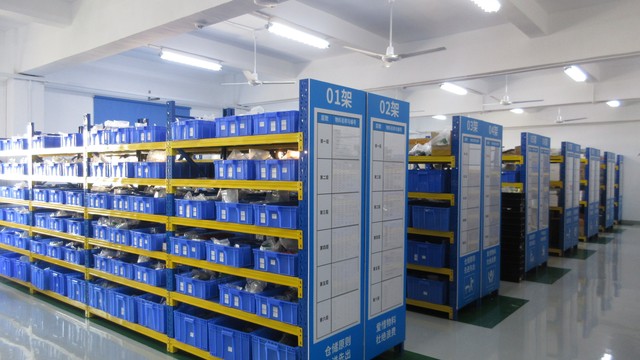
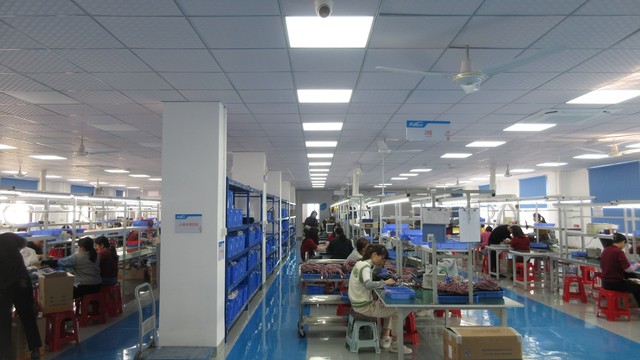
Shenzhen DCI Autos Co., Ltd. is a professional manufacturer specializing in electric vehicle components and advanced mobility technologies for the global automotive industry. Established in 2014, the company is headquartered in Shenzhen, Guangdong Province, a leading center for innovation in electric transportation and intelligent manufacturing. Operating from a modern production facility covering 28,000 square meters and supported by more than 300 employees, DCI Autos has developed comprehensive capabilities in engineering, manufacturing, testing, and international supply chain support.
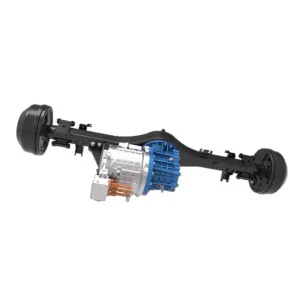
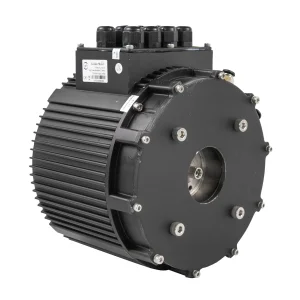
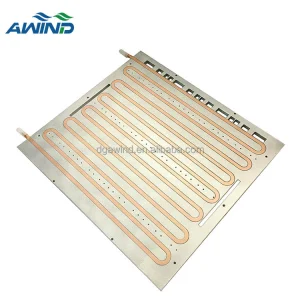
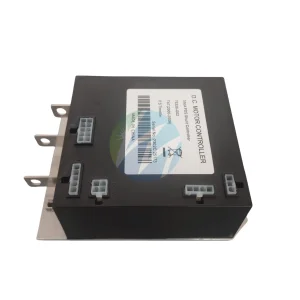
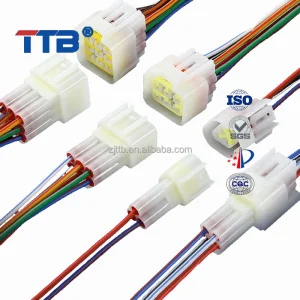
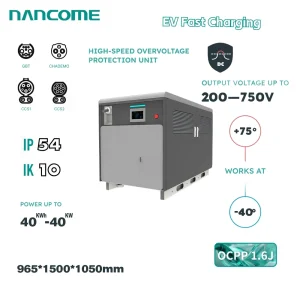
The company focuses on the development and production of battery systems, power electronics, electric drivetrain components, battery management systems (BMS), charging system components, thermal management solutions, high-voltage electrical assemblies, and integrated EV powertrain technologies. Its products are designed to support passenger vehicles, commercial electric vehicles, light-duty transportation platforms, and emerging mobility applications.
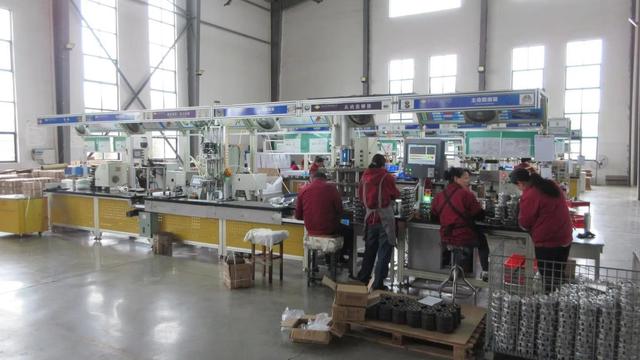
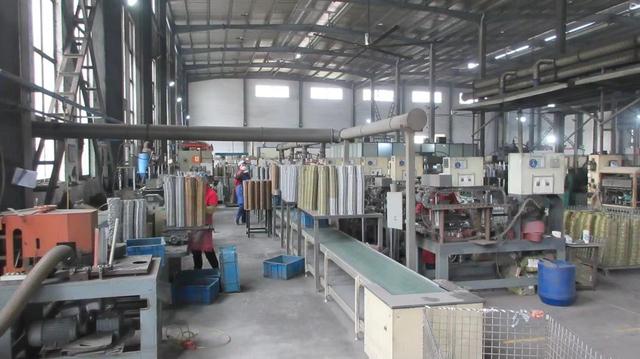
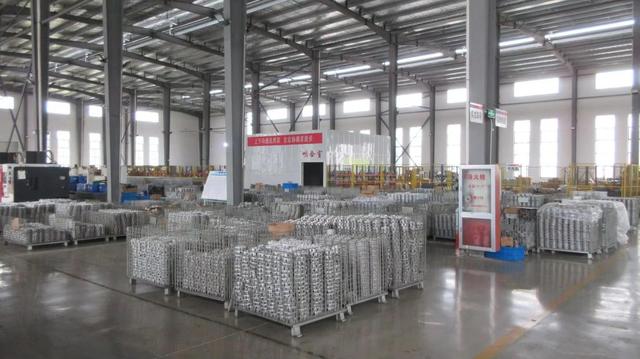
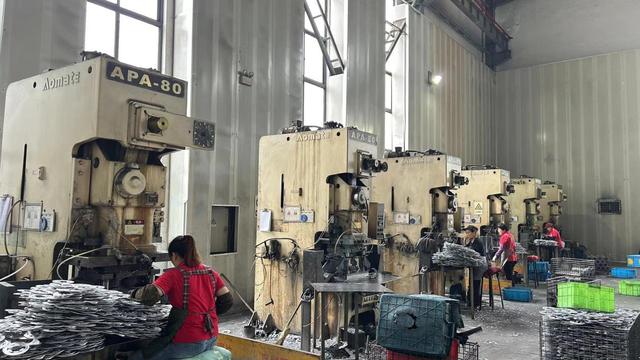
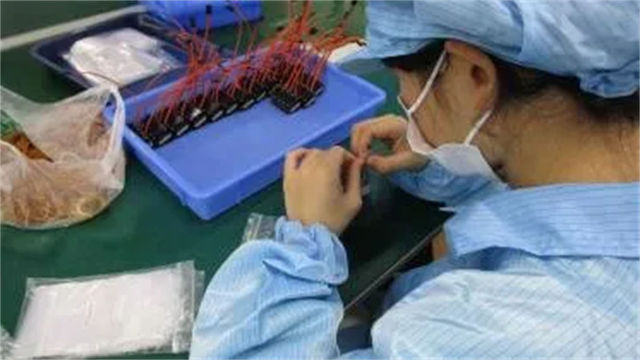
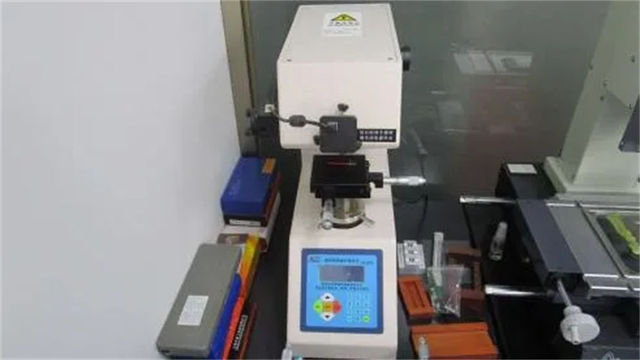
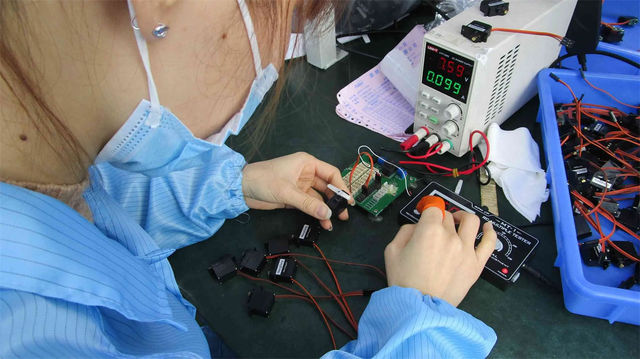
DCI Autos combines advanced manufacturing technologies, automated production equipment, and rigorous quality control procedures to ensure product reliability, efficiency, and long-term operational performance. The company operates dedicated engineering laboratories and testing facilities where products undergo extensive validation, environmental testing, and performance verification throughout the development and manufacturing process.
To meet the evolving requirements of the electric mobility sector, DCI Autos provides flexible OEM and ODM services, including customized component development, private-label manufacturing, system integration support, and application-specific engineering solutions. Its research and development team continuously explores innovations in electrification, energy management, lightweight design, and intelligent vehicle systems.
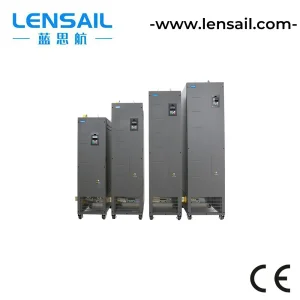
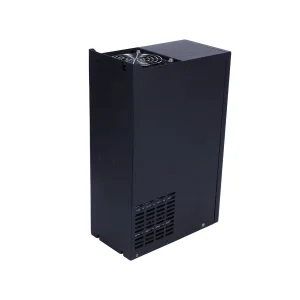
Full CE and RoHS compliance for motor drives and chargers, ensuring seamless integration into European power grids (220V/380V/415V).
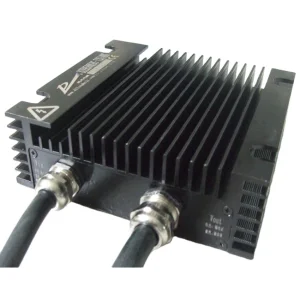
Components meeting UL safety standards for battery management systems and on-board DC-DC converters (300V to 14V).
Cost-optimized solutions for 2-wheelers and 3-wheelers (AGVs, Pallet Trucks) with localized technical support in Southeast Asia and the Middle East.
Expert Insight: Today, Shenzhen DCI Autos Co., Ltd. serves customers across North America, Europe, Southeast Asia, the Middle East, South America, and other international markets. Through continuous innovation, precision manufacturing, and customer-focused collaboration, the company remains committed to supporting the global transition toward sustainable transportation and next-generation electric mobility technologies.
 DCI Autos