Discover our core lineup of energy-recovery systems engineered to support high-performance operations across Busan's smart transport grids, maritime shipping networks, and state-of-the-art building infrastructure.
As South Korea’s leading port city and a critical economic hub, Busan is undergoing an ambitious green industrial transition. In alignment with South Korea's national net-zero target and the "Busan Green Smart City" vision, the metropolitan area is pushing for massive electrification across its maritime shipping, transit networks, and heavy manufacturing clusters. Regenerative braking technology—once a niche energy conservation tool—has now become a standard regulatory and engineering mandate for modern operations.
The geographic characteristics of Busan, defined by steep mountainous terrain transitioning directly into high-density urban shores, present unique mechanical challenges. Heavy-rail transit, commercial container handling cranes at the Busan New Port, and high-rise vertical transport networks in Haeundae require braking components that can handle intense, repetitive energy dissipation. Rather than wasting this deceleration energy as heat, our advanced regenerative braking components capture up to 35% of kinetic energy, returning it directly to local grids or battery storage systems.
By establishing direct supply corridors to Busan's industrial districts, Shenzhen DCI Autos Co., Ltd. provides local system integrators with direct factory pricing, rapid customized engineering (OEM/ODM), and robust, high-durability hardware. Our thermal management expertise ensures that even during high-duty-cycle port container transfers, our systems run cool, safe, and highly efficient.
Modern industrial energy efficiency cannot rely on standard mechanical friction systems alone. To protect machinery, reduce carbon footprints, and minimize maintenance-induced downtime, Busan’s core industrial sectors require specialized energy feedback systems.
Busan Port, handling millions of TEUs annually, utilizes Rubber-Tired Gantry (RTG) cranes and Rail-Mounted Gantry (RMG) cranes. When lowering massive containers, these cranes generate immense kinetic energy. Our heavy-duty regenerative resistors and dynamic braking packages divert this energy into localized supercapacitor arrays or back into the main terminal grid. This drastically cuts peak electricity demand charges for terminal operators and minimizes thermal wear on brake calipers.
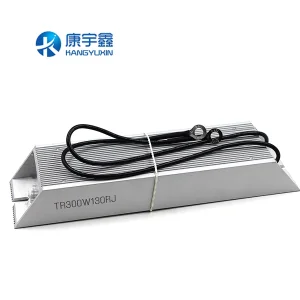
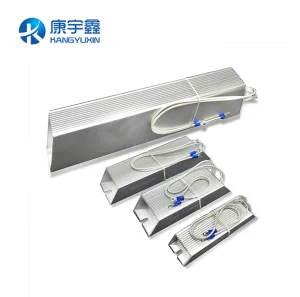
The Busan Metro network operates under heavy passenger loads and frequent stop-and-go intervals. Implementing our high-capacity regenerative traction resistors assists in deceleration control while capturing electricity that can be re-routed to power station utilities, lighting, and ventilation systems. Our aluminum-housed resistors are specially treated to resist damp underground environments and urban vibration stresses.
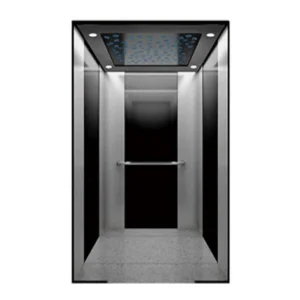
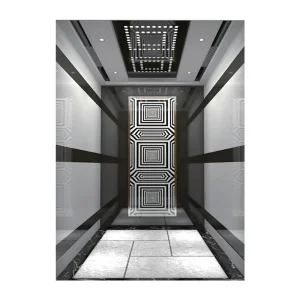
With landmarks such as Haeundae LCT The Sharp defining Busan's skyline, high-speed elevator safety and energy conservation are paramount. During loaded upward runs or empty downward runs, traction motors generate feedback energy. Our regenerative units safely route this feedback, preventing voltage spikes in the building's internal power network and reducing HVAC cooling loads in elevator machine rooms.
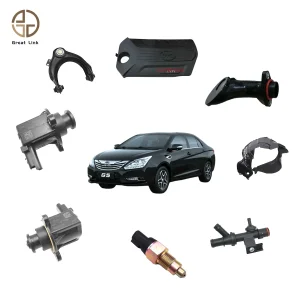
Whether you require localized IATF16949-certified automotive components, high-capacity aluminum-clad resistors, or integrated regeneration modules, our engineering team is ready to design a custom solution.
Send Inquiry NowGlobally, the market for energy-recovery systems is shifting from simple passive resistive burning (using traditional heavy-duty braking resistors) to active regenerative power electronics. This technological leap is driven by carbon-neutral policies worldwide, such as the European Union’s Fit for 55 package and South Korea’s Zero-Emission Vehicle mandates.
Silicon Carbide (SiC) Integration: The implementation of SiC MOSFETs in traction inverters allows for higher switching frequencies, lower thermal losses, and overall system miniaturization. This is highly beneficial for compact EV layouts such as micro-cars and light commercial delivery fleets running routes across Busan's hilly districts.
Decentralized Microgrids: Today’s automated warehouses and modern ports deploy localized energy storage. By linking stacker cranes and automated guided vehicles (AGVs) equipped with regenerative braking to a smart microgrid, industrial operations can buffer transient energy surges, lowering operational grid risks and cutting utility bills.
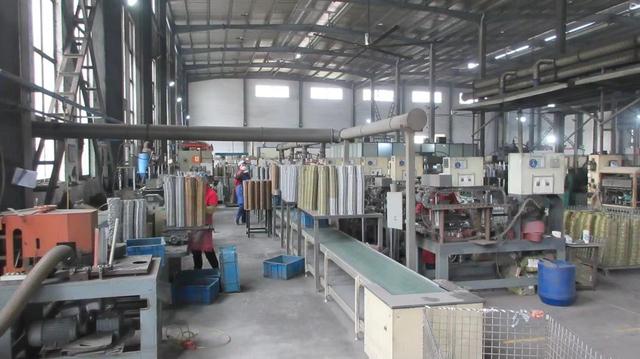
Shenzhen DCI Autos Co., Ltd. continuously monitors these global developments, integrating premium raw materials—such as high-grade aluminum alloys for heat dissipation and high-purity alloy resistance wire—to manufacture rugged components designed for a service life exceeding 15 years.
Exporting to and supplying components within the South Korean industrial sector requires strict adherence to localized safety certifications and environmental standards. We ensure all parts shipped to the Busan market are ready for seamless integration:
By partnering with DCI Autos, Busan-based distributors, engineering firms, and OEMs receive comprehensive technical documentation, including 3D CAD files, material composition sheets, and localized troubleshooting guides.
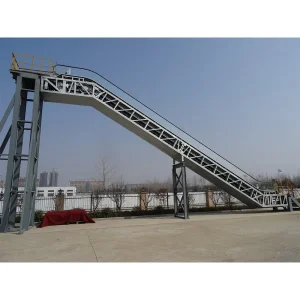
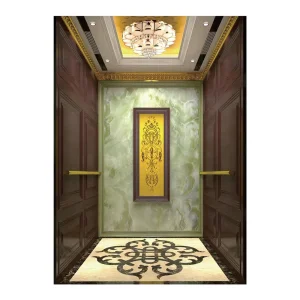
Explore our extensive range of high-reliability elevators, escalators, and low-carbon processing line equipment designed to support green industrial growth in the Busan Metropolitan Area.
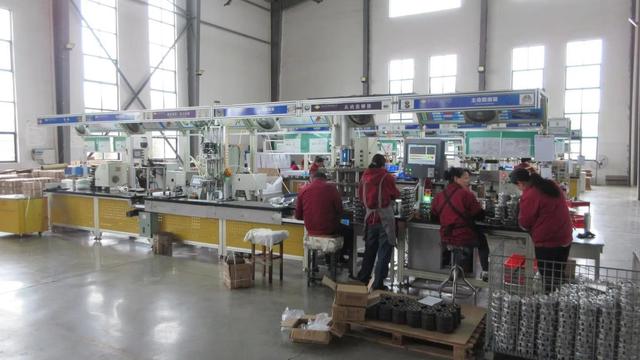
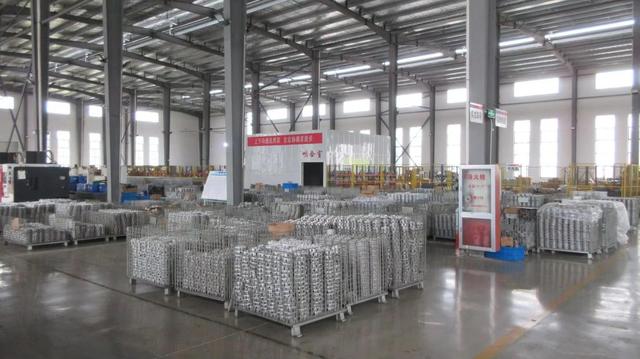
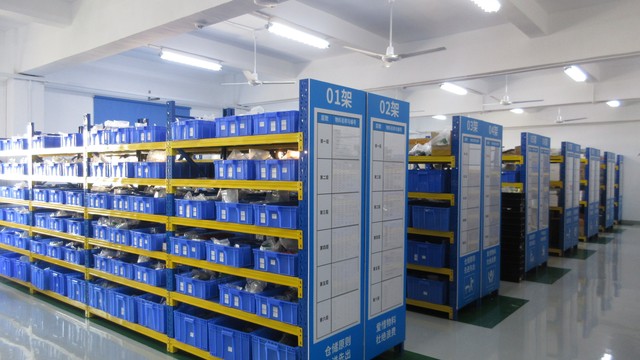
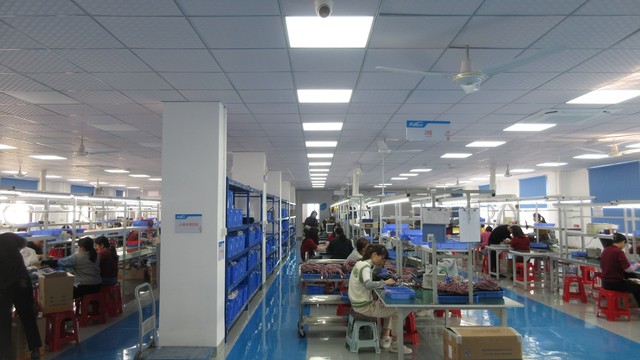
Shenzhen DCI Autos Co., Ltd. is a professional manufacturer specializing in electric vehicle components and advanced mobility technologies for the global automotive industry. Established in 2014, the company is headquartered in Shenzhen, Guangdong Province, a leading center for innovation in electric transportation and intelligent manufacturing. Operating from a modern production facility covering 28,000 square meters and supported by more than 300 employees, DCI Autos has developed comprehensive capabilities in engineering, manufacturing, testing, and international supply chain support.
The company focuses on the development and production of battery systems, power electronics, electric drivetrain components, battery management systems (BMS), charging system components, thermal management solutions, high-voltage electrical assemblies, and integrated EV powertrain technologies. Its products are designed to support passenger vehicles, commercial electric vehicles, light-duty transportation platforms, and emerging mobility applications.
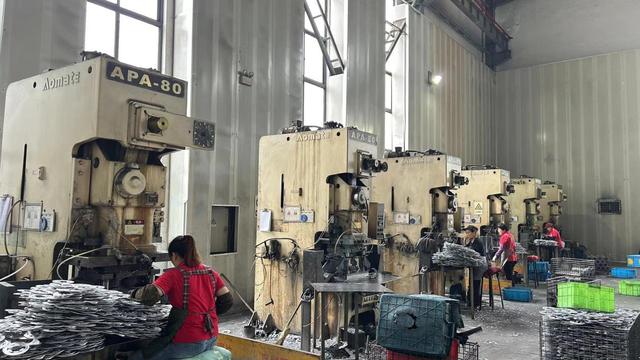
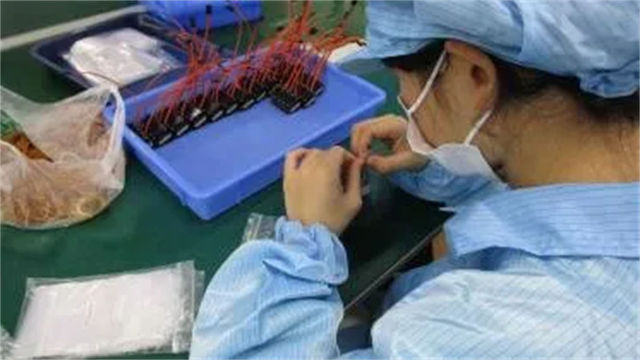
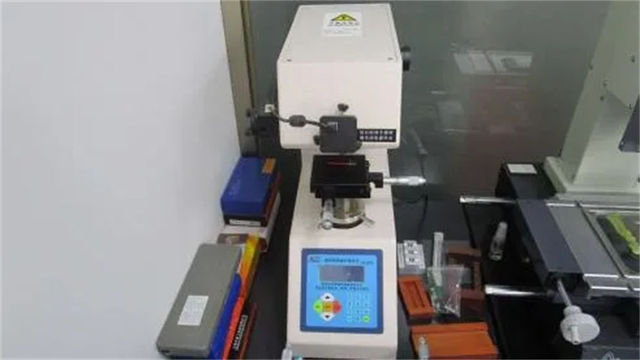
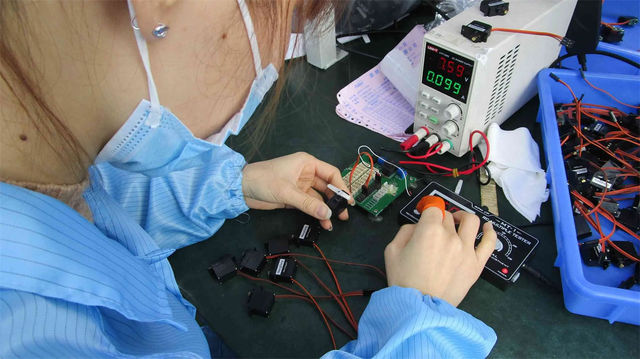
DCI Autos combines advanced manufacturing technologies, automated production equipment, and rigorous quality control procedures to ensure product reliability, efficiency, and long-term operational performance. The company operates dedicated engineering laboratories and testing facilities where products undergo extensive validation, environmental testing, and performance verification throughout the development and manufacturing process.
To meet the evolving requirements of the electric mobility sector, DCI Autos provides flexible OEM and ODM services, including customized component development, private-label manufacturing, system integration support, and application-specific engineering solutions. Its research and development team continuously explores innovations in electrification, energy management, lightweight design, and intelligent vehicle systems.
Today, Shenzhen DCI Autos Co., Ltd. serves customers across North America, Europe, Southeast Asia, the Middle East, South America, and other international markets. Through continuous innovation, precision manufacturing, and customer-focused collaboration, the company remains committed to supporting the global transition toward sustainable transportation and next-generation electric mobility technologies.
Equip your logistics hubs, vertical transport systems, and automated machinery networks in Busan with industry-proven, high-durability braking solutions from Shenzhen DCI Autos Co., Ltd.
Send Inquiry Now DCI Autos