Engineered components powering high-efficiency thermal, energy, and mechanical stabilization systems.

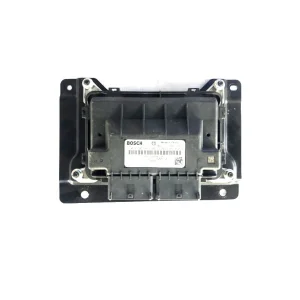
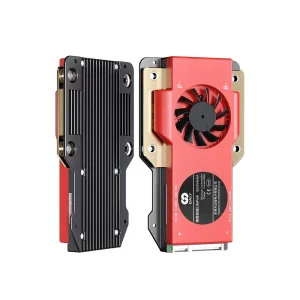
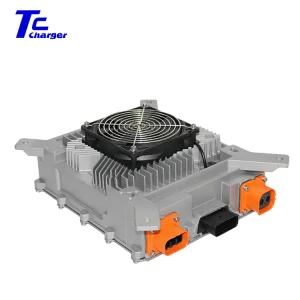
As automotive powertrains rapidly transition from traditional internal combustion engines (ICE) to sophisticated New Energy Architectures, the scope of Vehicle Dynamics Control (VDC) is undergoing an unprecedented paradigm shift.
Historically defined by independent ABS (Anti-lock Braking Systems) and ESP (Electronic Stability Programs), today's VDC architectures require unified integration with high-voltage Vehicle Control Units (VCU), smart Battery Management Systems (BMS), and highly coordinated power electronics. This comprehensive guide outlines the sourcing criteria, technology roadmaps, and industry solutions required by global OEMs, tier-1 suppliers, and specialized procurement agencies seeking top-tier vehicle dynamics and electrification components.
Sourcing controllers for vehicle dynamics requires a deep understanding of the decentralized and centralized architectures within modern electric vehicles. Buyers are no longer purchasing isolated hydraulic modulators; instead, they seek vendors capable of delivering highly integrated system architectures. The global automotive supply chain demands unified, high-reliability modules capable of maintaining stability under extreme dynamic loads while concurrently maximizing energy recovery efficiency.
Modern systems replace traditional physical mechanical linkages with electronic systems (brake-by-wire, steer-by-wire). Suppliers must offer high-fidelity sensor feedback and redundant actuator designs to ensure safe operation under all driving conditions.
Procurement managers look for hardware that integrates seamlessly with existing vehicle structures. Compatibility with high-speed CAN-FD, Automotive Ethernet, and AUTOSAR software architectures is critical for modern dynamic integration.
Chassis stability is closely linked to power delivery. Rapid response in torque vectoring requires dynamic battery discharge monitoring and thermal management components to prevent thermal runaway under heavy acceleration and braking.
When evaluating top-tier automotive electronics exporters, OEMs and procurement executives assess capabilities using a multi-layered scorecard. Relying solely on cost-per-unit is no longer a viable approach in safety-critical applications.
A supplier must provide advanced calibration capabilities, enabling the vehicle control unit (VCU) to coordinate slip control, traction management, and regenerative braking dynamically based on real-world friction coefficients.
Advanced laboratory verification is essential. Top-tier providers run real-time hardware-in-the-loop simulation runs to validate safety-critical control algorithms prior to road testing.
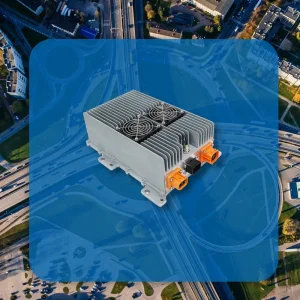
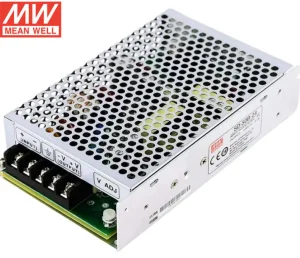
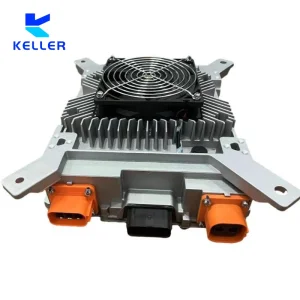
The dynamic handling of electric vehicles relies on precise torque vectoring. This demands fast-response converters (such as 1kW DC/DC units combined with 6.6kW onboard chargers) to maintain stable control-loop voltages.
Hardware and firmware designs must conform to international safety regulations. Suppliers must demonstrate compliance with ISO 26262 up to ASIL-D, minimizing potential systemic risk in steering and braking controllers.
The automotive industry is shifting from isolated subsystem controllers toward unified vehicle computer architectures. This evolution streamlines physical wiring, improves signal latency, and enables complex co-simulation algorithms to optimize passenger safety and comfort.
Consolidation of multi-domain electronics. Combining independent vehicle control units (VCU) with battery management system (BMS) logic into combined packaging configurations to reduce overall mass and physical footprint.
Adoption of high-performance domain controller platforms. Dynamic vehicle control and stabilization logic run concurrently with ADAS processing on shared processing nodes, operating over high-speed automotive Ethernet networks.
Implementation of neural network path prediction. Vehicle dynamics controls adapt continuously in real time by analyzing road surface topologies, driver feedback patterns, and localized wheel slip profiles.
Established in 2014, Shenzhen DCI Autos Co., Ltd. has grown into a leading manufacturer specializing in electric vehicle components and advanced mobility technologies for the global automotive industry.
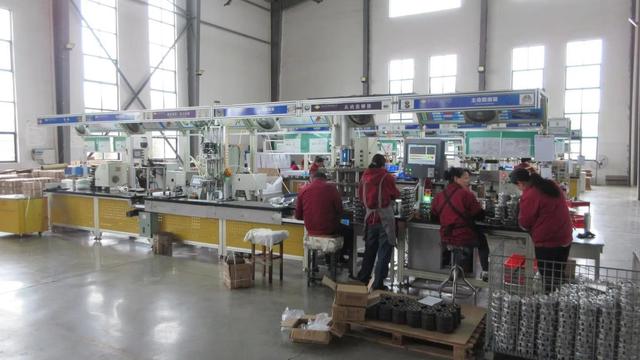
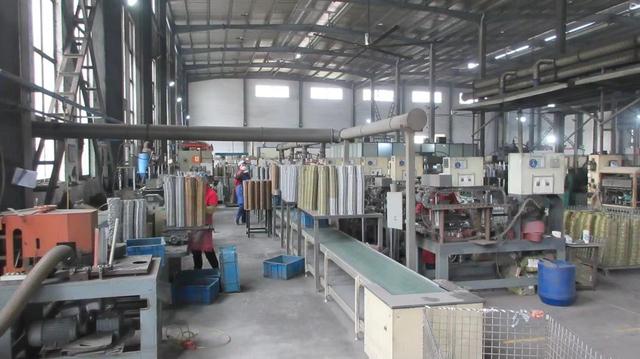
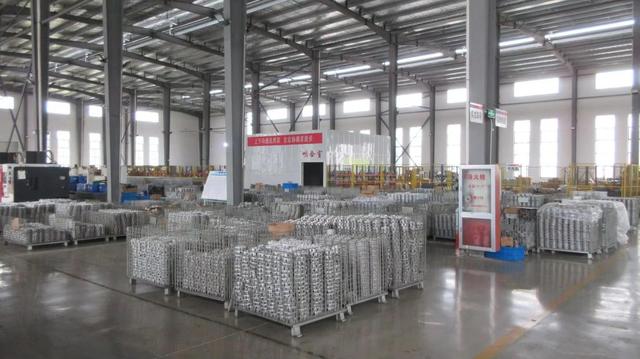
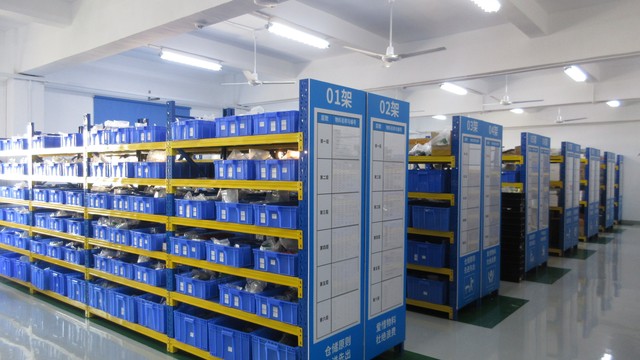
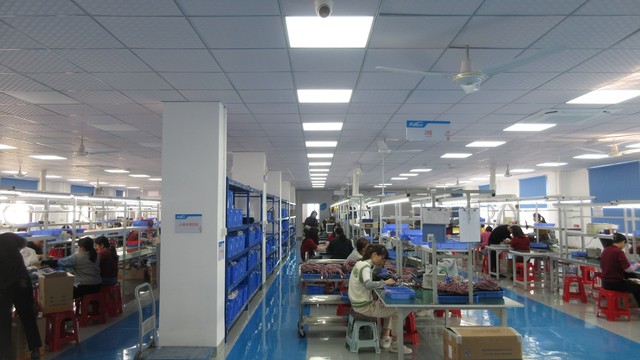
Headquartered in Shenzhen, Guangdong Province—a leading center for innovation in electric transportation and intelligent manufacturing—DCI Autos operates from a modern production facility covering 28,000 square meters and supported by more than 300 employees. The company has developed comprehensive capabilities in engineering, manufacturing, testing, and international supply chain support.
The company focuses on the development and production of battery systems, power electronics, electric drivetrain components, battery management systems (BMS), charging system components, thermal management solutions, high-voltage electrical assemblies, and integrated EV powertrain technologies. Its products are designed to support passenger vehicles, commercial electric vehicles, light-duty transportation platforms, and emerging mobility applications.
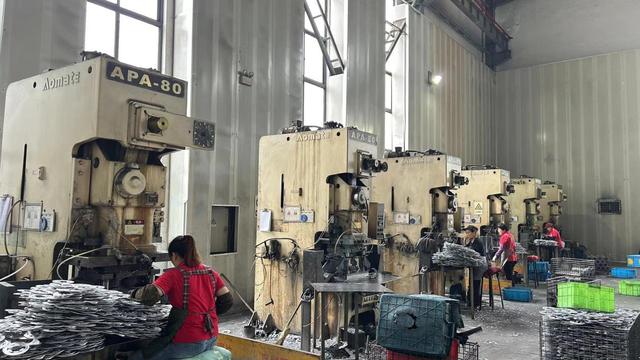
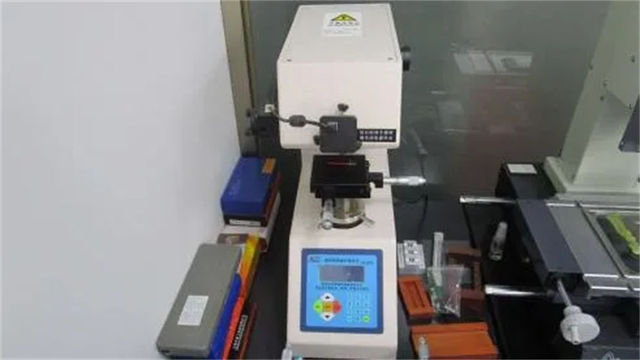
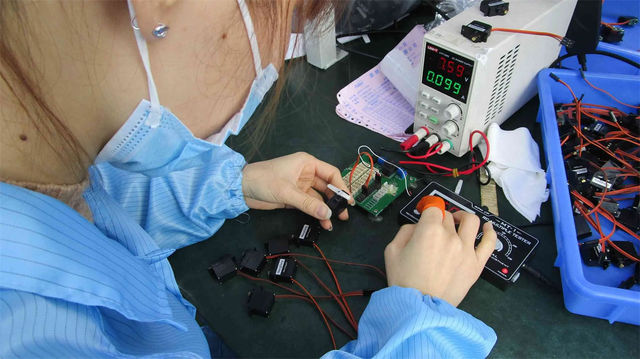
DCI Autos combines advanced manufacturing technologies, automated production equipment, and rigorous quality control procedures to ensure product reliability, efficiency, and long-term operational performance. The company operates dedicated engineering laboratories and testing facilities where products undergo extensive validation, environmental testing, and performance verification throughout the development and manufacturing process. To meet the evolving requirements of the electric mobility sector, DCI Autos provides flexible OEM and ODM services, including customized component development, private-label manufacturing, system integration support, and application-specific engineering solutions.
Today, Shenzhen DCI Autos Co., Ltd. serves customers across North America, Europe, Southeast Asia, the Middle East, South America, and other international markets. Through continuous innovation, precision manufacturing, and customer-focused collaboration, the company remains committed to supporting the global transition toward sustainable transportation and next-generation electric mobility technologies.

Exporters of automotive control components must navigate complex international regulatory and certification frameworks. Ensuring safety compliance across multiple regions involves strict testing and quality audits:
Provides a detailed safety lifecycle for electronic systems, helping manage risks from potential hardware and software failures in steering, braking, and powertrain components.
Regulatory standards specifying mandatory performance parameters for electronic stability control (ESC) systems on passenger cars under wet or icy road conditions.
Dynamic control modules, including DC/DC converters and battery management systems (BMS), must withstand dust, submersion, high-pressure washing, and thermal shocks.
Expert answers to common engineering and sourcing questions regarding automotive motion control systems.
The VCU acts as the central coordinator for the vehicle's electrical architecture. Unlike conventional ICE setups where ESP works primarily by braking individual wheels, an EV's VCU coordinates torque commands across multiple drive motors. This allows for faster torque adjustments, improving handling stability and safety on slippery surfaces.
Combining power electronics into a unified housing reduces physical space requirements and overall vehicle weight, while also simplifying thermal management. By sharing liquid cooling loops, the integrated system helps maintain optimal operating temperatures for all power conversion and control systems, improving efficiency.
ASIL-D represents the highest level of risk management under the ISO 26262 standard. Sourcing components with ASIL-D compliance ensures that critical functions—such as electric braking, steering, and traction control—include redundant hardware and safety overrides, protecting against system failures during operation.
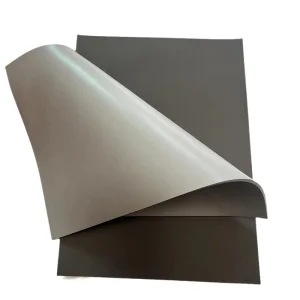
Custom-cut EPDM rubber foam components provide cushioning, vibration damping, and weatherproofing for electronic control units (ECUs), sensor housings, and battery management assemblies. This protection helps shield sensitive components from moisture, dust, and mechanical vibration, maintaining system reliability.
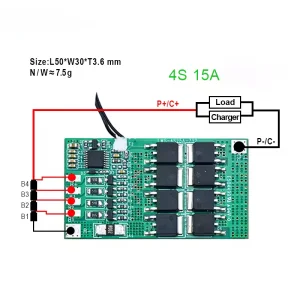
High-current BMS systems, such as 300A ratings, are designed to handle the high power demands of industrial vehicles, including AGVs and forklifts. By monitoring cell voltage and temperature in real time, these systems protect the battery pack and maintain stable power delivery to the drive motors, supporting reliable vehicle control under heavy load conditions.
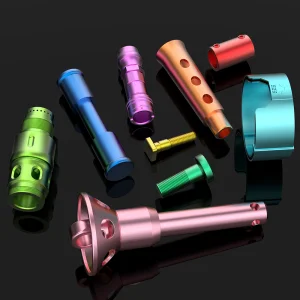
High-quality structural parts, thermal management modules, and heavy-duty electrical control assemblies.
 DCI Autos