The global energy paradigm is undergoing a seismic shift. As nations strive for carbon neutrality, the integration of intermittent renewable sources like solar and wind into the power grid has become the paramount challenge of the 21st century. Batteries for renewable applications are no longer just supplementary components; they are the bedrock of modern grid stability, industrial resilience, and the decarbonization of the automotive sector. From utility-scale Battery Energy Storage Systems (BESS) to decentralized residential units, the demand for high-cycle, safe, and efficient battery technology is skyrocketing.
Today, the industrial and commercial sectors are leading this charge. Industrial facilities are adopting large-scale lithium-ion solutions to manage peak demand, reduce energy costs through "peak shaving," and ensure uninterruptible power supply (UPS) for critical operations. Simultaneously, the rise of Electric Vehicle (EV) infrastructure necessitates sophisticated energy management solutions that bridge the gap between renewable generation and high-load charging stations.
When searching for the top 10 batteries for renewable applications manufacturers, all roads inevitably lead to China, specifically the innovation hub of Shenzhen. The reasons are rooted in a combination of vertical integration, massive R&D investment, and an unparalleled supply chain ecosystem.
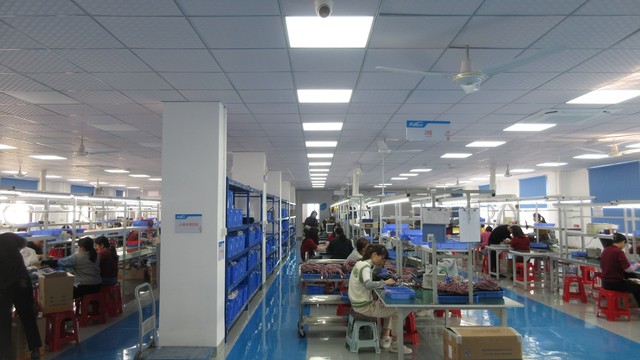
China's factory floors, such as the 28,000 sqm facility operated by Shenzhen DCI Autos Co., Ltd., utilize high-tier automation that reduces human error and optimizes material usage, leading to a significantly lower cost-per-kWh without sacrificing quality.
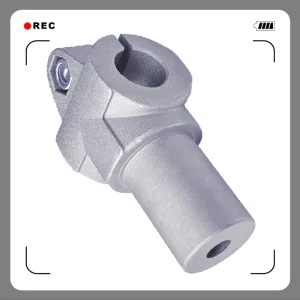
Shenzhen's "4-hour supply chain" means that everything from raw lithium cells and BMS boards to thermal management components and CNC-machined heatsinks is sourced within a small radius, accelerating prototype-to-market speed.
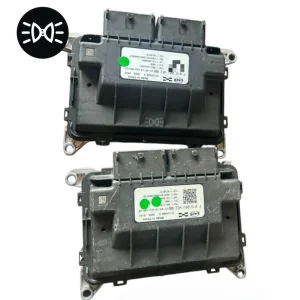
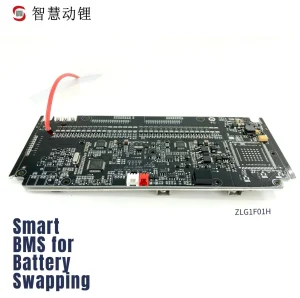
Leading manufacturers are no longer just assemblers; they are engineering powerhouses. They develop proprietary Battery Management Systems (BMS) that provide millisecond-level precision in monitoring voltage, temperature, and State of Charge (SoC).
Understanding the application is as important as the battery chemistry itself. Different environments demand different engineering approaches:
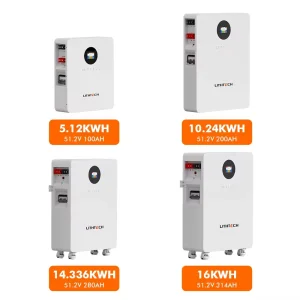
In regions with high electricity costs (like Europe) or unstable grids (like parts of Southeast Asia), floor-mounted or wall-mounted LiFePO4 systems (e.g., 51.2V 600ah units) allow homeowners to store solar energy harvested during the day for use at night, achieving energy independence.
5G rollouts require compact, high-energy-density batteries. Low-price but high-reliability BMS solutions specifically designed for telecom stations ensure that communication remains online during grid failures, even in extreme environmental conditions.
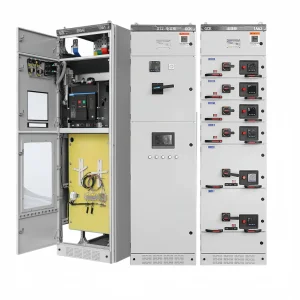
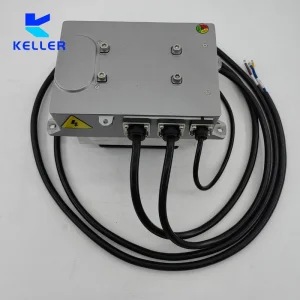
As EV adoption grows, the grid often cannot handle the localized load. Integrated distribution boards and BESS units act as "buffers," storing wind power and discharging it rapidly when a vehicle plugs in, preventing grid collapses.
For a battery system to be considered "top-tier," it must excel in three domains: Chemistry, Intelligence, and Thermal Control.
LiFePO4 (Lithium Iron Phosphate): This chemistry has become the industry standard for renewable applications due to its thermal stability and long cycle life. Unlike NCM batteries, LiFePO4 is significantly less prone to "thermal runaway," making it safer for indoor installations and large industrial clusters.
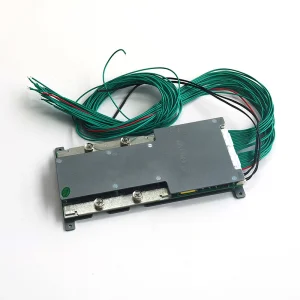
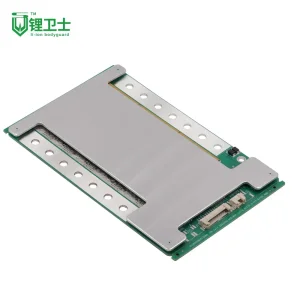
The Role of the BMS: A 300A LiFePO4 BMS is the "brain." It performs active cell balancing, ensuring that one weak cell doesn't degrade the entire pack. Advanced systems now include CANBUS communication, allowing the battery to "talk" to the inverter and the grid controller in real-time.
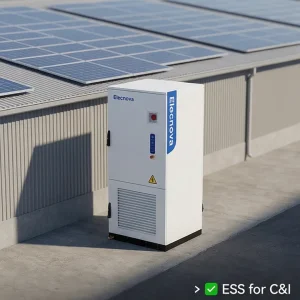
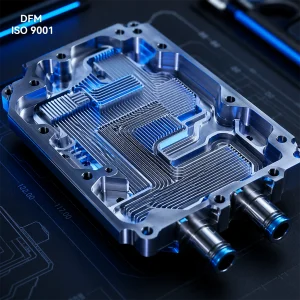
Thermal Management: In high-power applications, such as a 261kwh ESS, heat is the enemy. Active thermal management—often using custom aluminum liquid cooling plates—ensures the cells stay within their optimal temperature window, extending the system's lifespan by years.
As we look toward the next decade, several key trends are emerging that will redefine the manufacturer landscape:
Shenzhen DCI Autos Co., Ltd. is a professional manufacturer specializing in electric vehicle components and advanced mobility technologies for the global automotive industry. Established in 2014, the company is headquartered in Shenzhen, Guangdong Province, a leading center for innovation in electric transportation and intelligent manufacturing.
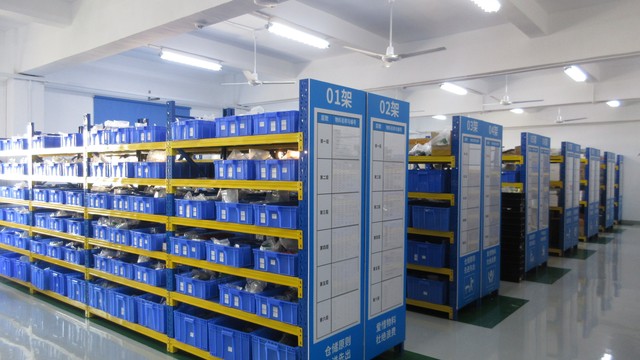
Operating from a modern production facility covering 28,000 square meters and supported by more than 300 employees, DCI Autos has developed comprehensive capabilities in engineering, manufacturing, testing, and international supply chain support.
The company focuses on the development and production of battery systems, power electronics, electric drivetrain components, battery management systems (BMS), charging system components, thermal management solutions, high-voltage electrical assemblies, and integrated EV powertrain technologies. Its products are designed to support passenger vehicles, commercial electric vehicles, light-duty transportation platforms, and emerging mobility applications.
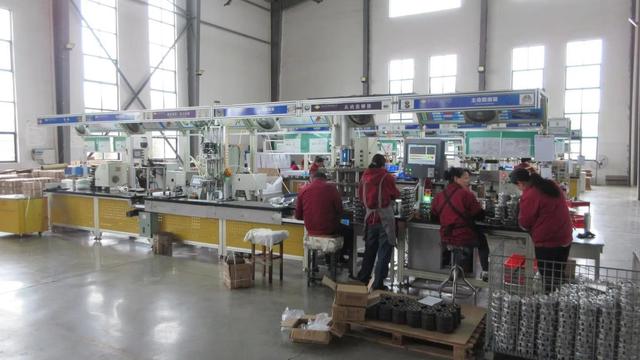
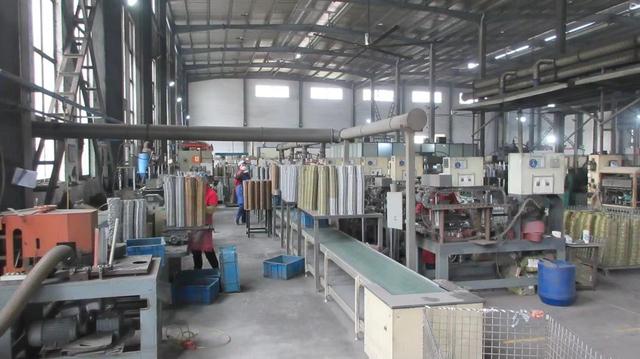
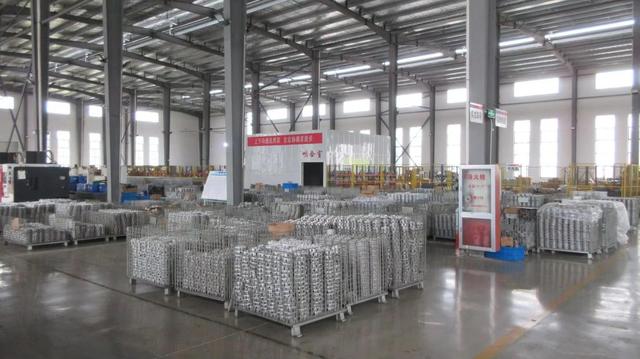
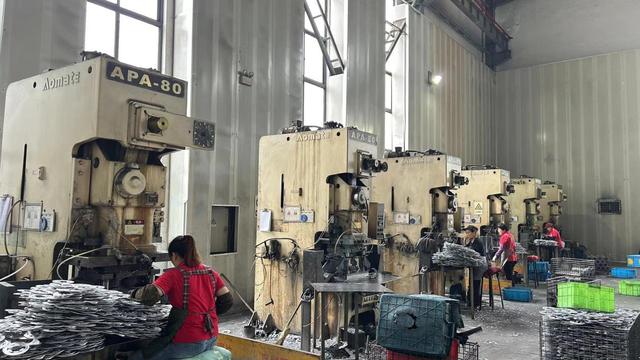
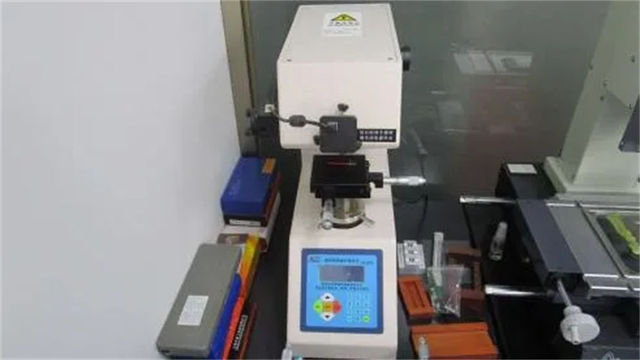
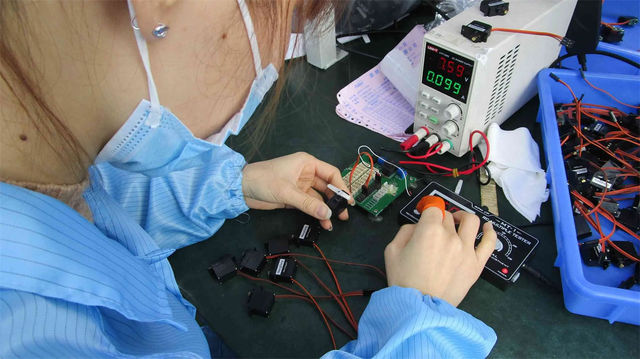
DCI Autos combines advanced manufacturing technologies, automated production equipment, and rigorous quality control procedures to ensure product reliability, efficiency, and long-term operational performance. The company operates dedicated engineering laboratories and testing facilities where products undergo extensive validation, environmental testing, and performance verification throughout the development and manufacturing process.
To meet the evolving requirements of the electric mobility sector, DCI Autos provides flexible OEM and ODM services, including customized component development, private-label manufacturing, system integration support, and application-specific engineering solutions. Its research and development team continuously explores innovations in electrification, energy management, lightweight design, and intelligent vehicle systems.
International buyers, from EPC contractors to automotive OEMs, have rigorous standards when selecting a battery partner. Understanding these is key to a successful partnership:
UN38.3 for transport, CE for Europe, UL for North America, and IEC 62619 for industrial safety are non-negotiable requirements for global entry.
Modern buyers don't just want a "battery box"; they want a system that integrates seamlessly with their existing SCADA or Energy Management Software (EMS).
The ability to start with a 10kWh pilot and scale to a 10MWh utility project using the same modular architecture is a significant competitive advantage.

 DCI Autos