Engineered for Tokyo's Precision Logistics and Automotive Evolution
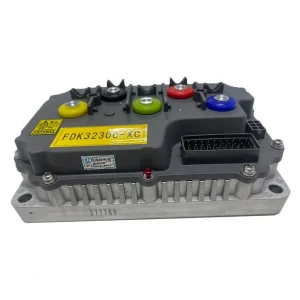
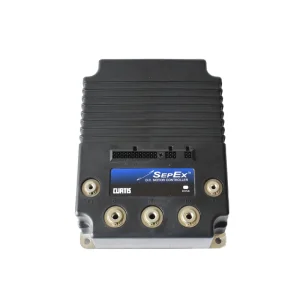
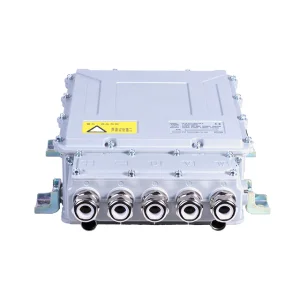
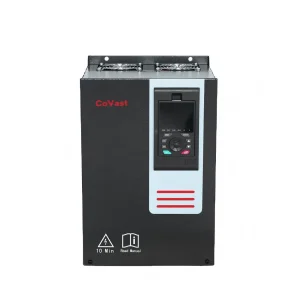
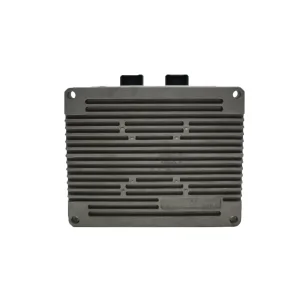
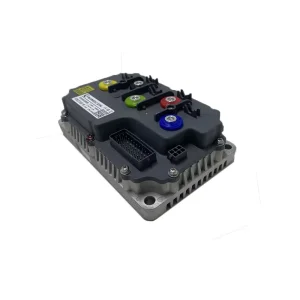
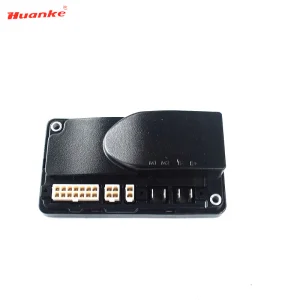
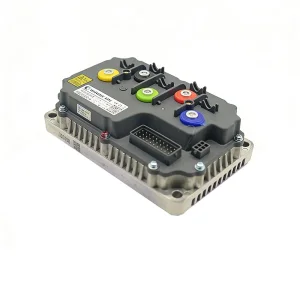
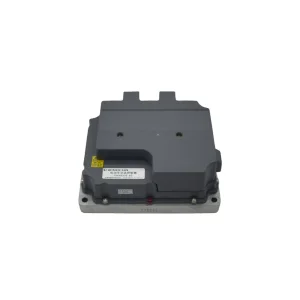
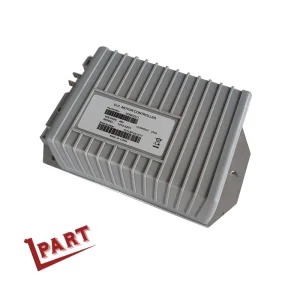
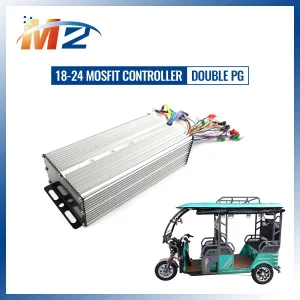
As one of the world's primary industrial metropolises, Tokyo stands at the crossroads of traditional mechanical excellence and the rapid transition to Electric Mobility (e-Mobility). The demand for sophisticated Motor Controllers in Tokyo is not merely a matter of supply; it is a quest for Precision, Thermal Efficiency, and System Integration. From the automated warehouses in the Port of Tokyo using advanced AGVs (Automated Guided Vehicles) to the urban delivery fleets navigating the dense Shibuya corridors, the motor controller is the "brain" that defines operational uptime.
Unlike standard industrial drives, Tokyo's current industrial landscape requires controllers that support CAN-bus communication protocols and high-frequency PWM (Pulse Width Modulation) for silent operation in noise-sensitive urban environments. Exporters targeting this region must prioritize EMI/EMC compliance and high power density to fit the compact design requirements of Japanese engineering.
Specialized controllers for Tokyo's growing "Last Mile" delivery bikes and compact electric pallet jacks used in Tsukiji-style logistics hubs.
Focusing on regenerative braking technologies that reclaim up to 15% of energy, a critical factor for Tokyo's energy-conscious infrastructure.
IP65 and IP67 rated enclosures designed to withstand the humid Pacific climate and intense industrial cleaning cycles.
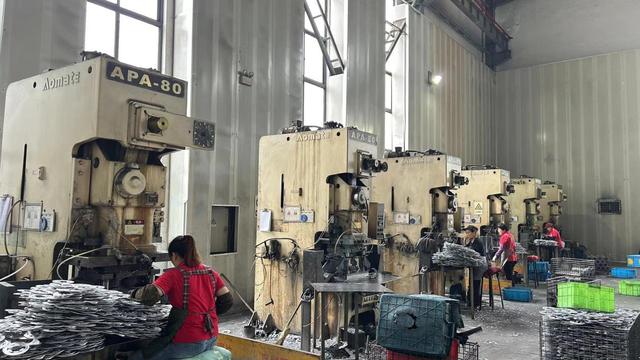
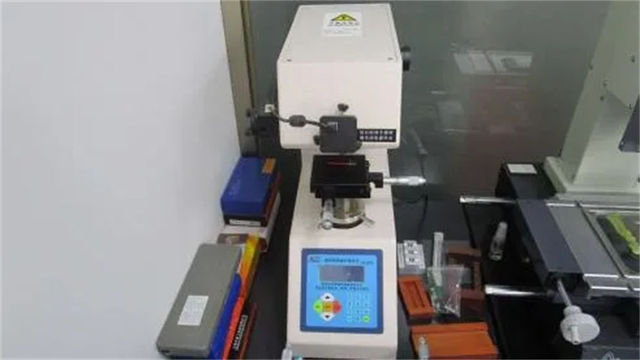
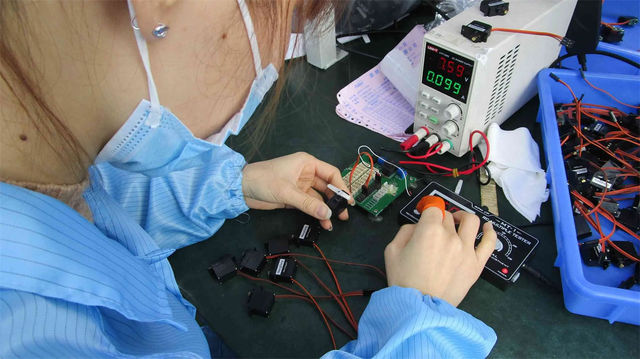
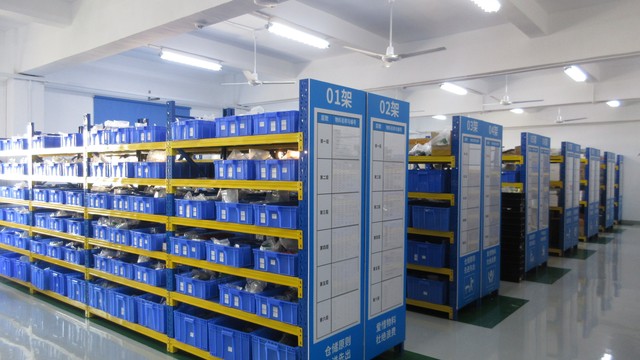
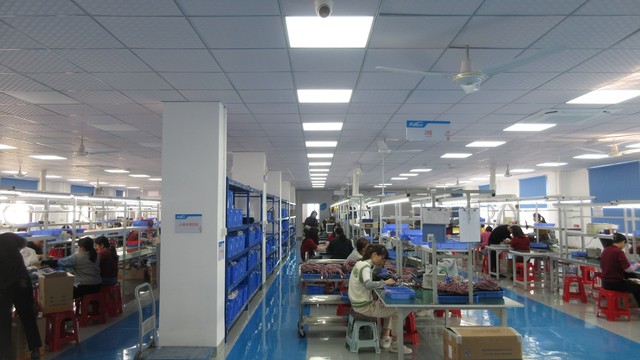
Shenzhen DCI Autos Co., Ltd. is a professional manufacturer specializing in electric vehicle components and advanced mobility technologies for the global automotive industry. Established in 2014, the company is headquartered in Shenzhen, Guangdong Province—the world's capital for EV innovation. Operating from a modern production facility covering 28,000 square meters and supported by more than 300 employees, DCI Autos has developed comprehensive capabilities in engineering, manufacturing, and international supply chain support.
Square Meters
Years Experience
Expert Staff
Conversion Rate
The company focuses on the development and production of battery systems, power electronics, and integrated EV powertrain technologies. Its products are designed to support passenger vehicles, commercial electric vehicles, and emerging mobility applications. To meet the evolving requirements of the Tokyo sector, DCI Autos provides flexible OEM and ODM services, including customized component development and system integration support.
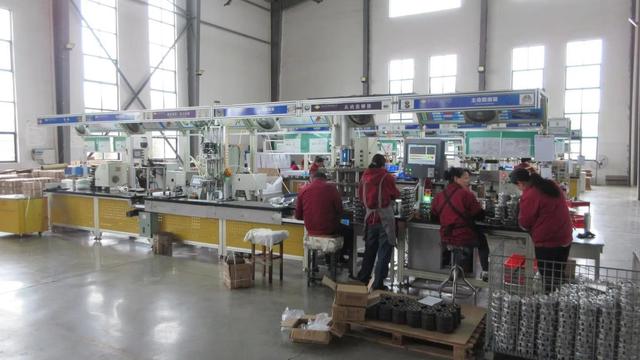
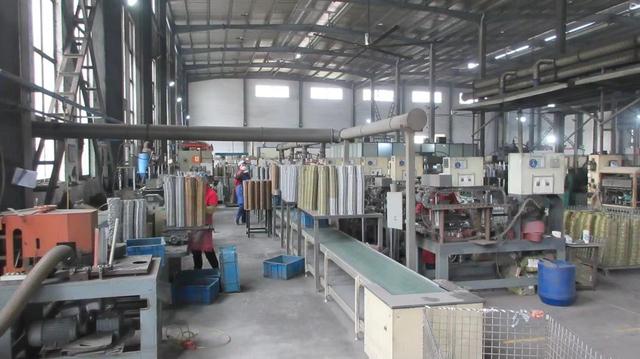
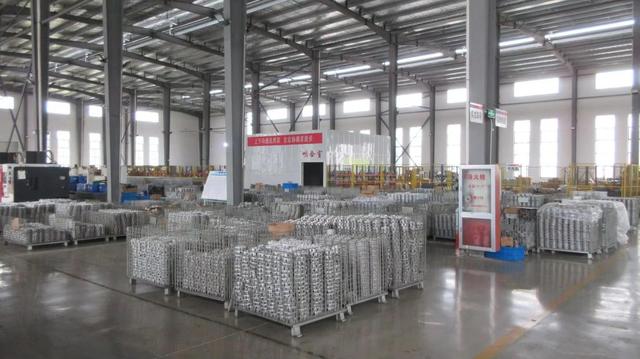
In the current global industrial climate, Supply Chain Resilience is the top priority for Tokyo-based exporters and importers. The "China Factory 4.0" model, spearheaded by companies like DCI Autos, offers a unique advantage: the fusion of Massive Scalability with Hyper-Customization.
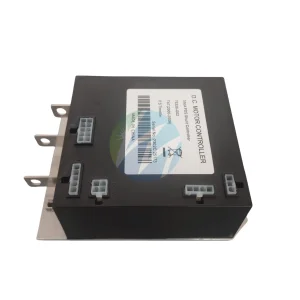
AC asynchronous controllers are preferred for their maintenance-free nature and better regenerative efficiency, while DC controllers offer simpler control logic and are often used in cost-sensitive applications like light-duty forklifts and golf carts.
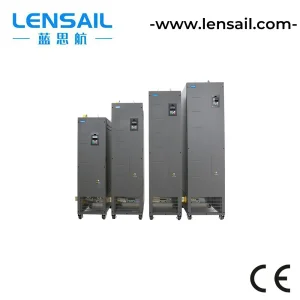
Our controllers support various voltage ranges (from 24V to 380VAC) and are tested against international standards including CE and RoHS, ensuring they meet the safety and environmental regulations required for the Japanese market.
Information gain refers to the added value a supplier provides—such as detailed thermal dissipation charts, CAN-bus mapping files, and localized mounting advice—which helps Tokyo engineers reduce development time and prevent system failures.
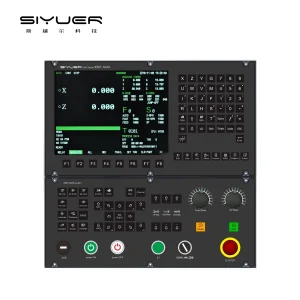
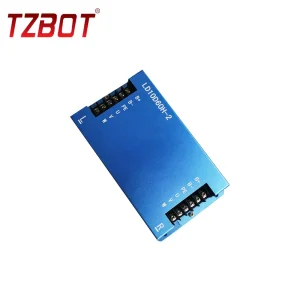
Yes, our high-performance servo drivers (like the LD10D60H-2) feature precise position feedback and low latency, making them ideal for AI-guided robots used in Tokyo's smart factories.
Global Export Standards for High-Efficiency Motor Management

 DCI Autos