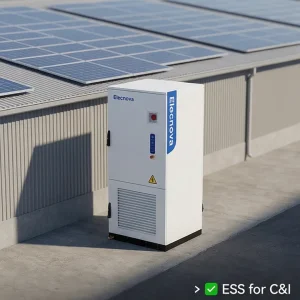
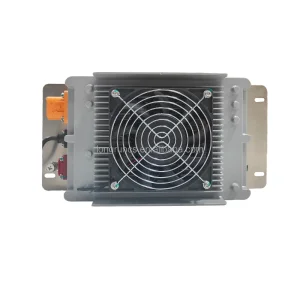
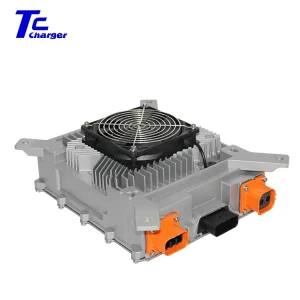
The global Vehicle-to-Grid (V2G) market is undergoing a transformative shift. No longer limited to pilot projects, V2G technology is becoming a cornerstone of national energy independence and grid stability. As electric vehicle (EV) adoption surges, the aggregate battery capacity of the global EV fleet represents an untapped energy resource. By integrating high-efficiency power electronics—such as the 3KW EV DCDC Converters and advanced Modular Energy Storage Systems—manufacturers are enabling bidirectional energy flow that stabilizes local utility grids during peak demand hours.
Founded in 2014, Shenzhen DCI Autos Co., Ltd. has established itself as a pivotal leader in the electric mobility ecosystem. With a sprawling 28,000 square meter facility and a workforce of over 300 specialized employees, the company represents the synergy of precision engineering and mass-scale production.
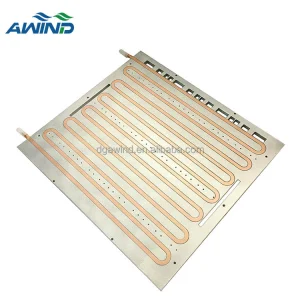
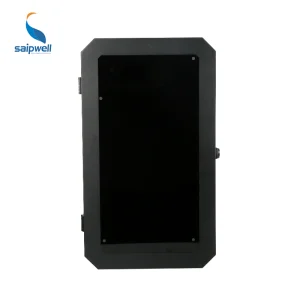
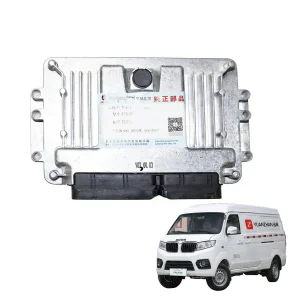
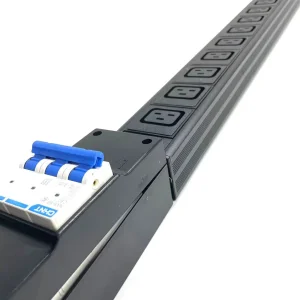
DCI Autos’ core strength lies in its comprehensive product portfolio. From high-performance heat sinks essential for thermal management in Battery Energy Storage Systems (BESS) to complex 330V DC Power Distribution Units (PDU), the company ensures that every component meets rigorous international standards. Their engineering laboratories perform extensive validation, ensuring that components like Vehicle Control Units operate seamlessly in demanding EV environments.
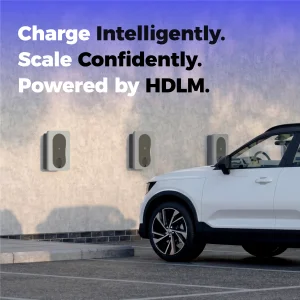
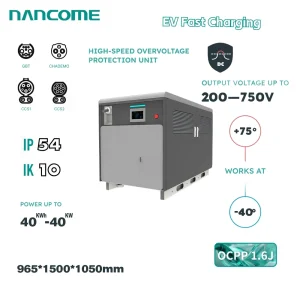
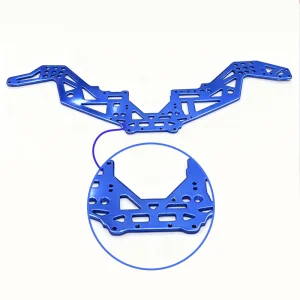
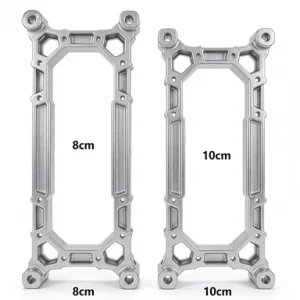
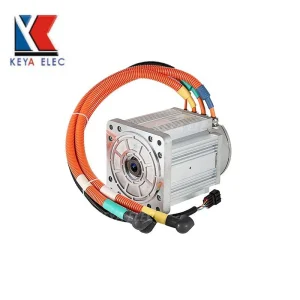
The technical roadmap for V2G hinges on three pillars: Communication Protocols (ISO 15118), Bidirectional Power Electronics, and Thermal Efficiency. The industry is rapidly moving toward unified standards that allow EVs to communicate directly with grid operators. Our commitment to OCPP 1.6J compatible stations is a testament to this, ensuring that our charging infrastructure is always ready for smart grid integration. Furthermore, advancements in BLDC Motor technology and 7075 aluminum chassis frameworks continue to reduce vehicle weight, increasing efficiency for both the driver and the energy grid.
 DCI Autos