The global automotive electrification paradigm is undergoing a structural shift. The historical strategy of procuring discrete, standalone electrical components from disparate suppliers is being rapidly superseded by deeply integrated subsystem architectures. Original Equipment Manufacturers (OEMs) and Tier-1 integrators face mounting pressure to reduce bill-of-materials (BOM) costs, minimize vehicle curb weight, maximize volumetric power density, and accelerate time-to-market. China has established itself as the epicenter of this industrial evolution, leveraging highly concentrated supply chains, advanced automated manufacturing infrastructure, and unparalleled engineering velocity.
Subsystem integration—spanning Multi-in-One Electric Drive Systems (combining Motors, Inverters, and Reducers), Integrated Power Electronics Units (co-locating On-Board Chargers, DC-DC Converters, and Power Distribution Units), and Smart Battery Pack Integration (Cell-to-Pack / Cell-to-Body)—represents the definitive technical benchmark for competitive electric mobility. By eliminating redundant aluminum housing enclosures, heavy copper busbars, and complex external liquid-cooling plumbing, wholesale EV component integration achieved by leading Chinese factories reduces power-train volume by up to 35% while increasing system reliability and electromagnetic compatibility (EMC).
Furthermore, the adoption of 800V high-voltage platforms utilizing Silicon Carbide (SiC) semiconductor switches requires unprecedented synergy between power electronics, high-voltage wiring harnesses, and battery management platforms. Sourcing individual components without rigorous cross-functional integration leads to parasitic inductance issues, thermal bottlenecks, and protocol incompatibility. As a specialized engineering and wholesale manufacturing enterprise, our production lines in Shenzhen, China, deliver factory-validated integrated solutions engineered specifically to address these cross-domain technical challenges.
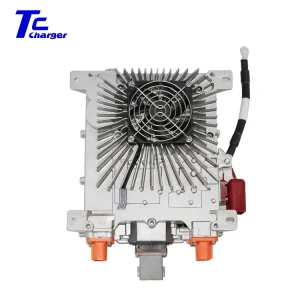
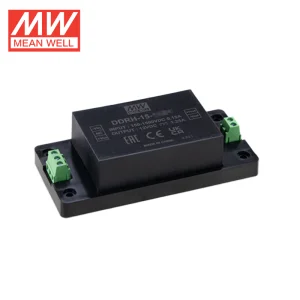
Combining On-Board Chargers (3.3kW to 22kW) with high-efficiency DC-DC converters (1kW to 3kW) and Power Distribution Units into a single IP67-rated liquid/fan-cooled enclosure. Utilizing planar transformers and shared control DSPs eliminates high-voltage cabling interconnects, minimizes switching losses, and dramatically suppresses radiated EMI.
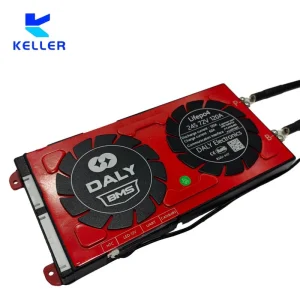
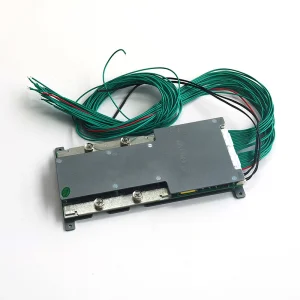
Advanced Battery Management Systems covering 12.8V up to 800V packs (LiFePO4 and NMC chemistries). Featuring dual CAN-bus / Automotive Ethernet communication, high-precision State of Charge (SoC) and State of Health (SoH) algorithms, active/passive balancing logic, and ASIL-D functional safety compliance for thermal runaway prevention.
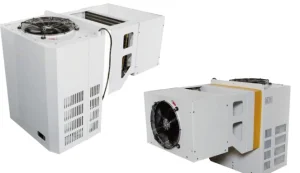
Box-type integrated thermal management units governing battery liquid chillers, cabin heat-pump circuits, inverter cold plates, and motor coolant loops. Direct-expansion cooling loops paired with multi-port electronic expansion valves maximize overall vehicle range during extreme ambient temperature operating conditions.
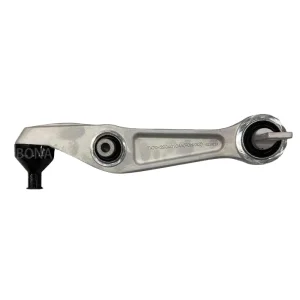
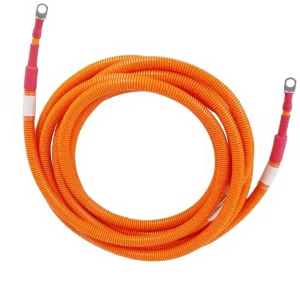
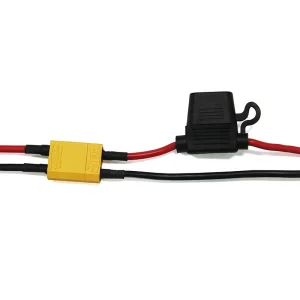
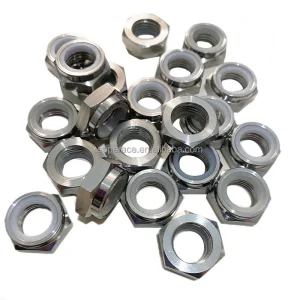
Precision tin-plated copper jumper cables, silicone/rubber shielded high-voltage wire harnesses (XT30/XT60/XT90 and heavy-duty automotive standards), alongside lightweight Grade 5 (GR5) Titanium chassis fasteners and precision suspension control arms designed for zero-compromise mechanical dynamics.
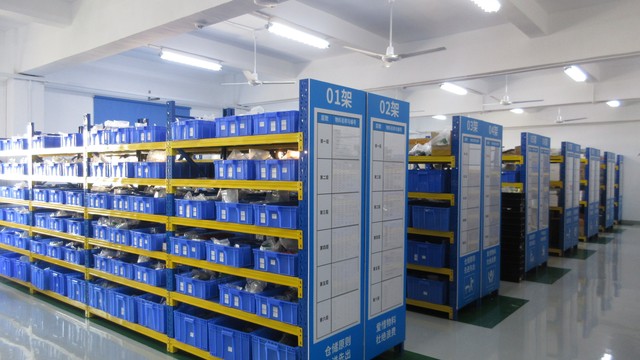
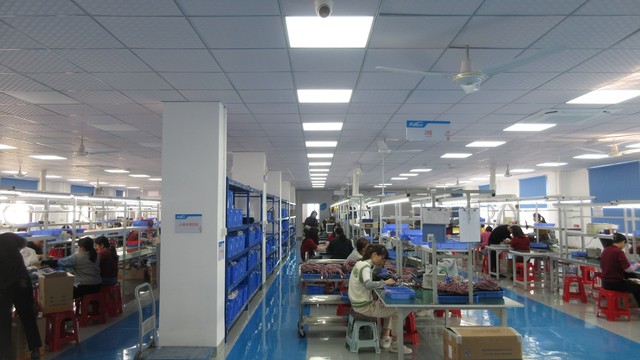
Shenzhen DCI Autos Co., Ltd. is a professional manufacturer specializing in electric vehicle components and advanced mobility technologies for the global automotive industry. Established in 2014, the company is headquartered in Shenzhen, Guangdong Province, a leading center for innovation in electric transportation and intelligent manufacturing. Operating from a modern production facility covering 28,000 square meters and supported by more than 300 employees, DCI Autos has developed comprehensive capabilities in engineering, manufacturing, testing, and international supply chain support.
The company focuses on the development and production of battery systems, power electronics, electric drivetrain components, battery management systems (BMS), charging system components, thermal management solutions, high-voltage electrical assemblies, and integrated EV powertrain technologies. Its products are designed to support passenger vehicles, commercial electric vehicles, light-duty transportation platforms, and emerging mobility applications.
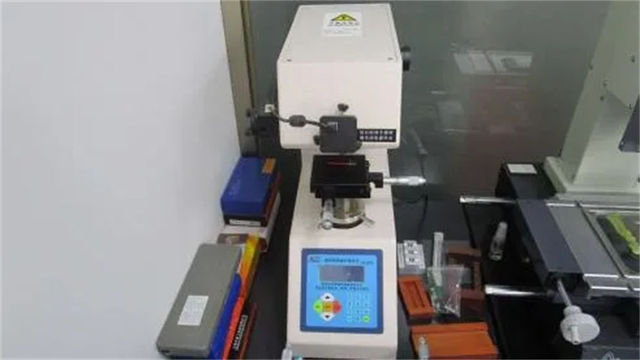
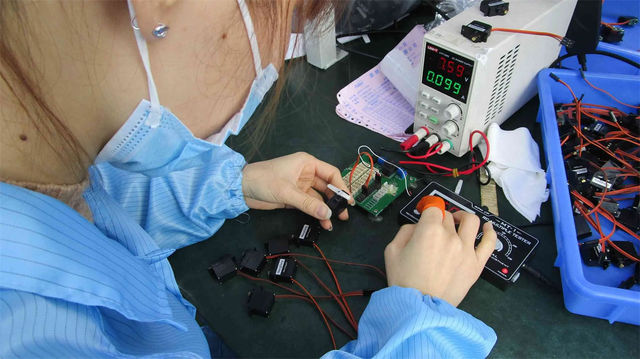
DCI Autos combines advanced manufacturing technologies, automated production equipment, and rigorous quality control procedures to ensure product reliability, efficiency, and long-term operational performance. The company operates dedicated engineering laboratories and testing facilities where products undergo extensive validation, environmental testing, and performance verification throughout the development and manufacturing process.
To meet the evolving requirements of the electric mobility sector, DCI Autos provides flexible OEM and ODM services, including customized component development, private-label manufacturing, system integration support, and application-specific engineering solutions. Its research and development team continuously explores innovations in electrification, energy management, lightweight design, and intelligent vehicle systems.
Today, Shenzhen DCI Autos Co., Ltd. serves customers across North America, Europe, Southeast Asia, the Middle East, South America, and other international markets. Through continuous innovation, precision manufacturing, and customer-focused collaboration, the company remains committed to supporting the global transition toward sustainable transportation and next-generation electric mobility technologies.
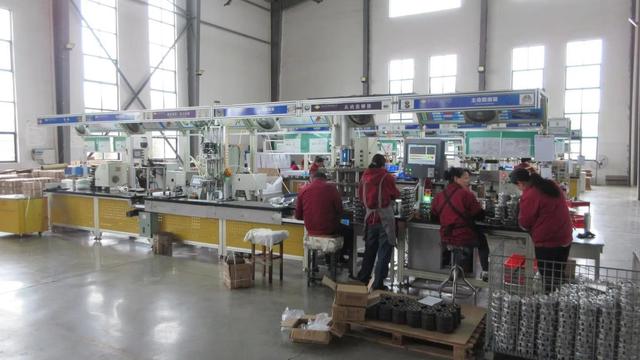
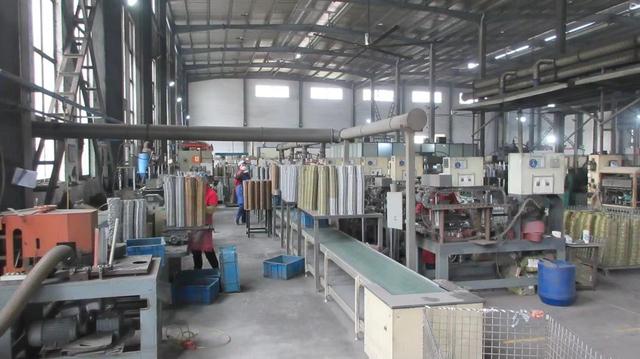
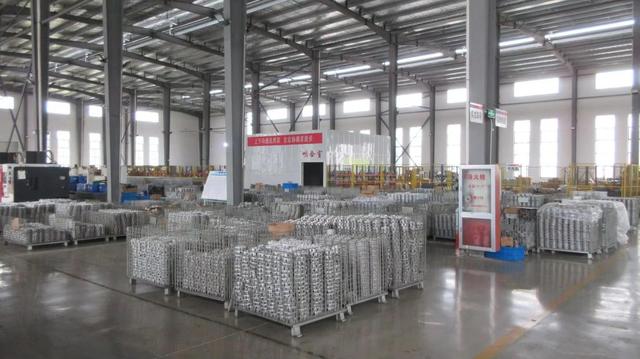
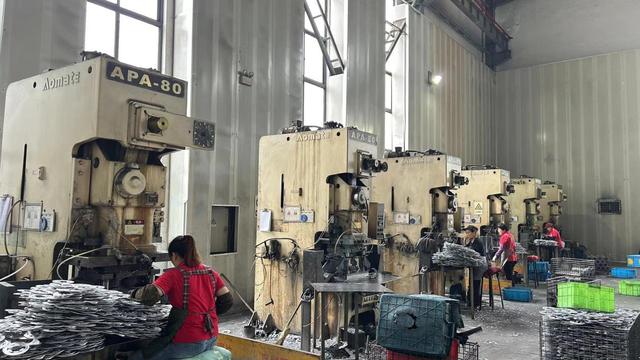

Expanding EV platforms into regional international markets requires meticulous adherence to local regulatory frameworks, safety norms, and environmental conditions. Shenzhen DCI Autos Co., Ltd. provides comprehensive engineering support to streamline global homologation and compliance.
| Target Region | Regulatory Standard & Certifications | Technical Adaptations Provided | Supply Chain SLA |
|---|---|---|---|
| North America | UL 2580, SAE J1772, ISO 26262 ASIL-C/D, FCC Part 15 Class B | Dual-layer insulation, high-voltage interlock loop (HVIL) redundancy, NEMA/IP67 enclosure customization. | Air express prototyping (7 days), Bulk sea freight (25-30 days). |
| European Union | UN ECE R10 (EMC), UN ECE R100 (EV Safety), CE Mark, RoHS / REACH | Type 2 CCS connector compatibility, halogen-free flame-retardant cabling, Low-EMI SiC gate driving. | DDP / FOB Rotterdam/Hamburg options available. |
| Southeast Asia & LatAm | AIS 038 (India), ISO 6469, High Humidity & Tropical Environmental Standards | Enhanced conformal coating on PCBA, thermal heat-sink expansion for ambient temp up to 55°C. | Direct shipping routes from Shenzhen/Guangdong ports. |
Initial co-engineering with client teams to define vehicle load profiles, peak torque demands, battery C-rates, space envelopes, and thermal performance targets via Finite Element Analysis (FEA).
Rapid prototyping of custom BMS firmware, integrated OBC housing casting, and specialized harness pinouts. Design Validation (DV) under extreme vibration, thermal shock, and salt spray.
Process Validation (PV) on high-speed automated SMT and robotic assembly lines. 100% automated optical inspection (AOI) and end-of-line (EOL) electrical safety burn-in prior to wholesale packing.
From compact urban hatchbacks to premium sedans (such as custom suspension arms for BYD Seal platforms), our integrated components deliver whisper-quiet acoustics, enhanced ride handling, and extended battery range per charge cycle.
Heavy-duty power management modules, high-voltage jumper cables, and 108V-72V Smart BMS tailored for continuous operational duty cycles, high-frequency stop-and-go energy regeneration, and fast DC charging resilience.
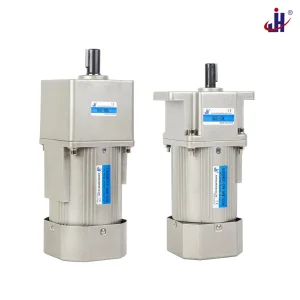
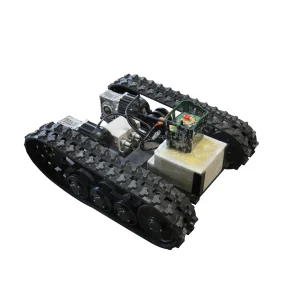
Robust components including lightweight 200kg rubber-tracked chassis undercarriages for electric excavators, specialized motor speed reducers, and high-reliability DC-DC converters engineered for rugged construction and agricultural environments.
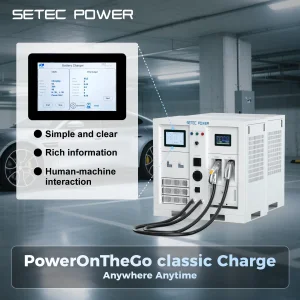
Integrated 30kWh to 1MWh emergency energy storage units combined with DC fast EV charging systems, facilitating off-grid power deployment, peak shaving, and commercial fleet fast-charging stations.
As wholesale EV component manufacturing enters its next evolutionary phase, Shenzhen DCI Autos Co., Ltd. is actively investing R&D capital into four forward-looking technology tracks to ensure our OEM partners retain a sustainable market lead:
Transitioning next-generation 2-in-1 (OBC + DC-DC) converters to wide-bandgap SiC MOSFETs, facilitating switching frequencies above 100kHz, reducing passive component sizes by 40%, and elevating peak power conversion efficiency to >97.5%.
Pioneering wireless BMS (wBMS) architectures that remove up to 90% of internal wiring harnesses within battery packs. Utilizing encrypted 2.4GHz mesh communication between cell monitoring units and the central vehicle control unit.
Embedding machine learning algorithms directly onto the vehicle’s thermal domain controller. By predicting road topography and charging station stops, the thermal management system pre-cools or pre-conditions the battery pack for ultra-fast charging.
 DCI Autos