As the global energy landscape undergoes a paradigm shift toward complete electrification, the limitations of electrochemical energy storage systems have moved to the center of engineering scrutiny. Battery performance, longevity, fast-charging capacity, and absolute safety are profoundly dependent on one variable: temperature control.
Modern lithium-ion and solid-state batteries operate efficiently within a narrow temperature window (typically 15°C to 35°C). Operating outside this range compromises battery life, reduces charging efficiency, and dramatically elevates the risk of thermal runaway. As a leading Battery Thermal Management Solutions Manufacturer & Exporter, Shenzhen DCI Autos Co., Ltd. engineering paradigms bridge the gap between high-power density cell dynamics and industrial thermal stability. Our system integrations ensure heat dissipation uniformity across large-format packs, allowing electric vehicles (EVs) and Grid Energy Storage Systems (ESS) to operate under extreme environmental demands without thermal degradation.
Shenzhen DCI Autos Co., Ltd. is a professional manufacturer specializing in electric vehicle components and advanced mobility technologies for the global automotive industry. Established in 2014, the company is headquartered in Shenzhen, Guangdong Province, a leading center for innovation in electric transportation and intelligent manufacturing. Operating from a modern production facility covering 28,000 square meters and supported by more than 300 employees, DCI Autos has developed comprehensive capabilities in engineering, manufacturing, testing, and international supply chain support.
The company focuses on the development and production of battery systems, power electronics, electric drivetrain components, battery management systems (BMS), charging system components, thermal management solutions, high-voltage electrical assemblies, and integrated EV powertrain technologies. Its products are designed to support passenger vehicles, commercial electric vehicles, light-duty transportation platforms, and emerging mobility applications.
DCI Autos combines advanced manufacturing technologies, automated production equipment, and rigorous quality control procedures to ensure product reliability, efficiency, and long-term operational performance. The company operates dedicated engineering laboratories and testing facilities where products undergo extensive validation, environmental testing, and performance verification throughout the development and manufacturing process.
To meet the evolving requirements of the electric mobility sector, DCI Autos provides flexible OEM and ODM services, including customized component development, private-label manufacturing, system integration support, and application-specific engineering solutions. Its research and development team continuously explores innovations in electrification, energy management, lightweight design, and intelligent vehicle systems.
Today, Shenzhen DCI Autos Co., Ltd. serves customers across North America, Europe, Southeast Asia, the Middle East, South America, and other international markets. Through continuous innovation, precision manufacturing, and customer-focused collaboration, the company remains committed to supporting the global transition toward sustainable transportation and next-generation electric mobility technologies.
Thermal management cannot be a one-size-fits-all product. Different industrial sectors place drastically distinct physical, electrical, and thermal loads on energy storage packs. Our strategic divisions cater specifically to these distinct demands.
To support high-acceleration driving profiles and ultra-fast DC charging curves (4C or higher), passenger vehicles require thin, highly conductive aluminum cooling plates, optimized structural bonding, and integrated cooling channels that match complex Cell-to-Pack (CTP) structures.
Electric trucks, buses, and heavy utility platforms require massive battery capacities designed for long operating hours under maximum torque. Our heavy-duty liquid cooling loops utilize robust connection systems and reinforced microchannel plates to handle severe mechanical vibrations and high coolant flow rates.
Stationary storage containers require systems focused on prolonged cycle life and minimal energy consumption. We engineer chiller systems integrated with smart controller loops that maintain container-wide thermal uniformity, mitigating hot spots and significantly extending utility battery asset life.
The trajectory of battery thermal management is transitioning rapidly from classic passive designs to highly integrated, active thermodynamic systems. DCI Autos remains at the forefront of this evolution, structuring our R&D around the following technological pillars:
While indirect liquid cooling (using cold plates) remains the current industry standard, direct immersion cooling is the next frontier. By submerging battery cells directly into specialized dielectric fluids, thermal resistance is virtually eliminated. This enables uniform cell temperatures even under extreme 10-minute fast-charging cycles.
Incorporating smart PCMs into thermal barriers provides passive safety buffers. These materials absorb substantial latent heat during peak discharge rates or minor faults, slowing down temperature rise and preventing localized cell thermal runaway propagation to adjacent modules.
Hardware efficiency is optimized via software. Our development pipeline incorporates predictive thermal control algorithms. By analyzing real-time drive-cycle data, ambient trends, and internal cell resistance patterns, the system proactively cools the battery pack before heat spikes occur.
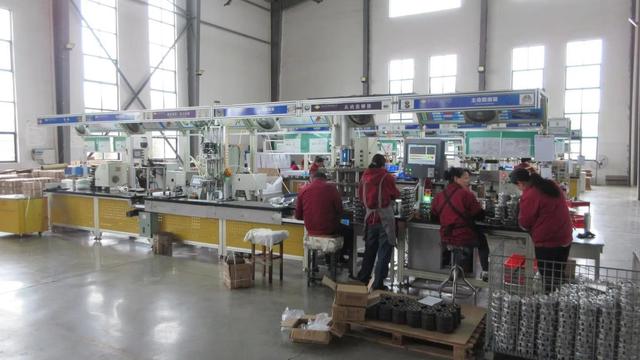
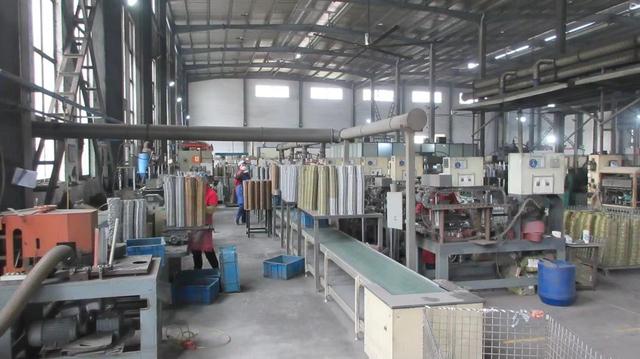
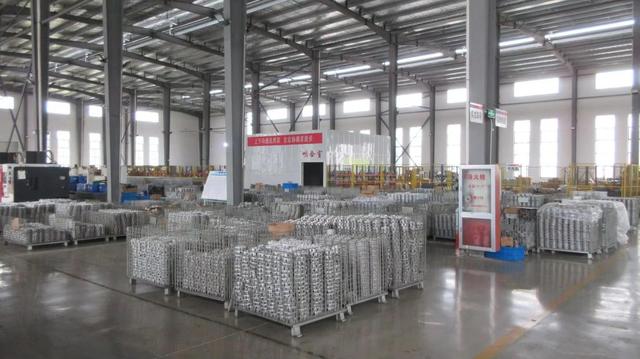
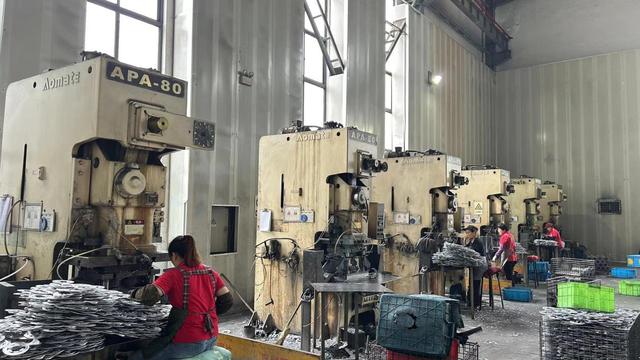
Operating in Shenzhen, the global hub of electric vehicle engineering, DCI Autos leverages a fully vertical supply chain. Our state-of-the-art facility utilizes advanced metallurgy, precision CNC setups, automated welding stations, and specialized testing chambers to guarantee component reliability under all stress scenarios.
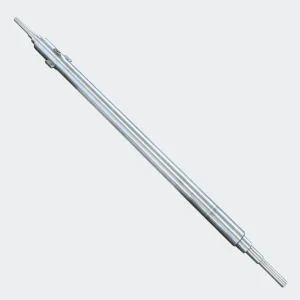
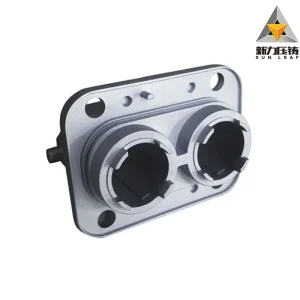
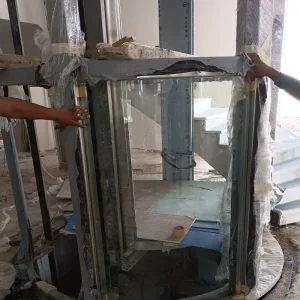
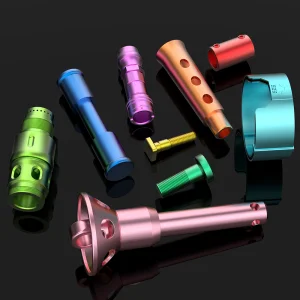
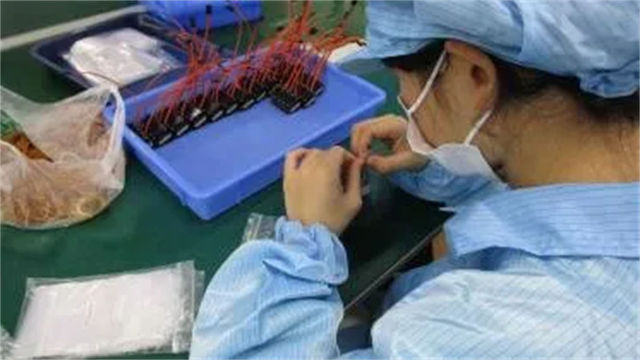
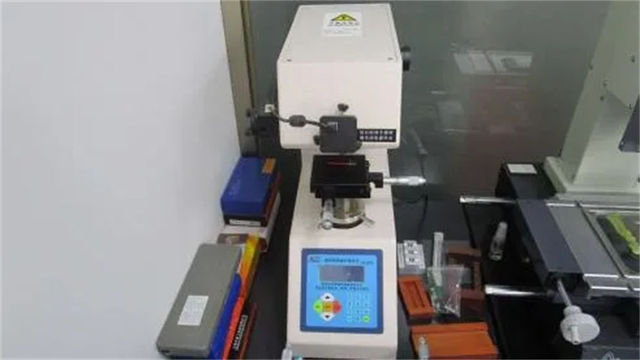
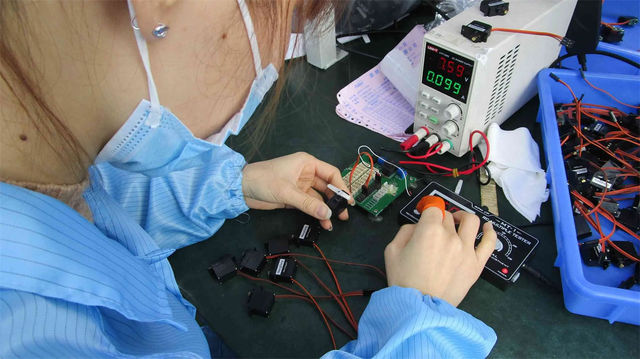
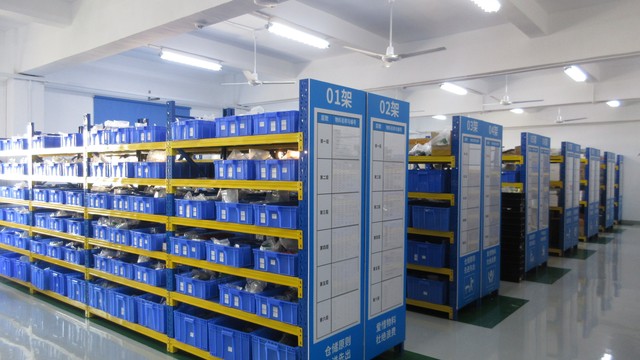
Our manufacturing operations utilize advanced technologies, automated production equipment, and rigorous quality control procedures. The company operates dedicated engineering laboratories and testing facilities where products undergo extensive validation, environmental testing, and performance verification throughout the development and manufacturing process. Below are key scenes from our production floor:
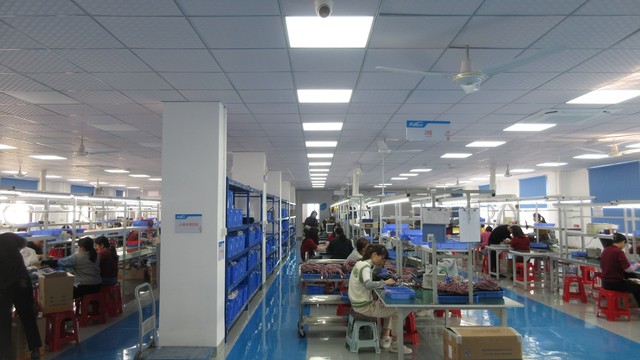
International Tier-1 automotive suppliers and developers face complex integration challenges when sourcing custom components: matching strict tolerances, validating thermal designs, and ensuring regulatory compliance. At DCI Autos, we simplify global procurement through structured ODM/OEM protocols.
Our R&D team provides complete Design for Manufacturability (DFM) reviews. We convert structural drafts and thermal performance demands into optimization plans, streamlining components for efficiency and rapid scale-up.
From multi-axis CNC milling of complex fluid distribution manifolds to high-pressure aluminum die casting and robotic friction stir welding (FSW), we deliver precise physical parameters to guarantee leak-proof thermal loops.
Every liquid-carrying component undergoes rigorous pressure-drop and helium leak-detection tests. This ensure continuous, worry-free operation throughout the entire operational lifetime of the vehicle or power system.
Exporting to North America, Europe, Southeast Asia, and the Middle East requires strict adherence to international safety standards. Shenzhen DCI Autos Co., Ltd. maintains robust internal engineering protocols to meet global regulatory frameworks:
Our materials selection strictly complies with RoHS and REACH requirements, ensuring environmental compatibility and easy integration into Western production lines. High-voltage sub-assemblies and cabling systems are designed to comply with IP67 or IP69K ingress protection and flame-retardant standards (e.g., UL94 V-0). By utilizing local warehousing options and engineering partners in major hubs, we support our clients from original design stages through global delivery and product implementation.
 DCI Autos