Engineered for maximum thermal efficiency, robust safety compliance, and direct system integration in commercial and passenger vehicles.
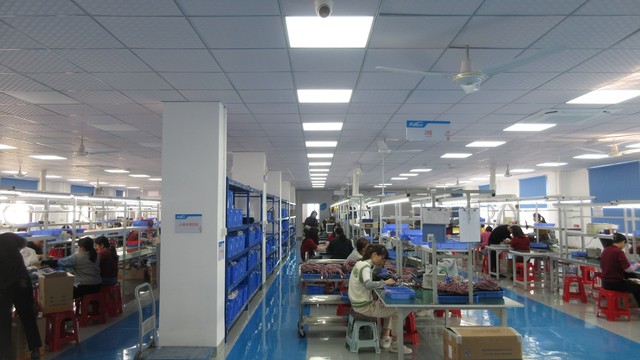
Shenzhen DCI Autos Co., Ltd. is a leading tier-1 manufacturer specializing in high-performance electric vehicle components and advanced mobility technologies for the global automotive industry. Established in 2014 and headquartered in Shenzhen, the silicon valley of hardware and electric transportation, DCI Autos has grown into a major OEM/ODM developer. Operating from a modern production facility covering 28,000 square meters and supported by more than 300 employees, we deliver robust engineering solutions spanning high-voltage distribution systems, electric powertrains, thermal control systems, and complex wire harness designs.
Our core product lines include specialized battery management systems (BMS), high-precision vehicle controllers (VCU), traction motors (PMSM), and structural lightweight components. To maintain absolute reliability under extreme environmental stresses, our engineering department validates each design inside dedicated testing laboratories equipped for vibration profiling, electromagnetic compatibility (EMC), thermal cycling, and high-voltage breakdown analysis.
Developing tomorrow's propulsion and distribution architectures to transition commercial fleets and passenger transport to a zero-emission future.
Moving beyond standard 400V platforms, we are developing and optimizing power distribution systems and power electronics compatible with 800V and 1000V levels. This enables ultra-fast DC charging profiles and reduces copper wire volume, contributing to massive savings in raw material costs and vehicle weight.
Our upcoming powertrain control systems incorporate Silicon Carbide (SiC) MOSFETs to replace traditional silicon-based IGBT inverters. This shift increases switching frequencies, reduces thermal losses by up to 60%, and achieves an inverter efficiency rating of over 99% under peak load conditions.
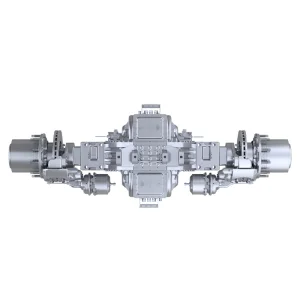
By merging the motor, gearbox, and power inverter into a single mechanical housing, we offer highly integrated electric powertrains. Our compact architecture minimizes electromagnetic interference, eliminates external high-voltage DC phase cables, and increases assembly speeds on OEM production lines.
In high-power automotive platforms, electrical pathways and thermal management systems cannot be designed in silos. DCI Autos adopts a co-design methodology where high-voltage busbars, thermal paste, water jackets, and software logic loops are designed concurrently. This reduces hotspots by 25°C, ensuring safety during high-amperage regenerative braking and rapid-charge events.
Deploying specialized technology platforms tailored for light commercial, municipal transit, cargo transport, and custom utility applications.
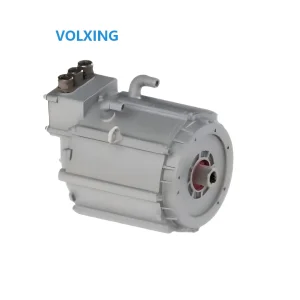
Commercial fleets demand heavy-duty uptime and resilient continuous torque. We supply custom Permanent Magnet Synchronous Motors (PMSM) up to 240kW (with peak outputs of 400kW) operating on 320V to 540VAC systems. These are complemented by heavy-duty 24V battery thermal management systems (BTMS) that keep thermal variance within ±2°C across large cell matrices.
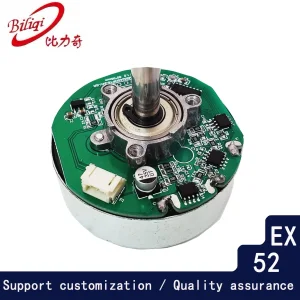
From light transport to customized drone platforms, weight reduction and precise control are critical. We produce custom CNC machined aluminum 7075 components with precision sandblasting and anodizing for lightweight drone frames. In addition, our high-efficiency micro DC motors provide auxiliary systems with reliable actuation at minimal current draw.
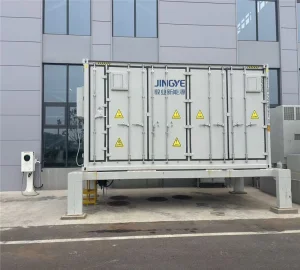
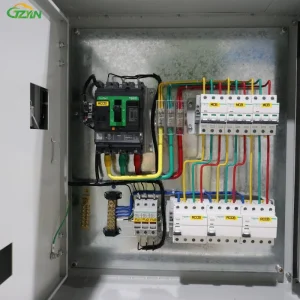
To bridge the gap between grid supply and vehicle demands, we engineer complete 380V power distribution cabinets with 200 Amp capacity. These assemblies incorporate high-performance industrial circuit breakers, overcurrent sensors, and thermal monitoring modules, facilitating safe power deployment for depot charging stations.
Leveraging localized component sourcing, advanced production robotics, and integrated testing facilities in Shenzhen.
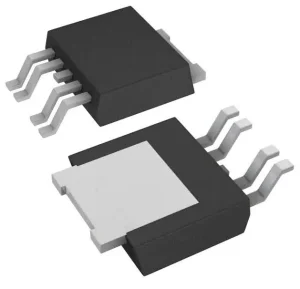
Our facility operates under IATF 16949 guidelines to maintain quality control levels required by tier-1 automotive companies globally. Shenzhen's highly integrated supply chain ecosystem allows DCI Autos to secure raw materials, electronic semiconductors (IC chips), and high-grade aluminum alloys within hours.
Before any power management system, DC-DC converter, or traction motor leaves our factory floor, it undergoes a mandatory running test under thermal variations ranging from -40°C to +85°C. This ensures that latent defects in IC chips or weld joints are detected and resolved during the manufacturing stage.
Flexible OEM/ODM engineering paths designed to minimize development lead times, reduce tooling costs, and secure shipping lines.
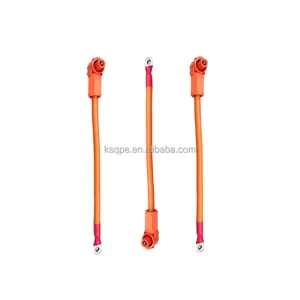
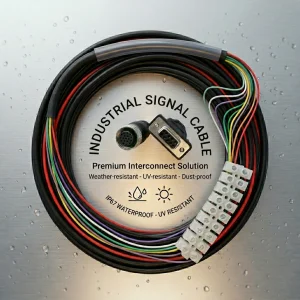
Automotive modifications require specialized wiring configurations. We specialize in waterproof plug wiring harnesses and high-voltage parallel cabling solutions. By using robust silicon insulation and specialized automotive-grade sealing, we protect sensitive signal pathways against moisture ingress and oil contamination.
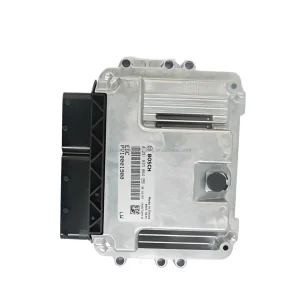
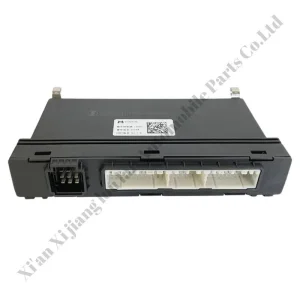
For custom commercial vehicles, our Body Control Modules (BCM) and Vehicle Control Units (VCU) offer programmable CAN bus and LIN bus interfaces. This allows engineers to program custom torque requests, auxiliary power management profiles, and energy recovery protocols without redesigning the core hardware platform.
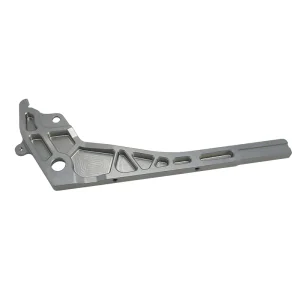
Our CNC machining departments handle precision milling of 7075 and 6061 aluminum alloy components. With sandblasting and protective anodizing options, we provide lightweight housings for drone frames and electronics enclosures. This supports low-volume pre-production verification phases before moving to permanent casting tools.
Meeting stringent global regulatory frameworks for electrical safety, battery transport, and functional safety systems.
Our advanced ECU and VCU programs are designed to satisfy safety goals up to ASIL-D, featuring dual-core lockstep processor topologies and built-in self-diagnostic routines.
High-voltage enclosures and distribution systems are rated at IP67 and IP69K, preventing moisture ingress even under pressurized high-temperature washing.
All batteries, thermal control components, and charging equipment comply with UN38.3, CE, FCC, RoHS, and local shipping protocols, ensuring smooth customs processing.
Answers to critical integration, thermal management, and power distribution questions faced by vehicle design engineers.
Explore auxiliary power modules, motor control units, and customized wiring harnesses for diverse transportation projects.
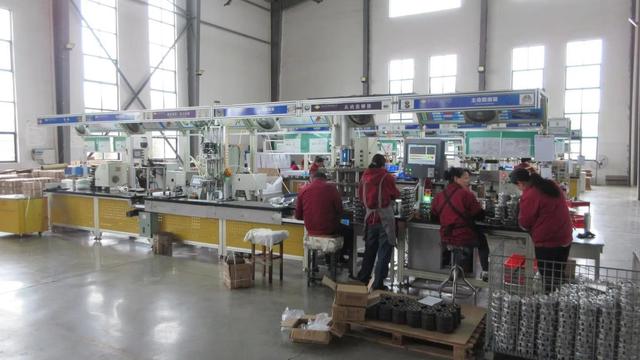
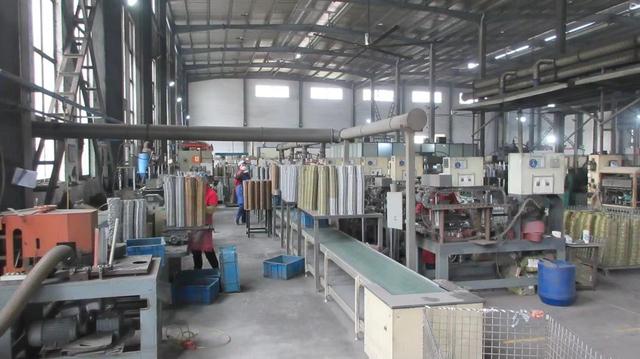
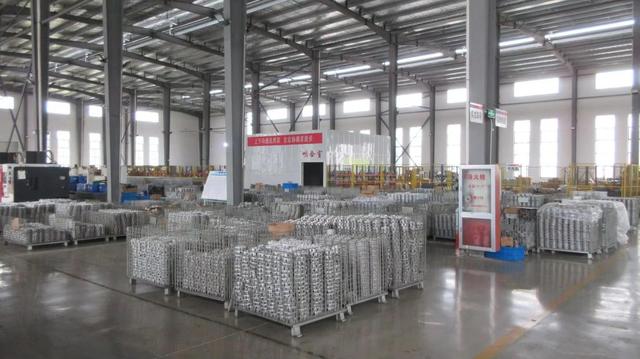
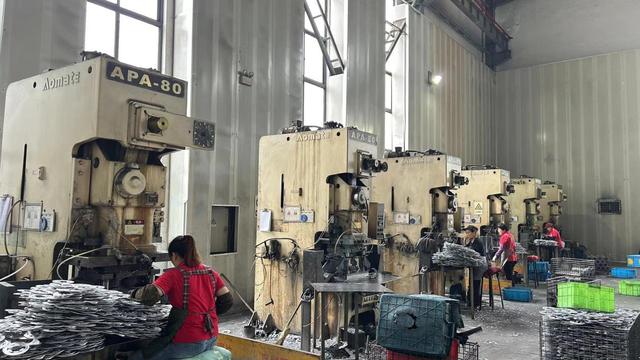
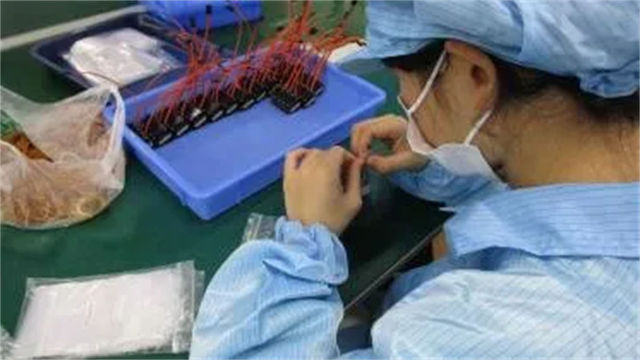
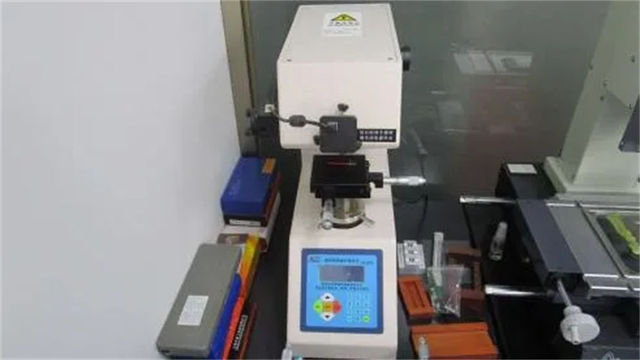
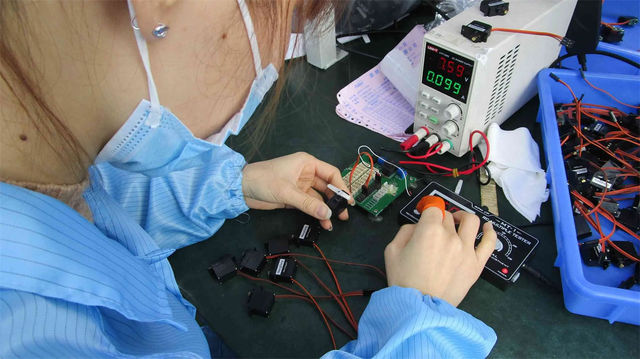
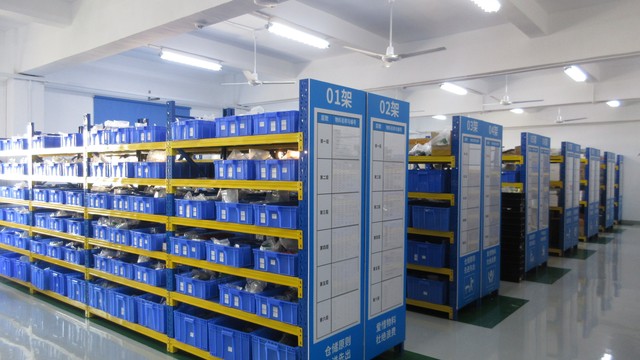
Inside our 28,000 square meter factory floor in Shenzhen, highlighting SMT placement, testing, and final powertrain assembly.
 DCI Autos