Shenzhen DCI Autos Co., Ltd. is an industry-leading manufacturer specializing in high-voltage electric vehicle (EV) powertrain systems, advanced power electronics, battery management systems (BMS), and precision structural components. Founded in 2014 and headquartered in Shenzhen, the silicon valley of global EV manufacturing, DCI Autos leverages a modern 28,000 square meter production facility and over 300 engineering and production personnel to supply automotive Tier-1 OEM and ODM partners globally.
Our operational philosophy revolves around high integration, compliance with strict functional safety standards (ISO 26262, ASIL-D), and optimizing structural designs for lightweight architectures. Through integrated manufacturing technologies and extensive vehicle-level validation, we ensure all power distribution systems, bidirectional chargers, thermal management assemblies, and active balance BMS components perform reliably under demanding global operational parameters.
Global OEMs demand that all intelligent EV systems conform to localized automotive directives, including UNECE regulations, EU CE certifications, and North American FMVSS. The procurement of components such as high-voltage on-board chargers (OBC) and vehicle control units (VCUs) requires complete documentation of electromagnetic compatibility (EMC/EMI) compliance, IP67/IP68 ingress protection testing, and UL/TUV certifications.
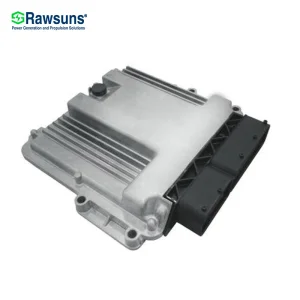
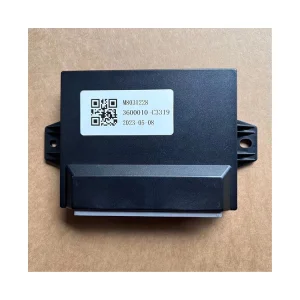
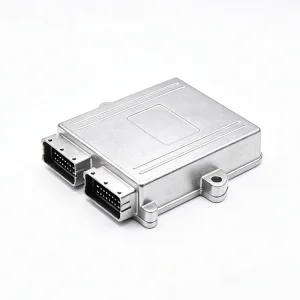
With software-defined vehicles (SDVs) dominating modern fleets, procurement teams prioritize firmware integrity and real-time failure mitigation. Vehicle Control Units (VCUs) must employ dual-core lockstep processor topologies with dedicated Hardware Security Modules (HSM) to enable encrypted Over-The-Air (OTA) software flashing and secure CAN/RS485 fieldbus operations, preventing external bus interception.
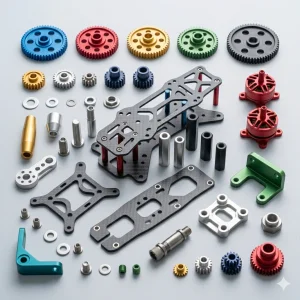
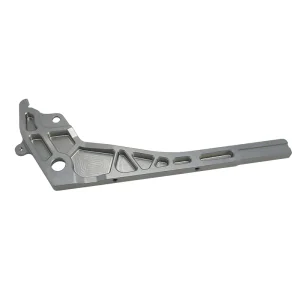
Extending driving range per charge requires EV systems to feature optimized weight profiles. In power electronics, this involves utilizing Wide Bandgap (WBG) semiconductors like Silicon Carbide (SiC) to reduce thermal footprints and sizing requirements. In structural subsystems, it dictates transitioning to custom-machined 7075-T6 aluminum alloys and high-precision CNC lightweight chassis components.
Modern EV development demands the synchronization of electronic logic with physical power structures. Shenzhen DCI Autos designs cohesive industrial solutions where components do not act as isolated units, but as part of a highly coordinated system.
By integrating the Vehicle Control Unit (VCU), Battery Management System (BMS), and Power Distribution Unit (PDU), we reduce high-voltage wiring by up to 30%, mitigating electromagnetic interference and decreasing system failure points. This optimization allows Tier-1 integrators to accelerate vehicle packaging while improving reliability.
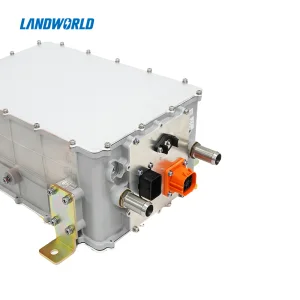
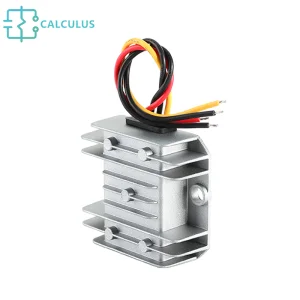
Our bidirectional charging architectures (OBC + DC-DC) enable Vehicle-to-Grid (V2G) and Vehicle-to-Load (V2L) functionalities. Incorporating high-frequency planar transformers and digital control loops, these converters optimize efficiency across varying battery voltages (250V–800V DC).
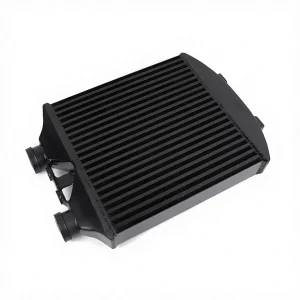
Integrating high-efficiency CNC-machined aluminum alloy intercoolers and leak-proof cooling plates into the EV chassis enables precise temperature regulation of batteries and power electronics. This system maintains temperatures within the critical 25°C to 35°C window to maximize battery life.
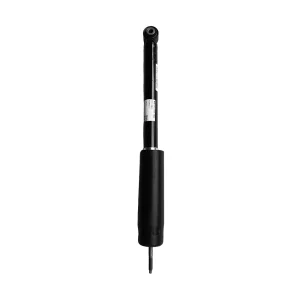
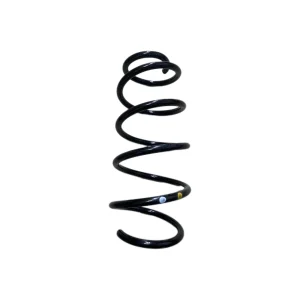
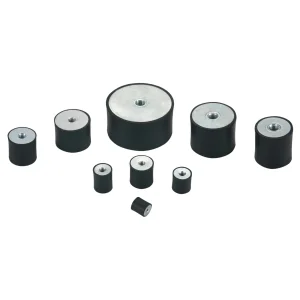
EV chassis undergo unique load demands due to battery pack placement. Heavy-duty suspension springs and rubber shock absorbers are specifically designed to manage high unsprung mass, mitigating vibration transfer to high-voltage electronics and improving cabin NVH characteristics.
The transition toward next-generation mobility platforms requires clear engineering projections. Shenzhen DCI Autos Co., Ltd. continuously updates its technological roadmap to meet the demands of tomorrow's electric drivetrains.
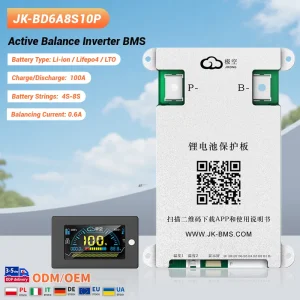
Moving from traditional 400V IGBT configurations to 800V SiC-based architectures to halve charging times and decrease current levels. This transition includes active BMS architectures that use bidirectionally controlled inductive balancing to transfer charge between cells with minimal energy loss.
Integrating battery cells directly into the vehicle's structural frame. This requires highly precise CNC-machined structural members and thin-walled aluminum alloy die-cast housings to ensure structural integrity and crashworthiness without adding excess weight.
Merging the functions of the VCU, BMS, MCU, and ADAS into centralized domain controllers. These systems will use real-time operating systems (RTOS) to manage power distribution dynamically, optimizing range based on traffic data and predictive route analysis.
As international emission standards tighten, regional electrification strategies vary. North American markets lean toward heavy-duty, high-torque electric commercial trucks and utility vehicles, requiring robust shock absorbers and vibration isolators. In Europe, the focus remains on light commercial vehicles, urban commuter platforms, and bidirectional home charging (V2H) systems. Emerging markets in Southeast Asia and South America drive strong demand for cost-effective EV passenger car conversions and localized vehicle control modules.
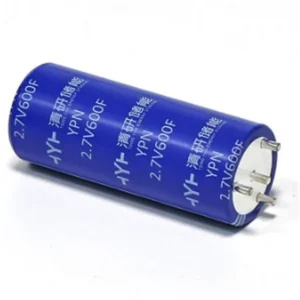
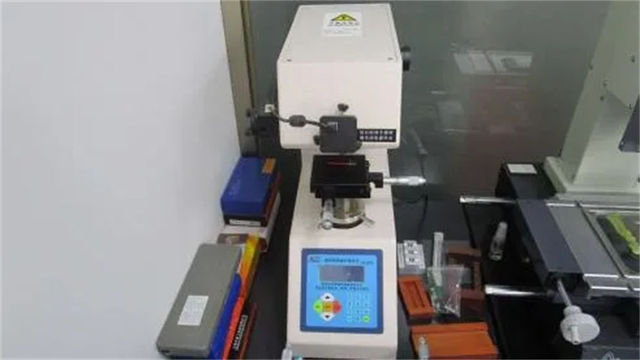
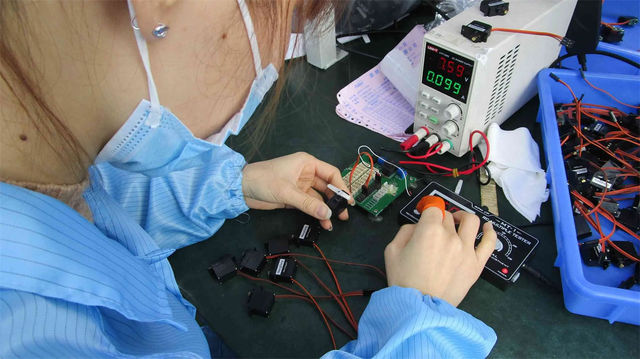
Shenzhen DCI Autos Co., Ltd. addresses these diverse needs through local distribution networks, compliant logistics practices, and technical support. Our manufacturing processes utilize automated optical inspection (AOI), dual-stage dynamic load testing, and environmental simulation chambers to verify that every component, from laser-welded supercapacitors to complex powertrain subsystems, maintains operational stability in various climates.
All manufacturing facilities at DCI Autos operate under the IATF 16949 quality framework. This standard mandates comprehensive traceability for every component down to the raw material lot numbers. Advanced Product Quality Planning (APQP) and Failure Mode and Effects Analysis (FMEA) processes are standard procedure throughout product development cycles, minimizing lifecycle failure rates.
To support international distribution, we provide comprehensive compliance documentation, including PPAP (Production Part Approval Process) level-3 packages, CE conformity certificates, and material declarations via the International Material Data System (IMDS). This technical transparency simplifies client validation processes and streamlines customs clearance.
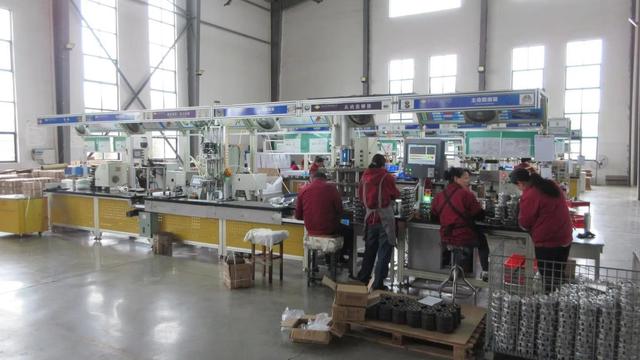
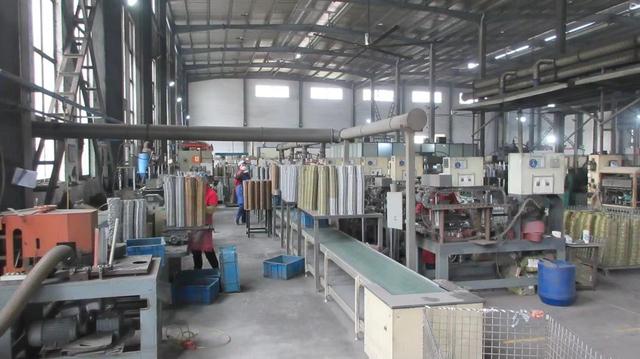
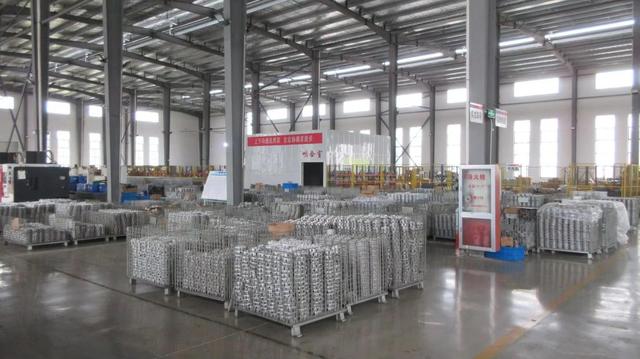
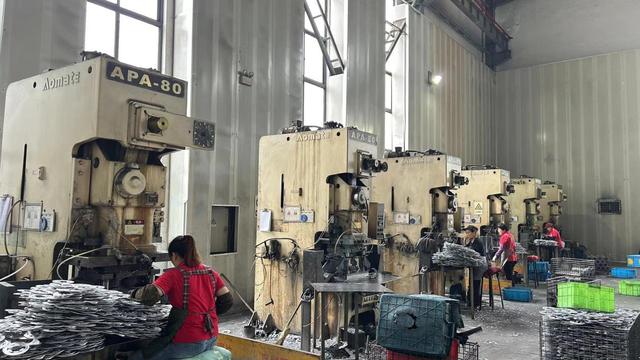
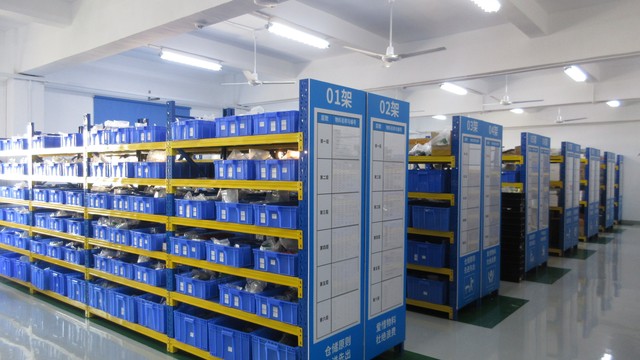
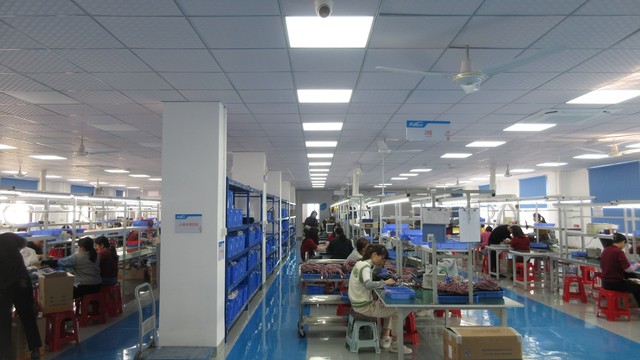
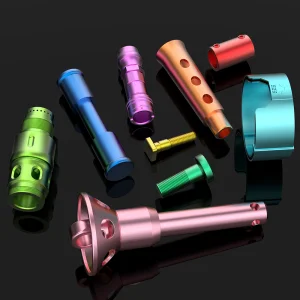
Operating out of our modern 28,000 square meter Shenzhen facility, DCI Autos employs state-of-the-art testing equipment, automated mounting systems, and high-speed CNC centers to deliver precision at scale.

Connect with our technical design team in Shenzhen to request PPAP documentation, verify chemical compatibility, or configure custom VCU firmware.
Contact Engineering Team DCI Autos