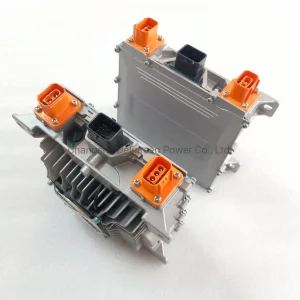
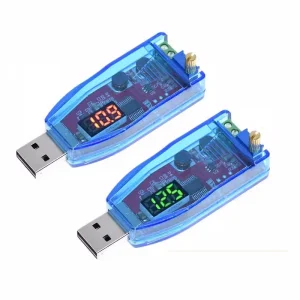
Shenzhen DCI Autos Co., Ltd. is a professional manufacturer specializing in electric vehicle components and advanced mobility technologies for the global automotive industry. Established in 2014, the company is headquartered in Shenzhen, Guangdong Province, a leading center for innovation in electric transportation and intelligent manufacturing.
Operating from a modern production facility and supported by a diverse engineering team, DCI Autos has developed comprehensive capabilities in engineering, manufacturing, testing, and international supply chain support. The company focuses on the development and production of battery systems, power electronics, electric drivetrain components, battery management systems (BMS), and CE Certified Wireless Power Transfer (WPT) components.
Wireless Power Transfer is no longer a futuristic concept but a commercial reality reshaping the industrial landscape. As leading manufacturers, we prioritize Inductive Resonant Coupling technology, which allows for high-efficiency energy transmission over air gaps of up to 200mm with efficiency rates exceeding 92%.
Utilizing magnetic fields to transfer energy between two coils. Ideal for static charging pads in consumer electronics and small AGVs where alignment is precise.
Designed for mid-range distance. This technology allows for greater spatial freedom and "one-to-many" charging, crucial for complex industrial robotics.
The next frontier. Using microwave or laser technology for long-distance transmission, currently being piloted for IoT sensors and smart city infrastructure.
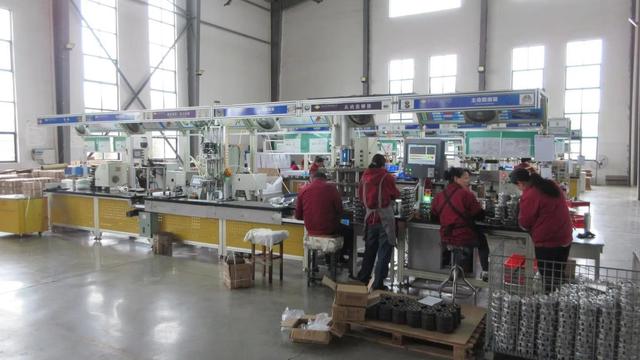
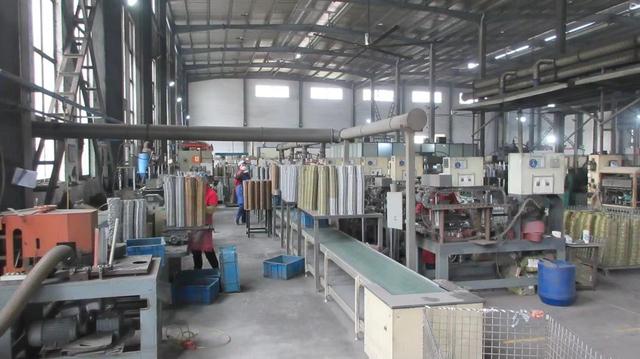
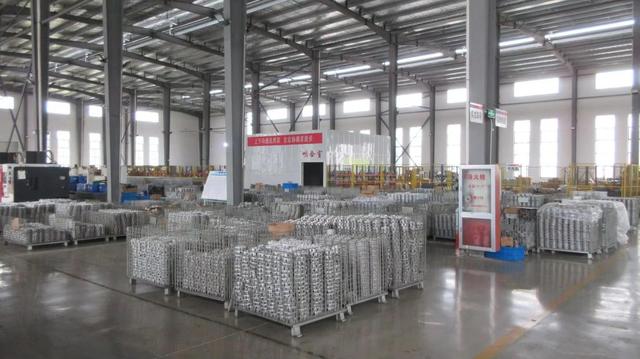
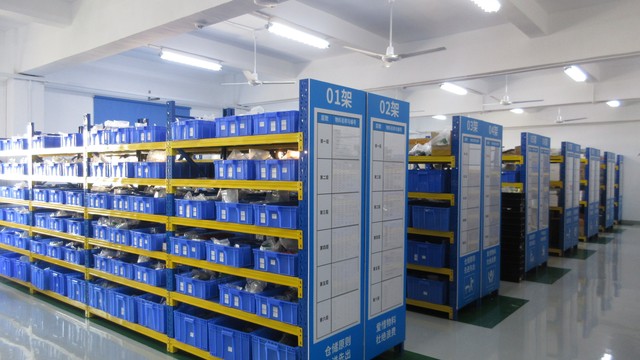
Shenzhen DCI Autos leverages the unique ecosystem of the "Greater Bay Area" to provide unmatched supply chain agility. Our 28,000 square meter facility is equipped with fully automated SMT lines and high-precision CNC machining centers.
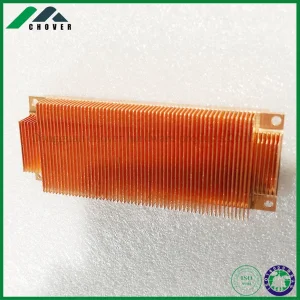
From PCBA design to thermal management housing, we control 90% of the manufacturing process in-house, reducing lead times by 30%.
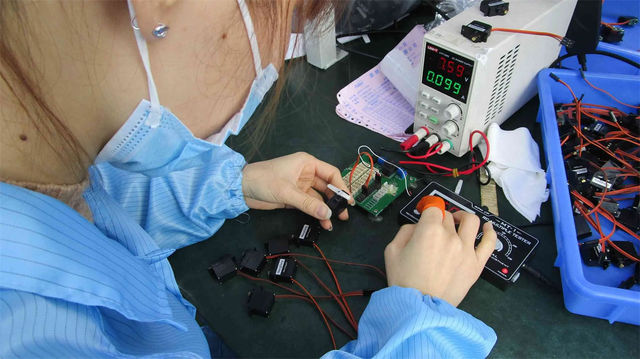
Our testing labs simulate extreme environmental conditions, ensuring every WPT module withstands temperature fluctuations from -40°C to +85°C.
Proximity to Shenzhen and Hong Kong ports ensures that our CE certified products reach European and North American markets with optimized shipping costs.
The versatility of CE certified wireless power transfer components allows for seamless integration across diverse sectors. DCI Autos provides bespoke OEM/ODM services for the following applications:
Autonomous Guided Vehicles (AGVs) can now charge without downtime. Using "opportunity charging" at pickup stations, factory throughput is increased by up to 20%.
Wireless power eliminates the need for physical connectors that can harbor bacteria. Ideal for surgical robots and portable imaging equipment in sterile environments.
Public and residential wireless pads remove the "range anxiety" of manually plugging in, creating a seamless user experience for the next generation of smart EVs.
Fully sealed WPT units prevent corrosion from salt and humidity, making them the superior choice for underwater ROVs and coastal monitoring stations.
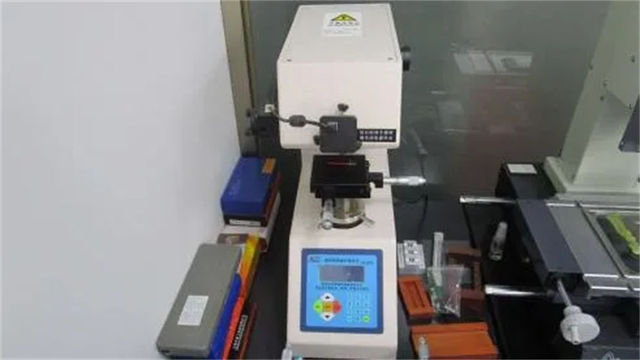
Exporting to Europe requires strict adherence to CE Certification, which involves electromagnetic compatibility (EMC), Radio Equipment Directive (RED), and safety assessments (EN 62311). DCI Autos ensures that every wireless system meets these rigorous standards.
Advanced ferrite shielding techniques ensure that magnetic fields are contained, preventing interference with other electronic systems or wireless signals.
Our intelligent sensors detect coins, keys, or metal debris between the coils, automatically halting power to prevent overheating and fire hazards.
With partners across Europe and North America, we provide on-site technical support and rapid component replacement, ensuring operational continuity.

 DCI Autos