Precision-engineered solutions for the next generation of electric mobility
Navigating the complex landscape of electric vehicle infrastructure and energy management
The global transition to electric mobility is no longer a future projection—it is a present-day industrial imperative. As CE Certified Charging Network Solutions Manufacturers, we recognize that the backbone of this transition is not just the vehicles themselves, but the sophisticated Charging Network Solutions that sustain them. In today's macro-economic climate, governments and private enterprises are investing trillions into "Net Zero" initiatives, necessitating a robust, scalable, and interoperable charging architecture.
Our solutions are designed to bridge the gap between volatile renewable energy sources and the constant demand of EV fleets. Through Smart Grid synchronization, we enable load balancing that prevents local grid overloads during peak charging hours.
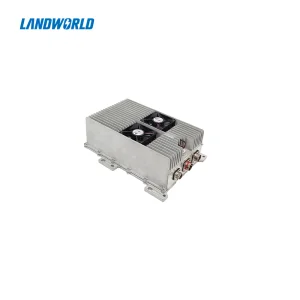
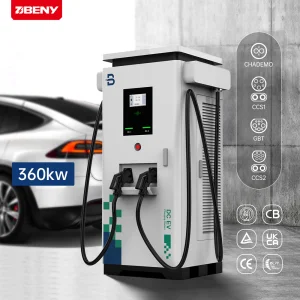
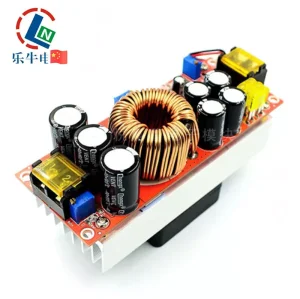
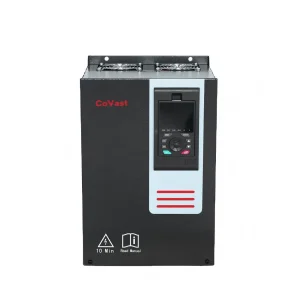
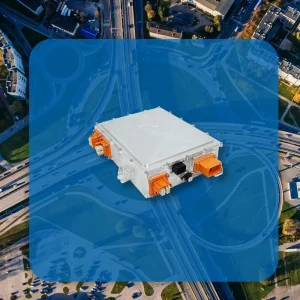
With the rise of 800V vehicle architectures, our DC/DC converters and liquid-cooled charging stations (up to 360kw) are leading the charge in reducing "range anxiety" by providing ultra-fast charging capabilities that mirror the refueling time of internal combustion engines.
Compliance is the cornerstone of trust. By adhering to CE (Conformité Européenne) standards and ISO 15118 protocols, we ensure that our hardware is "future-proof," supporting Plug & Charge (PnC) and bidirectional energy transfer (V2G/V2X).
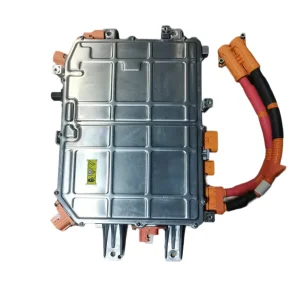
Operating as a premier supplier of charging network solutions, Shenzhen DCI Autos Co., Ltd. understands that "local" means more than just geography—it means compliance with regional grid codes and safety regulations. Whether it is the IEC 61851 standard in Europe, SAE J1772 in North America, or GB/T in Asia, our engineering team ensures that every component—from the Power Distribution Unit (PDU) to the On-Board Charger (OBC)—is optimized for local electrical environments.
Tailored solutions for diverse operational requirements
Implementation of 360kw liquid-cooled DC stations in shopping malls and office complexes, utilizing dynamic load management to maximize throughput without upgrading building transformers.
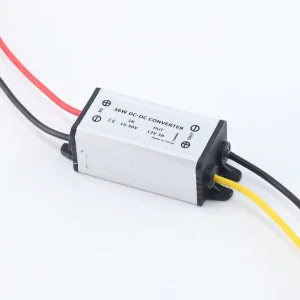
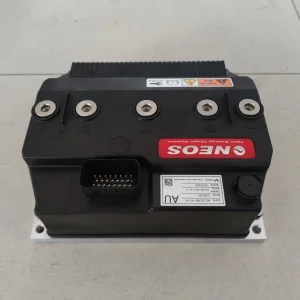
Forklift and commercial fleet charging solutions using high-precision motor controllers and robust DC-DC converters (24V to 12V / 48V to 12V) for material handling equipment.
Integration of Bi-directional 2-in-1 converters for Vehicle-to-Home (V2H) applications, allowing homeowners to use their EV as a backup battery during power outages.
The next decade of EV charging will be defined by Autonomy, Intelligence, and Efficiency. DCI Autos is currently pioneering research into the following technological frontiers:
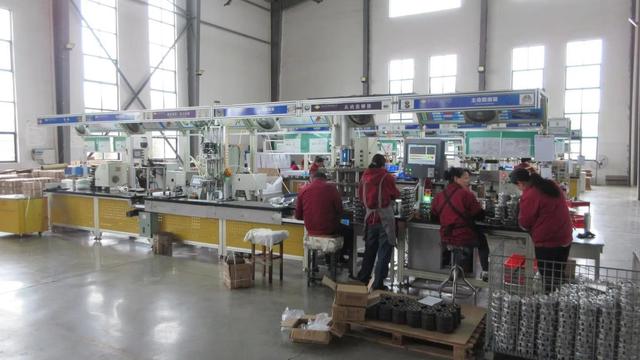
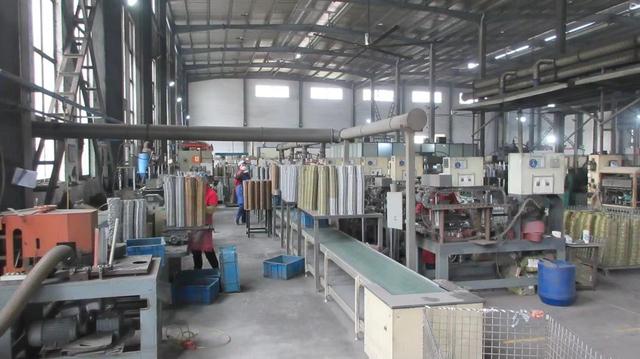
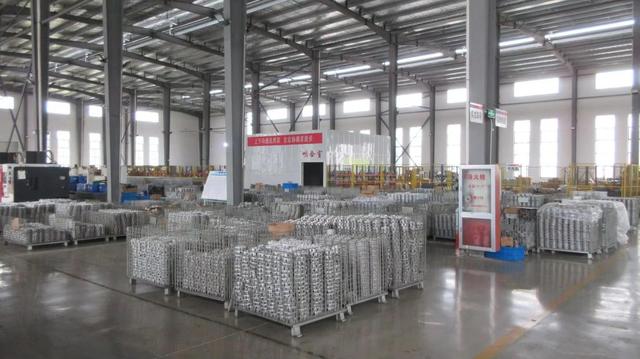
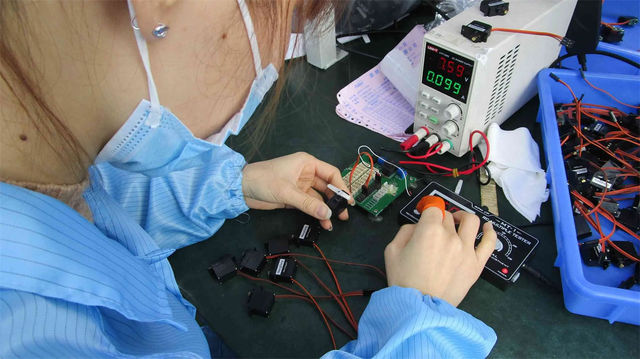
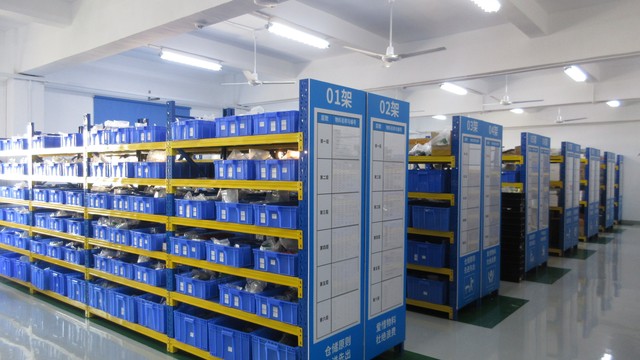
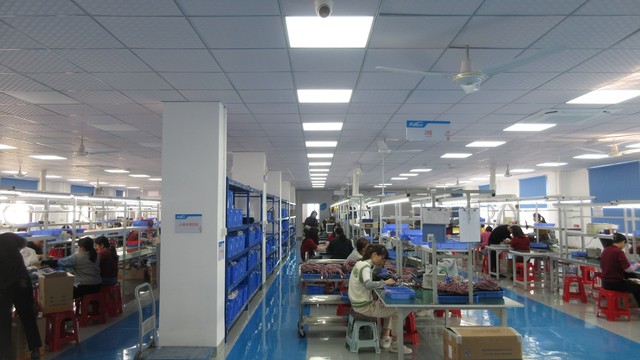
Shenzhen DCI Autos Co., Ltd. is a professional manufacturer specializing in electric vehicle components and advanced mobility technologies for the global automotive industry. Established in 2014, the company is headquartered in Shenzhen, Guangdong Province, a leading center for innovation in electric transportation and intelligent manufacturing. Operating from a modern production facility covering 28,000 square meters and supported by more than 300 employees, DCI Autos has developed comprehensive capabilities in engineering, manufacturing, testing, and international supply chain support.
The company focuses on the development and production of battery systems, power electronics, electric drivetrain components, battery management systems (BMS), charging system components, thermal management solutions, high-voltage electrical assemblies, and integrated EV powertrain technologies. Its products are designed to support passenger vehicles, commercial electric vehicles, light-duty transportation platforms, and emerging mobility applications.
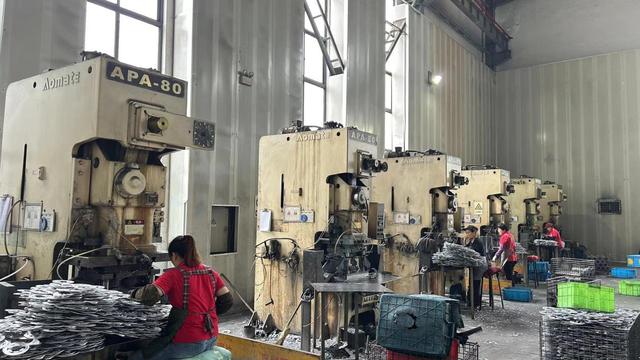
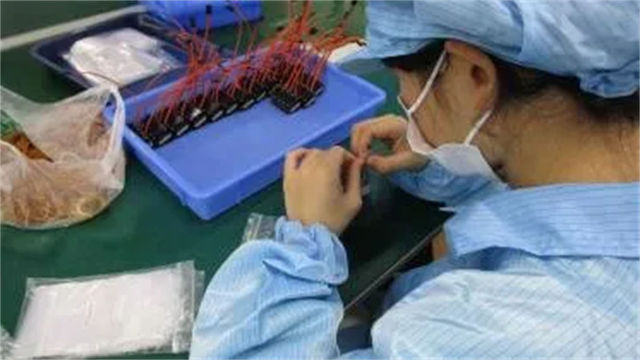
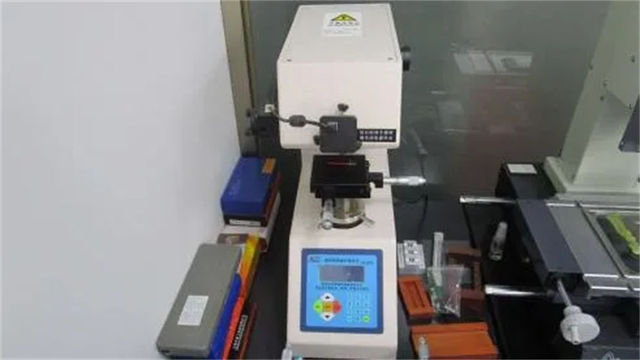
DCI Autos combines advanced manufacturing technologies, automated production equipment, and rigorous quality control procedures to ensure product reliability, efficiency, and long-term operational performance. The company operates dedicated engineering laboratories and testing facilities where products undergo extensive validation, environmental testing, and performance verification throughout the development and manufacturing process.
To meet the evolving requirements of the electric mobility sector, DCI Autos provides flexible OEM and ODM services, including customized component development, private-label manufacturing, system integration support, and application-specific engineering solutions. Its research and development team continuously explores innovations in electrification, energy management, lightweight design, and intelligent vehicle systems.
Today, Shenzhen DCI Autos Co., Ltd. serves customers across North America, Europe, Southeast Asia, the Middle East, South America, and other international markets. Through continuous innovation, precision manufacturing, and customer-focused collaboration, the company remains committed to supporting the global transition toward sustainable transportation and next-generation electric mobility technologies.
Addressing the technical and strategic concerns of global procurement managers
High-precision components for specialized automotive applications
 DCI Autos