High-precision manufactured products engineered for durability, weight reduction, and extreme environment operation.
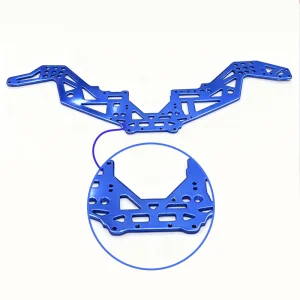
Logistical demand, infrastructure challenges, and local manufacturing requisites.
The Central African Republic (CAR) is a landlocked nation at the heart of the African continent. This geographic reality places extraordinary emphasis on the land transport corridors linking the capital, Bangui, to vital regional maritime gateways such as the Port of Douala in Cameroon. The primary logistical supply routes, including national corridors (Route Nationale 1, 2, and 3), are subjected to intense tropical weather patterns, unpaved surfaces, and high mechanical wear. Consequently, vehicles operating in this territory require structural parts that are exceptionally resilient yet light enough to optimize fuel efficiency and freight capacity.
Industrial operations in CAR, notably in forestry, timber export, alluvial diamond mining, and agricultural distribution, rely on heavy-duty commercial fleets and specialized construction machinery. These vehicles must endure continuous torsional stresses. Standard steel chassis components are prone to premature fatigue, cracking, and oxidation under tropical humidity. Integrating advanced, lightweight components made of high-tensile alloys and treated metals ensures that logistical operators can maximize payloads, reduce downtime, and protect their fleets from premature frame failures.
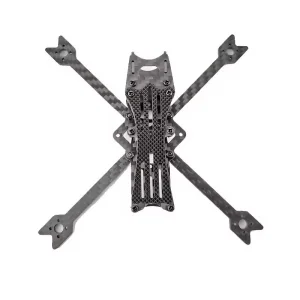
Furthermore, international aid organizations and local health services are increasingly looking toward remote drone networks for medical supply drop-offs and ecological mapping across the remote provinces. High-performance CNC-machined aluminum and carbon fiber drone frames are playing a crucial role in enabling longer flight ranges and superior load-bearing capabilities across these challenging routes.
Unpaved transport networks demand high fatigue limit components with custom dampening geometries.
Humid equatorial conditions require powder-coated finishes, anodization, and high-toughness galvanized coatings.
Replacing structural steel with custom-engineered aluminum alloys reduces deadweight and increases fuel efficiency.
Decarbonization, structural efficiency, and high-strength alloy innovation.
The global transport sector is undergoing a profound paradigm shift driven by stringent emissions regulations, fuel economy mandates, and the rapid rise of electric vehicles (EVs). Lightweight engineering is no longer an optional design strategy; it is a fundamental engineering necessity. In passenger vehicles and freight haulers alike, every 10% reduction in vehicle weight translates directly to a 6% to 8% improvement in overall fuel efficiency or an equivalent extension of electric battery range. This is achieved by strategically substituting cast iron and low-carbon steels with advanced high-strength steel (AHSS), aluminum alloys (such as 6061-T6 and 7075-T6), titanium, and carbon-fiber-reinforced polymer (CFRP) composites.
Each material family brings unique mechanical properties to the chassis layout:
Yield strength comparable to structural steel, offering lightweight structural integrity for critical subframes.
Extreme tensile modulus-to-weight ratio, ideal for aerospace, high-end drone frames, and racing brackets.
Galvanized sheet steel providing robust energy-absorption properties for crash zones and undercarriage guards.
Unmatched corrosion resistance and mechanical reliability under elevated thermal envelopes.
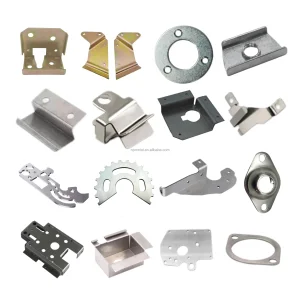
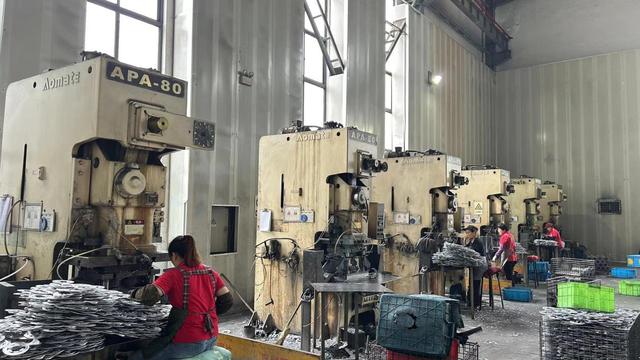
In addition to raw material selection, advanced manufacturing processes such as 5-axis CNC machining, structural stamping, and precision chemical etching allow for the production of hollow, thin-walled profiles and topologies that remove material where stress is lowest. This optimization results in components that can withstand severe torsional loads without adding unnecessary mass to the vehicle or equipment suspension systems.
A decade of engineering excellence, high-tech manufacturing, and global distribution.
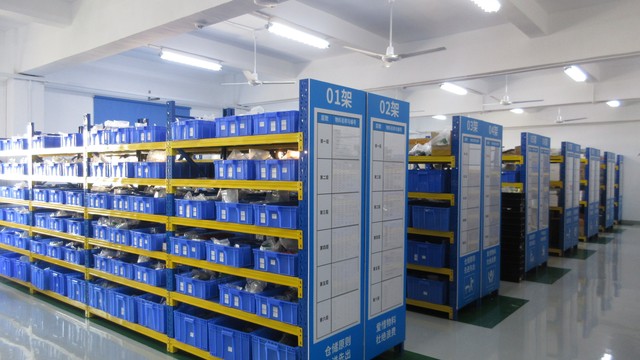
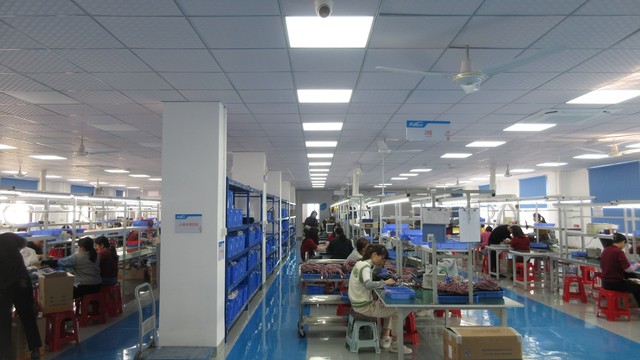
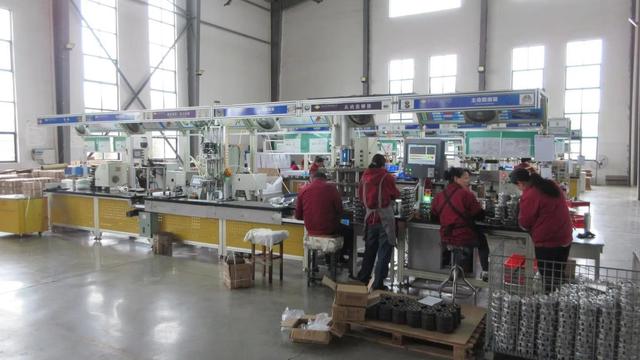
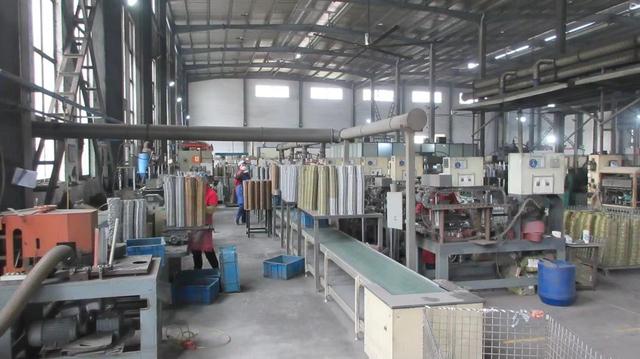
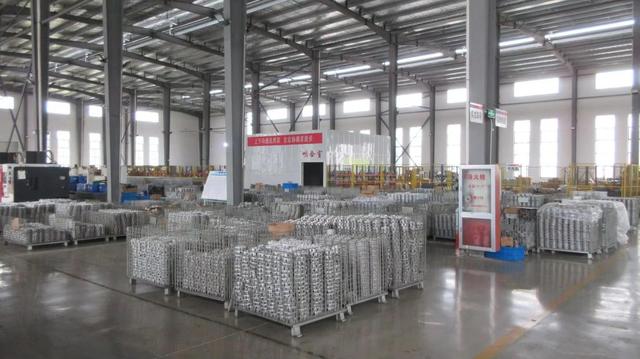
Shenzhen DCI Autos Co., Ltd. is a professional manufacturer specializing in electric vehicle components and advanced mobility technologies for the global automotive industry. Established in 2014, the company is headquartered in Shenzhen, Guangdong Province, a leading center for innovation in electric transportation and intelligent manufacturing. Operating from a modern production facility covering 28,000 square meters and supported by more than 300 employees, DCI Autos has developed comprehensive capabilities in engineering, manufacturing, testing, and international supply chain support.
The company focuses on the development and production of battery systems, power electronics, electric drivetrain components, battery management systems (BMS), charging system components, thermal management solutions, high-voltage electrical assemblies, and integrated EV powertrain technologies. Its products are designed to support passenger vehicles, commercial electric vehicles, light-duty transportation platforms, and emerging mobility applications.
To meet the evolving requirements of the electric mobility sector, DCI Autos provides flexible OEM and ODM services, including customized component development, private-label manufacturing, system integration support, and application-specific engineering solutions. Its research and development team continuously explores innovations in electrification, energy management, lightweight design, and intelligent vehicle systems.

Adapting advanced lightweight tech to perform reliably under challenging equatorial realities.
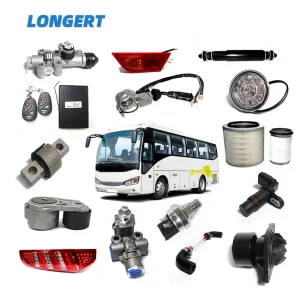
Retrofitting and manufacturing high-toughness steel coils and aluminum suspension components for buses (King Long, Higer) and freight trucks traversing the Douala-Bangui corridor. Minimizes structural fractures due to corrugated dirt roads.
Deploying lightweight 200kg rubber-tracked undercarriages for excavators in agricultural and alluvial mineral mining sectors. High weight distribution prevents heavy equipment from sinking into muddy soils during the rainy season.
Supplying high-strength, lightweight carbon fiber and CNC-milled drone frames to support long-range humanitarian medical delivery, wildlife conservation monitoring, and geological mapping projects in remote areas.
Explore our technical components portfolio engineered for high-performance structural systems.
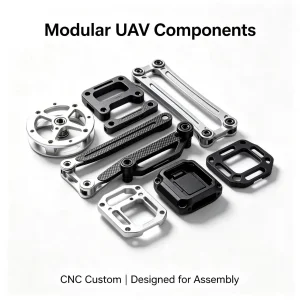
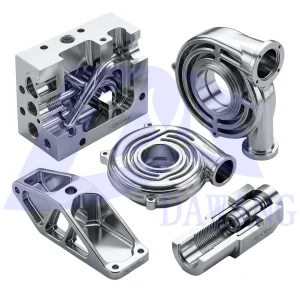
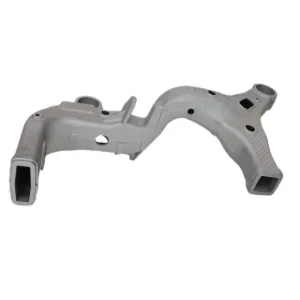
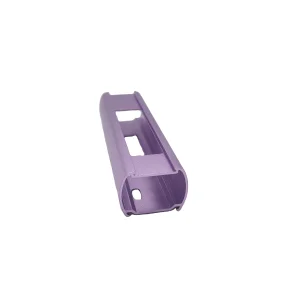
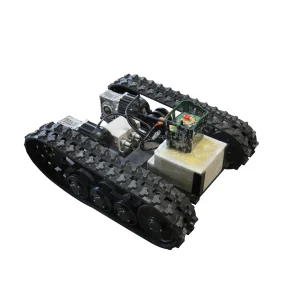
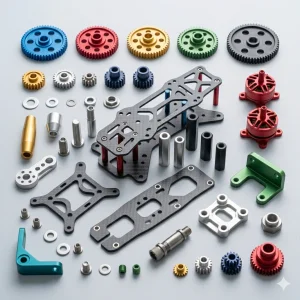
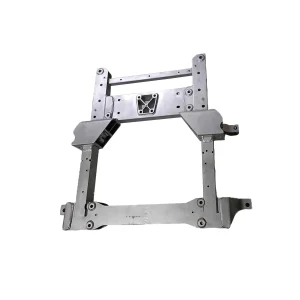
High-end carbon fiber, brass, and composite structures for elite aeronautic and remote operations.

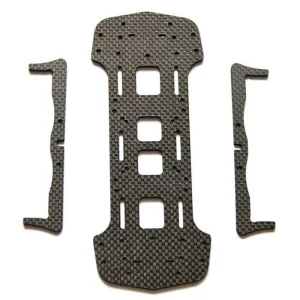
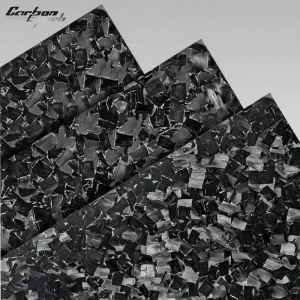
Aligning advanced materials with modern manufacturing technologies.
Our engineering roadmap focuses on transitioning structural components from monometallic designs to multi-material hybrid systems. By strategically bonding carbon fiber sheets with high-precision CNC-machined titanium or aluminum connectors, we achieve up to a 40% reduction in weight compared to standard aluminum parts. This hybrid material deployment is essential for high-performance applications, allowing designers to place the stiffness of carbon fiber exactly where structural loads demand it while using the impact toughness of aluminum or steel in high-wear zones.
Simultaneously, we are continuously advancing our anti-corrosive and surface finishing treatments. Components heading into hot, humid, and rainy tropical zones like the Central African Republic are subject to rigorous testing. Our micro-sandblasting and double-anodization techniques create a sealed oxide layer that locks out moisture, preventing galvanic corrosion between dissimilar metals. Furthermore, we are refining powder coating formulas to include UV inhibitors, ensuring that components exposed to direct sunlight do not suffer from surface degradation or micro-cracking over time.
Integrating carbon fiber and aluminum co-curing processes for ultra-stiff drone and automotive subframes.
Leveraging 5-axis milling to refine topological optimization patterns generated by generative AI software.
Expanding electrocoating (E-coating) and thermal spray processes to handle high-salinity and high-humidity environments.
Critical engineering answers for logistics managers, industrial planners, and fleet operators.
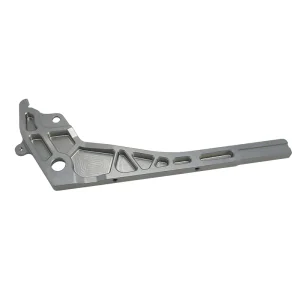
7075-T6 aluminum features zinc as its primary alloying element, yielding mechanical properties comparable to many structural steels but at roughly one-third of the density. This high strength-to-weight ratio allows designers to achieve identical structural rigidities with a significantly lighter part. It is particularly effective for suspension arms, brackets, and drone frames where dynamic responsiveness and weight reduction are critical.
For steel components, we utilize hot-dip galvanizing and advanced electrodeposition (E-coating) to create a protective barrier. For aluminum components, we employ precision chemical sandblasting followed by sulfuric acid anodizing (Class II type). This process converts the surface into a robust, porous aluminum oxide layer that is then colored and sealed, ensuring excellent resistance to humidity, rainfall, and wear.
Yes. Shenzhen DCI Autos Co., Ltd. offers full-service OEM and ODM design, engineering, prototyping, and production services. Utilizing our advanced 5-axis CNC machining, stamping, and sheet metal fabrication capabilities, we can manufacture chassis brackets, undercarriages, and structural components to exact customer-supplied CAD specifications or reverse-engineer parts based on physical samples.
We routinely dispatch sea freight shipments to the Port of Douala in Cameroon, which serves as the primary maritime entry point for goods moving along the Douala-Bangui corridor. For urgent, high-value components, including precision drone frames and critical electronic assemblies, we utilize air transport directly to Bangui M'Poko International Airport (BGF).
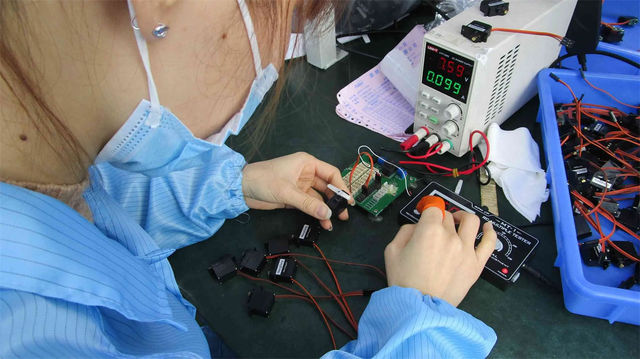
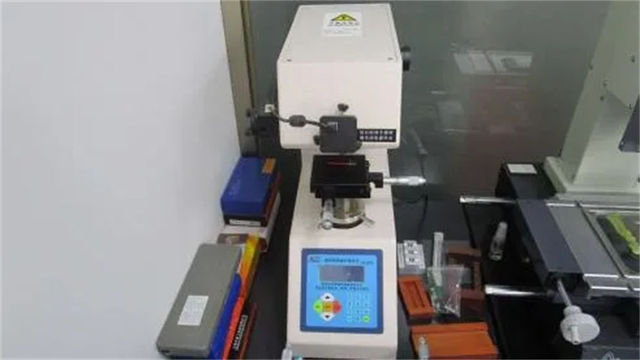
All structural parts undergo rigorous testing at our dedicated engineering laboratories. This includes Finite Element Analysis (FEA) optimization during design, followed by physical cyclic fatigue testing, tensile testing, salt-spray environmental chamber corrosion validation, and non-destructive ultrasonic testing. This ensures that every bracket, beam, and subframe meets global automotive quality and durability standards.
Get in touch with our engineering and supply chain department to discuss custom tolerances, material properties, shipping logistics to Bangui, and bulk factory direct discounts.
Send Inquiry Now DCI Autos