Industrial Electrification Whitepaper

EV Battery Systems Manufacturers & Exporters for Mumbai

High-Performance Thermal Management, Automotive-Grade Smart BMS, and Clean Energy Storage Systems Tailored to India’s Demanding Climate and Regulatory Standards.

Mumbai's Electrification Landscape: Climate, Infrastructure & Scale

40°C+
Peak Ambient Operations
AIS-156
Phase II Compliant
98% RH
Monsoon Humidity Resistance
10k+ Units
Export Capability Yearly

The Tropical Challenge: High Ambient Humidity and Extreme Temperatures

Deploying Electric Vehicle (EV) fleets in Mumbai demands an acute understanding of the region's climate. With summer temperatures consistently breaching 40°C, and monsoon seasons introducing up to 98% relative humidity alongside heavy waterlogging, standard automotive battery designs face early degradation or safety hazards. High temperatures accelerate the growth of the Solid Electrolyte Interphase (SEI) layer inside lithium cells, reducing overall capacity and significantly increasing internal resistance.

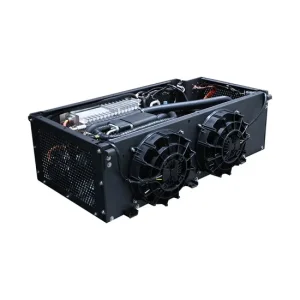
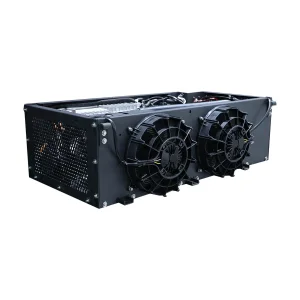
Our specialized Battery Thermal Management Systems (BTMS) utilize active liquid cooling loops integrated with high-efficiency chilling plates. This setup maintains the core cell temperature within the optimal window of 25°C to 35°C, even when vehicles operate continuously on high-load cycles. Furthermore, IP67 and IP69K sealing systems protect sensitive electrical systems from water ingress during Mumbai's heavy monsoons, preventing catastrophic short circuits.

Urban Duty Cycles: Congestion, Start-Stop Stress, and Regeneration

Mumbai's traffic conditions, characterized by heavy gridlock on corridors like the Western Express Highway and LBS Marg, enforce a continuous, high-stress start-stop duty cycle. In traditional EV powertrains, this causes severe current spiking during frequent accelerations, which is paired with immediate regenerative braking surges. This cycling puts immense stress on the electrochemical structure of the battery pack.

To mitigate this, DCI Autos integrates advanced Battery Management Systems (BMS) with high C-rate cells (both LiFePO4 and NCM). These systems dynamically allocate current limits and handle rapid charge-discharge transitions without inducing localized hot spots. This protective measure ensures that commercial operators—such as BEST municipal buses and intracity e-commerce logistics fleets—achieve predictable lifetime yields exceeding 3,500 charging cycles.
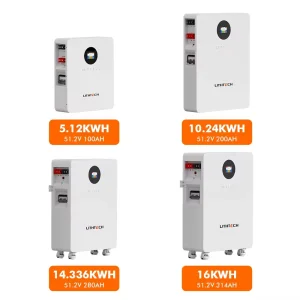
Information Gain: Critical Thermal Runaway Prevention in High-Humidity Hubs

Unlike standard generic imports, our EV battery systems designed for Mumbai employ an active venting system combined with internal aerogel barriers. If a single cell undergoes thermal runaway, the localized thermal barrier prevents heat propagation to adjacent cells, while structural release valves safely vent combustible gases downward, protecting passengers and vehicle cabins.

Global Battery Technology Roadmap & Regulatory Compliance

How our battery solutions meet strict Indian regulatory frameworks and future automotive demands.

AIS-156 Amendment 2: Strictest Standards for Fire Safety & Control

The Automotive Industry Standard AIS-156 (Phase 2), issued by the Government of India, is mandatory for all light electric vehicles (two-wheelers and three-wheelers) and cars. Our engineering teams have revamped cell spacing, thermal barrier compositions, and Smart BMS telemetry to align perfectly with these requirements. Specifically, our systems incorporate multi-point temperature monitoring, cell-level overcharge protective systems, and dynamic control algorithms that disable current draws the millisecond any thermal discrepancy is identified.

The Transition to High-Nickel (NCM) & Cobalt-Free (LFP) Chemistries

Our technology roadmap targets the optimal deployment of chemistry families depending on the vehicle segment. For passenger buses and urban transit, we utilize Lithium Iron Phosphate (LiFePO4/LFP) due to its excellent thermal stability and long lifecycle. For passenger vehicles and commercial delivery vans where volume is limited, we leverage advanced Nickel Manganese Cobalt (NCM) chemistries with structural pack optimization (Cell-to-Pack / CTP), maximizing volumetric energy density while retaining top-tier cooling architectures.

Shenzhen Supply Chain & Precision Manufacturing Advantages

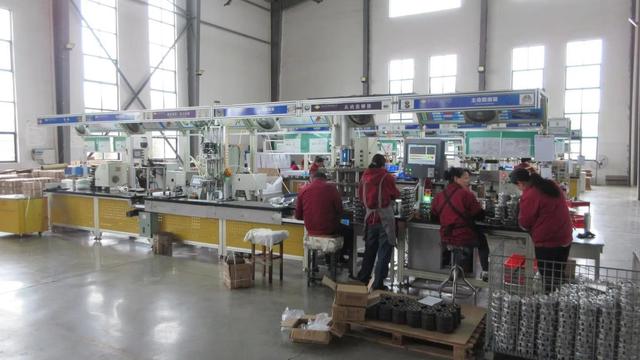
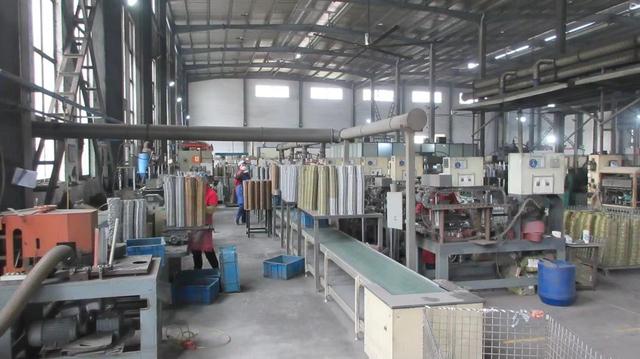
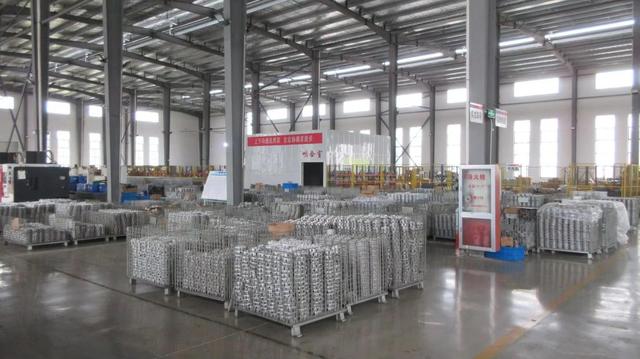
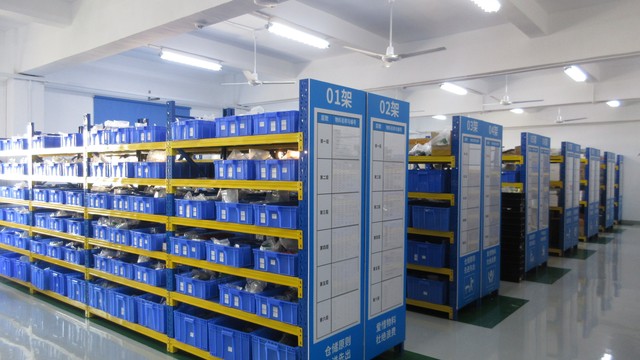
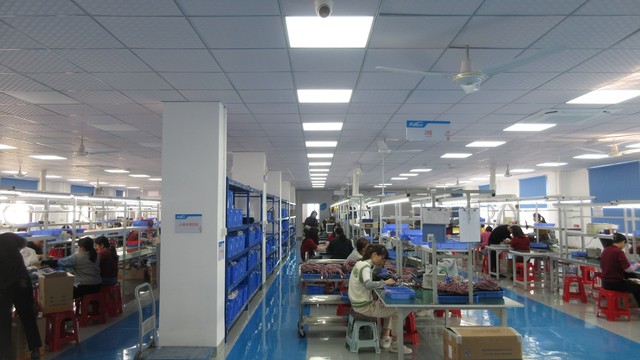
Shenzhen DCI Autos Co., Ltd. is a professional manufacturer specializing in electric vehicle components and advanced mobility technologies for the global automotive industry. Established in 2014, the company is headquartered in Shenzhen, Guangdong Province, a leading center for innovation in electric transportation and intelligent manufacturing. Operating from a modern production facility covering 28,000 square meters and supported by more than 300 employees, DCI Autos has developed comprehensive capabilities in engineering, manufacturing, testing, and international supply chain support.

The company focuses on the development and production of battery systems, power electronics, electric drivetrain components, battery management systems (BMS), charging system components, thermal management solutions, high-voltage electrical assemblies, and integrated EV powertrain technologies. Its products are designed to support passenger vehicles, commercial electric vehicles, light-duty transportation platforms, and emerging mobility applications.

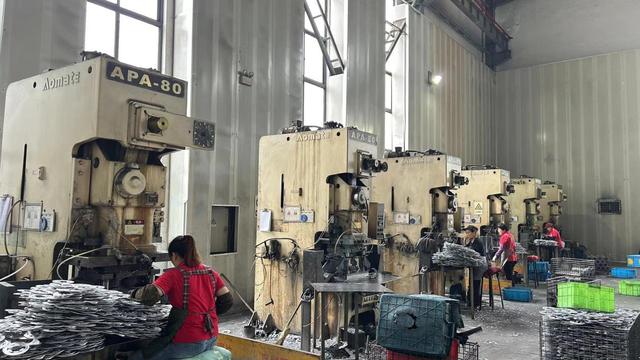
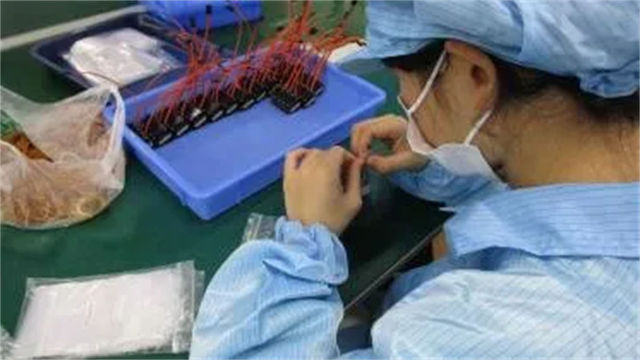
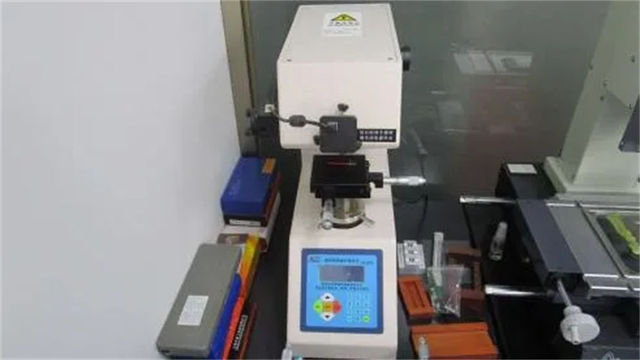
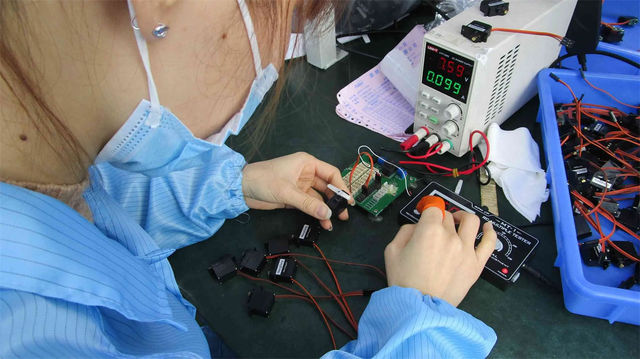
DCI Autos combines advanced manufacturing technologies, automated production equipment, and rigorous quality control procedures to ensure product reliability, efficiency, and long-term operational performance. The company operates dedicated engineering laboratories and testing facilities where products undergo extensive validation, environmental testing, and performance verification throughout the development and manufacturing process.

To meet the evolving requirements of the electric mobility sector, DCI Autos provides flexible OEM and ODM services, including customized component development, private-label manufacturing, system integration support, and application-specific engineering solutions. Its research and development team continuously explores innovations in electrification, energy management, lightweight design, and intelligent vehicle systems.

Today, Shenzhen DCI Autos Co., Ltd. serves customers across North America, Europe, Southeast Asia, the Middle East, South America, and other international markets. Through continuous innovation, precision manufacturing, and customer-focused collaboration, the company remains committed to supporting the global transition toward sustainable transportation and next-generation electric mobility technologies.

Direct Maritime Supply Chain from Shenzhen Port to Nhava Sheva (JNPT) Mumbai

Our geographic placement in Shenzhen allows streamlined logistical routing. We ship high-capacity Dangerous Goods (UN38.3 certified) directly from Shenzhen Port to Jawahar Lal Nehru Port Trust (JNPT) in Navi Mumbai within 14-18 transit days. All paperwork, customs handling under India-China trade bilateral guidelines, and localized warehouse tracking are managed efficiently by our dedicated global export division.

Frequently Asked Questions

Detailed, engineering-backed answers to your most pressing questions about sourcing and deploying EV battery systems in Mumbai.

How does the high humidity in Mumbai affect lithium-ion EV battery packs?
High relative humidity (frequently exceeding 90% in Mumbai during the monsoon) can lead to moisture condensation within the battery enclosure if not sealed properly. This causes corrosion of current collectors and busbars, and can degrade external connector insulation. We implement structural seals that conform to the IP67 / IP69K standards, along with integrated atmospheric breather valves and desiccant packs to prevent moisture build-up inside the enclosure while maintaining equalized pressure.
Are your exported battery systems fully compliant with AIS-156 Amendment 2?
Yes. All battery systems designed for the Indian automotive market comply strictly with the AIS-156 Amendment 2 guidelines. This includes certified battery management systems with multi-point temperature measurement, cell-to-cell thermal propagation protection, digital CAN-bus monitoring, and mechanical shock validation testing to survive rough roads.
What custom engineering (OEM/ODM) support is available for Mumbai manufacturers?
From our 28,000-square-meter facility in Shenzhen, we provide end-to-end OEM and ODM support. This includes customized aluminum/steel housing design for specific space configurations under vehicle floors, tailored BMS communication protocol mappings (including J1939 and CANopen), and custom cooling loop configurations tailored to meet distinct local duty cycles.
What is the transit duration and shipping port of entry for Mumbai?
We ship direct from major Shenzhen ports (such as Shekou or Yantian) directly to the Port of Nhava Sheva (JNPT) in Mumbai. The standard ocean transit duration is between 14 and 18 days. We handle Class 9 Dangerous Goods paperwork to ensure seamless customs clearance upon arrival in India.
How is localized warranty and field technical support managed in Maharashtra?
DCI Autos partners with local engineering firms and service agents in Mumbai to support field integration, system commissioning, and warranty diagnostics. Hardware replacement units and module components are stocked in regional facilities to guarantee rapid turnaround times for commercial fleet operations.