Engineered to deliver optimal performance, extreme safety, and superior grid stability under severe climatic constraints.
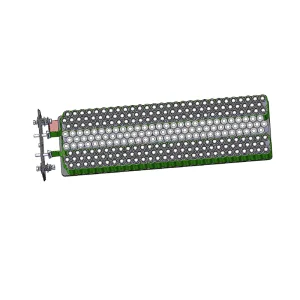
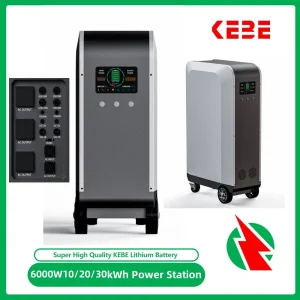
The Greater Boston area and Massachusetts are positioned at the absolute forefront of regional grid decarbonization. Under the mandates set by the Massachusetts Decarbonization Roadmap, the state targets net-zero greenhouse gas emissions by 2050. Achieving this goal hinges heavily on the aggressive conversion of public transit fleets (such as the Massachusetts Bay Transportation Authority - MBTA), municipal medium-duty utility vehicles, and regional logistics infrastructure to electric vehicle (EV) technology. This rapid push requires highly specialized, industrial-grade EV Battery Systems designed to perform reliably under demanding real-world conditions.
Boston's unique New England climate poses a severe technical hurdle for off-the-shelf electric powertrains. Winter temperatures routinely plunge below freezing, which dramatically alters the internal resistance, ion mobility, and electrochemical capacity of standard lithium-ion chemistries. Without advanced thermal isolation, active heating configurations, and highly responsive Battery Management Systems (BMS), vehicles can experience capacity losses of up to 40% along with reduced regenerative braking capabilities. As a leading manufacturer and exporter, we address these challenges directly by optimizing our battery architecture for cold-climate resilience, ensuring optimal performance for fleet operations in Massachusetts and beyond.
We deploy advanced design paradigms and next-generation battery chemistries to satisfy global performance standards and local environmental protocols.
In the global EV battery market, a clear technological shift is occurring. Passenger vehicles, public transit buses, and stationary grid energy storage projects are migrating from older cell architectures to high-performance, stable chemistries like Lithium Iron Phosphate (LiFePO4) and Nickel Cobalt Manganese (NCM) prismatic configurations. The primary industry goals are simple yet demanding: maximize energy density, prolong operational cycle life, guarantee absolute thermal safety, and reduce reliance on unstable global raw material markets. At our manufacturing facility, we integrate these trends into real-world solutions by leveraging advanced automated cell grading, laser welding, and rigorous cyclic test routines.
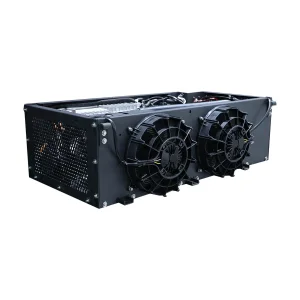
A battery system's reliability is only as good as its thermal management. Passive air cooling is no longer sufficient for modern commercial EVs. Our engineered liquid-to-air cooling plates, integrated with double-loop coolant networks, dynamically regulate battery cell core temperatures. In hot summer conditions, these systems prevent thermal runaway by evenly distributing cooling liquid across the pack. In extreme cold weather, integrated high-efficiency PTC heating systems preheat the cells, maintaining them within the optimal 15°C to 35°C temperature window. This ensures fast-charging capability and protects the cells from lithium plating during recharge cycles.
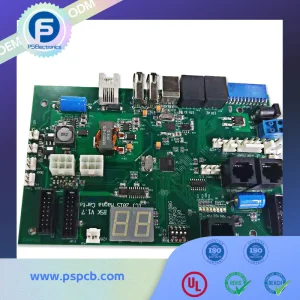
Our Advanced Battery Management Systems (BMS) are the brain of the vehicle pack. Featuring redundant CAN-bus communication, active cell balancing, and high-accuracy State-of-Charge (SoC) and State-of-Health (SoH) diagnostics, our BMS continuously monitors each cell's voltage and temperature. This prevents overcharging, deep discharge, and short circuits. For municipal fleets, our BMS integrates seamlessly with telematics platforms, allowing fleet operators to monitor battery health and predict maintenance needs in real-time.
Leveraging state-of-the-art automation and advanced automotive engineering since 2014.
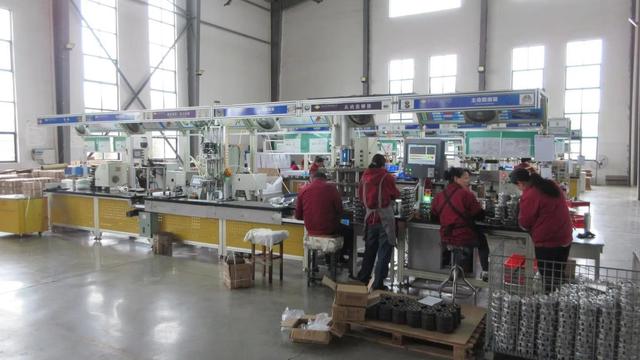
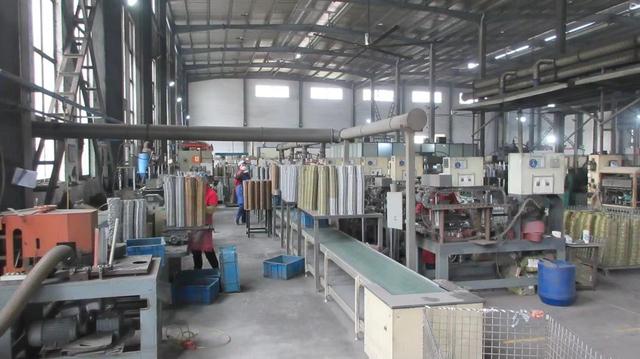
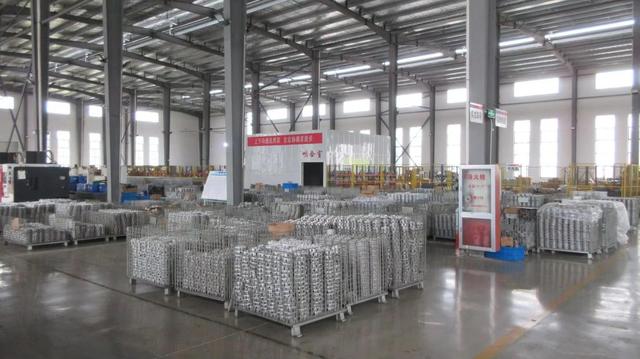
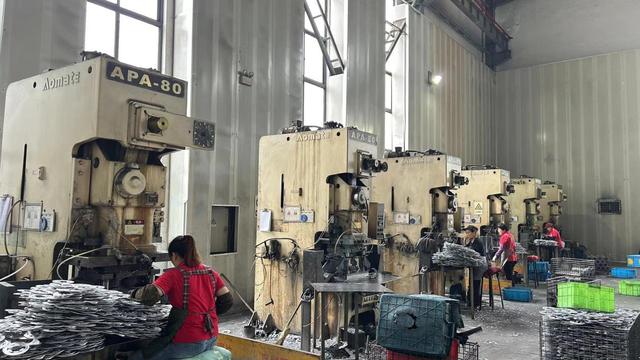
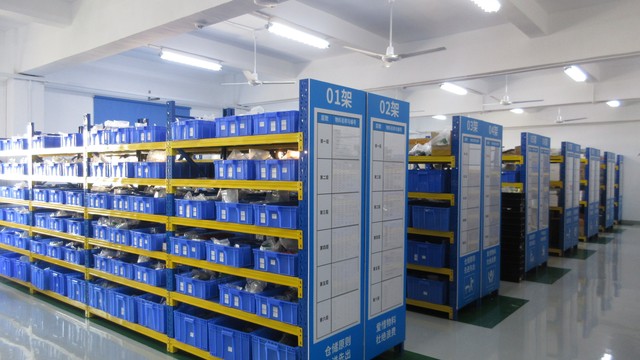
Shenzhen DCI Autos Co., Ltd. is a professional manufacturer specializing in electric vehicle components and advanced mobility technologies for the global automotive industry. Established in 2014, the company is headquartered in Shenzhen, Guangdong Province, a leading center for innovation in electric transportation and intelligent manufacturing. Operating from a modern production facility covering 28,000 square meters and supported by more than 300 employees, DCI Autos has developed comprehensive capabilities in engineering, manufacturing, testing, and international supply chain support.
The company focuses on the development and production of battery systems, power electronics, electric drivetrain components, battery management systems (BMS), charging system components, thermal management solutions, high-voltage electrical assemblies, and integrated EV powertrain technologies. Its products are designed to support passenger vehicles, commercial electric vehicles, light-duty transportation platforms, and emerging mobility applications.
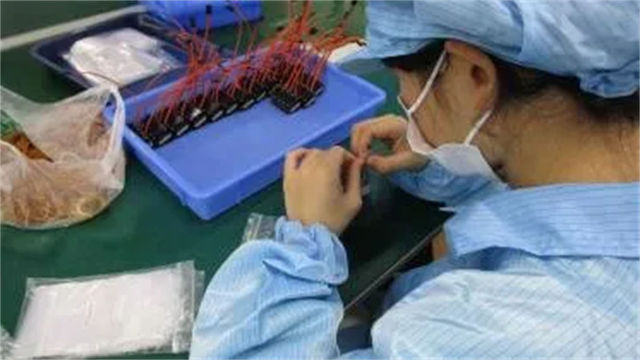
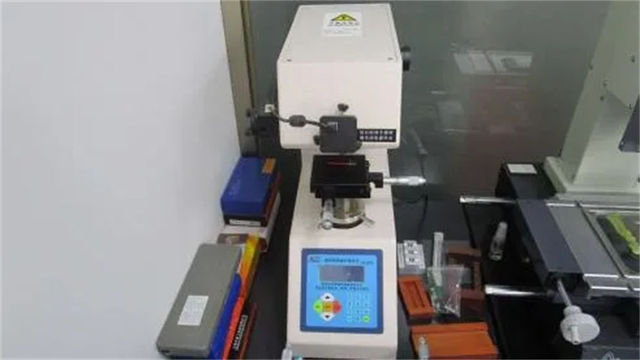
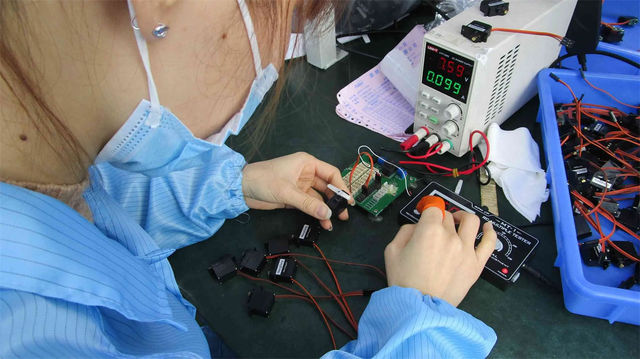
DCI Autos combines advanced manufacturing technologies, automated production equipment, and rigorous quality control procedures to ensure product reliability, efficiency, and long-term operational performance. The company operates dedicated engineering laboratories and testing facilities where products undergo extensive validation, environmental testing, and performance verification throughout the development and manufacturing process.
To meet the evolving requirements of the electric mobility sector, DCI Autos provides flexible OEM and ODM services, including customized component development, private-label manufacturing, system integration support, and application-specific engineering solutions. Its research and development team continuously explores innovations in electrification, energy management, lightweight design, and intelligent vehicle systems. Today, we serve customers across North America (specifically supporting regional centers like Boston), Europe, Southeast Asia, the Middle East, South America, and other international markets.
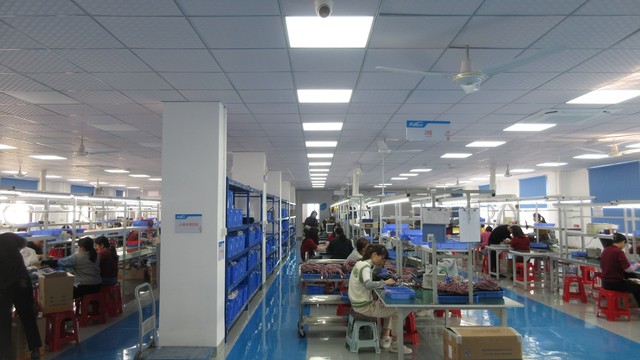
Industrial-grade components and integrated systems for EV public transport, municipal fleets, and green microgrids.
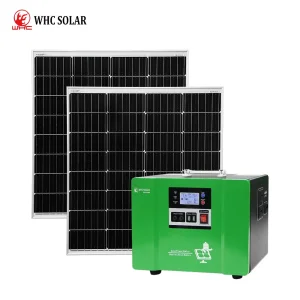
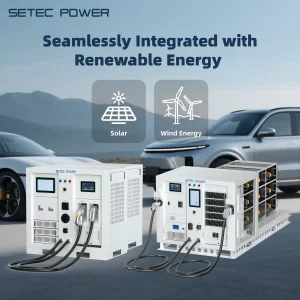
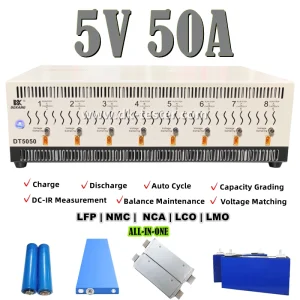
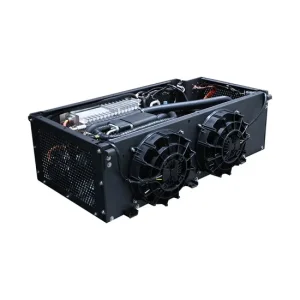
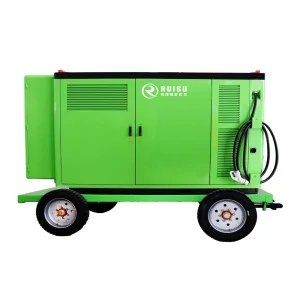
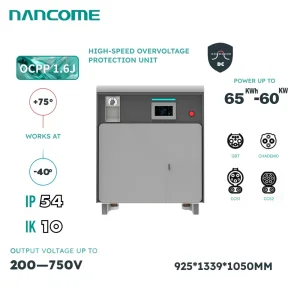
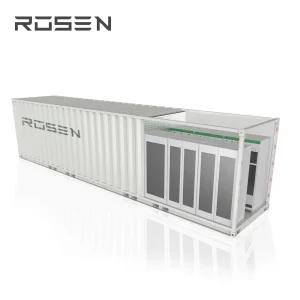
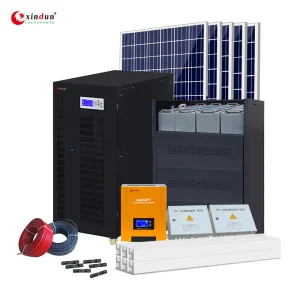
Addressing critical deployment, compliance, and thermal issues for modern cold-weather EV infrastructures.
Contact our technical sales and systems engineering team today to request a custom quote, technical datasheet, or to discuss OEM/ODM opportunities.
 DCI Autos