As the global automotive and energy sectors pivot toward higher energy densities and safety standards, Shenzhen DCI Autos Co., Ltd. stands at the vanguard of the solid-state transition. By replacing liquid electrolytes with solid alternatives, we are redefining the limits of energy storage, safety, and lifespan.
Unlike traditional Lithium-ion batteries, our solid-state technologies utilize non-flammable solid electrolytes. This eliminates the risk of thermal runaway and electrolyte leakage, providing peace of mind for high-performance EV applications.
Leveraging lithium metal anodes, our SSB prototypes target energy densities exceeding 450 Wh/kg. This represents a 50% increase over conventional liquid cells, enabling longer ranges and lighter vehicle architectures.
Operating efficiently across extreme temperatures (-40°C to 100°C), our solid-state solutions remove the need for complex, heavy thermal management systems, reducing overall vehicle BOM costs.
Shenzhen DCI Autos Co., Ltd. is a professional manufacturer specializing in electric vehicle components and advanced mobility technologies for the global automotive industry. Established in 2014, the company is headquartered in Shenzhen, Guangdong Province, a leading center for innovation in electric transportation and intelligent manufacturing.
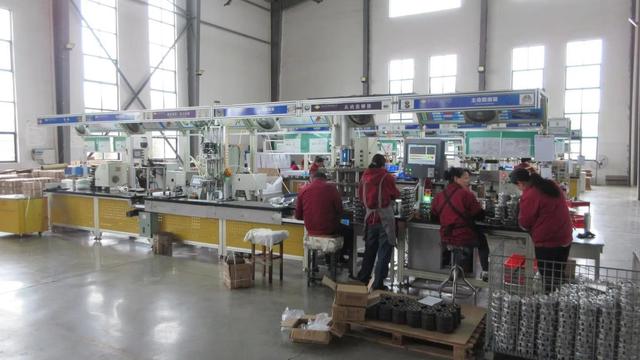
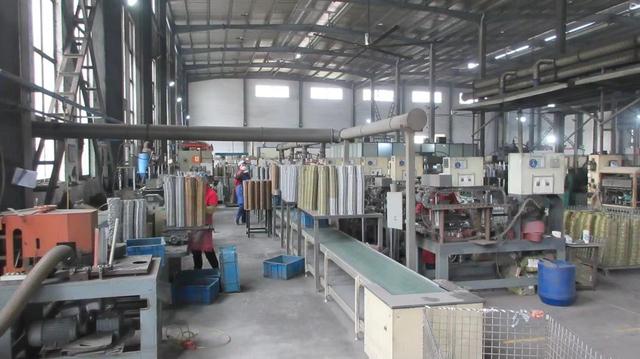
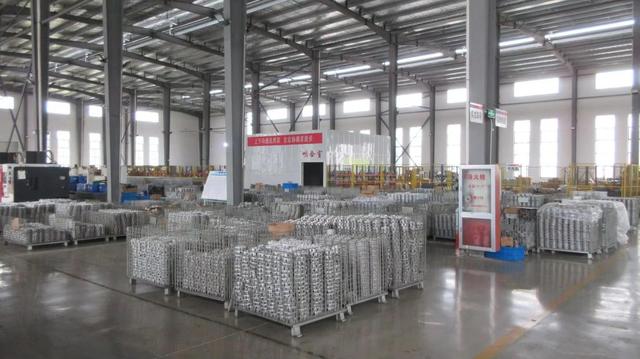
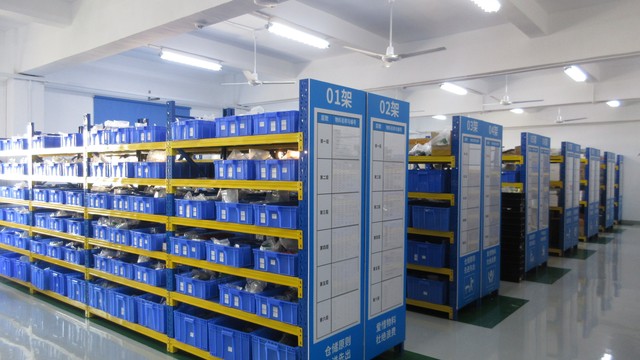
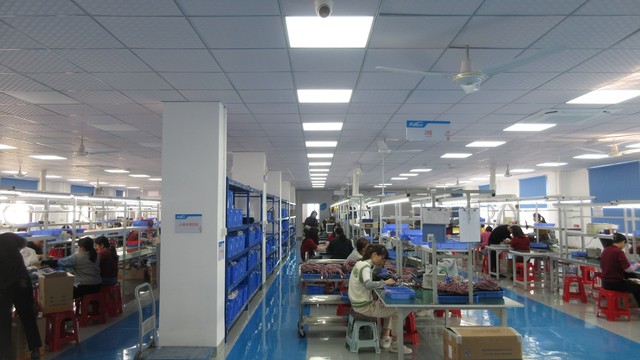
Operating from a modern production facility covering 28,000 square meters and supported by more than 300 employees, DCI Autos has developed comprehensive capabilities in engineering, manufacturing, testing, and international supply chain support.
SQM Facility
Expert Staff
Our strategic R&D focuses on solving the three primary challenges of SSB: ionic conductivity, interface resistance, and manufacturing scalability.
Integration of hybrid electrolytes to bridge the gap between liquid and solid, enhancing safety for existing EV platforms.
Transitioning to sulfide-based electrolytes for superior ionic conductivity comparable to liquid electrolytes.
Implementing pure lithium metal anodes to reach the 500 Wh/kg threshold, revolutionizing aviation and luxury EVs.
We are investing in Dry Electrode Coating and Atomic Layer Deposition (ALD) to create stable interfaces between electrodes and solid electrolytes. This reduces manufacturing energy consumption by 30% while increasing throughput.
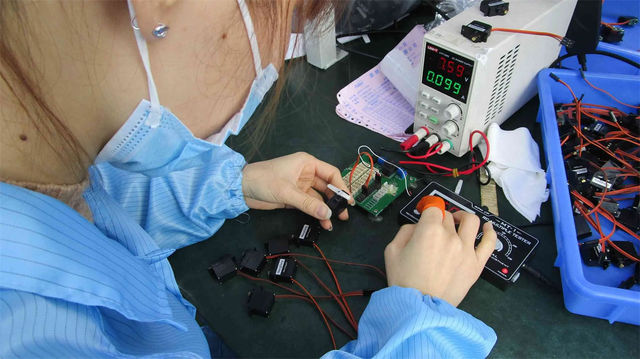
Our Shenzhen facility utilizes AI-driven robotic assembly lines to ensure micron-level precision in high-voltage assembly and BMS fabrication. This reduces human error and ensures 100% traceability.
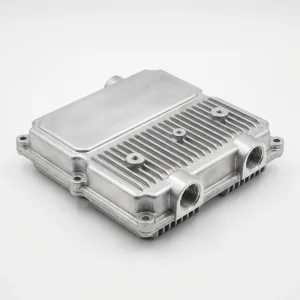
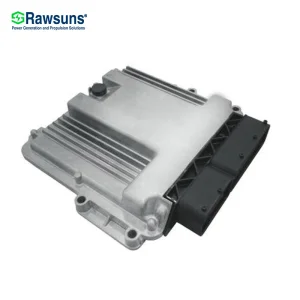
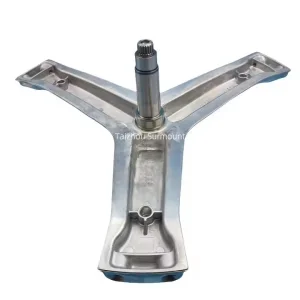
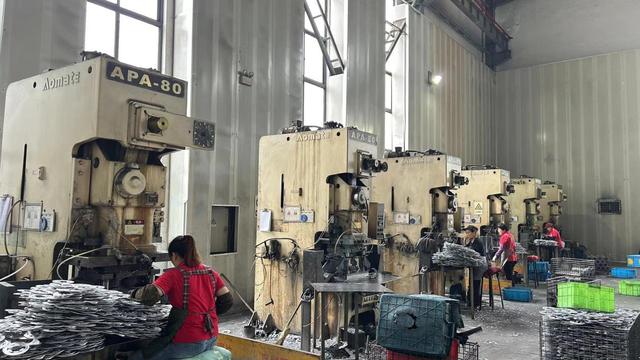
By managing everything from die-casting crossmember brackets to complex VCU software, we minimize lead times and insulate our clients from global supply chain volatility.
Our Factory 4.0 model integrates renewable energy and waste-reduction protocols, aligning with global ESG standards and reducing the carbon footprint of your products.
DCI Autos provides cross-sector electrification solutions powered by advanced energy management.
Solid-state batteries offer the energy-to-weight ratio required for Electric Vertical Take-off and Landing (eVTOL) aircraft, ensuring safer high-altitude operations.
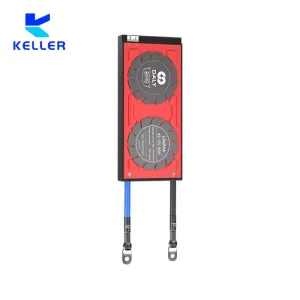
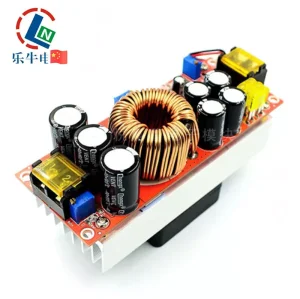
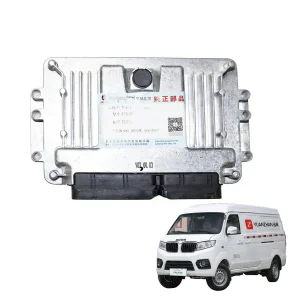
Our 30KW~60KW motor controllers and high-voltage BMS are optimized for the conversion of petrol trucks and buses to electric, supporting global carbon neutrality targets.
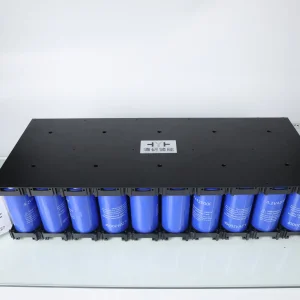
Utilizing high-voltage supercapacitors and SSB technologies to stabilize smart grids and provide backup power for critical data center infrastructure.
Navigating international automotive regulations is a core competency of Shenzhen DCI Autos. We ensure our components meet the rigorous standards of North America, Europe, and Southeast Asia.
We offer OEM and ODM services that include on-site localization support, technical documentation in multiple languages, and dedicated project management teams for global enterprises.
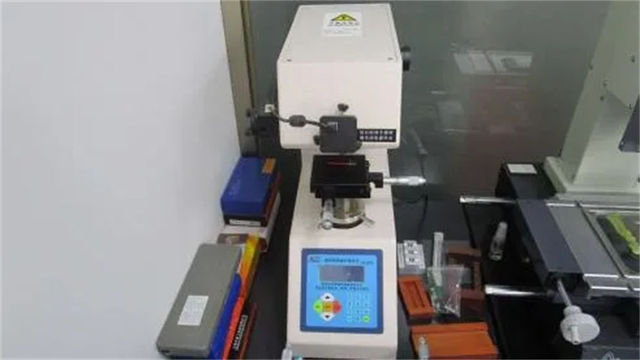
Today, Shenzhen DCI Autos Co., Ltd. serves customers across North America, Europe, Southeast Asia, the Middle East, South America, and other international markets. Through continuous innovation, precision manufacturing, and customer-focused collaboration, the company remains committed to supporting the global transition toward sustainable transportation and next-generation electric mobility technologies. By combining advanced manufacturing technologies, automated production equipment, and rigorous quality control procedures, we ensure product reliability, efficiency, and long-term operational performance.

 DCI Autos