The global automotive landscape is undergoing a seismic shift. As the world transitions toward zero-emission transportation, the demand for sophisticated EV Powertrain Technologies has never been higher. At the heart of this revolution lies the "Three-Power" system: the battery, the motor, and the electronic controller. Modern manufacturers are no longer just component suppliers; they are architects of integrated systems that determine a vehicle's range, safety, and performance.
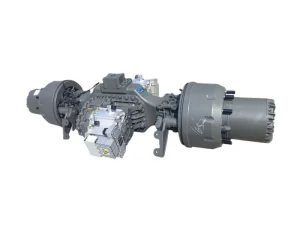
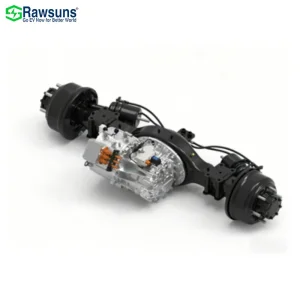
Industry leaders like Shenzhen DCI Autos Co., Ltd. are pioneering the transition from discrete components to highly integrated "X-in-1" systems. By combining the motor, inverter, and transmission into a single E-Axle assembly, manufacturers can achieve up to 15% reduction in weight and significant improvements in energy density. This technological leap is critical for meeting the stringent Information Gain requirements of the next generation of logistics vehicles and passenger cars.
Reducing charging times from hours to minutes requires a shift to 800V architectures. Our powertrain components are designed to withstand high thermal stress and offer superior insulation resistance.
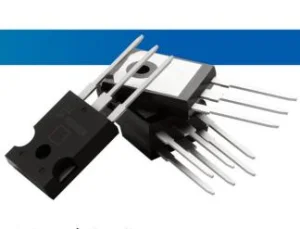
Silicon Carbide (SiC) MOSFETs are replacing traditional IGBTs, offering 98% efficiency and allowing for smaller, lighter power electronics that extend vehicle range.
Ensuring the highest level of reliability, our VCU and BMS technologies adhere to ISO 26262 standards, providing fail-safe mechanisms for critical vehicle operations.
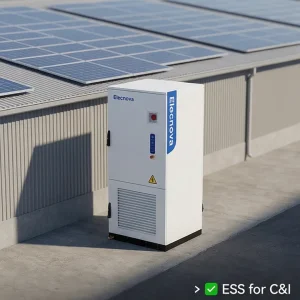
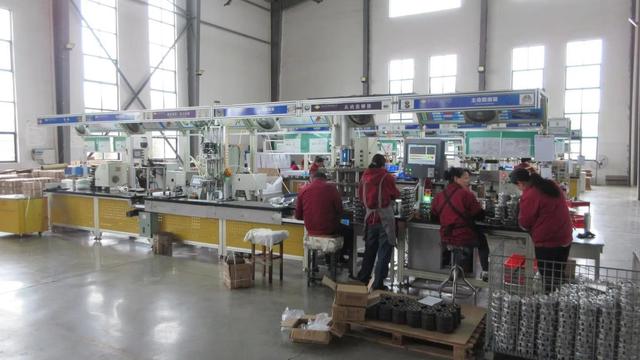
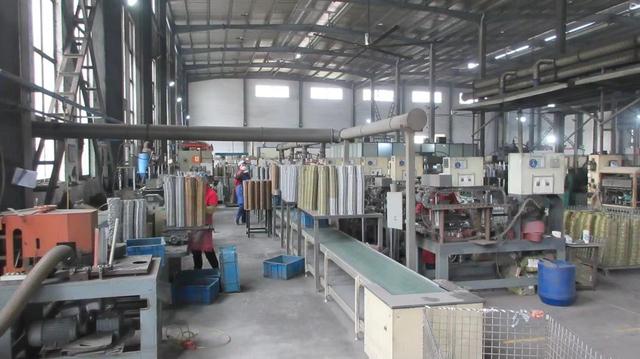
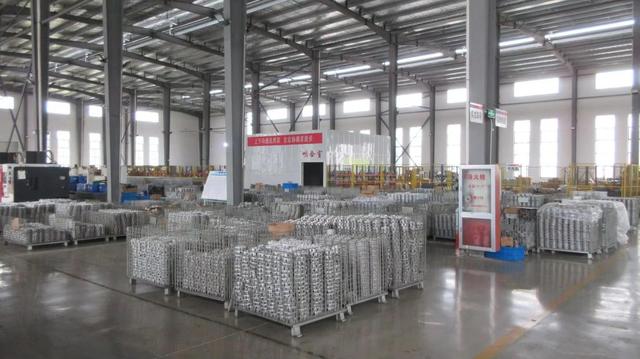
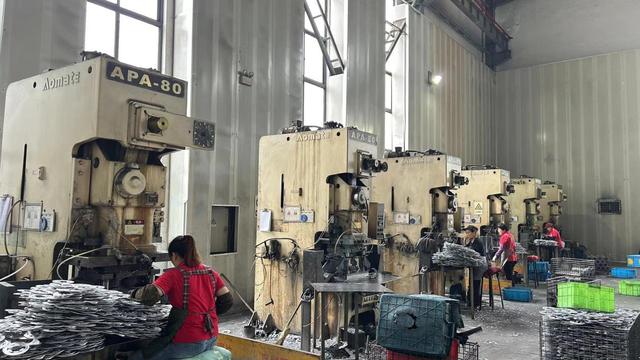
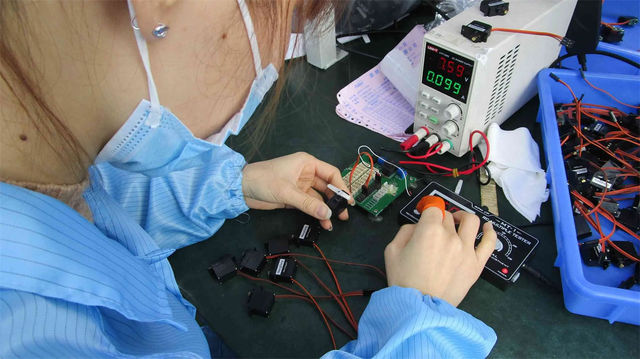
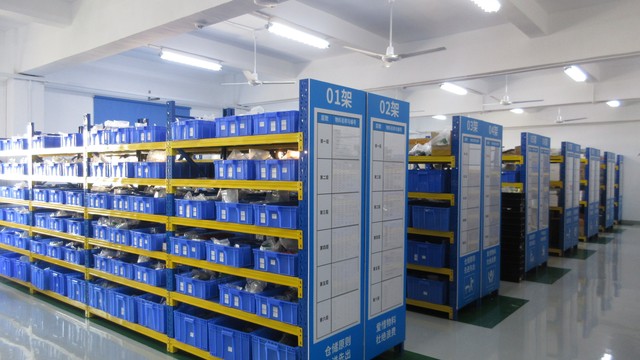
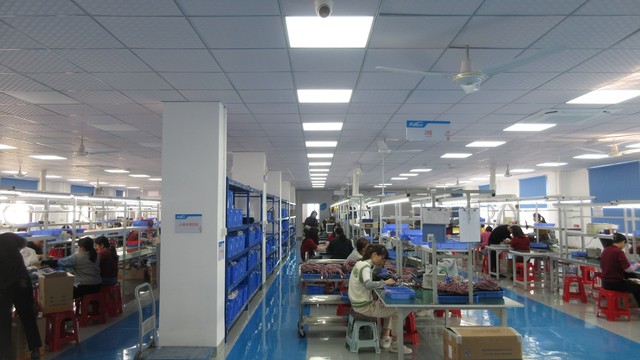
Shenzhen DCI Autos Co., Ltd. stands as a beacon of innovation in the global electric vehicle component industry. Founded in 2014 and headquartered in Shenzhen—the "Silicon Valley of Hardware"—DCI Autos has leveraged its strategic location to build a world-class R&D ecosystem. With a sprawling 28,000 square meter facility, the company integrates advanced robotics and automated assembly lines to ensure every component, from a simple VCU to a complex 261kWh ESS, meets international quality benchmarks.
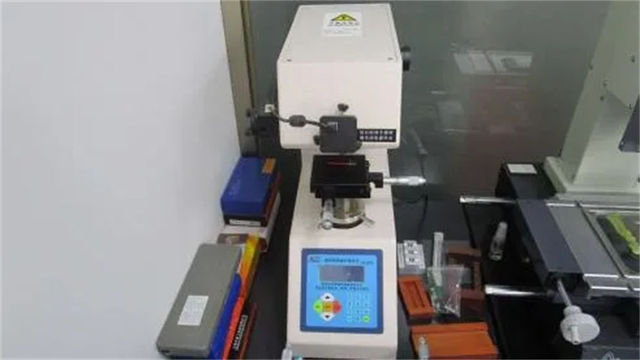
Our commitment to E-E-A-T (Experience, Expertise, Authoritativeness, and Trustworthiness) is reflected in our rigorous testing protocols. Products undergo environmental stress screening, vibration testing, and electromagnetic compatibility (EMC) verification in our dedicated laboratories. This ensures that whether you are operating a heavy-duty Shacman truck in the heat of the Middle East or a Sinotruk in the freezing climates of Northern Europe, our powertrain components perform flawlessly.
We provide full-lifecycle support, from conceptual design and prototyping to mass production and logistics, helping global brands bring EV platforms to market faster.
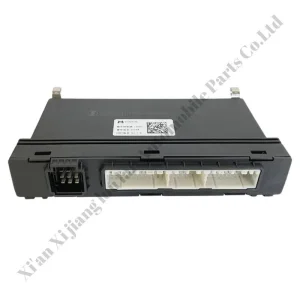
The Vehicle Control Unit (VCU) is the "brain" of the EV. Our VCUs feature advanced torque control algorithms and energy management strategies to maximize efficiency.
We prioritize eco-friendly manufacturing processes and recyclable materials, aligning with the global automotive industry's ESG goals.
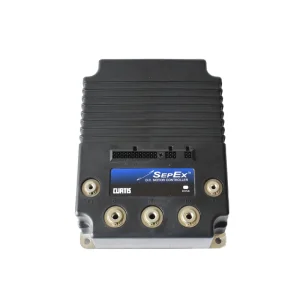
Procurement officers in the EV sector face unique challenges: supply chain volatility, evolving safety regulations, and the rapid pace of technological obsolescence. To mitigate these risks, DCI Autos offers integrated solutions that cover the entire high-voltage architecture. By sourcing from a single trusted supplier, OEMs can ensure seamless interoperability between the BMS, the motor controller, and the charging interface.
Current market analysis indicates three dominant trends that will shape the next decade of EV powertrain development:
Looking toward 2030, the EV powertrain will move toward "Software-Defined Vehicles." DCI Autos is currently investing in AI-driven diagnostic software that predicts component failure before it occurs. Our future roadmap includes the development of solid-state battery compatible BMS and ultra-high-speed motors exceeding 20,000 RPM. These innovations are designed to provide our clients with a distinct Information Gain advantage in a crowded market.
Widespread adoption of SiC inverters and 3-in-1 integrated E-axles for commercial logistics.
Transition to 800V as the standard platform and integration of ADAS with powertrain control.
Fully autonomous energy management and universal modular powertrain platforms.

 DCI Autos