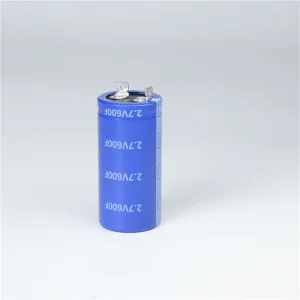
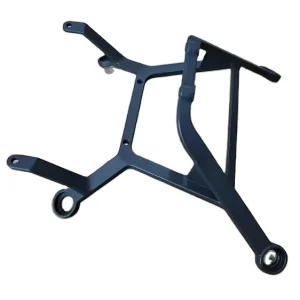
Explore our premier collection of high-performance components designed for electric vehicles and power grid integration. These products represent the standard of safety, efficiency, and engineering precision demanded by modern tier-1 automotive purchasers and CPOs.
The rapid global transition to sustainable logistics, commercial fleets, and passenger electric vehicles (EVs) has placed unprecedented demands on localized and utility-scale charging infrastructure. Today, industrial procurement of charging station equipment is no longer limited to basic power dispensers. Procurement managers require highly engineered, grid-compliant, and thermally optimized systems that integrate seamlessly with local electrical grids, building management architectures, and vehicle powertrains.
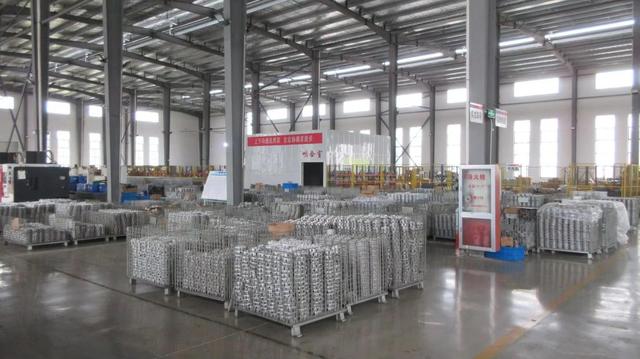
As a leading hub in this transformation, Shenzhen DCI Autos Co., Ltd. (established in 2014) operates at the convergence of advanced mobility systems and reliable power distribution infrastructure. Headquartered in the technological center of Shenzhen, Guangdong Province, our modern production facility spans 28,000 square meters and is backed by over 300 dedicated specialists. We engineering, validate, and manufacture power electronics, battery management platforms, and thermal components configured specifically to meet international grid-interconnection standards.
As governments legislate phase-outs of internal combustion engines, fleet operators, municipal authorities, and commercial real estate developers face the hurdle of deploying high-uptime charging systems. Developing localized solutions requires deep familiarity with the entire electrical supply path, extending from the utility substation down to the vehicle's onboard battery management hardware.
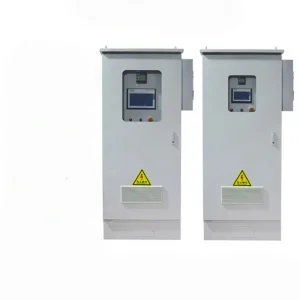
Integrating multiple high-power DC chargers (typically 150kW to 360kW each) triggers significant grid stress. Our solutions utilize outdoor switchboards and distribution cabinets configured with intelligent phase balancing, harmonic filters, and integrated surge protection devices (SPD) to protect the downstream rectifiers.
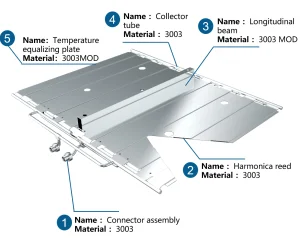
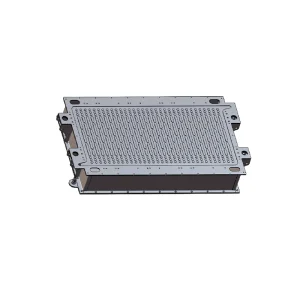
Charging safety and speed are fundamentally limited by heat accumulation. Liquid cold plates and active liquid cooling systems prevent thermal runaway in high-capacity battery assemblies during ultra-fast charging phases, ensuring linear power delivery profiles even at peak load cycles.
Using real-time algorithms, dynamic load management balances current sharing across local charging networks. By negotiating power ceilings with the grid via OCPP 1.6J or OCPP 2.0.1, operators avoid expensive peak-demand penalties while providing maximum charge speeds.
The EVSE sector is moving toward high-voltage architectures, notably shifting from 400V to 800V and above. This transition enables ultra-fast charging capabilities but places high demands on safety margin parameters. The future roadmap of charging components and power distribution involves wide-bandgap (WBG) semiconductors, particularly Silicon Carbide (SiC) and Gallium Nitride (GaN).
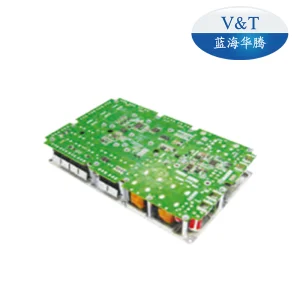
Our R&D focuses on incorporating SiC power switches in On-Board Chargers (OBC) and DC-DC converters to achieve up to a 98% conversion rate. High efficiency translates to reduced thermal dissipation requirements, allowing engineers to develop more compact, lightweight components. Simultaneously, the adoption of ISO 15118 protocols (Plug & Charge) and Vehicle-to-Grid (V2G) bidirectional charging allows electric vehicles to serve as localized energy storage nodes, feeding power back into local distribution lines during high grid demand periods.
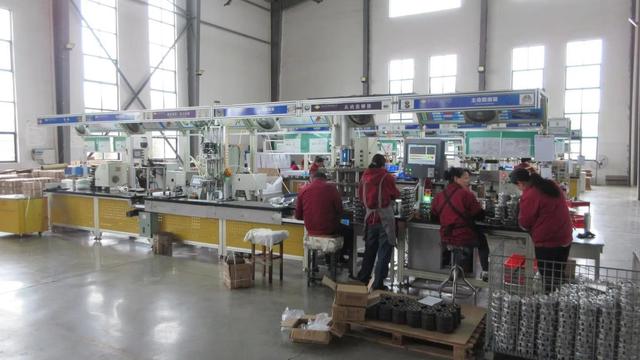
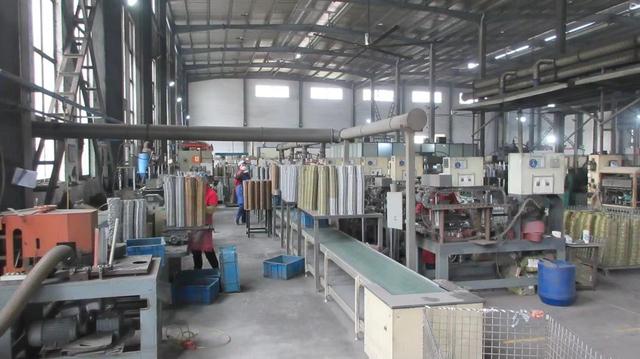
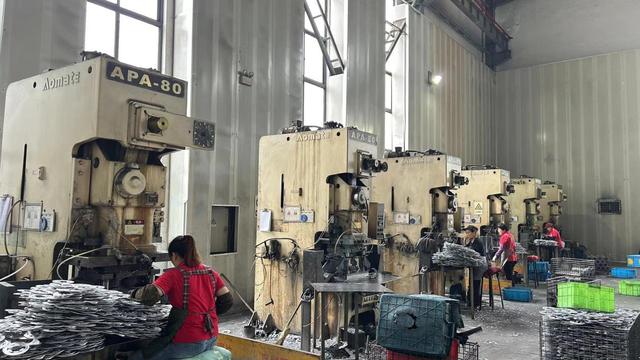
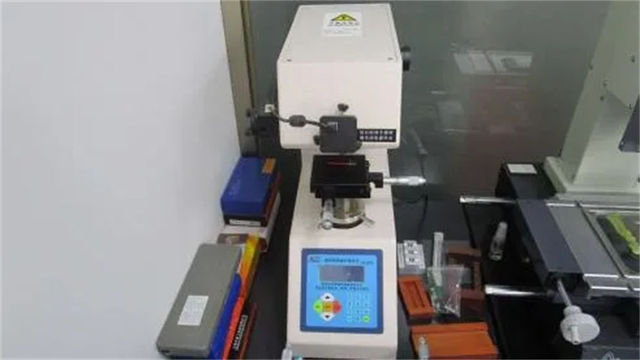
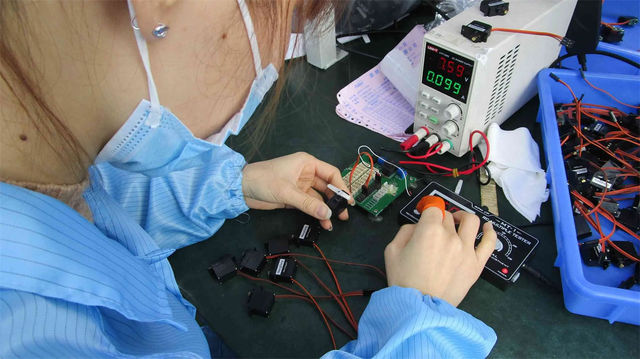
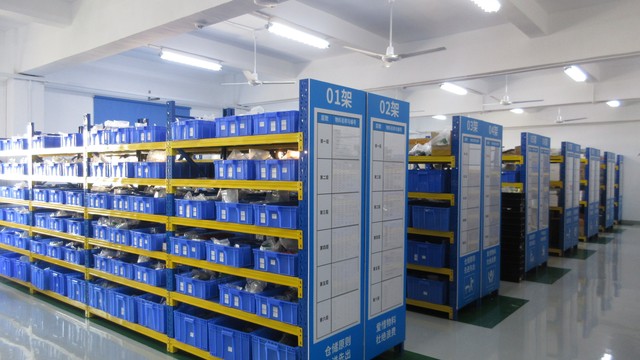
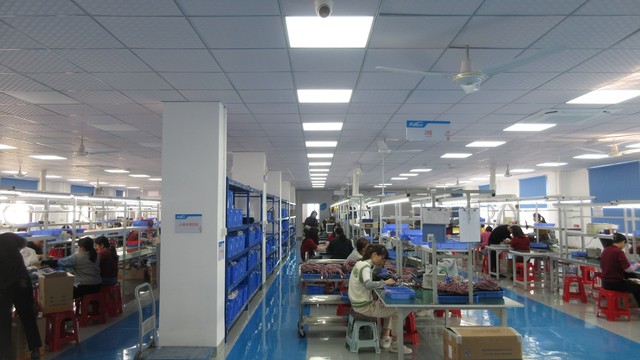
Operating from our 28,000 square meter ISO-certified facility, we perform strict reliability testing. Our production line integrates automatic mounting, environment chamber thermal cycle validation, and computerized high-load testing to guarantee zero-defect shipments.

Procuring electronic sub-assemblies and distribution hardware requires adherence to strict global safety and interoperability certifications. Depending on target deployment regions, equipment must conform to European CE/EN regulations (specifically EN 61851 series), North American UL/CSA standards, and East Asian regulatory models.
Shenzhen DCI Autos Co., Ltd. implements an integrated Quality Management System structured under ISO 9001 and IATF 16949 automotive standards. We conduct complete lifecycle validation protocols, spanning environmental stress testing, high-pot isolation tests, electromagnetic compatibility (EMC) evaluations, and ingress protection (IP55/IP66) testing for our distribution switchboards. Furthermore, our flexible OEM and ODM support ensures that global customers receive tailored components configured for their local national grid configurations, physical enclosure limits, and software management backends.
Review our detailed responses to technical questions from engineering directors and logistics procurement managers regarding EV systems and power electronics integration.
A 98% conversion rate minimizes thermal losses in the power stage. By switching to high-speed Silicon Carbide (SiC) MOSFET units, we reduce switching losses compared to traditional silicon IGBTs. This efficiency preserves battery range and minimizes active cooling requirements, allowing for more compact thermal management packaging.
Our 2026 Outdoor Power Supply Switchboard is designed for 380V three-phase grid integration. It includes Class II surge protection, residual current device (RCD Type B) protection for DC ground faults, overcurrent circuit breakers, and integrated phase monitoring to safeguard chargers from voltage sags and transients.
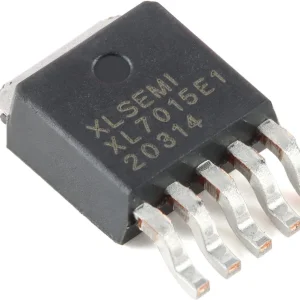
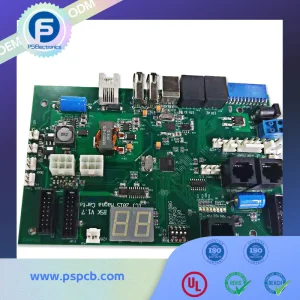
The XL7015 DC-DC step-down converters support an ultra-wide input voltage range from 5V up to 80V. This wide input span makes them suitable for high-voltage control boards, allowing step-down regulation to 5V or 12V outputs for automotive logic control units without requiring pre-regulators.
Liquid cooling plates provide significantly higher heat transfer coefficients compared to forced air. They keep individual battery cells within their optimal temperature window (25°C to 35°C) during fast-charge cycles. This prevents localized hot spots, slows battery aging, and minimizes the risk of thermal runaway.
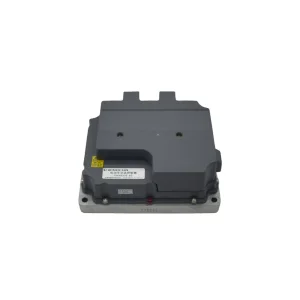
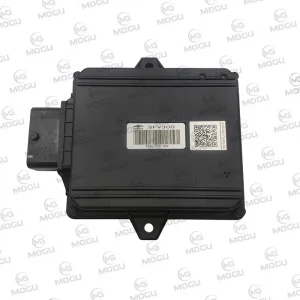
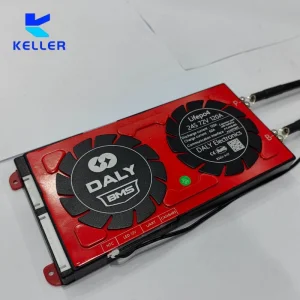
Yes, our vehicle control units (VCU) and battery management systems (BMS) are designed with programmable CAN-bus channels (supporting CAN 2.0A/B and CAN-FD). This allows our engineering team to map parameters to match custom OEM software architectures and vehicle control loops.
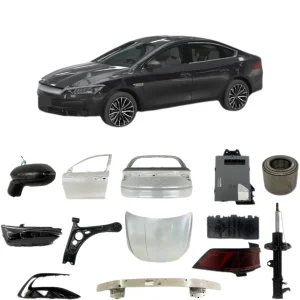
Below is the remaining selection of our specialized components. These range from power modules for onboard charging to robust distribution boxes and thermal management accessories, offering an end-to-end kit for electric vehicles and auxiliary applications.
 DCI Autos