As the global economy targets net-zero carbon emissions, the energy storage sector is facing a severe resource bottleneck. Traditional lithium-ion batteries rely on finite, ecologically destructive raw materials like cobalt, nickel, and lithium. In this context, Bio-Based Battery Technologies are emerging as a transformative paradigm. These technologies utilize organic matter—ranging from agricultural waste, wood lignin, and crustacean chitosan to engineered proteins—to construct anodes, cathodes, binders, and solid electrolytes. This shift dramatically reduces scope 3 carbon emissions, ensures local resource independence, and yields outstanding circularity properties.
The industrial status of bio-based battery technologies has progressed from early-stage academic inquiry to pilot-scale and commercial deployment. Major chemical conglomerates, battery gigafactories, and technology startups are aligning to build robust bio-based supply chains. Countries in North America and Western Europe are funding programs targeting circular eco-design regulations (such as the EU Battery Passport), forcing automakers to consider organic battery alternatives. Meanwhile, East Asian manufacturing centers are leveraging their advanced electronics supply chains to scale the production of bio-based carbon anodes and bio-compatible thermal runaway solutions.
Sourcing active materials from lignin (byproducts of the paper pulping industry), hemp cellulose, and organic waste streams eliminates dependence on geopolitical hotspots for mineral extraction.
Organic active compounds generally showcase lower thermal runaway velocity and lower heat generation rates during cell degradation, reducing safety concerns in heavy-duty EV systems.
By converting cellulose and biological materials into hard carbon via controlled carbonization, suppliers produce highly efficient anodes matching conventional synthetic graphite.
The commercial viability of organic batteries requires a rigorous path from lab-scale prototypes to volume-production automotive integrations. Below is the multi-stage technological progression roadmap.
Replacing passive components. Binders from carboxymethyl cellulose (CMC), separators from plant-based nanocellulose, and minor blending of lignin-derived carbon into graphite anodes.
Deployment of 100% lignin-based hard carbon anodes in sodium-ion cells. Commercialization of organic quinone-based cathodes for low-voltage stationary storage grids.
Transition to solid polymer electrolytes using modified chitosan, fully biodegradable casings, and structural cells integrated into vehicle body parts.
Below is an authoritative directory of the primary technologies, operational principles, and pioneering global suppliers spearheading the bio-based battery revolution:
| Technology Category | Core Bio-Material Used | Key Properties & Performance | Global Pioneers & Suppliers |
|---|---|---|---|
| Lignin-Derived Hard Carbon Anodes | Kraft Lignin (wood processing pulp) | Excellent cycle stability for Sodium-Ion cells; 330 mAh/g capacity. | Stora Enso (Lignode®), BillerudKorsnäs |
| Nanocellulose Battery Separators | Cellulose Nanofibers (CNF) from plants | High thermal stability up to 200°C; low dendrite penetration. | Nippon Paper Industries, CelluForce |
| Chitosan Solid-State Electrolytes | Chitin from seafood waste shells | Excellent ionic conductivity at room temperature; biodegrades in soil. | University of Maryland R&D, Bio-on |
| Organic Radical Polymer Cathodes | Nitroxide radicals from nitrophenyl polymers | Superfast charge capability (under 5 mins); moderate energy density. | NEC Corporation, PolyPlus Battery Co. |
| Quinone Redox Flow Battery Fluids | Synthesized from rhubarb and plants | Non-flammable, toxic-metal free grid storage chemistry. | Kemiwatt, Green Energy Storage |
| Peptide-Based Metal-Free Batteries | Synthetic polypeptide macromolecules | Allows modular structural degradation post-decommissioning. | Texas A&M Research, BioVolt Corp |
| Starch-Derived Carbon Electrodes | Corn and potato starch residues | Extremely low cost; optimized for micro-power sensors. | Bettery S.r.l., Organic Power Ltd. |
| Alginate Binders for Silicon Anodes | Brown algae/seaweed extract | Suppresses expansion of silicon particles; superior mechanical yield. | FMC BioPolymer, Ashland Global |
| Pectin-Based Gel Polymer Electrolytes | Citrus peel extract | High electrochemical stability window up to 4.5V; flame retardant. | Kelco Corp, CP Kelco |
| Lignosulfonate Additives for Lead-Acid | Spent sulfite pulping liquor | Improves cold cranking performance; extends lead-acid lifespan by 20%. | Borregaard (Vanisperse), LignoTech |
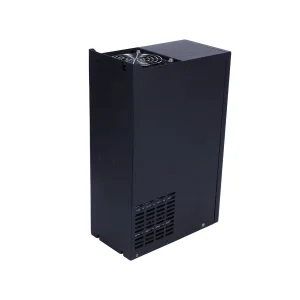
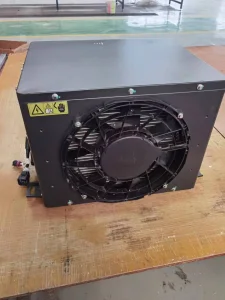
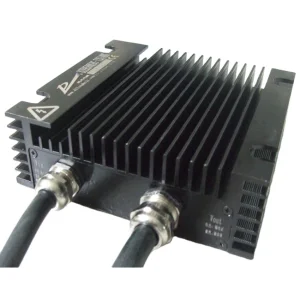
While bio-based cells offer a leap forward in sustainability, they present unique operating profiles. Organic polymers and bio-anodes exhibit different voltage curves, internal resistances, and thermal behavior compared to legacy metal oxides. Therefore, bridging components—such as high-performance Battery Management Systems (BMS), thermal management, and precision converters—are vital to implement bio-based chemistries in light electric vehicles, commercial machinery, and heavy industrial grid networks.
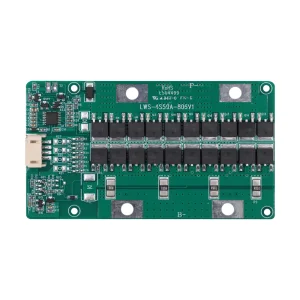
High-precision voltage monitoring and multi-stage cell balancing are critical. Because bio-based batteries operate with smaller safety envelopes regarding over-voltage but highly sensitive operating zones, custom BMS layouts are necessary. In parallel, automotive-grade wire harnesses, robust thermal cooling plates, and custom-designed DC-DC converters act as the hardware foundation ensuring that the electricity stored in clean organic cells can be safely delivered to electric drivetrains without structural deterioration or efficiency loss.
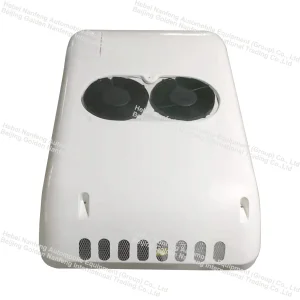
Municipal electric buses equipped with bio-hybrid battery packs benefit from localized thermal management systems. By using bio-compatible and non-toxic materials, transit agencies reduce fire hazards and streamline local recycling loops, complying with clean municipal fleet guidelines.
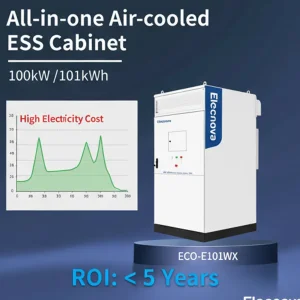
In remote or environmentally protected areas (such as agricultural fields, clean-water reserves, and national parks), the installation of IP55-rated containerized bio-batteries eliminates the danger of local soil contamination from heavy metal leaks during battery damage.
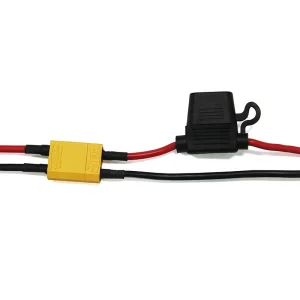
Urban e-bikes and cargo-delivery trikes operating in high-density areas rely on high-capacity connector harnesses and smart modular pack management. Bio-derived cells with rapid recharge capability minimize idle charging hours for fleet operators.
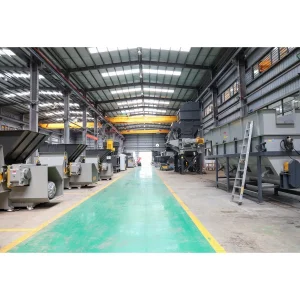
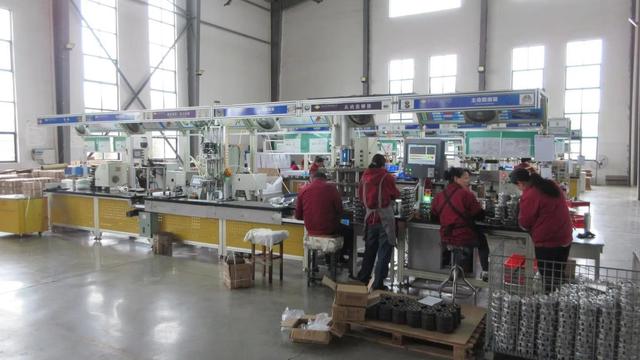
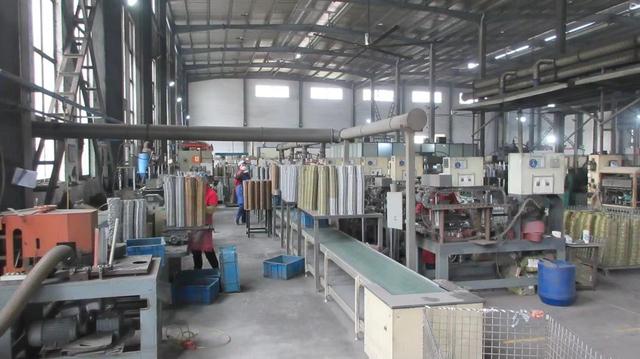
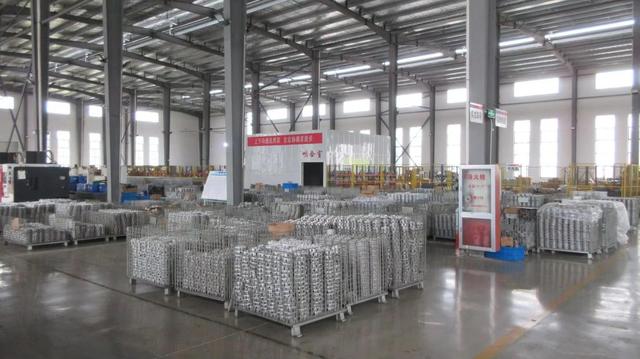
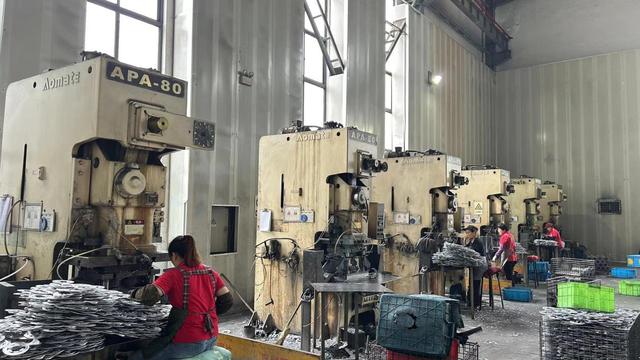
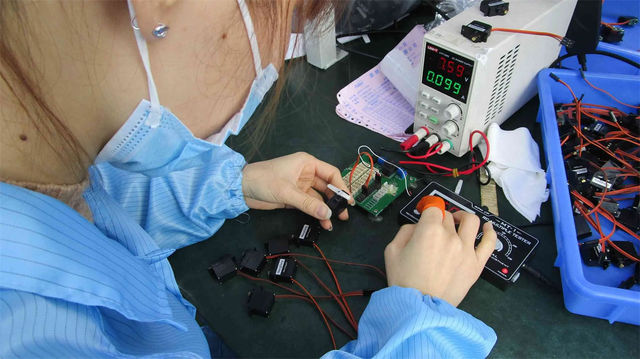
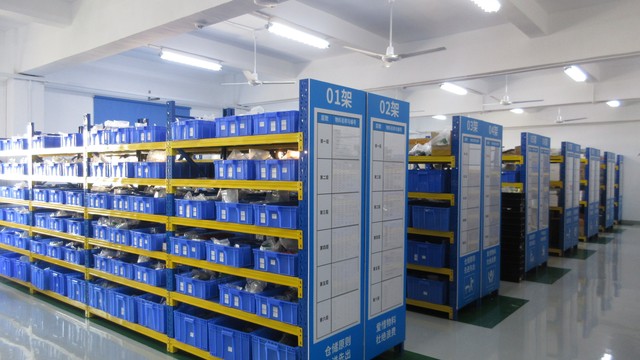
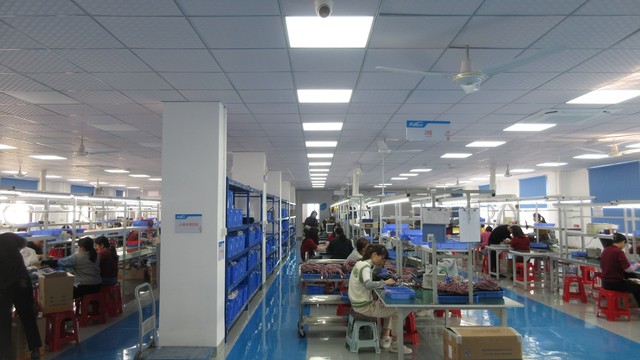
Shenzhen DCI Autos Co., Ltd. is a professional manufacturer specializing in electric vehicle components and advanced mobility technologies for the global automotive industry. Established in 2014, the company is headquartered in Shenzhen, Guangdong Province, a leading center for innovation in electric transportation and intelligent manufacturing. Operating from a modern production facility covering 28,000 square meters and supported by more than 300 employees, DCI Autos has developed comprehensive capabilities in engineering, manufacturing, testing, and international supply chain support.
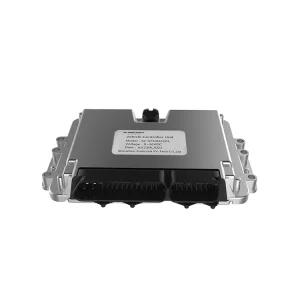
The company focuses on the development and production of battery systems, power electronics, electric drivetrain components, battery management systems (BMS), charging system components, thermal management solutions, high-voltage electrical assemblies, and integrated EV powertrain technologies. Its products are designed to support passenger vehicles, commercial electric vehicles, light-duty transportation platforms, and emerging mobility applications.
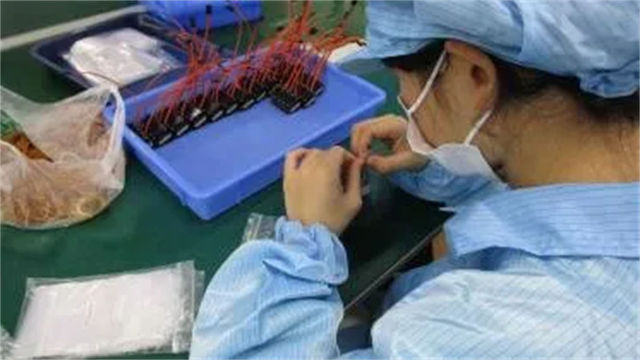
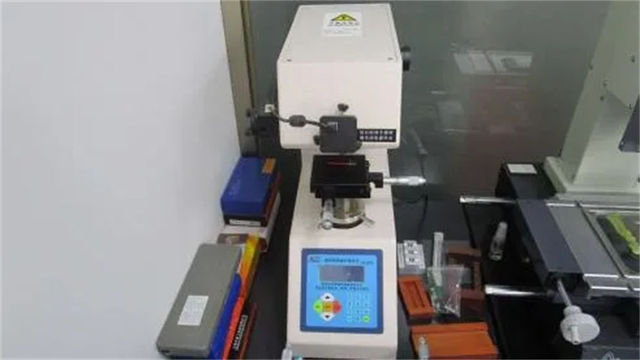
DCI Autos combines advanced manufacturing technologies, automated production equipment, and rigorous quality control procedures to ensure product reliability, efficiency, and long-term operational performance. The company operates dedicated engineering laboratories and testing facilities where products undergo extensive validation, environmental testing, and performance verification throughout the development and manufacturing process.
To meet the evolving requirements of the electric mobility sector, DCI Autos provides flexible OEM and ODM services, including customized component development, private-label manufacturing, system integration support, and application-specific engineering solutions. Its research and development team continuously explores innovations in electrification, energy management, lightweight design, and intelligent vehicle systems.
Today, Shenzhen DCI Autos Co., Ltd. serves customers across North America, Europe, Southeast Asia, the Middle East, South America, and other international markets. Through continuous innovation, precision manufacturing, and customer-focused collaboration, the company remains committed to supporting the global transition toward sustainable transportation and next-generation electric mobility technologies.
A1: Standard lithium-ion batteries require energy-intensive mineral extraction and processing, yielding substantial carbon emissions at the upstream level. Bio-based batteries replace these metal components with carbonized lignin or agricultural waste, which are carbon-neutral or even carbon-negative materials. This shifts the industrial footprint toward a circular economy model, cutting life-cycle CO2 emissions by up to 85%.
A2: Yes, but with firmware and control logic modifications. Due to different electrochemical potentials and internal resistances, the BMS must be recalibrated for specific charging voltage limits, dynamic temperature coefficients, and cell balancing thresholds. High-end smart BMS units, such as those manufactured by DCI Autos, can be programmed to handle these custom settings.
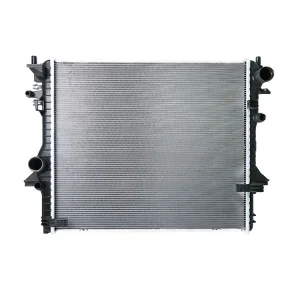
A3: Bio-based batteries typically exhibit lower thermal runaway dynamics than traditional high-energy nickel-manganese-cobalt (NMC) batteries. For instance, solid polymer electrolytes derived from chitosan or pectin do not vaporize or catch fire easily. However, secondary systems still require thermal management (like liquid cooling loops or radiators) to optimize performance, maintain safety, and prolong the cycle life.
A4: Currently, active bio-based anode materials (like lignin-derived hard carbon) are entering market deployment in sodium-ion configurations, suitable for light-duty passenger vehicles, delivery trikes, and static storage systems. Complete organic active chemistries are in pilot phases, with fully bio-based propulsion estimated to reach heavy EVs by the early 2030s.
 DCI Autos