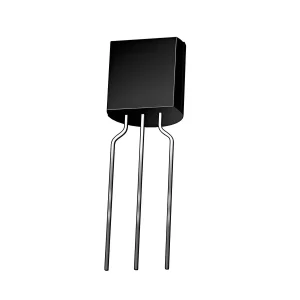
Explore our tier-one OEM & ODM solutions engineering reliable mechanical performance, fluid regulation, and power electronics control systems.
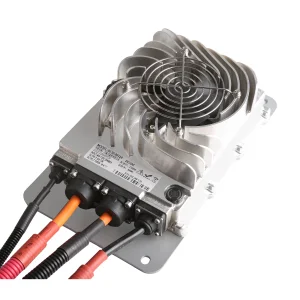
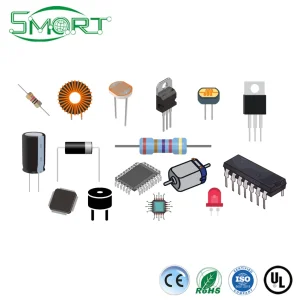
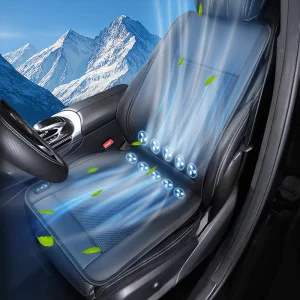
Shenzhen DCI Autos Co., Ltd. is a professional manufacturer specializing in electric vehicle components and advanced mobility technologies for the global automotive industry. Established in 2014, the company is headquartered in Shenzhen, Guangdong Province, a leading center for innovation in electric transportation and intelligent manufacturing. Operating from a modern production facility covering 28,000 square meters and supported by more than 300 employees, DCI Autos has developed comprehensive capabilities in engineering, manufacturing, testing, and international supply chain support.
Product Line Focus: The company focuses on the development and production of battery systems, power electronics, electric drivetrain components, battery management systems (BMS), charging system components, thermal management solutions, high-voltage electrical assemblies, and integrated EV powertrain technologies. Its products are designed to support passenger vehicles, commercial electric vehicles, light-duty transportation platforms, and emerging mobility applications.
By offering customized component engineering alongside scalable industrial supply chains, DCI Autos actively drives thermal optimization across key high-power zones. Our solutions resolve the fundamental thermal problems faced by modern energy configurations, maximizing power output while minimizing thermodynamic deterioration.
An analysis of energy loss mitigation, temperature uniformity, and the engineering of cooling pathways in high-density electrical systems.
In modern high-performance electric vehicles (EVs), thermal management has transitioned from a supporting packaging requirement to a primary limiting factor of powertrain performance. The thermodynamic challenges stem directly from the laws of physics: high current rates combined with internal battery resistance generate internal energy losses (Joule heating, defined by P = I²R). As battery packs scale to support 800V ultra-fast charging systems and high-capacity discharges, mitigating this heat is critical to prevent thermal runaway and cell degradation.
Managing heat distribution within a cell matrix requires maintaining a highly uniform operating temperature across the system (typically within ±2°C). High thermal gradients trigger uneven internal resistance distribution, which accelerates the degradation of cells and lowers overall capacity over time. Advanced thermal optimization strategies utilize liquid cooling plates, direct immersion systems, and custom phase-change material (PCM) layers to establish low-resistance thermal conduction paths. Heat must be transferred from the cell core through structural gaps to the coolant channel, which demands extremely low thermal interface resistance.
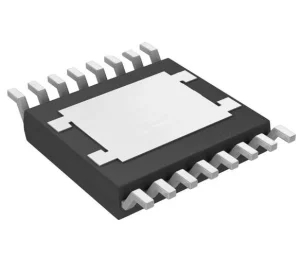
Furthermore, power semiconductors like Silicon Carbide (SiC) and Gallium Nitride (GaN) operate at power densities exceeding 100 W/cm². Heat flux at these levels requires microchannel fluid geometries, brazed cooling plates, and direct substrate cooling. Optimizing these layouts is essential to control junction temperatures and ensure long-term semiconductor reliability.
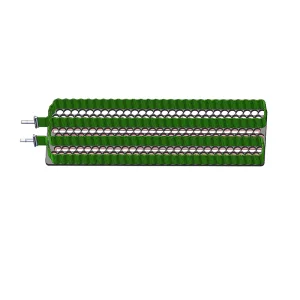
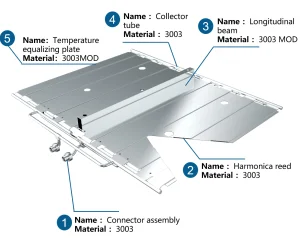
Aluminum microchannel designs featuring multi-port extrusion (MPE) lines optimize the heat transfer coefficient with minimal pressure drop.
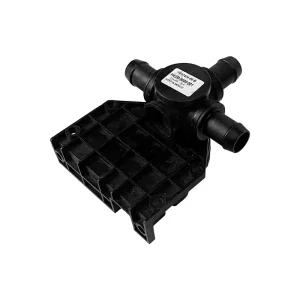
Smart proportional 3-way heater water valves dynamically reroute coolant loops to coordinate heat exchange between the battery, cabin, and drive unit.
Laminated structural busbars combine electric power distribution with passive cooling layers to mitigate localized high-current hotspots.
Backed by automated production lines and robust validation systems, we bridge the gap between initial prototyping and high-volume delivery.
Shenzhen's industrial clusters combine speed, raw material access, and advanced manufacturing technologies.
The global EV supply chain relies heavily on Chinese engineering ecosystems to drive scale and efficiency. As thermal management components transition from traditional mechanical configurations to complex, integrated multi-layer thermal plates, sourcing from specialized hubs like Shenzhen offers distinct strategic advantages:
Proximity to key aluminum refining, extrusion, and alloying centers simplifies the sourcing of materials like high-purity Al3003 and Al6063. This integration keeps raw material costs stable and reduces production lead times for extruded profiles.
Chinese factories utilize advanced, high-throughput CAB furnaces and vacuum brazing systems. These technologies are crucial for manufacturing leak-free microchannel cold plates that meet the demanding sealing standards of automotive coolant lines.
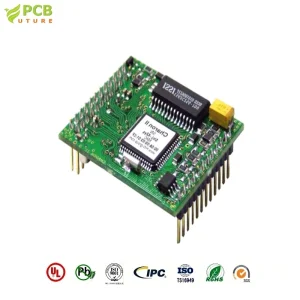
Integrating mechanical thermal structures, control valves, PCB assemblies (SMT/THT), and sensor elements within a single industrial cluster reduces logistics overhead. This allows for rapid iteration of integrated thermal systems.
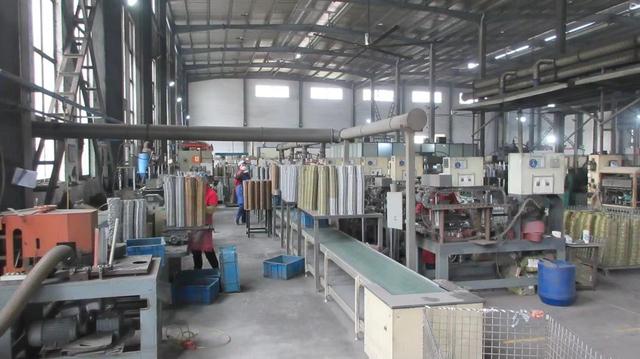
DCI Autos combines advanced manufacturing technologies, automated production equipment, and rigorous quality control procedures to ensure product reliability, efficiency, and long-term operational performance. The company operates dedicated engineering laboratories and testing facilities where products undergo extensive validation, environmental testing, and performance verification throughout the development and manufacturing process.
To meet the evolving requirements of the electric mobility sector, DCI Autos provides flexible OEM and ODM services, including customized component development, private-label manufacturing, system integration support, and application-specific engineering solutions. Its research and development team continuously explores innovations in electrification, energy management, lightweight design, and intelligent vehicle systems.
From heavy-duty material handling to specialized aerospace frames, DCI Autos develops thermal systems engineered for diverse environmental conditions.
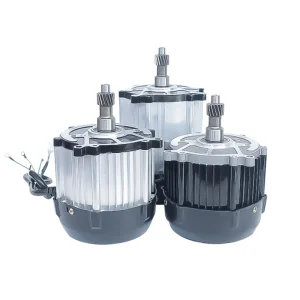
Industrial platforms like electric forklifts, container reach stackers, and automated guided vehicles (AGVs) operate under high load factors. Maintaining proper thermal control prevents motor overheating and battery degradation in high-duty environments.
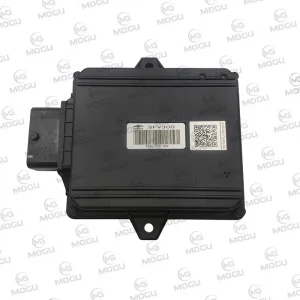
Typical Solution: Integrated VCU control modules & liquid-cooled plates.Rideshare EVs require continuous high-speed fast charging and experience long operational runtimes. Thermal management systems must actively control temperature spikes during fast charging to maintain cycle life and preserve cabin climate control.
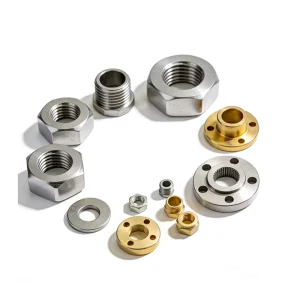
Typical Solution: Dynamic 3-way heater valves & high-efficiency cold plate modules.Unmanned aerial vehicles (UAVs) and eVTOL platforms operate with strict weight budgets. Frame components must serve double duty, providing structural rigidity while helping conduct heat away from high-draw avionics and motors.
Typical Solution: CNC-milled structural frame parts with integrated cooling pathways.Key design developments enabling faster charge rates and improved thermal control in high-power EV systems.
As battery architectures shift toward cell-to-pack (CTP) designs and solid-state chemistry, thermal engineering continues to evolve. Key industry developments include:
Today, Shenzhen DCI Autos Co., Ltd. serves customers across North America, Europe, Southeast Asia, the Middle East, South America, and other international markets. Through continuous innovation, precision manufacturing, and customer-focused collaboration, the company remains committed to supporting the global transition toward sustainable transportation and next-generation electric mobility technologies.
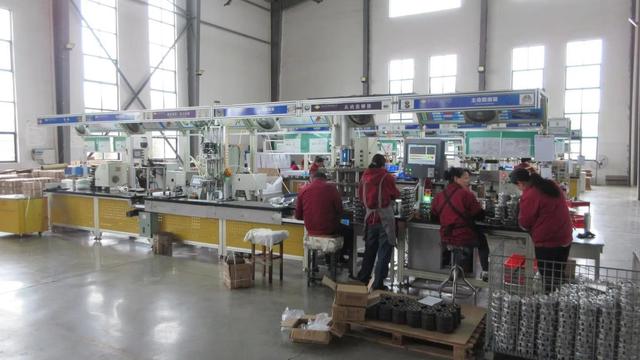
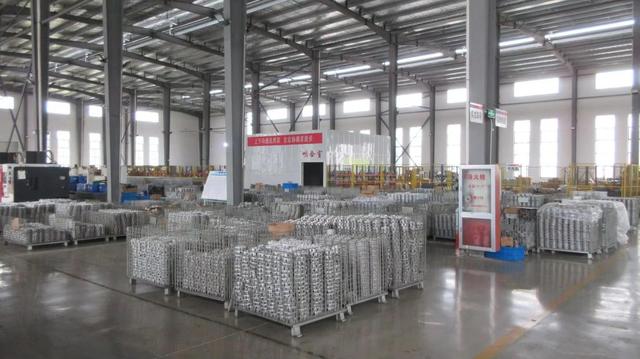
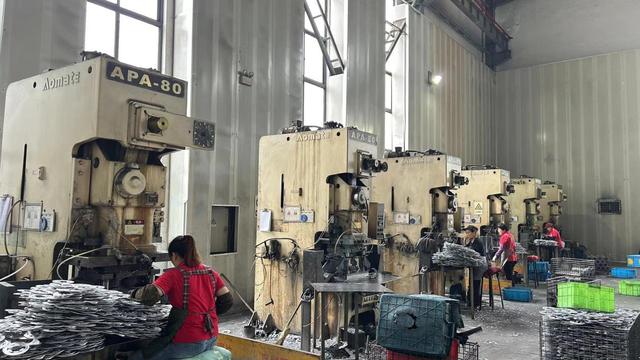
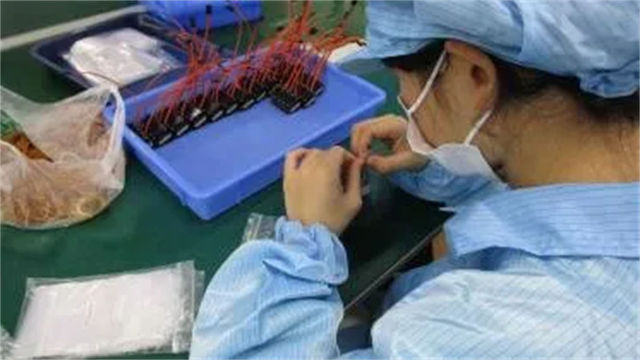
A look inside our 28,000 square meter plant showing our production lines, quality inspection bays, and automated logistics systems.
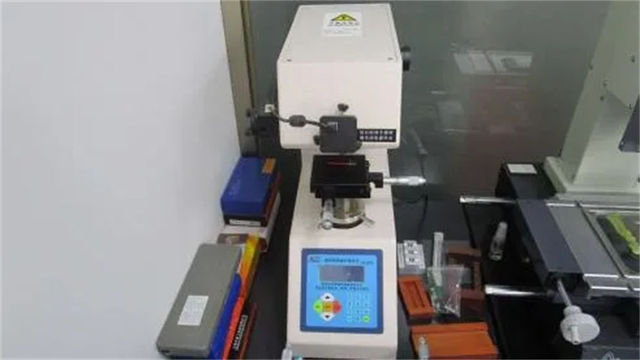
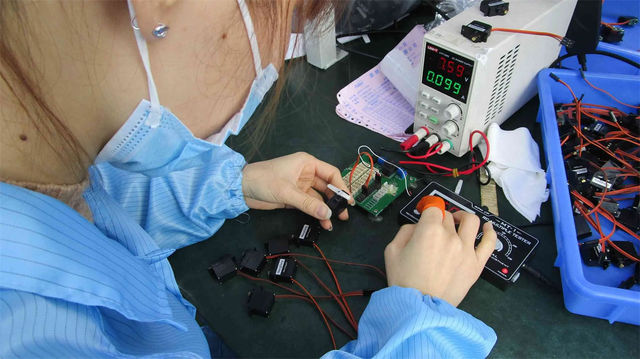
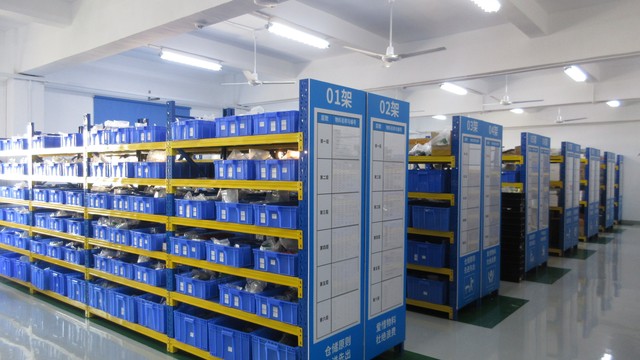
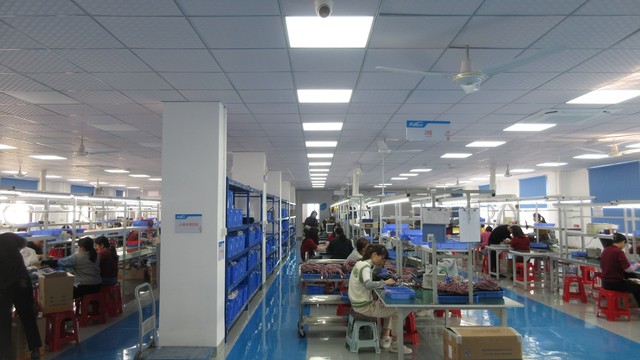
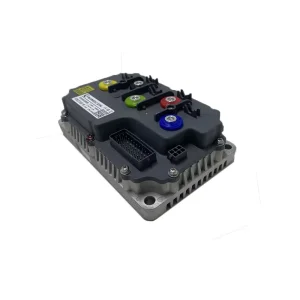
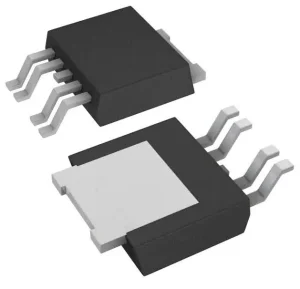
Select options for battery integration plates, structural castings, controller electronics, and power semiconductors.
Answers to common design, engineering, and manufacturing questions for technical buyers and system integrators.
We use Computational Fluid Dynamics (CFD) to optimize channel layout, balancing flow rate and heat transfer across the cooling plate. By adjusting channel widths and flow directions, we maintain cell-to-cell temperature variations within ±2°C across the entire module.
We primarily use 3003 and 6063 aluminum alloys. These alloys offer a strong balance of thermal conductivity (approx. 190-200 W/m·K), corrosion resistance, formability, and brazing reliability in controlled atmosphere furnaces.
Our quality control protocols include helium leak testing to verify seal integrity, thermal shock testing between -40°C and 120°C, pressure impulse testing up to 100,000 cycles at 6 bar, burst pressure verification, and salt spray testing for corrosion resistance.
We support both models. For ODM projects, we design the thermal management system from your battery packaging and heat dissipation requirements. For OEM projects, we manufacture components to your exact drawings, utilizing our automated casting, brazing, and CNC machinery.
Initial design verification and simulation typically take 1 to 2 weeks. Prototype tooling and sample fabrication are usually completed within 3 to 4 weeks, depending on the complexity of the internal flow path and the selected manufacturing method.
The 3-way valve regulates fluid flow to dynamically manage heat. It can isolate the battery loop during cold starts to quickly warm the pack, or combine loops when dumping waste heat from the motor to heat the cabin, reducing overall heater energy consumption.
We serve major international markets with custom packaging, localized customs documentation, and flexible delivery terms (FOB, CIF, DDP). Our logistics team coordinates with international carriers to ensure reliable shipping from our Shenzhen facility.
 DCI Autos