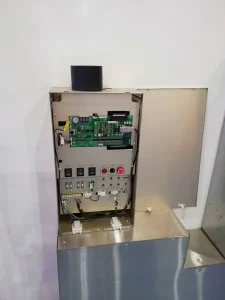
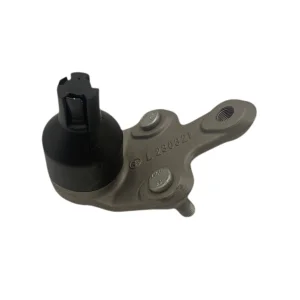
Industrial-grade power electronics, active cooling assemblies, and smart EV infrastructure configurations.
The global transportation ecosystem is undergoing a profound structural transition. As fleet operators, passenger car OEMs, and heavy industrial machinery developers accelerate their electrification strategies, the bottleneck of performance is no longer energy density alone—it is the speed and thermal management of energy replenishment. OEM/ODM Rapid Charging Solutions are the keystone technology that enables high utilization rates, mitigates vehicle downtime, and bridges the gap between conventional internal combustion engine convenience and clean energy grids.
Developing robust rapid charging systems requires deep system integration. It is not merely about pushing high currents; it involves a complex topology consisting of high-voltage wiring, precise communication protocols, optimized thermal management systems, and smart battery management units (BMS). As a premier global manufacturing partner, Shenzhen DCI Autos Co., Ltd. stands at the forefront of this industrial design layer.
The deployment of rapid charging infrastructure faces divergent regional challenges and regulatory environments. In Europe, the Alternative Fuels Infrastructure Regulation (AFIR) mandates minimum power requirements along major corridors, pushing the demand for both Megawatt Charging Systems (MCS) for heavy duty vehicles and scalable DC fast charging hubs. In North America, the National Electric Vehicle Infrastructure (NEVI) Formula Program enforces high uptime standards, requiring chargers to integrate CCS and NACS connections natively while maintaining high grid-edge efficiency.
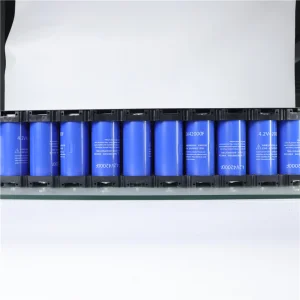
Simultaneously, the physical electrical grid is experiencing severe load pressure. The peak demand introduced by multiple vehicles charging at 150kW to 350kW simultaneously can strain local distribution transformers. To counteract this, modern rapid charging networks are incorporating renewable energy grid integration, leveraging stationary energy storage systems (BESS) and high-density supercapacitors (such as 1050F systems) to shave peak demand, buffer high-current draws, and stabilize local grids without requiring massive utility infrastructure upgrades.
For an OEM/ODM provider, a charging solution is not a stand-alone appliance; it is an integrated ecosystem. High-power DC transfer rates place extreme stress on every sub-system:
| Component System | OEM/ODM Target Parameters | Primary Engineering Target |
|---|---|---|
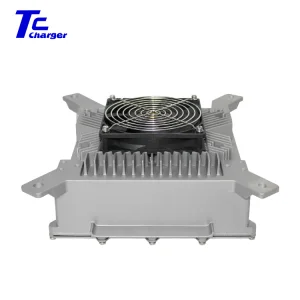
| Smart AC/DC Chargers | 7kW / 22kW AC to 350kW+ DC | Dynamic Load Balancing (DLB) & OCPP 1.6J / 2.0.1 compliance |
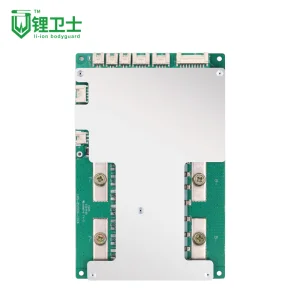
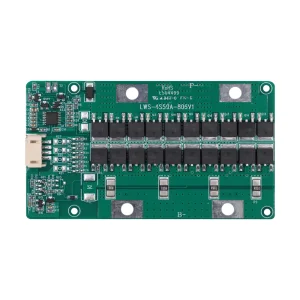
| Battery Management (BMS) | 4S to 8S (and expandable HV arrays) | Real-time cell monitoring, over-current cutoff, RS485/BT telemetry |
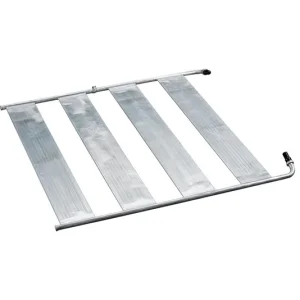
| Thermal Platforms | Aluminum cold-plates, multi-channel flow | Homogeneous thermal profile, low pressure drop |
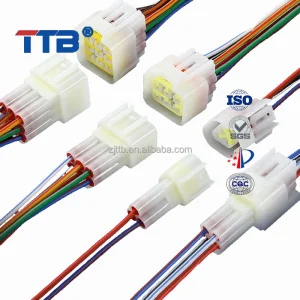
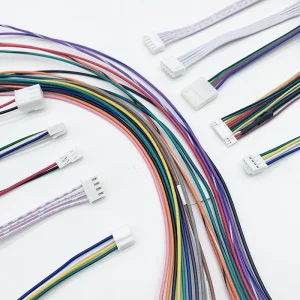
| Waterproof Interconnects | IP65 to IP67 ingress ratings | Low resistance contact pins, vibration mitigation |
Industrial environments call for highly tailored engineering approaches. For instance, in marine systems, electric outboard propulsion thrusters (such as high-torque brushless setups) require sealed, corrosion-resistant batteries and dedicated charging loops that withstand moisture and salt spray.
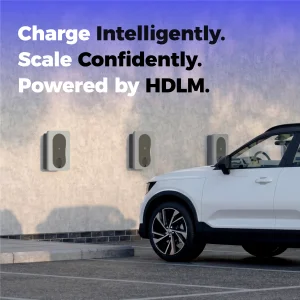
In public urban settings, AC Wallboxes with Dynamic Load Balancing (DLB) are deployed in commercial parking garages. These units communicate with building management systems via OCPP 1.6J to distribute the local power capacity dynamically, preventing structural overloads while ensuring passenger vehicles are charged reliably. In high-power industrial machinery, PMSM motor controllers operate hand-in-hand with custom battery architectures to buffer energy during braking and draw high peak power during heavy duty duty cycles, optimizing overall system efficiency.
The industry is transitioning toward 800V and 1000V operational systems. By doubling the voltage, OEMs can reduce the current requirement by half for the same power delivery, which significantly reduces the copper wire cross-section, saves weight, and decreases $I^2R$ losses. This development will heavily influence future designs of automotive wire harnesses, on-board chargers, and battery management electronics.
Furthermore, Silicon Carbide (SiC) semiconductors are steadily replacing traditional Silicon IGBTs in power conversion systems. SiC components offer superior thermal performance, higher switching frequencies, and reduced footprint, paving the way for next-generation, high-efficiency, ultra-compact charging modules.
Your strategic engineering and high-volume manufacturing partner for advanced electric vehicle technologies.
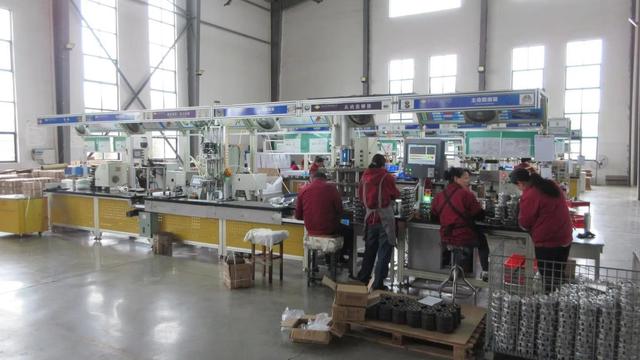
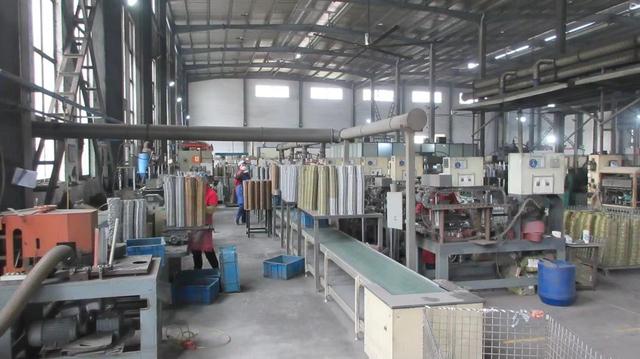
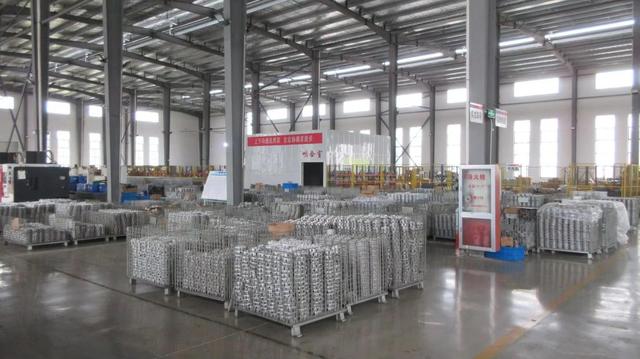
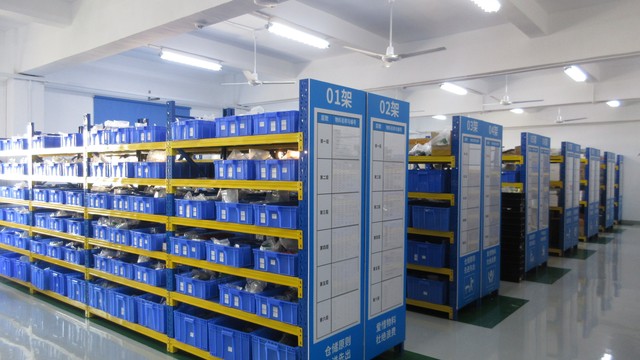
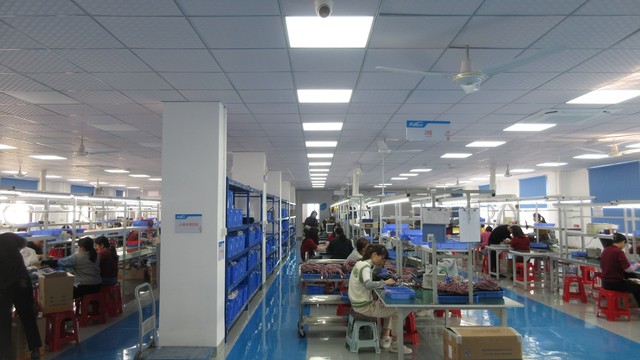
Established in 2014, Shenzhen DCI Autos Co., Ltd. is a professional manufacturer specializing in electric vehicle components and advanced mobility technologies for the global automotive industry. Headquartered in Shenzhen, Guangdong Province—a leading hub for electric transportation and intelligent manufacturing—the company operates a modern production facility covering 28,000 square meters and is supported by more than 300 employees. DCI Autos has built comprehensive capabilities in engineering, manufacturing, testing, and international supply chain support.
The company focuses on the development and production of battery systems, power electronics, electric drivetrain components, battery management systems (BMS), charging system components, thermal management solutions, high-voltage electrical assemblies, and integrated EV powertrain technologies. Its products are designed to support passenger vehicles, commercial electric vehicles, light-duty transportation platforms, and emerging mobility applications.
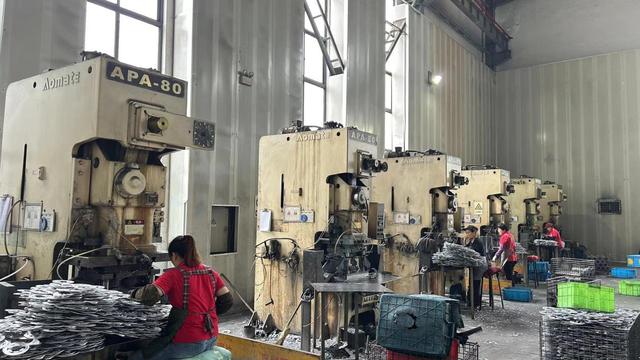
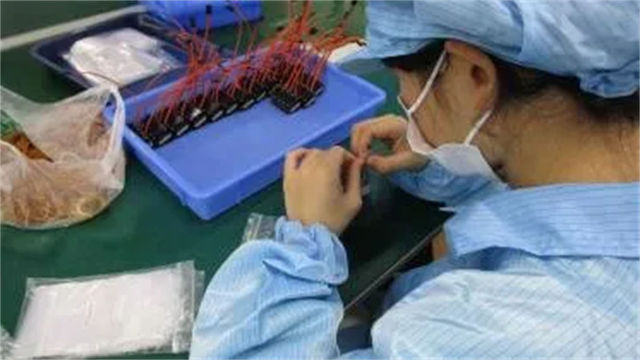
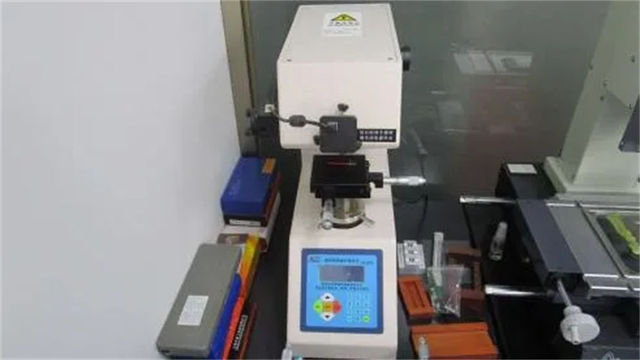
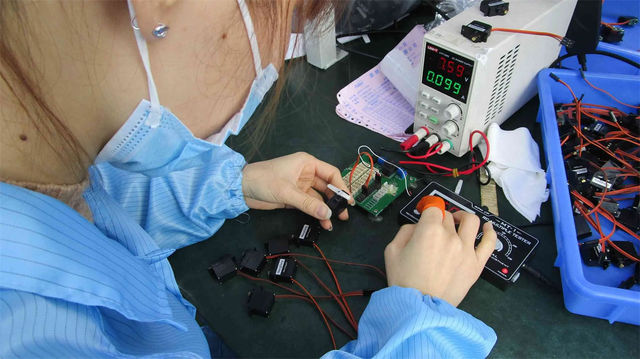
DCI Autos combines advanced manufacturing technologies, automated production equipment, and rigorous quality control procedures to ensure product reliability, efficiency, and long-term operational performance. The company operates dedicated engineering laboratories and testing facilities where products undergo extensive validation, environmental testing, and performance verification throughout the development and manufacturing process.
To meet the evolving requirements of the electric mobility sector, DCI Autos provides flexible OEM and ODM services, including customized component development, private-label manufacturing, system integration support, and application-specific engineering solutions. Its research and development team continuously explores innovations in electrification, energy management, lightweight design, and intelligent vehicle systems.
Today, Shenzhen DCI Autos Co., Ltd. serves customers across North America, Europe, Southeast Asia, the Middle East, South America, and other international markets. Through continuous innovation, precision manufacturing, and customer-focused collaboration, the company remains committed to supporting the global transition toward sustainable transportation and next-generation electric mobility technologies.
Addressing core technical queries regarding OEM/ODM integration, standard certifications, and design configurations.
Automotive-grade motor controllers, wiring assemblies, smart battery modules, and auxiliary systems.
 DCI Autos