Explore our top-performing electrical assemblies, controllers, and wiring technologies engineered for next-generation electric mobility architectures.

An in-depth analysis of the technological shift, market drivers, and hardware integration enabling Software-Defined Vehicles (SDVs) globally.
The global automotive sector is undergoing a massive structural transition. Historically, vehicles functioned through hundreds of independent Electronic Control Units (ECUs), each operating in functional silos. Today, the rise of the Software-Defined Vehicle (SDV) has consolidated this fragmented layout into centralized computing architectures. As a leading China vehicle connectivity technologies exporter, Shenzhen DCI Autos Co., Ltd. addresses this transition by supplying high-integrity integration systems, such as advanced Vehicle Control Units (VCUs) and intelligent power systems.
Modern vehicular connectivity relies on a symbiotic relationship between high-speed edge hardware, robust communication protocols (like Automotive Ethernet and CAN-FD), and cloud telemetry. In modern fleets, connectivity is no longer just about infotainment; it forms the backbone of active functional safety, diagnostics, predictive battery monitoring, and Over-the-Air (OTA) firmware delivery. For wholesale buyers, procuring components that comply with strict automotive safety ratings (such as ISO 26262 ASIL-D) is paramount to entering highly regulated markets like Europe and North America.
Integration of Cellular Vehicle-to-Everything (C-V2X) and DSRC standards to enable real-time safety, hazard warnings, and coordinated autonomous driving.
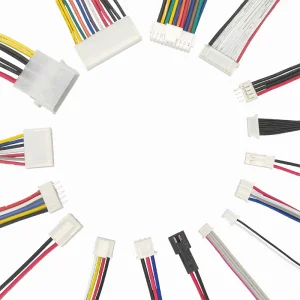
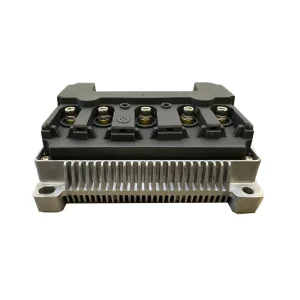
Seamless engineering of high-voltage wire harnesses, bus bars, and PDUs to handle modern 400V/800V fast-charging passenger and commercial EV platforms.
Cloud-linked diagnostics leveraging machine learning to predict battery pack degradation, motor controller faults, and thermal cooling failures.
From freezing climates demanding rigorous thermal insulation to fast-paced intra-city logistics fleets requiring precise VCU telemetry tracking.
For importers targeting markets in Northern Europe and Canada, thermal degradation of vehicle systems is a major barrier. Vehicles operating in sub-zero environments rely heavily on intelligent heating elements, liquid coolant loops, and precise radiator thermal dynamics to prevent power output drops.
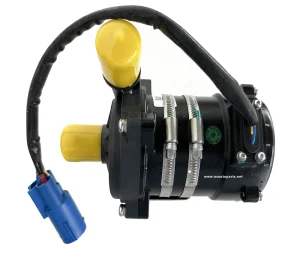
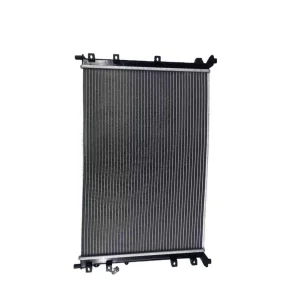
We engineer customized thermal systems, including OEM radiator assemblies and variable-spec cooling pumps, which integrate directly with the central VCU to monitor ambient air and optimize coolant distribution cycles dynamically.
In congested urban spaces of Latin America and Southeast Asia, last-mile commercial electric vehicles and electric golf carts require cost-effective, high-durability electronic drive systems. These applications need programmable controllers that manage frequent stop-and-start operations safely.
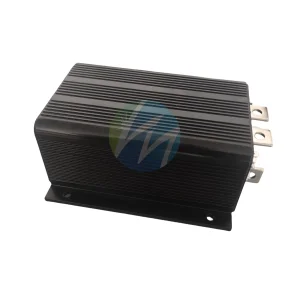
DCI Autos delivers programmable DC and PMSM motor controllers designed to provide smooth acceleration, limit power surges, and maximize regeneration efficiency. This contributes to a prolonged battery lifecycle in intense commercial operation profiles.
A premier manufacturer and exporter of electric vehicle components and advanced mobility technologies for the global automotive industry.
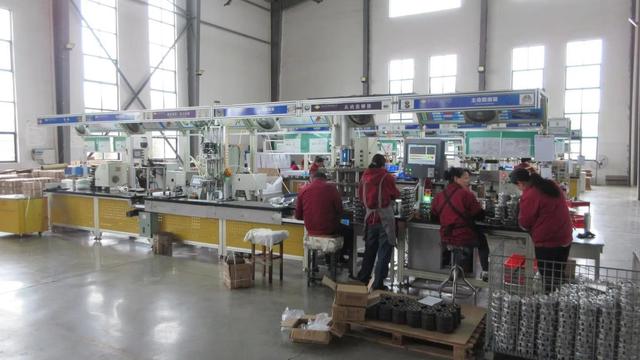
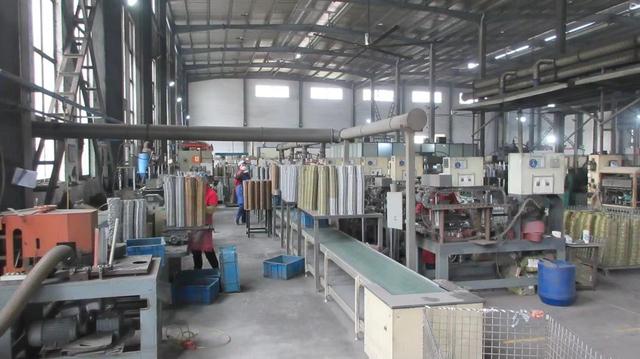
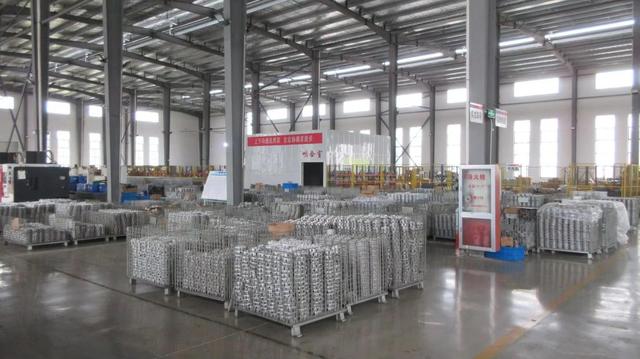
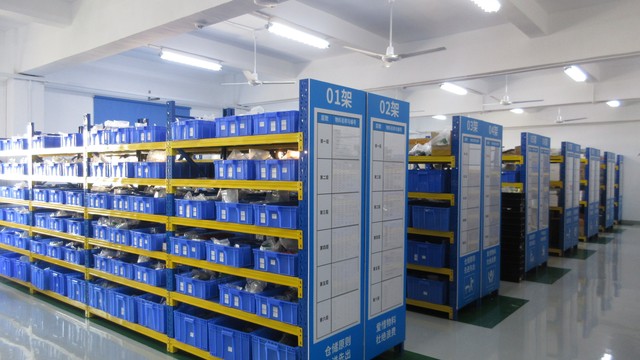
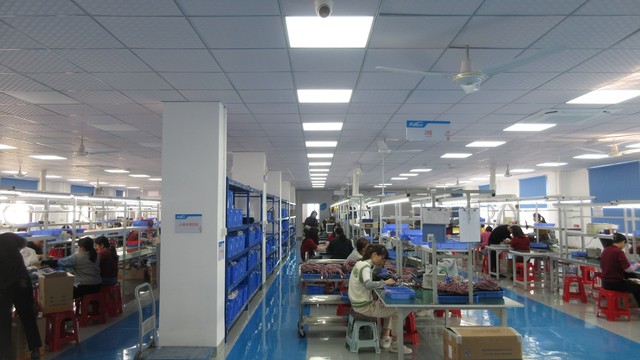
Established in 2014, Shenzhen DCI Autos Co., Ltd. is headquartered in Shenzhen, Guangdong Province, a leading center for innovation in electric transportation and intelligent manufacturing. Operating from a modern production facility covering 28,000 square meters and supported by more than 300 employees, DCI Autos has developed comprehensive capabilities in engineering, manufacturing, testing, and international supply chain support.
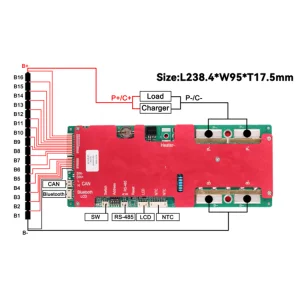
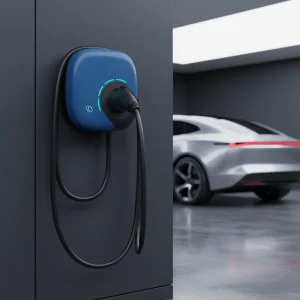
The company focuses on the development and production of battery systems, power electronics, electric drivetrain components, battery management systems (BMS), charging system components, thermal management solutions, high-voltage electrical assemblies, and integrated EV powertrain technologies. Its products are designed to support passenger vehicles, commercial electric vehicles, light-duty transportation platforms, and emerging mobility applications.
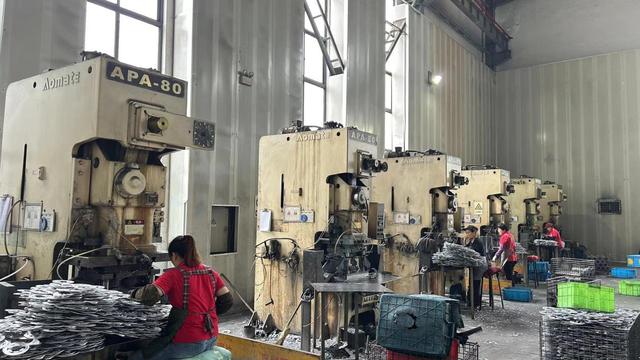
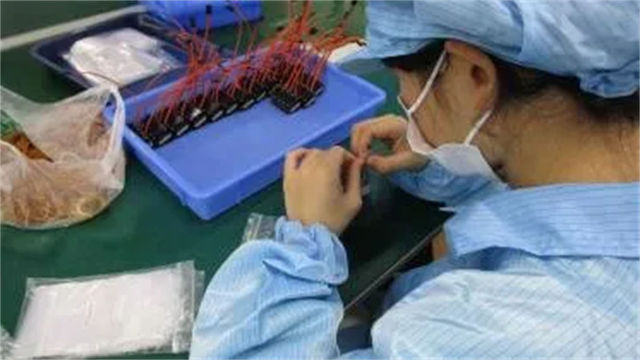
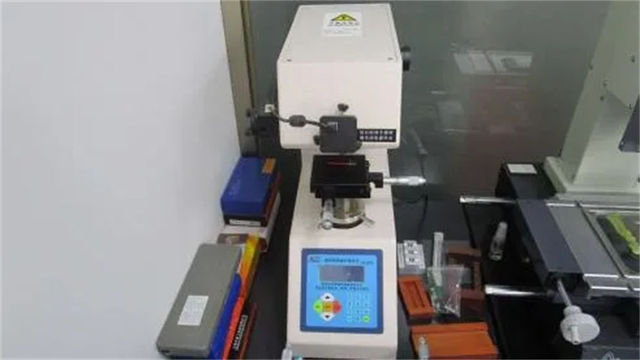
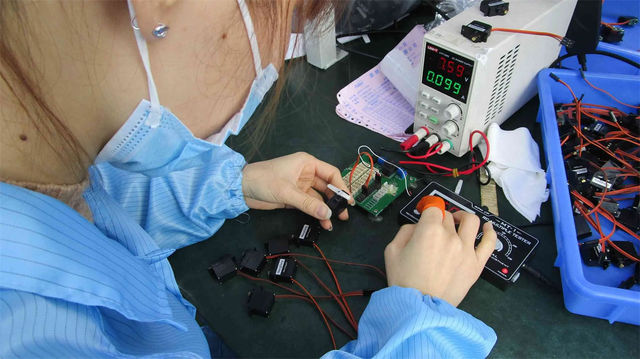
DCI Autos combines advanced manufacturing technologies, automated production equipment, and rigorous quality control procedures to ensure product reliability, efficiency, and long-term operational performance. The company operates dedicated engineering laboratories and testing facilities where products undergo extensive validation, environmental testing, and performance verification throughout the development and manufacturing process.
To meet the evolving requirements of the electric mobility sector, DCI Autos provides flexible OEM and ODM services, including customized component development, private-label manufacturing, system integration support, and application-specific engineering solutions. Its research and development team continuously explores innovations in electrification, energy management, lightweight design, and intelligent vehicle systems.
Today, Shenzhen DCI Autos Co., Ltd. serves customers across North America, Europe, Southeast Asia, the Middle East, South America, and other international markets. Through continuous innovation, precision manufacturing, and customer-focused collaboration, the company remains committed to supporting the global transition toward sustainable transportation and next-generation electric mobility technologies.
How we maintain industrial-grade engineering resilience and adapt to upcoming global automotive regulations.
To enter high-barrier global supply chains, all vehicle connectivity technologies must undergo strict validation stages. Shenzhen DCI Autos Co., Ltd. follows a standardized design and verification flow that includes:
1. Hardware-in-the-Loop (HIL) Testing: Real-time simulation of vehicular dynamics to test how controllers (BMS, VCU, Motor Controllers) respond under unexpected communication losses or physical damage.
2. Environmental and Lifecycle Chamber Testing: Components are subjected to thermal shock cycling (-40°C to 125°C), high-humidity chambers, salt mist tests, and structural shaker table tests to ensure long-term durability.
3. Electromagnetic Compatibility (EMC): To prevent electrical interference from disrupting safety-critical CAN bus transmissions, our components conform to CISPR 25 standards.
Expansion of high-density BMS with active balancing algorithms and optimization of multi-port smart junction boxes. Launching next-generation 800V-silicon carbide (SiC) motor controller integration.
Standardizing ASIL-D functional safety on all VCU architectures and integrating advanced IoT telemetry platforms with built-in cybersecurity cryptographic hardware at the chip level.
Crucial technical, commercial, and logistical clarifications for global wholesale vehicle technology importers.
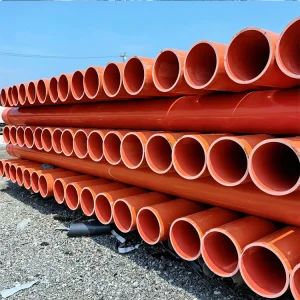
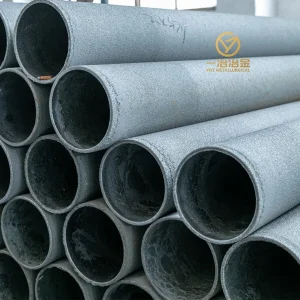
Our automotive electronics, battery systems, and wiring systems are built to comply with global verification guidelines. Depending on the product category, we configure components to meet ISO 26262 (ASIL ratings for functional safety), CE, RoHS, and FCC directives. Our high-voltage CPVC insulation harnesses and connectors undergo flame-retardant tests and high-voltage dielectric breakdown tests to ensure reliability in challenging operating conditions.
We provide deep ODM/OEM support, which includes structural CAD modeling, circuit design (PCB layout), firmware integration, and hardware prototyping. Because we manage a 28,000 square meter factory equipped with modern SMT lines and testing setups, we can take projects from design to mass production while maintaining strict IP controls.
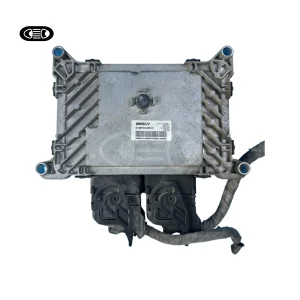
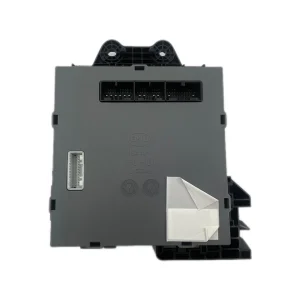
The VCU serves as the central brain of an electric vehicle. It coordinates the motor controller, BMS, charger, and peripheral modules. In connectivity applications, the VCU processes and routes CAN bus messages to the telematics box (T-Box), enabling real-time data transmission, remote software updates, and predictive diagnostics.
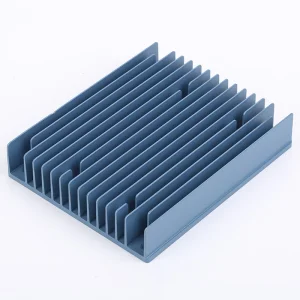
High-voltage components, such as fast-charging PDUs and high-capacity battery packs, generate significant heat during operation. Efficient heat dissipation is critical to prevent thermal runaway and performance bottlenecks. Utilizing high-efficiency radiator assemblies, custom-machined aluminum heatsinks, and liquid cooling channels keeps operating temperatures within safe limits, extending the life of connected systems.
Procure premium components directly from our production lines. Guaranteed testing verification and competitive bulk pricing on all exports.
 DCI Autos