High-precision EV integration assemblies and infrastructure units engineered for performance, safety, and operational reliability.
As the global demand for sustainable electric mobility grows, high-efficiency motors serve as the core driver for system-level energy conservation.
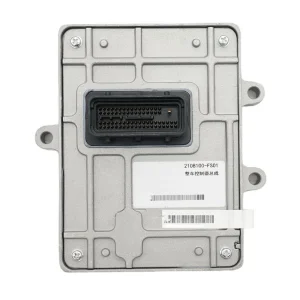
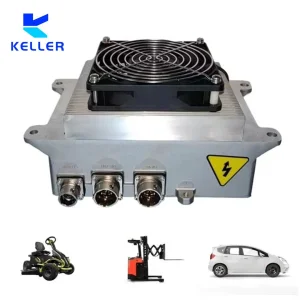
Modern electric vehicles and industrial automation equipment require more than just separate motor units. Our designs feature full integration of advanced vehicle control units (VCU), bidirectional DC-DC converters, and high-efficiency thermal exchangers, minimizing power losses across interfaces.
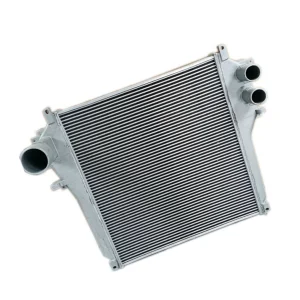
Thermal management directly impacts motor efficiency and operating lifespan. By utilizing custom intercoolers with internal flow baffles, our solutions maximize heat exchange efficiency, ensuring stable operations under demanding loads.
With an engineering and manufacturing background rooted in Shenzhen, we utilize state-of-the-art diagnostic laboratories to run thermal cycling, electromagnetic compatibility (EMC), vibration resistance, and accelerated lifetime testing (ALT).
The industrial landscape is undergoing a major transition. Strict environmental regulations, rising fossil fuel costs, and carbon neutrality goals have turned high-efficiency motors from a premium option into a regulatory necessity. In both commercial transport and precision industrial systems, efficiency directly affects operating expenditures (OPEX) and vehicle range.
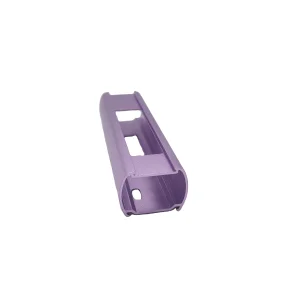
At Shenzhen DCI Autos Co., Ltd., we understand that achieving higher efficiency ratings (such as IE4 and IE5 equivalent performance in EV drive units) requires optimized electromagnetic layouts, lightweight structural components, and high-performance power electronics. By combining lightweight anodized aluminum extrusion profiles with highly conductive, low-loss stator designs, our assemblies offer high power density with low mechanical and thermal losses.
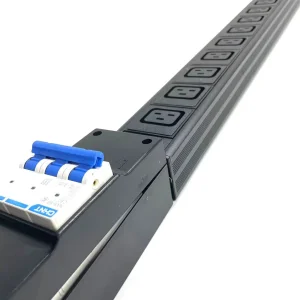
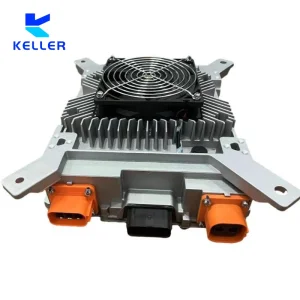
Our capabilities go beyond components. We deliver system-level packages including custom power distribution units (PDU), integrated on-board chargers (OBC), and suspension vibration-damping systems that help commercial EVs manage heavy operating profiles safely.
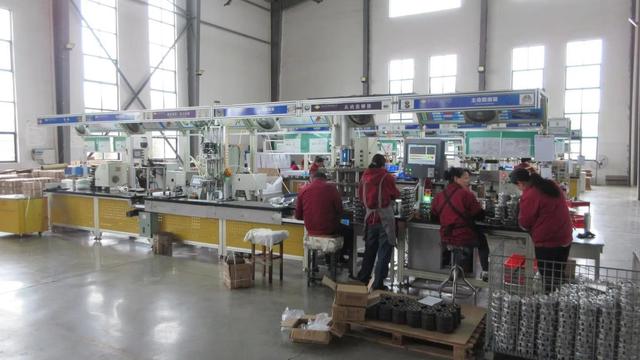
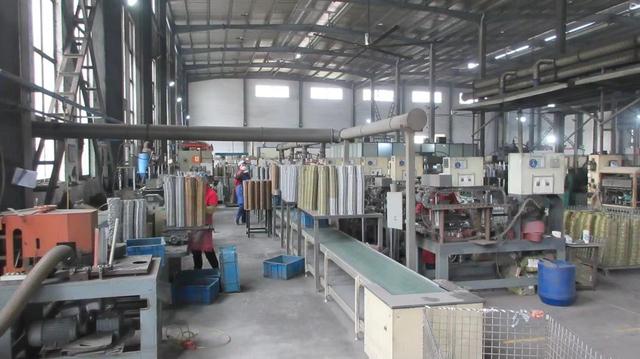
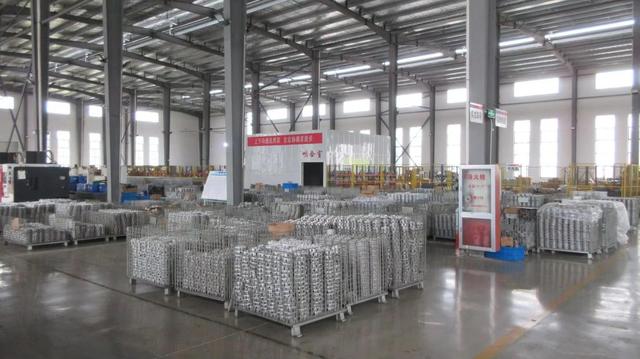
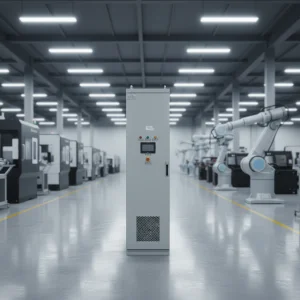
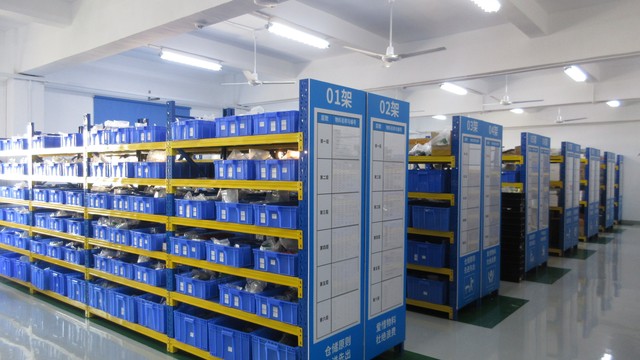
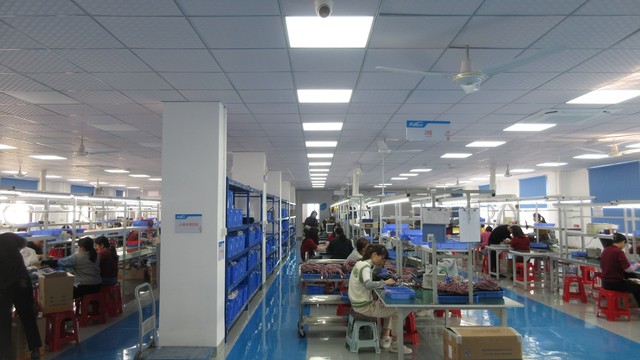
Inside our 28,000㎡ Shenzhen production facility, automated machinery produces and validates assemblies under IATF 16949 standards.
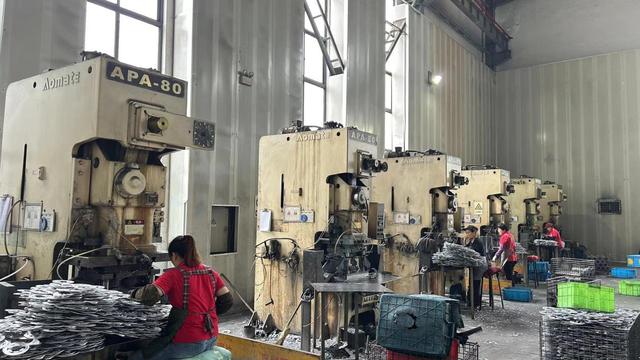
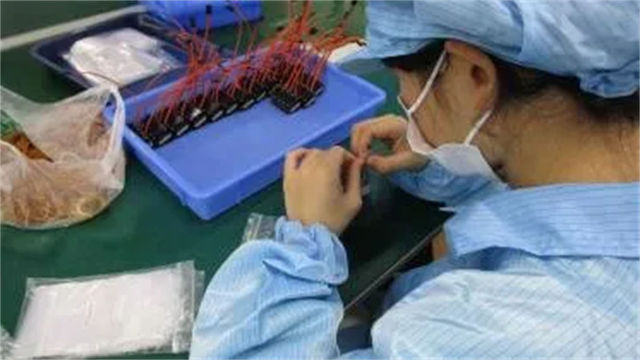
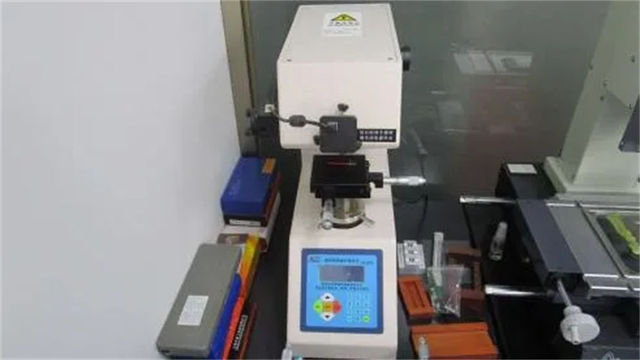
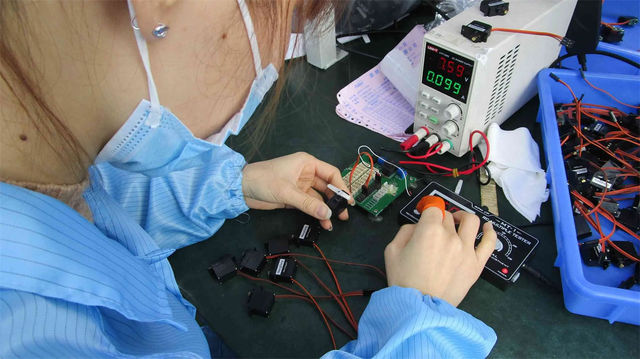
Dedicated validation laboratories run performance cycles on VCUs, shock absorbers, and electrical components.
For electric powertrains, the interaction between the drive motor and control electronics determines total system efficiency. High-frequency switching inside the inverter can cause electromagnetic interference (EMI) and harmonic losses in the motor windings. Our engineering approach addresses this through integrated validation of all connected systems.
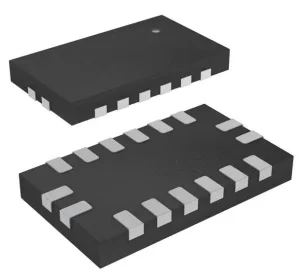
Integrating our 300kW Bidirectional DC-DC Converters with advanced motor controllers ensures rapid current response and voltage stability, even during regenerative braking cycles. By optimizing switching frequency patterns and using premium electronic components, we help fleet operators and vehicle integrators reduce energy losses.
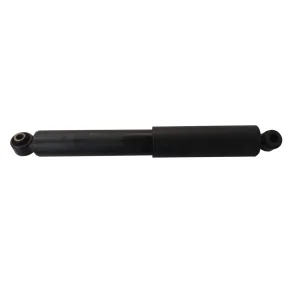
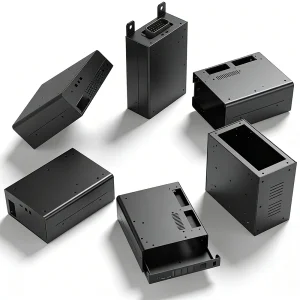
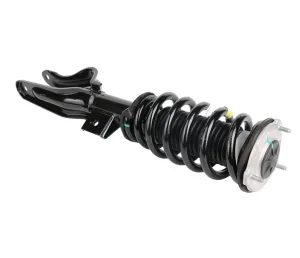
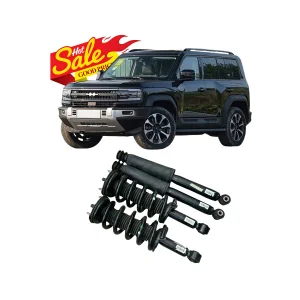
Additionally, specialized mechanical designs—such as customized structural chassis, IP67-rated enclosures, and shock absorption setups (like our Maxus EV30 and Tesla Model Y replacement suspension units)—ensure these delicate electronics are protected against environmental hazards and road vibration.
Ensuring our components satisfy local quality, environmental, and electrical codes across key global markets.
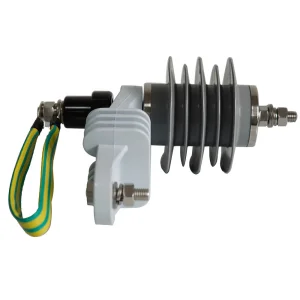
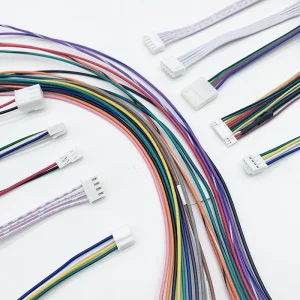
We supply UL-listed surge arresters, high-performance wire harnesses, and automotive-grade subassemblies that meet FCC, SAE, and local vehicle safety regulations, ensuring smooth system integration.
Our production lines satisfy CE, RoHS, and REACH directives. Our vehicle control systems and electronics are built to meet E-Mark directives and functional safety requirements (ISO 26262 / ASIL standards).
We provide regional engineering support, customized packaging, and flexible shipping options to help buyers in Asia, Europe, and the Middle East keep their local assembly operations running smoothly.
How Shenzhen DCI Autos Co., Ltd. continues to research and integrate next-generation materials and topologies.
Our upcoming power electronics products are transitioning from traditional Silicon IGBTs to Silicon Carbide (SiC) MOSFETs. SiC enables faster switching speeds, reduced thermal output, and up to 5% higher system efficiency in motor drives, directly extending vehicle driving range.
Moving from round wire to rectangular hairpin slot fill configurations allows our motor projects to increase copper space factors. This design change yields higher power outputs within smaller envelopes, while reducing thermal resistance.
Detailed answers regarding manufacturing capabilities, design standards, and system-level integrations.
With our 28,000㎡ manufacturing base and specialized R&D team in Shenzhen, we offer full design-to-production services. This includes PCB layout design, high-frequency transformer tuning, custom metal casings, and functional testing to meet your target parameters.
Integrating our 300kW Bidirectional DC-DC Converters with the VCU ensures low-latency power management. They communicate via high-speed CAN bus channels, matching generator output with real-time loads to reduce standby power losses.
DCI Autos operates under ISO9001 and IATF 16949 quality standards. Each product undergoes multiple validation stages, including optical inspection (AOI), circuit test routines (ICT), and functional burn-in tests before shipping.
Yes. We produce high-voltage and low-voltage wire harnesses (incorporating micro-connectors such as JST SH, GH, ZH, PH, and XH series) to manage EV power distribution and sensor data routing securely.
High-efficiency assemblies, structural profiles, and components for clean transportation and industrial power projects.
 DCI Autos