China Best Powertrain Control Units Manufacturer & Factories

Premium OEM/ODM Automotive Electronics, Integrated Domain Controllers, Vehicle Control Units (VCU), and Battery Management Systems (BMS) for the Next Generation of Global Intelligent E-Mobility.

Featured Powertrain & Electronic Systems

Explore our highly integrated core EV solutions, designed and manufactured according to stringent international automotive regulations.
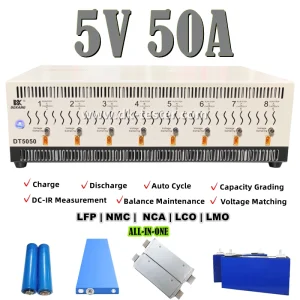
8-Channel LiFePO4 EV Battery Testing System

8-Channel 5V 50A LiFePO4 Nca Ncm Prismatic EV Lithium-Ion Battery Cell Capacity Grading Auto Cycle Charge and Discharge Testing System

View Technical Specifications
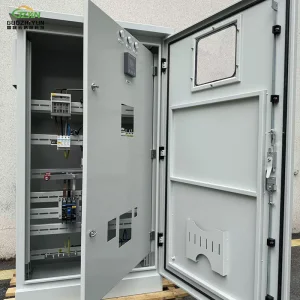
400A 3 Phase Distribution Panel Board

Power Distribution Solution 400A 3 Phase Distribution Panel Board Low Voltage Distribution Cabinet for Outdoor EV Charging

View Technical Specifications
Premium ADC12 Die Cast Components

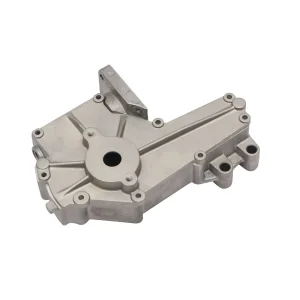
Premium ADC12 Die Cast Components for Automotive and Electronics Industries

View Technical Specifications
Power Dc to Dc Converter

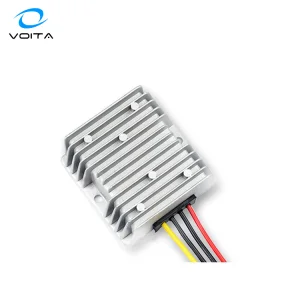
Good Quality boost 5V 12v 19V 24v 36V 48V 60V 72V 5A 10A 12A 13.8A 15A 20A 40A 60A Power Dc to Dc Converter for Boat

View Technical Specifications
Tesla Model Y Shock Absorber

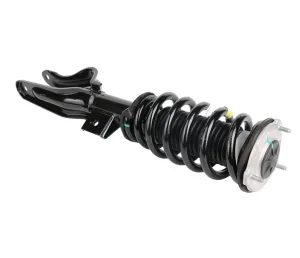
EV Auto Front Shock Absorber 1188368-00-E 1188064-00-B 1188368-00-F 1188376-00-D for Tesla Model Y 2020-2022

View Technical Specifications
Scooter Hoverboard Charger

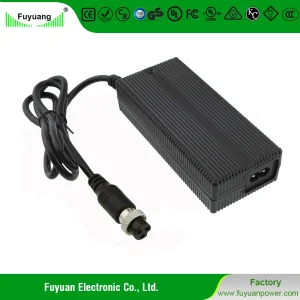
42V 2A Universal Electric Scooter Hoverboard Charger Fy4252000

View Technical Specifications
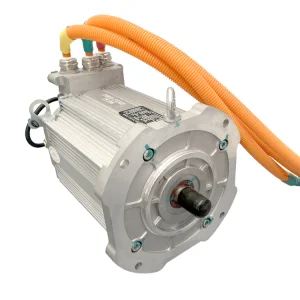
Integrated MCU VCU

72V Motor and Controller with Integrated MCU+VCU for EV Fleets

View Technical Specifications
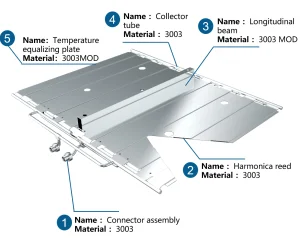
Battery Cooling Cold Plate

KUS EV Battery Cooling Cold Plate with High Heat Dissipation for New Energy Automotive Applications

View Technical Specifications

Industry Whitepaper: The Strategic Landscape of Global Powertrain Control Units

An authoritative analysis of technical standards, global demand integration, and optimization methodologies in vehicle control architecture.

1. Global Commercial and Industrial Landscape of Powertrain Control Units (PCUs)

In the transition toward sustainable transportation, the Powertrain Control Unit (PCU)—comprising the Vehicle Control Unit (VCU), Motor Control Unit (MCU), and Battery Management System (BMS)—serves as the primary operational matrix. Globally, the demand for high-reliability, high-voltage powertrain systems is scaling rapidly. Original Equipment Manufacturers (OEMs) and system integrators face stringent criteria: they must maximize energy conversion efficiency while conforming to safety standards like ISO 26262 (ASIL-D) and enabling advanced cybersecure Over-the-Air (OTA) firmware protocols.

As vehicle architectures move from distributed electronic units (ECUs) toward high-integration Domain Control Units (DCUs) or Zone Controllers, Chinese manufacturing centers have emerged as core providers. These centers deliver complete technical development alongside highly optimized scale production. This integration allows global automotive providers to significantly shorten their prototype-to-market cycles.

2. Technological Architecture & Integration of Modern EV Powertrains

The modern EV powertrain requires real-time coordination across high-voltage and low-voltage sub-systems. High-performance microcontrollers (such as 32-bit multicore lockstep processors) are now standard in VCU and MCU architecture. Key technical focuses include:

  • Torque Vectoring and Dynamic Control: Sophisticated algorithms run on the VCU to calculate driver torque demand, wheel slip ratios, and energy regeneration limits, sending commands to the MCU within sub-millisecond cycles.
  • Advanced Bus Communication: Support for CAN-FD (Flexible Data-rate) and Automotive Ethernet ensures high-throughput communication with minimal latency across ADAS systems, safety units, and telemetry dashboards.
  • Functional Safety Implementation: Hardware-in-the-loop (HIL) testing and dual-core redundant hardware architectures are critical to prevent uncontrolled acceleration or torque loss, aligning with ASIL-D development paths.

ISO 26262 Compliance

Rigorous functional safety lifecycle integration, ensuring safe states under electric, mechanical, and software-related failure modes.

Thermal Management

Integrating high-efficiency cold plate technologies and direct cooling pathways to optimize performance under high charge and discharge loads.

Integrated MCU + VCU

Consolidating logic control and power stage elements within single housings to reduce footprint, weight, cabling, and electromagnetic noise.

3. China's Factory Efficiency and Supply Chain Competitiveness

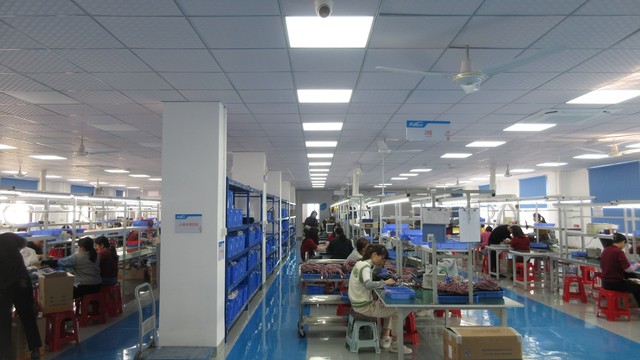
The concentration of raw materials processing, battery manufacturing, and advanced chip integration within regional hubs like Shenzhen and the broader Guangdong-Hong Kong-Macao Greater Bay Area provides a strong structural foundation. Chinese manufacturers leverage localized ecosystems that streamline prototype development and mechanical component assembly. At the center of this network, Shenzhen DCI Autos Co., Ltd. utilizes automated SMT lines, advanced CNC tooling, and standardized sub-tier sourcing to maintain a fast, reliable development pipeline.

This localized supply chain also simplifies international logistics. Components are engineered for direct compliance with UN ECE R100 (EV safety standards), CE, FCC, and regional automotive standards, which minimizes custom delays and simplifies international system integration.

Shenzhen DCI Autos Co., Ltd. - Corporate Capabilities

A professional manufacturer specializing in electric vehicle components and advanced mobility technologies for the global automotive industry.

2014
Year Established
28,000 m²
Production Facility
300+
Expert Employees
ISO 9001
Certified Quality

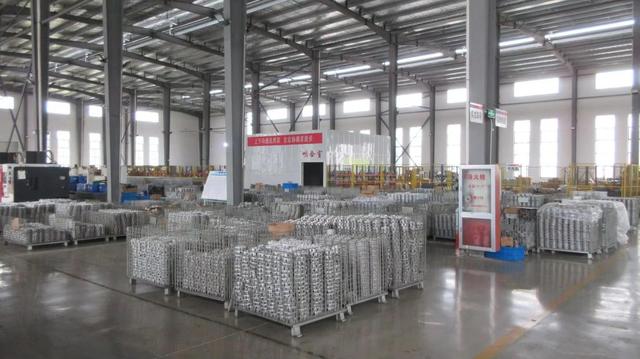
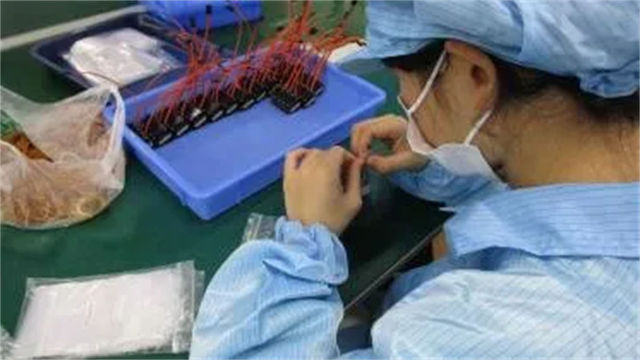
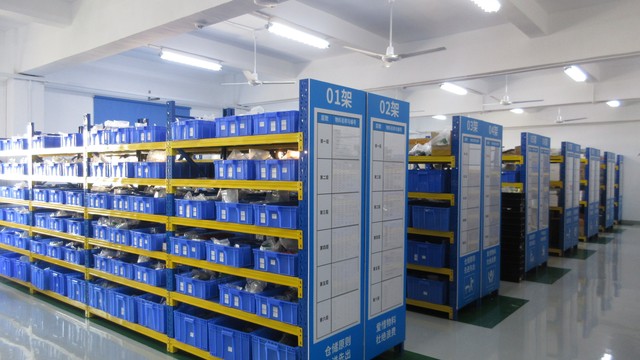
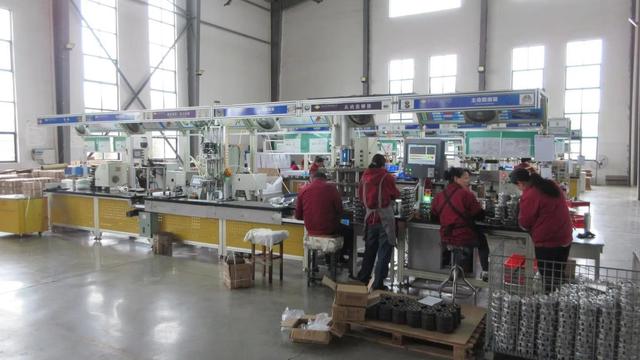
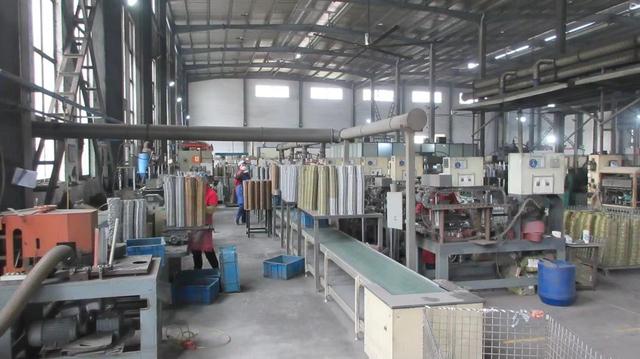
Shenzhen DCI Autos Co., Ltd. is a professional manufacturer specializing in electric vehicle components and advanced mobility technologies for the global automotive industry. Established in 2014, the company is headquartered in Shenzhen, Guangdong Province, a leading center for innovation in electric transportation and intelligent manufacturing. Operating from a modern production facility covering 28,000 square meters and supported by more than 300 employees, DCI Autos has developed comprehensive capabilities in engineering, manufacturing, testing, and international supply chain support.

The company focuses on the development and production of battery systems, power electronics, electric drivetrain components, battery management systems (BMS), charging system components, thermal management solutions, high-voltage electrical assemblies, and integrated EV powertrain technologies. Its products are designed to support passenger vehicles, commercial electric vehicles, light-duty transportation platforms, and emerging mobility applications.

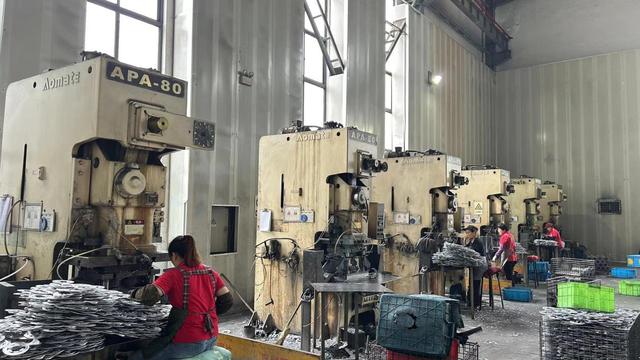
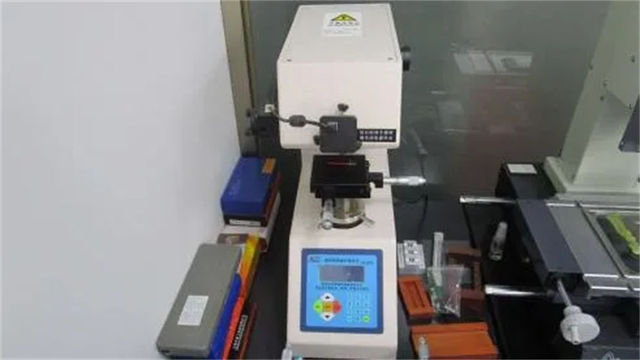
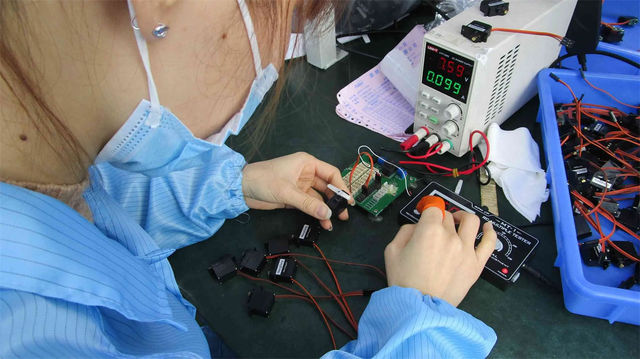
DCI Autos combines advanced manufacturing technologies, automated production equipment, and rigorous quality control procedures to ensure product reliability, efficiency, and long-term operational performance. The company operates dedicated engineering laboratories and testing facilities where products undergo extensive validation, environmental testing, and performance verification throughout the development and manufacturing process.

To meet the evolving requirements of the electric mobility sector, DCI Autos provides flexible OEM and ODM services, including customized component development, private-label manufacturing, system integration support, and application-specific engineering solutions. Its research and development team continuously explores innovations in electrification, energy management, lightweight design, and intelligent vehicle systems.

Today, Shenzhen DCI Autos Co., Ltd. serves customers across North America, Europe, Southeast Asia, the Middle East, South America, and other international markets. Through continuous innovation, precision manufacturing, and customer-focused collaboration, the company remains committed to supporting the global transition toward sustainable transportation and next-generation electric mobility technologies.
Localized Application Scenarios & Global Sourcing Requirements

Integrating powertrain technologies across varying climatic, regulatory, and mechanical environments.

Localized Application Scenarios

Electric powertrains must operate reliably across diverse environments, including high-humidity tropical zones in Southeast Asia, high-temperature regions in the Middle East, and sub-zero winter temperatures in Northern Europe and North America.

DCI Autos coordinates thermal management systems, battery cooling cold plates, and active cabin heating algorithms directly into VCU units to balance system load and protect battery chemistry from premature degradation under extreme thermal conditions.

Global Procurement Requirements

B2B automotive procurement requires strict adherence to international standard frameworks. Sourcing managers evaluate supplier capabilities across three key areas:

  • Quality Traceability: Individual component tracking from silicon wafer to PCB assembly.
  • Hardware-in-the-Loop (HIL) Testing: Simulation of dynamic road loads before final tooling.
  • Regulatory Support: Compliance documentation for ISO 26262, UL, CE, and RoHS.

Future Technology Trends in Powertrain Architecture

Key design paradigms shaping the next generation of electric mobility electronics.

Domain Control Fusion

Transitioning from multiple independent controllers to a unified Domain Control Unit (DCU) that integrates VCU, MCU, BMS, and DC-DC converter functionalities into one processing node.

Silicon Carbide (SiC) Integration

Adopting SiC MOSFET power stages to replace traditional Silicon IGBTs, enabling higher switching frequencies, lower thermal losses, and increased overall vehicle driving range.

Predictive Maintenance & AI

Running lightweight machine learning models at the edge within the VCU to analyze historical battery and thermal data, forecasting faults before component failures occur.

Technical Q&A - Powertrain & Control Architecture

Direct engineering answers regarding customization, protocols, manufacturing capabilities, and safety compliance.

Q1: How does a Vehicle Control Unit (VCU) communicate with the Motor Control Unit (MCU) and BMS?
Modern architectures utilize high-speed CAN-FD (Controller Area Network Flexible Data-Rate) or automotive Ethernet buses. The VCU acts as the master coordinator, sending target torque and voltage commands to the MCU and BMS based on real-time driver inputs, sensor status, and battery state-of-charge (SoC).
Q2: What functional safety levels do DCI Autos products target during development?
Our design, verification, and testing procedures align with the ISO 26262 standard. Depending on customer requirements and safety goals, we develop systems that support ASIL-C and ASIL-D specifications, utilizing dual-core lockstep processor topologies and hardware-independent safety paths.
Q3: Can you customize powertrain control hardware for specialized industrial or marine applications?
Yes. Through our OEM and ODM services, we adapt control parameters, structural enclosures, thermal management layouts, and communication protocols (such as J1939 or Modbus) to support specialized vehicles, light-duty mobility, marine vessels, and micro-grid systems.
Q4: How does the integration of thermal management systems impact powertrain efficiency?
Proper thermal management keeps the battery cells and power modules within their optimal temperature ranges (typically 15°C to 35°C for batteries). Integrated control of cooling plates and active valves reduces internal resistance losses, maintains regeneration capabilities, and extends battery lifespan.
Q5: What validation testing is performed before series production at DCI Autos?
Our engineering laboratories conduct extensive environmental testing, including thermal shock, high-vibration sweeps, salt spray corrosion, and electromagnetic compatibility (EMC) testing. We also utilize Hardware-in-the-Loop (HIL) simulation setups to validate control firmware under simulated edge-case faults.
Q6: How do you manage component quality and trace issues across the supply chain?
We use an integrated Manufacturing Execution System (MES) that tracks each unit from incoming PCB fabrication through SMT placement, manual assembly, automated optical inspection (AOI), and final functional testing. This process allows us to trace components and test logs back to specific material batches.

Complete OEM/ODM Components Catalogue

High-durability hardware, mechanical components, and power systems engineered for industrial transport and automotive assembly lines.
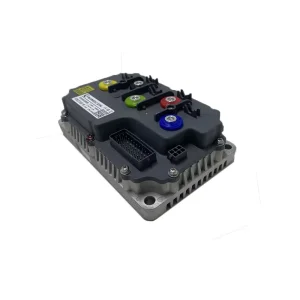
Maintenance-Free AC Motor Controller

Maintenance-Free Fully Enclosed 60V/72V 3kw AC Asynchronous Motor Controller for Nevs

View Technical Specifications
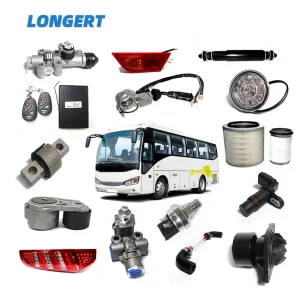
Bus Parts for King Long Higer

Bus Parts for King Long, Higer & Zhongtong Coaches | Lightweight Vehicle Body, Chassis & Complete Bus Components

View Technical Specifications
Battery Thermal Management System

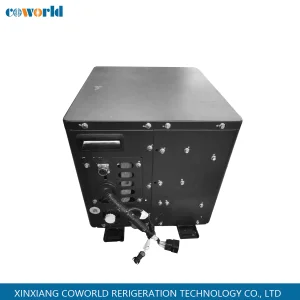
24V 80kw Battery Thermal Management System for Electric Buses

View Technical Specifications
Adjustable Telecom DC Power Distribution Unit

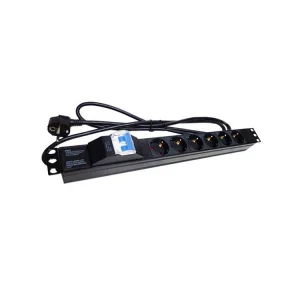
19inch 1U Germany Type 16 a EV Adjustable Telecom DC Electric Vehicle Power Distribution Unit

View Technical Specifications
Steel Amortiguadores KYB Shock Absorber

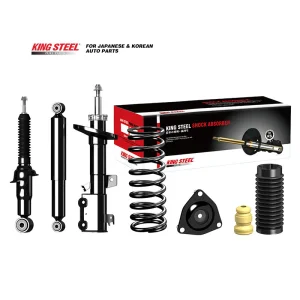
Steel Amortiguadores KYB Auto Suspension Part Coilover Spring Strut Car Shock Absorber for Suzuki Mazda Subaru Daihatsu Isuzu

View Technical Specifications
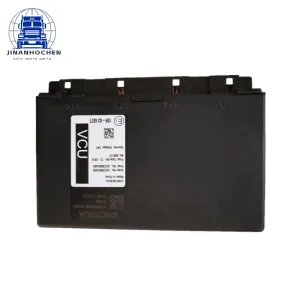
VCU Module Sinotruk Howo Truck

Factory Direct VCU Module AZ9918589001 for Sinotruk Howo Truck Parts

View Technical Specifications
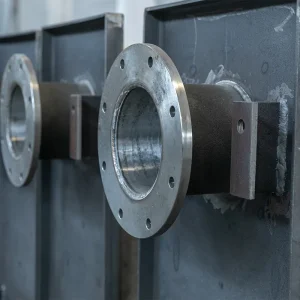
Long Lasting Metal Components

Long Lasting Industrial Metal Components with Sand Cast Surface Finish

View Technical Specifications
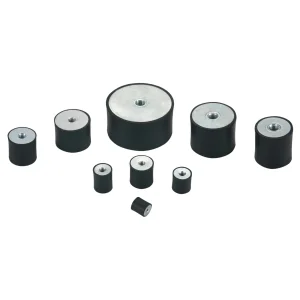
Heavy-Duty NHE05 Series Rubber Shock Absorbers

Heavy-Duty NHE05 Series DE-Type Rubber Shock Absorbers & Anti-Vibration Mount Buffers for EV & Vehicle Components

View Technical Specifications