In the rapidly evolving landscape of global electrification, the pursuit of superior gravimetric and volumetric energy density remains the primary vector for technological distinction. As a premier automotive OEM/ODM partner, Shenzhen DCI Autos Co., Ltd. (established in 2014, headquartered in Shenzhen, Guangdong Province) has spent over a decade anchoring the supply chain for advanced mobility architectures. Operating from a state-of-the-art 28,000 square meter manufacturing campus and supported by an elite engineering team of over 300 specialists, we engineer state-of-the-art power solutions that push the physical boundaries of lithium-ion chemistry and solid-state configurations.
Our core product matrix encompasses advanced battery systems, power electronics, electric drivetrain components, Battery Management Systems (BMS), high-voltage electrical assemblies, and liquid thermal management solutions. Through rigid adherence to the CE conformity assessment framework and global automotive safety benchmarks, DCI Autos ensures that high energy density does not compromise long-term cyclic reliability or operational safety.
At DCI Autos, our R&D roadmap is focused on maximizing energy density (Wh/kg and Wh/L) while ensuring rapid charge capability (C-rate performance) and robust thermal runaway suppression. By migrating from conventional LFP (Lithium Iron Phosphate) and mid-nickel NMC chemistries to ultra-high-nickel cathodes paired with silicon-carbon composite anodes, our systems routinely deliver cell-level energy densities exceeding 300 Wh/kg.
| Battery Technology / Chemistry Platform | Gravimetric Energy Density (Cell) | Volumetric Density (Pack) | Primary Targeted Applications | Safety Standard Approvals |
|---|---|---|---|---|
| Advanced High-Nickel NMC (811) | 280 - 320 Wh/kg | 450 - 520 Wh/L | Long-Range Passenger EVs, Heavy E-Transit Buses | CE, UN38.3, IEC 62619 |
| Silicon-Doped Graphite LFP | 180 - 210 Wh/kg | 320 - 380 Wh/L | Urban Commercial Trucks, Logistics AGVs, Forklifts | CE, UL 2580, IEC 62619 |
| Semi-Solid State Polymer Electrolyte | 350 - 380 Wh/kg | 580 - 640 Wh/L | High-Performance Passenger EVs, Autonomous eVTOL | Validation Phase (CE Target 2025) |
| Lithium Manganese Iron Phosphate (LMFP) | 220 - 240 Wh/kg | 390 - 430 Wh/L | Mid-Range Hybrid Fleets, High-Duty Electric Powertrains | CE, UN38.3, GB/T 31485 |
Industrial scale requirements vary significantly by territory. DCI Autos deploys customized engineering methodologies to integrate high energy density battery systems into specific regional operating matrices:
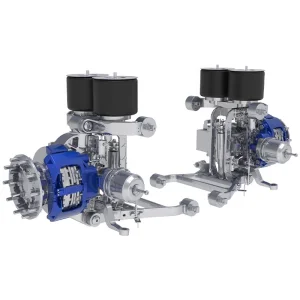
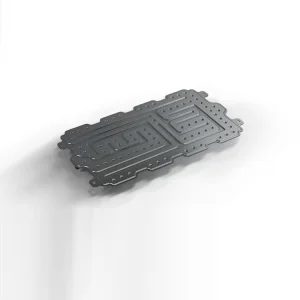
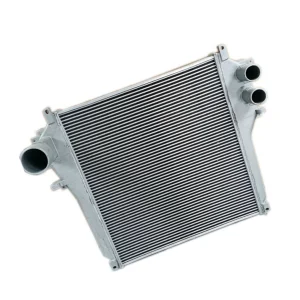
Operating electric buses (e.g., powered by Brogen PMSM E-Axle Powertrain systems) in Northern Europe requires highly optimized thermal management. By pairing high density packs with liquid cooling plates and custom aluminum battery cooling pipes, our systems retain over 85% capacity at -20°C, maintaining reliable urban transit schedules.
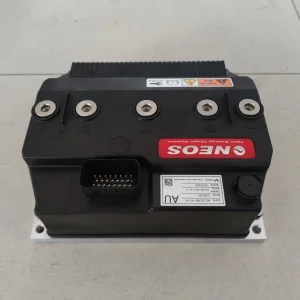
Forklift operation and automated mobile transporters (utilizing heavy-duty motor controllers like the 48V 500A controller for Toyota series) demand continuous high current delivery without thermal accumulation. The combination of structural density and smart BMS algorithms maintains continuous operational uptime across multi-shift schedules.
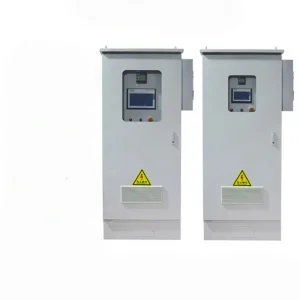
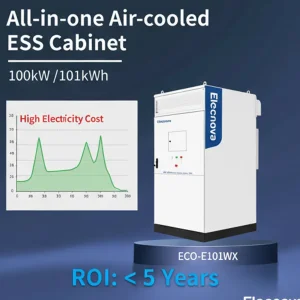
For decentralised microgrids, IP55-rated outdoor energy storage systems (ESS) are deployed to buffer solar yields. DCI Autos' integrated thermal management controls ambient humidity and salt spray exposure, preventing premature cell degradation in coastal areas.
Operating from Shenzhen—the undisputed global capital of new energy vehicle technologies and intelligent hardware development—gives DCI Autos access to an unparalleled raw material and component ecosystem. This clustering effect allows us to shorten our development and prototype validation loops down to fractions of the time required by Western competitors.
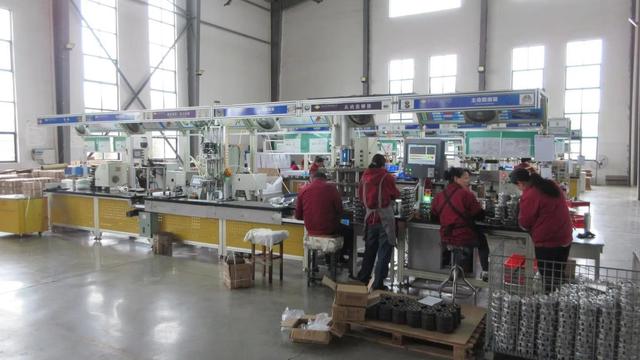
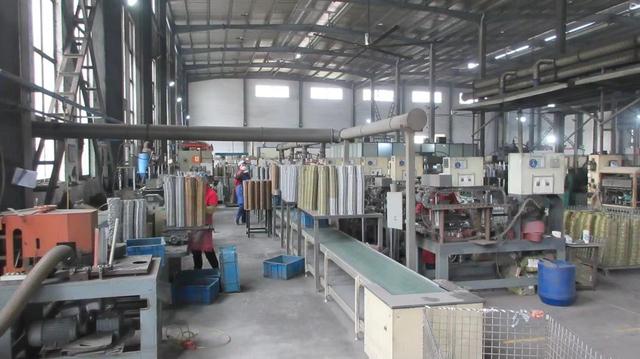
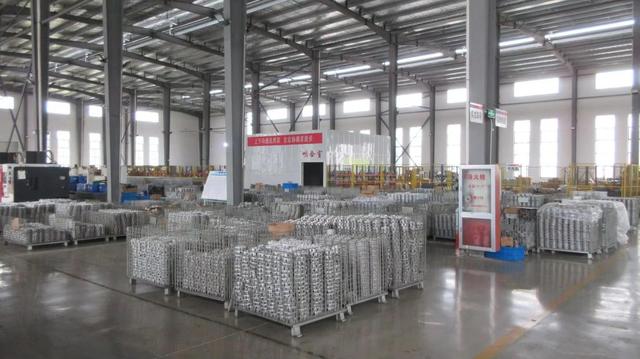
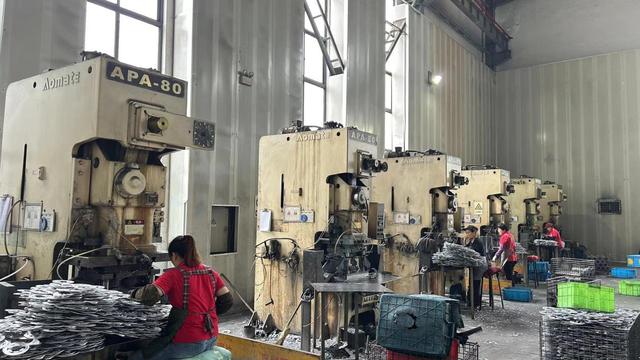
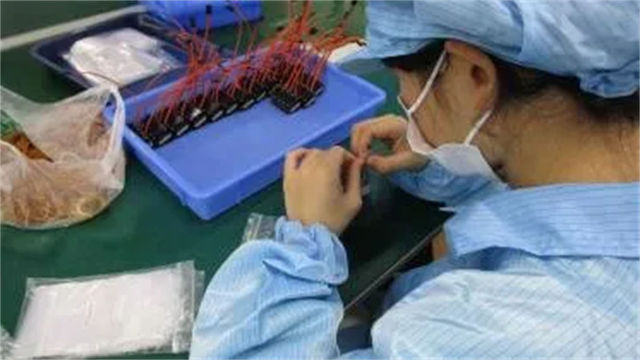
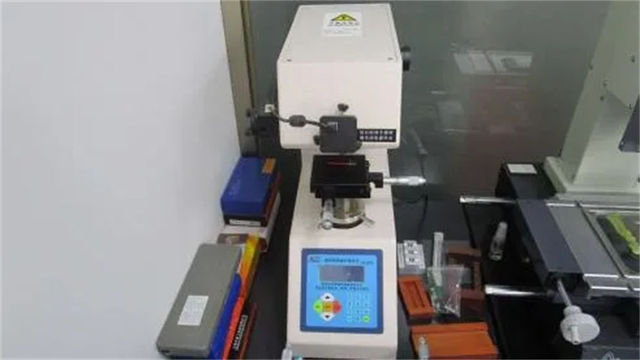
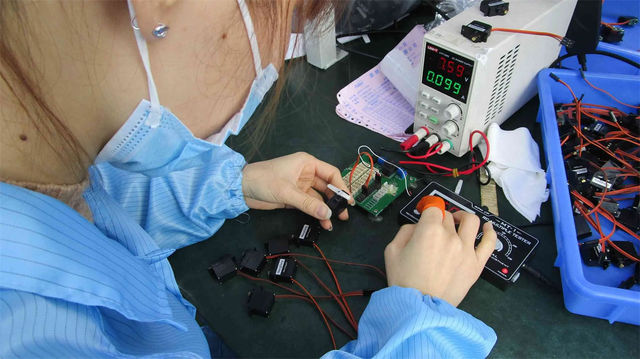
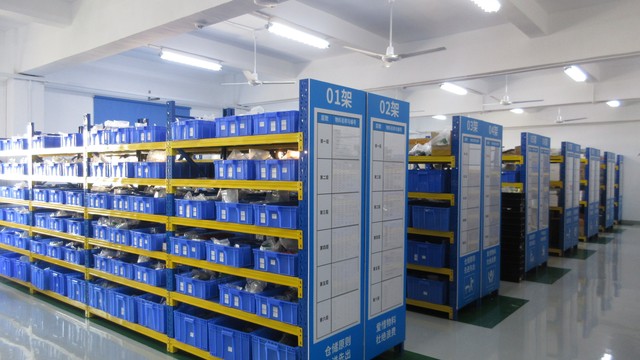
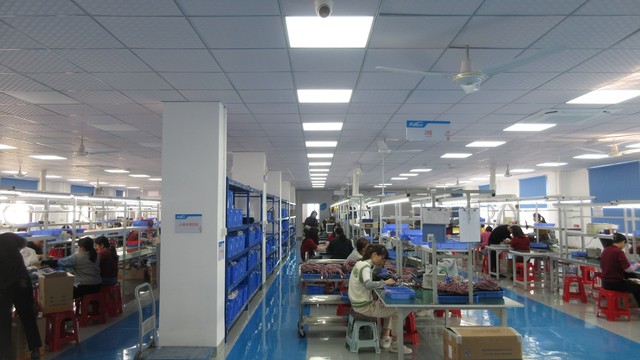
Our 28,000 sqm production facility leverages automated assembly lines, high-precision cylindrical/prismatic cell sorting machinery, automated laser welding, and dynamic end-of-line (EOL) functional testers. Because the raw materials (such as high-purity lithium salts, copper foil, and separators) are sourced within a 100km radius, our supply chain remains resilient against global macroeconomic shocks, guaranteeing stable lead times and predictable pricing for our export partners.
Quality-Controlled Manufacturing Environment:
Exporting high energy density battery systems to demanding regulatory environments like Europe and North America requires strict compliance with international safety protocols. As an established exporter, DCI Autos validates its products against the following core frameworks:
Demonstrates alignment with all relevant EU safety directives, ensuring that the electrical, thermal, and electromagnetic aspects of our battery packs comply with European Union market requirements.
Rigorous environmental testing involving altitude simulation, thermal shock, vibration, impact, external short circuit, and overcharge to ensure safe transit via air, sea, and land.
Focuses on secondary lithium cells and battery packs in industrial and electric vehicle applications, verifying protection against thermal runaway propagation.
Verifies our environmental commitments by restricting hazardous substances in electronics, supporting recycling pathways, and minimizing ecological footprints.

 DCI Autos