Engineered specifically for passenger, commercial, and industrial electric transport infrastructure across the Danube and Sava industrial corridors.
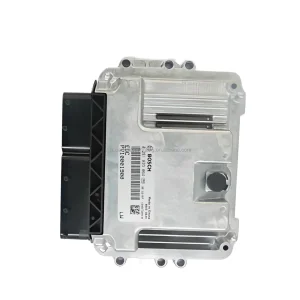
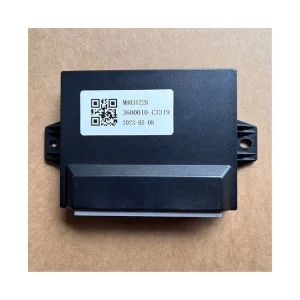
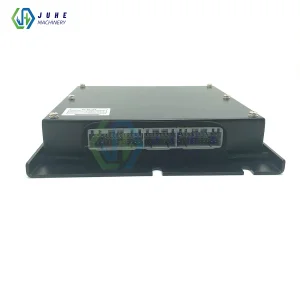
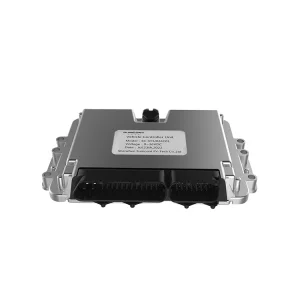
As Serbia accelerates its transition toward modern, sustainable transportation systems and expands its regional automotive production footprint, Belgrade has emerged as a strategic hub for commercial electric vehicle deployment, municipal fleet electrification, and next-generation automotive engineering. The City of Belgrade's ongoing public transport decarbonization initiative—including the expansion of zero-emission electric bus routes (such as the EKO 1 and EKO 2 lines operated by GSP Beograd)—demands highly reliable, ruggedized, and intelligent Vehicle Control Units (VCUs) optimized for European operational conditions.
A Vehicle Control Unit acts as the master central controller (the "brain") of an electric or hybrid vehicle powertrain. It aggregates real-time data from sub-systems including the Battery Management System (BMS), Motor Control Unit (MCU), On-Board Charger (OBC), and Brake Control Systems via high-speed Controller Area Network (CAN/CAN-FD) buses. In the complex urban topography of Belgrade—characterized by continental climate extremes ranging from harsh Danubian winters (-15°C) to intense summer heatwaves (+40°C)—the VCU's dynamic energy management, torque distribution vectoring, and thermal control algorithms determine vehicle efficiency, range reliability, and functional safety.
Automotive OEMs, transit operators, and EV retrofitters across Belgrade, Novi Sad, and Kragujevac are undergoing a structural shift in their procurement criteria. Key technical and strategic requirements include:
Providing absolute precision control, safety redundancy, and maximum energy conservation for modern EV powertrains.
Built on lockstep 32-bit automotive microcontrollers operating up to 300 MHz. Features dedicated hardware security modules (HSM) for cybersecurity compliance according to ISO/SAE 21434.
Proprietary regenerative braking torque control algorithms maximize energy recovery by up to 22% during stop-and-go driving conditions common in Belgrade transit routes.
Multi-channel CAN-FD channels supporting data transfer rates up to 5 Mbps, alongside LIN and Ethernet interfaces for domain controller integration and fleet telemetry transmission.
| Parameter Specifications | Light Commercial / Car VCU | Electric Bus & Heavy Truck VCU | Industrial / Retrofit VCU |
|---|---|---|---|
| Operating Voltage | 9V - 36V DC Continuous | 9V - 36V DC (24V Nominal System) | 12V / 24V Auto-Sensing |
| Processor Architecture | Dual-Core 32-bit Tricore (ASIL-C/D) | Triple-Core 32-bit Tricore (ASIL-D) | 32-bit Automotive MCU |
| CAN Interfaces | 3x CAN 2.0B / CAN-FD | 6x CAN 2.0B / CAN-FD + LIN | 2x CAN 2.0B |
| Operating Temperature | -40°C to +105°C | -40°C to +125°C | -40°C to +85°C |
| Ingress Protection | IP67 Sealed Housing | IP6K9K Hermetic Sealed | IP65 Enclosure |
| Functional Safety Standard | ISO 26262 ASIL-C/D | ISO 26262 ASIL-D Compliant | ISO 13849 / ISO 26262 |
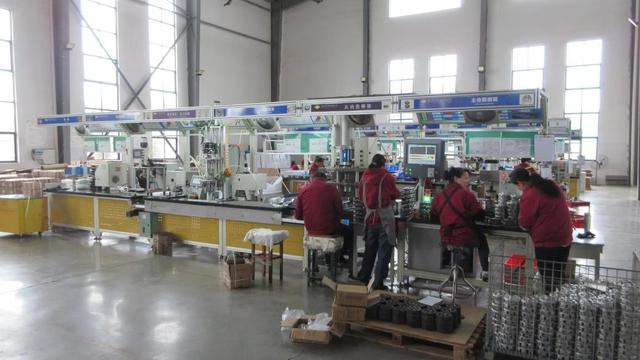
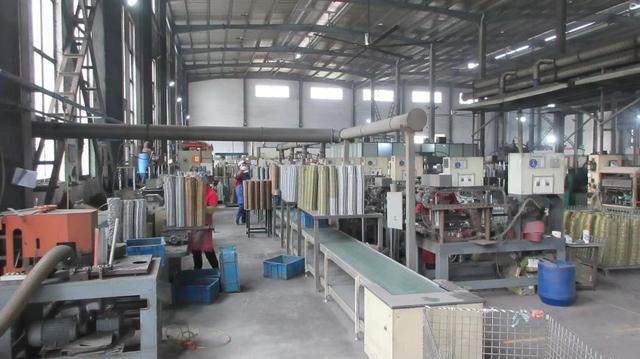
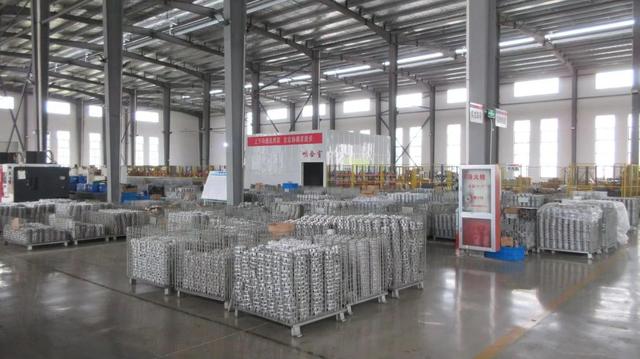
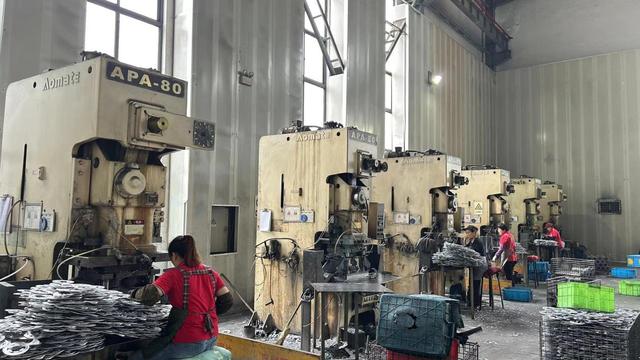
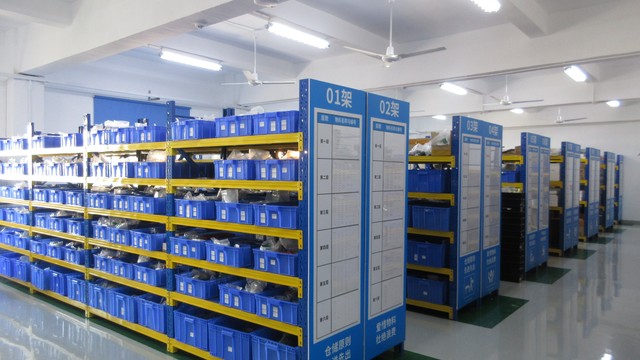
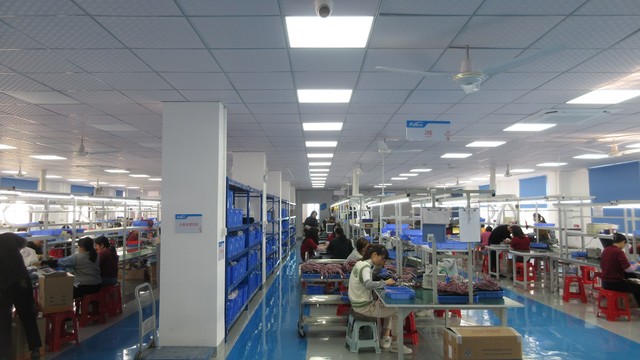
Shenzhen DCI Autos Co., Ltd. is a professional manufacturer specializing in electric vehicle components and advanced mobility technologies for the global automotive industry. Established in 2014, the company is headquartered in Shenzhen, Guangdong Province, a leading center for innovation in electric transportation and intelligent manufacturing. Operating from a modern production facility covering 28,000 square meters and supported by more than 300 employees, DCI Autos has developed comprehensive capabilities in engineering, manufacturing, testing, and international supply chain support.
The company focuses on the development and production of battery systems, power electronics, electric drivetrain components, battery management systems (BMS), charging system components, thermal management solutions, high-voltage electrical assemblies, and integrated EV powertrain technologies. Its products are designed to support passenger vehicles, commercial electric vehicles, light-duty transportation platforms, and emerging mobility applications.
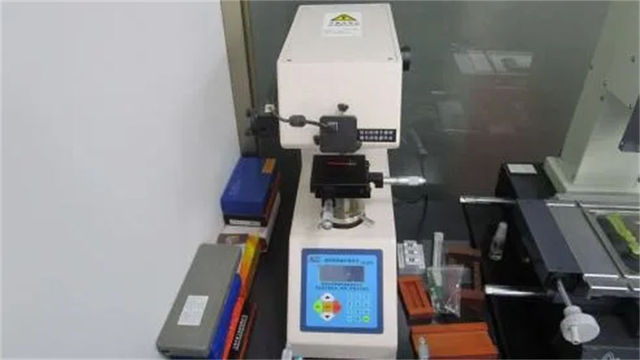
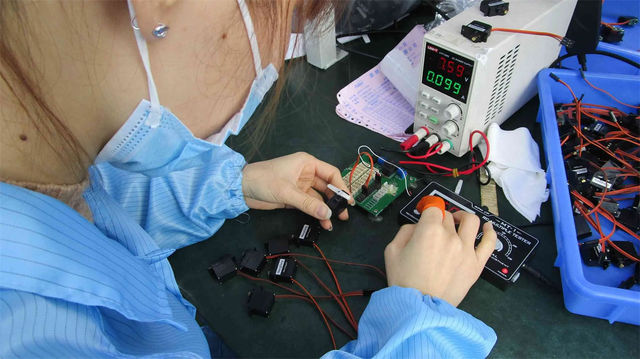
DCI Autos combines advanced manufacturing technologies, automated production equipment, and rigorous quality control procedures to ensure product reliability, efficiency, and long-term operational performance. The company operates dedicated engineering laboratories and testing facilities where products undergo extensive validation, environmental testing, and performance verification throughout the development and manufacturing process.
To meet the evolving requirements of the electric mobility sector, DCI Autos provides flexible OEM and ODM services, including customized component development, private-label manufacturing, system integration support, and application-specific engineering solutions. Its research and development team continuously explores innovations in electrification, energy management, lightweight design, and intelligent vehicle systems.
Today, Shenzhen DCI Autos Co., Ltd. serves customers across North America, Europe, Southeast Asia, the Middle East, South America, and other international markets. Through continuous innovation, precision manufacturing, and customer-focused collaboration, the company remains committed to supporting the global transition toward sustainable transportation and next-generation electric mobility technologies.

From passenger cars and commercial delivery vans to heavy-duty city buses and off-highway hydraulic machinery.
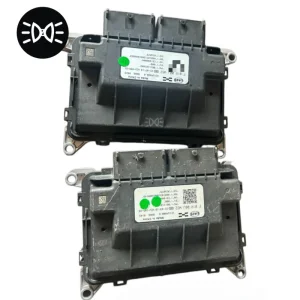
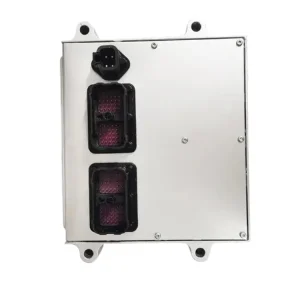
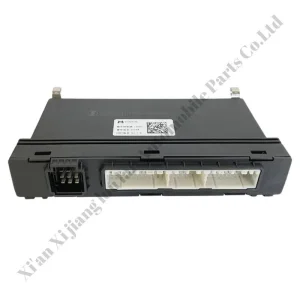
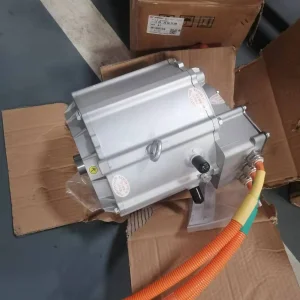
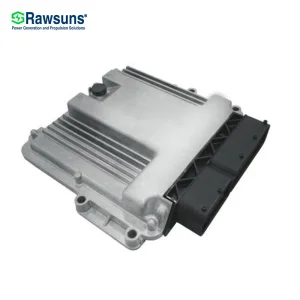
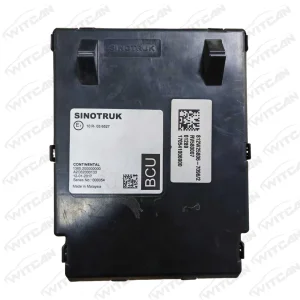
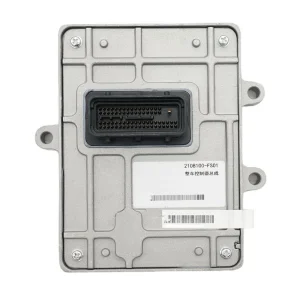
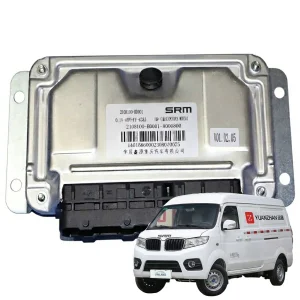
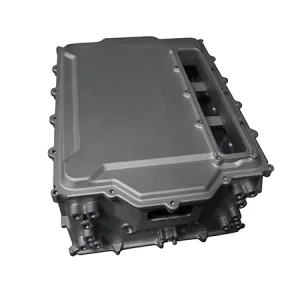
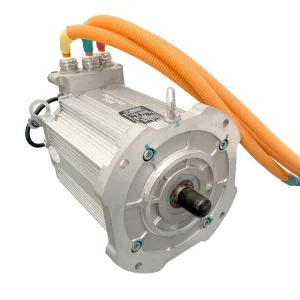
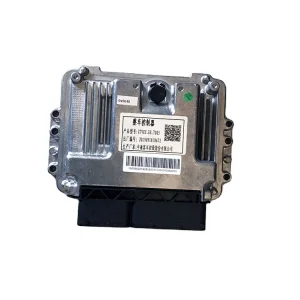
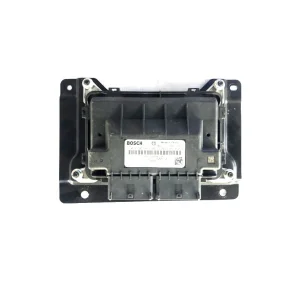
Streamlined integration, local software adaptation, and certified compliance guarantees for Belgrade automotives.
All DCI Autos VCU units manufactured for European clients undergo stringent end-of-line (EOL) testing. Our production processes adhere strictly to IATF 16949 quality standards, while product architectures conform to ISO 26262 safety requirements and UNECE R10 electromagnetic compatibility (EMC) regulations, ensuring rapid homologation in Serbia and across the EU market.
We provide complete OEM/ODM engineering collaboration, including custom bootloader creation, CAN matrix adaptation, diagnostic database (DBC/ODX) generation, and remote onsite support for vehicle system commissioning. Express freight logistics ensure rapid delivery of prototype units to Belgrade within 5–7 business days.
Expert answers regarding VCU procurement, custom software flashing, and system architecture.
Our VCUs support CAN 2.0A/B, high-speed CAN-FD (up to 5 Mbps), LIN 2.1, and Automotive Ethernet (100BASE-T1). Standard diagnostic protocols including UDS (ISO 14229), CCP/XCP calibration protocols, and OBD-II standards are natively integrated.
Yes, our engineering team offers full ODM services. We can develop customized Simulink model-based control algorithms, compile C-code via AUTOSAR software components, and tailor torque management to suit specific city transit routes and operational profiles.
DCI Autos VCUs utilize automotive-grade microcontrollers and solid-state components rated for operation from -40°C to +125°C. Enclosures feature IP67/IP69K sealing with breathable membrane valves to prevent condensation build-up during thermal cycles.
Sample and prototype orders are typically dispatched within 7–10 days. Mass production batch orders (500 to 10,000 units) feature a standard manufacturing lead time of 3–4 weeks, supported by flexible air/sea freight routing directly to Belgrade.
Partner with Shenzhen DCI Autos Co., Ltd. for reliable, ISO-certified Vehicle Control Units tailored to your exact technical requirements.
Send Inquiry Now DCI Autos