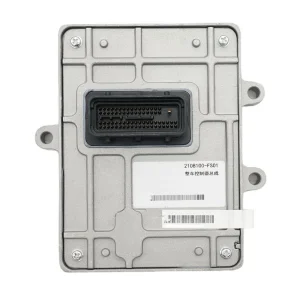
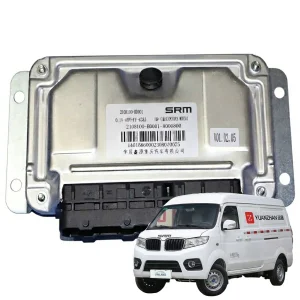
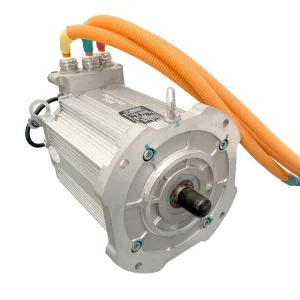
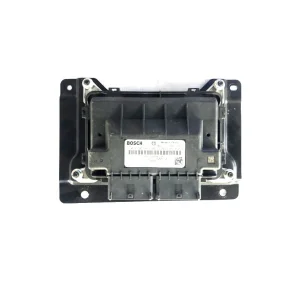
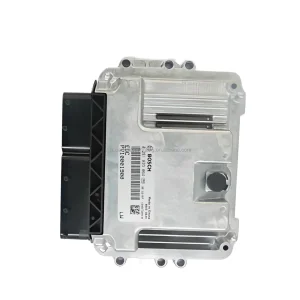
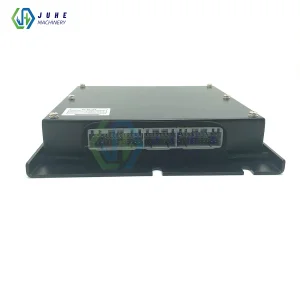
High-precision core controllers engineered for heavy-duty commercial fleets, passenger vehicles, and specialized electric vehicle conversions.
A trusted global manufacturer bridging cutting-edge Chinese EV supply chains with international mobility demands, including emerging island economies like Palau.
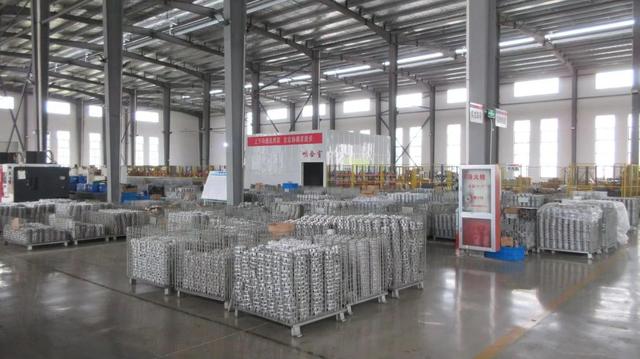
Shenzhen DCI Autos Co., Ltd. is a professional manufacturer specializing in electric vehicle components and advanced mobility technologies for the global automotive industry. Established in 2014, the company is headquartered in Shenzhen, Guangdong Province, a leading center for innovation in electric transportation and intelligent manufacturing. Operating from a modern production facility covering 28,000 square meters and supported by more than 300 employees, DCI Autos has developed comprehensive capabilities in engineering, manufacturing, testing, and international supply chain support.
The company focuses on the development and production of battery systems, power electronics, electric drivetrain components, battery management systems (BMS), charging system components, thermal management solutions, high-voltage electrical assemblies, and integrated EV powertrain technologies. Its products are designed to support passenger vehicles, commercial electric vehicles, light-duty transportation platforms, and emerging mobility applications.
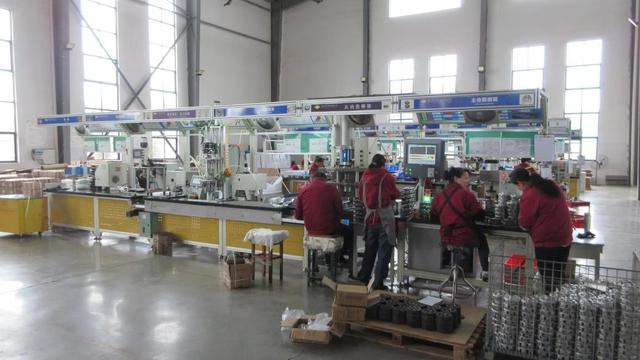
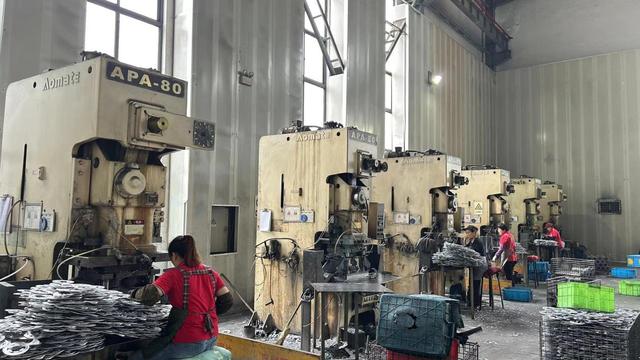
DCI Autos combines advanced manufacturing technologies, automated production equipment, and rigorous quality control procedures to ensure product reliability, efficiency, and long-term operational performance. The company operates dedicated engineering laboratories and testing facilities where products undergo extensive validation, environmental testing, and performance verification throughout the development and manufacturing process.
To meet the evolving requirements of the electric mobility sector, DCI Autos provides flexible OEM and ODM services, including customized component development, private-label manufacturing, system integration support, and application-specific engineering solutions. Its research and development team continuously explores innovations in electrification, energy management, lightweight design, and intelligent vehicle systems.
Today, Shenzhen DCI Autos Co., Ltd. serves customers across North America, Europe, Southeast Asia, the Middle East, South America, and other international markets. Through continuous innovation, precision manufacturing, and customer-focused collaboration, the company remains committed to supporting the global transition toward sustainable transportation and next-generation electric mobility technologies.
An in-depth analysis of vehicle control unit architecture, global supply chain optimization, and sustainable mobility integration in Pacific island ecosystems.
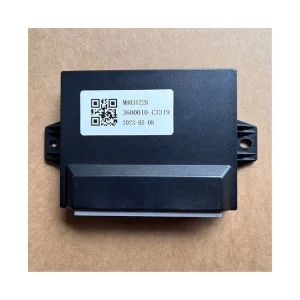
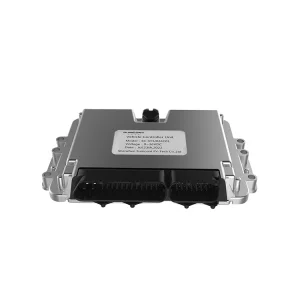
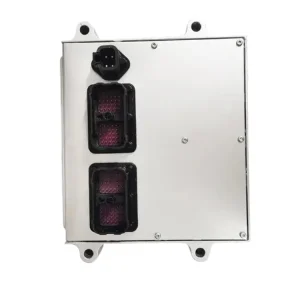
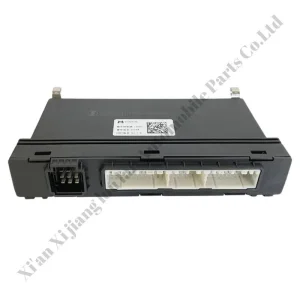
The Vehicle Control Unit (VCU) serves as the "brain" of modern electric and hybrid vehicles, orchestrating torque coordination, energy recovery, thermal management, and high-voltage safety interlocks. Unlike traditional internal combustion engine (ICE) vehicles that rely on isolated Electronic Control Units (ECUs), electric vehicles demand centralized intelligence. The VCU continuously processes driver inputs, sensor telemetry, and Battery Management System (BMS) data via high-speed CAN bus communication to optimize powertrain efficiency and vehicle dynamics.
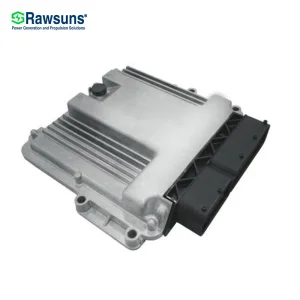
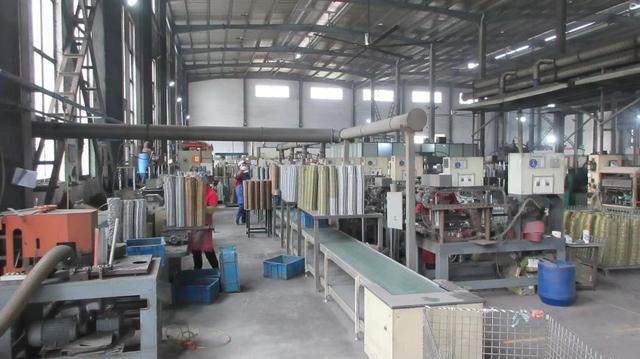
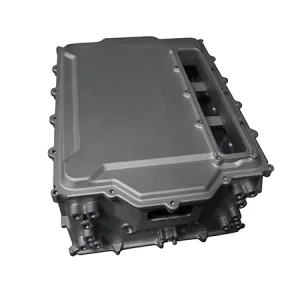
As the automotive sector transitions toward software-defined vehicles (SDVs), the architectural demands placed on VCU manufacturers have escalated dramatically. High reliability, fault-tolerant programming, ruggedized aluminum housing (die-casting for thermal dissipation), and rigorous environmental resistance are mandatory prerequisites for deployment in harsh operational environments.
Palau, an island nation in the Western Pacific renowned for its pristine marine environment, faces unique economic and ecological challenges. Heavily reliant on imported fossil fuels for electricity generation and transportation, Palau has established ambitious national sustainability targets under its Nationally Determined Contributions (NDC). The island's commercial sector—dominated by eco-tourism, marine transport, light logistics, and municipal utility fleets—is actively seeking ways to reduce carbon emissions and operational fuel costs.
Industrial applications in Palau require specialized equipment capable of withstanding high ambient humidity, saline coastal atmospheres, and intense solar radiation. Consequently, electric vehicle conversion kits, marine-grade auxiliary controllers, and heavy-duty commercial VCU systems are gaining substantial traction. Fleet operators are increasingly retrofitting existing utility vehicles and passenger vans with advanced electric conversion kits, relying on robust VCUs to ensure seamless integration between electric motors and legacy chassis components.
Global procurement managers in the commercial vehicle and EV sectors face mounting pressure to secure resilient, cost-effective, and highly reliable electronic components. China’s "Factory 4.0" manufacturing paradigm—characterized by fully automated surface-mount technology (SMT) lines, rigorous robotic quality inspection, and IoT-enabled production tracking—has positioned Chinese manufacturers at the pinnacle of global VCU production.
Shenzhen DCI Autos Co., Ltd. exemplifies this industrial evolution. By integrating advanced die-casting services for customized aluminum VCU housings with precision PCB assembly and firmware programming, DCI Autos delivers scalable OEM/ODM solutions. This capability ensures that international buyers—whether procuring replacement parts for municipal fleets or sourcing components for bespoke EV conversion projects—receive enterprise-grade hardware backed by full traceability and rigorous ISO-certified quality assurance.
In island settings like Palau, mobility solutions must be tailored to specific operational demands:
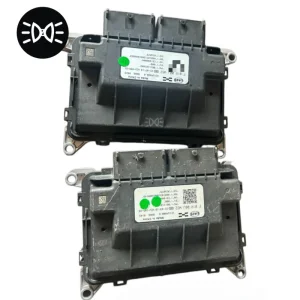
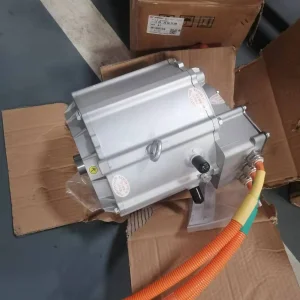
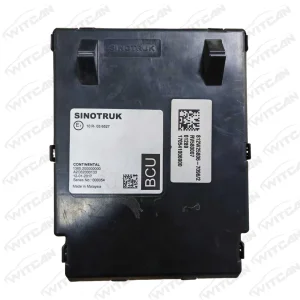
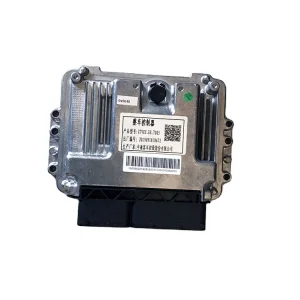
Explore our extensive catalog of original equipment manufacturer (OEM) and high-performance aftermarket VCU controllers for trucks, buses, vans, and specialty vehicles.
Expert answers regarding VCU procurement, international shipping to Palau, technical specifications, and custom OEM/ODM development.
 DCI Autos