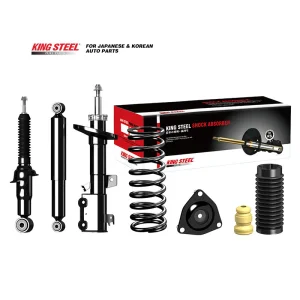
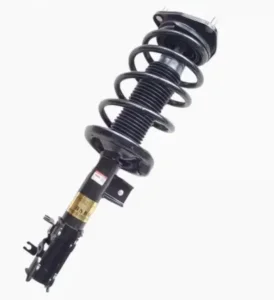
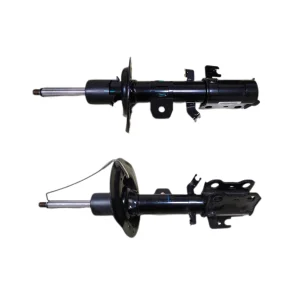
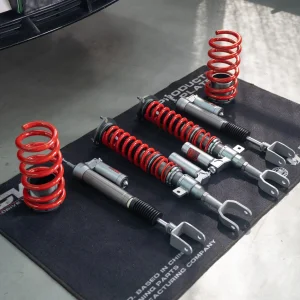
Kenya is rapidly emerging as the "Silicon Savannah" of electric mobility in Sub-Saharan Africa. With the government’s National E-Mobility Policy and the increasing cost of fossil fuels, Nairobi has become a hub for EV assembly and operation. However, the unique environmental factors in Kenya—ranging from the high humidity of Mombasa to the rugged, unpaved terrain of rural agricultural zones—demand a specialized approach to EV suspension systems.
 Urban vs. Rural Dynamics
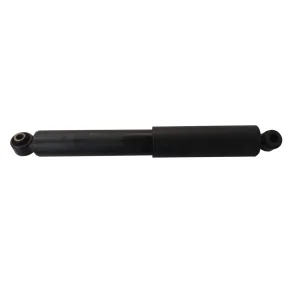
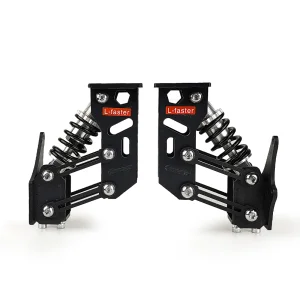
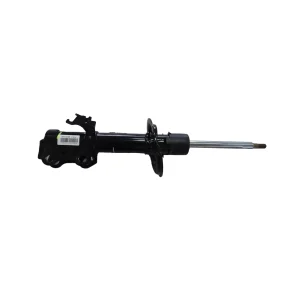
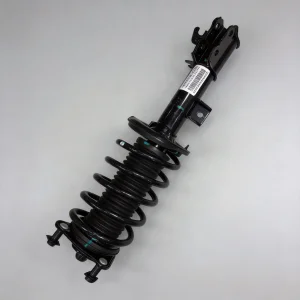
In Nairobi, electric buses (e-Matatus) and delivery vans require suspension that can handle constant stop-and-go stress while maintaining passenger comfort. Our specialized dampers are engineered to mitigate the "washboard" effect found on secondary Kenyan roads, protecting the expensive battery packs from vibration damage.
 Battery-Centric Engineering
Unlike traditional ICE vehicles, EVs in the Kenyan market (like the BYD and Wuling models) carry significant battery weight. Our suspension components provide the necessary "Information Gain" by utilizing high-tensile steel and adaptive valves that compensate for the lower center of gravity and increased unsprung mass.

For a Kenyan importer or fleet manager, technical reliability is non-negotiable. The transition from "maintenance-heavy" ICE parts to "performance-optimized" EV parts requires a roadmap focused on longevity and thermal stability.
 Commercial Fleet Logistics
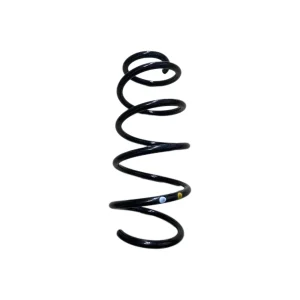
Logistics companies in Kenya using electric light trucks (like the Maxus EV30) face challenges with varying payloads. We provide customized leaf springs and shock absorbers that self-adjust based on load weight, ensuring the vehicle's range is not compromised by inefficient aerodynamics caused by "sagging."
 Compliance & Standards
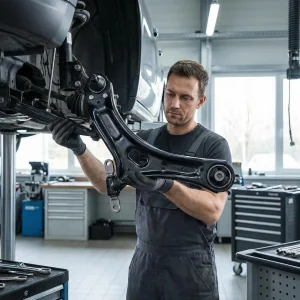
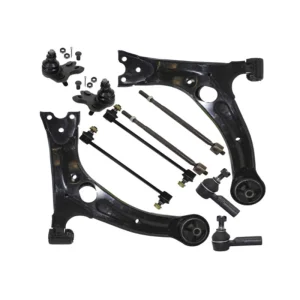
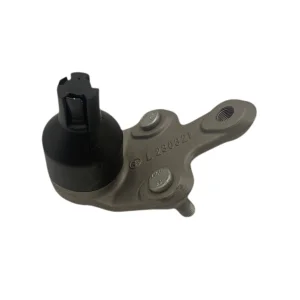
All our exports to Kenya adhere to the Kenya Bureau of Standards (KEBS) requirements. We ensure that every component—from ball joints to struts—undergoes rigorous anti-corrosion treatment (salt spray testing) to survive the saline air of the coastal regions.
As 5G connectivity expands in Kenya, the future of EV suspension lies in Predictive Active Damping. By utilizing road-surface scanning data, future EV models in Kenya will adjust suspension stiffness in real-time before hitting a pothole. DCI Autos is currently at the forefront of integrating sensor-compatible mounts into our core product line.

Shenzhen DCI Autos Co., Ltd. is a professional manufacturer specializing in electric vehicle components and advanced mobility technologies for the global automotive industry. Established in 2014, the company is headquartered in Shenzhen, Guangdong Province, a leading center for innovation in electric transportation and intelligent manufacturing. Operating from a modern production facility covering 28,000 square meters and supported by more than 300 employees, DCI Autos has developed comprehensive capabilities in engineering, manufacturing, testing, and international supply chain support.
The company focuses on the development and production of battery systems, power electronics, electric drivetrain components, battery management systems (BMS), charging system components, thermal management solutions, high-voltage electrical assemblies, and integrated EV powertrain technologies. Its products are designed to support passenger vehicles, commercial electric vehicles, light-duty transportation platforms, and emerging mobility applications.
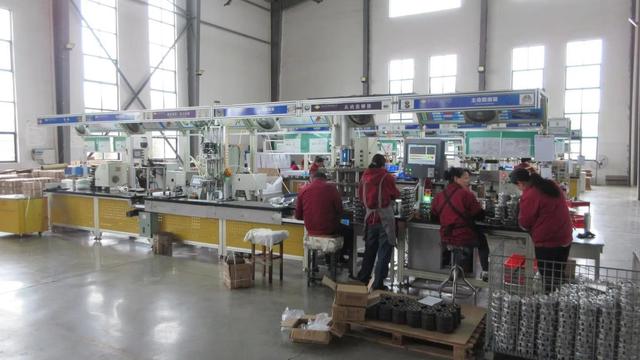
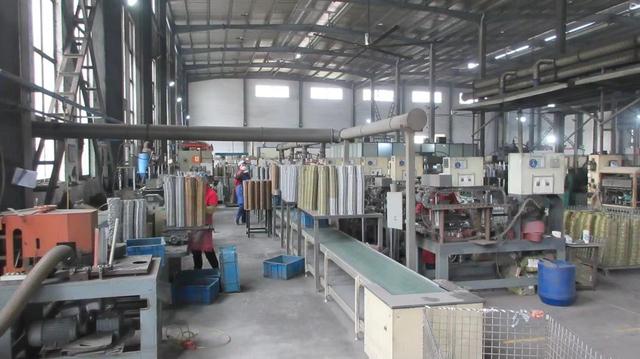
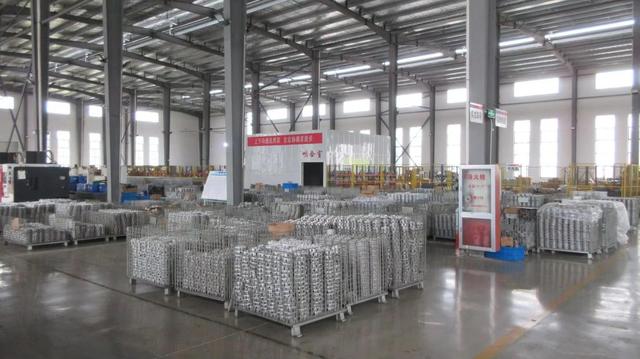
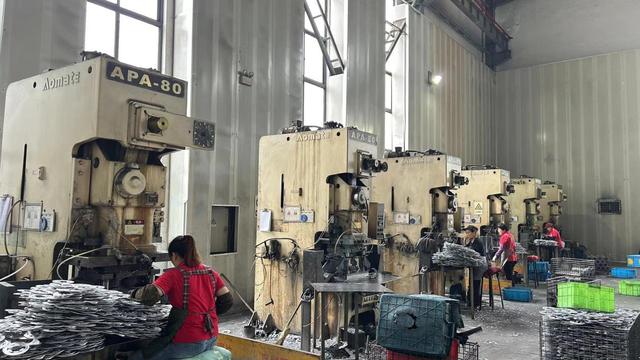

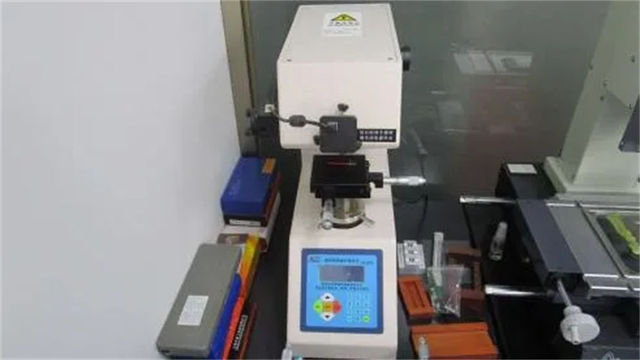
To meet the evolving requirements of the electric mobility sector, DCI Autos provides flexible OEM and ODM services, including customized component development, private-label manufacturing, system integration support, and application-specific engineering solutions. Its research and development team continuously explores innovations in electrification, energy management, lightweight design, and intelligent vehicle systems. Today, Shenzhen DCI Autos Co., Ltd. serves customers across North America, Europe, Southeast Asia, the Middle East, South America, and other international markets.

The synergy between Chinese manufacturing and Kenyan market demand is built on Resilience and Efficiency. As a Shenzhen-based leader, DCI Autos leverages the world's most complete EV ecosystem. For Kenyan businesses, this translates to:

EVs are significantly heavier due to battery packs. Suspension must be tuned to handle higher "instant" torque during acceleration and higher weight during braking, especially on the varied road surfaces of Kenya.
Yes, we offer remote engineering consultation and can provide detailed installation guides and video training for Kenyan workshop technicians specialized in E-mobility.
We typically offer a 1-year unlimited mileage warranty on core suspension components like control arms and shock absorbers, reflecting our confidence in our manufacturing quality.
Absolutely. With over 300 employees and automated production lines, we have the capacity to supply large-scale public transport electrification projects across the region.

We offer ODM services for unique Kenyan road requirements.
Request Custom Quote DCI Autos