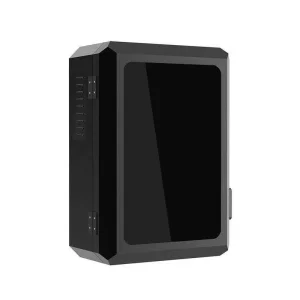
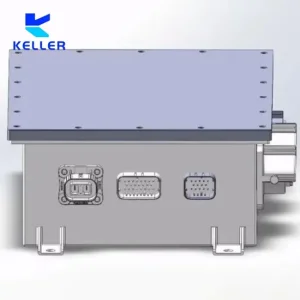
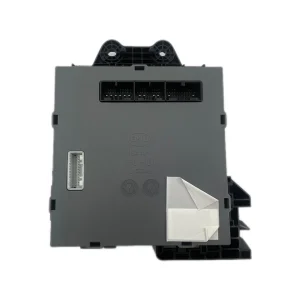
EV Power Distribution Units Manufacturers & Supplier serving Barcelona

High-Voltage Distribution Systems & Smart Charging Architectures Built for European Fleet Electrification and Municipal Grid Compatibility

The Barcelona Electrification Landscape & Industrial Demands

Barcelona, recognized as one of Southern Europe’s primary logistics hubs, is spearheading the transition toward high-efficiency electric mobility. Driven by Catalonia's aggressive climate initiatives and the metropolitan Zona de Bajas Emisiones (ZBE), local logistics companies, public transportation operators (such as TMB), and maritime developers at the Port of Barcelona are rapidly phasing out fossil-fuel combustion engines. As municipal light-rail transit, commercial freight trucks, and public bus networks undergo massive electrification, the need for robust, high-voltage EV Power Distribution Units (PDUs) has surged.
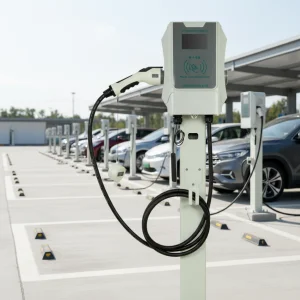
Operating in a Mediterranean urban microclimate requires power distribution systems to offer superior thermal performance and environmental ingress protection. Urban public charge hubs and commercial bus depots in Catalonia demand specialized power distribution solutions capable of managing volatile electrical loads while mitigating grid stresses. High-voltage PDUs serve as the central nervous system within these architectures, safely routing raw high-voltage current from the battery packs or mains transformers to critical auxiliary components, drive motors, and onboard charging systems.

Key Regional Challenge: Grid Congestion and Microgrid Integration

In industrial zones like El Prat and Zona Franca, grid capacity is highly regulated. System integrators are deploying localized solar-plus-storage EV charging topologies to bypass peak tariffs. PDUs engineered for this market must support bi-directional power flow, integrate precise current-monitoring electronics, and offer robust isolation protection to interface with variable Catalan municipal grids.

Technical Architecture & Engineering of High-Voltage EV PDUs

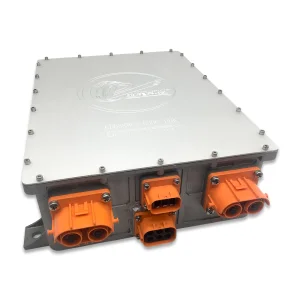
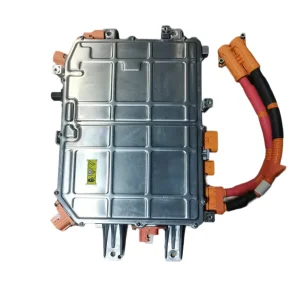
An EV Power Distribution Unit is much more than a simple junction box; it is an active safety system designed to operate under severe thermal, mechanical, and electrical environments. Whether integrated directly into a passenger car's chassis (such as OEM configurations for electric vehicles) or mounted inside robust ground-level charging cabinets, high-voltage PDUs are engineered to perform under specific parameters:
1000V
Maximum Voltage Range

Enabling 800V super-charging architectures and reducing thermal losses over long operational cycles.

IP67/69K
Ingress Protection Ratings

Impervious to high-pressure cleaning, dust, salt-spray, and coastal humidity typical in Barcelona port infrastructures.

<10ms
Fault Isolation Speed

Ultra-fast solid-state pyro-fuses and contactors that isolate faulty circuits in milliseconds to protect battery packs.

Core Functional Components inside our Automotive & Charging PDUs

Every unit manufactured in our facility undergoes custom electrical staging, incorporating:
  • • Isolation Monitoring: Continuously measures resistance between the high-voltage bus and the vehicle's chassis ground, triggering emergency shutdowns before insulation faults pose risks to operators.
  • • Pre-charge Circuits: Utilizes active power resistors to limit inrush currents when connecting massive capacitive loads (such as DC-AC inverters), protecting contactor contacts from premature welding.
  • • EMC/EMI Shielding: Cast-aluminum structures with conductive gasket seals block electromagnetic interference generated by high-frequency power electronics, ensuring signal integrity in nearby vehicle sensor networks.

China's Supply Chain Resilience: Shenzhen DCI Autos Co., Ltd.

Bridging Advanced Shenzhen Manufacturing with Local Engineering Integration in Barcelona
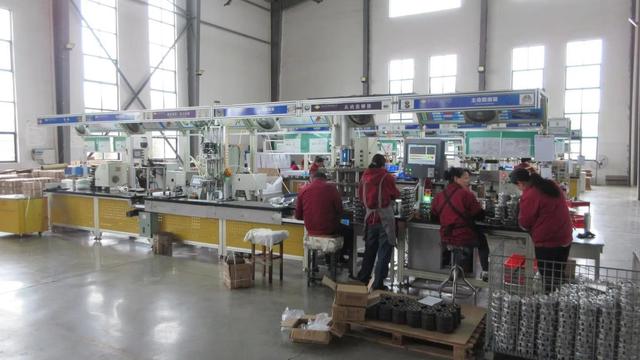
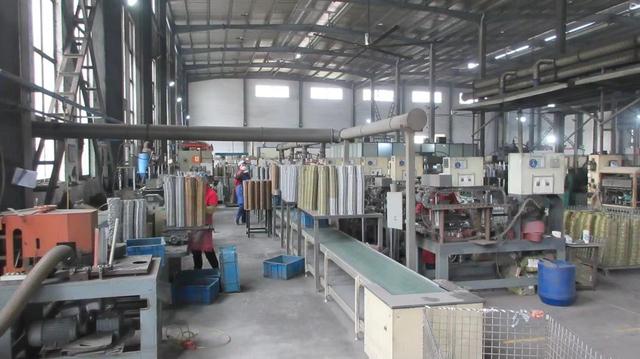
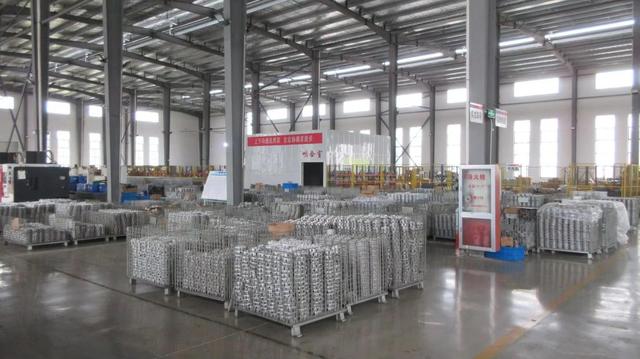
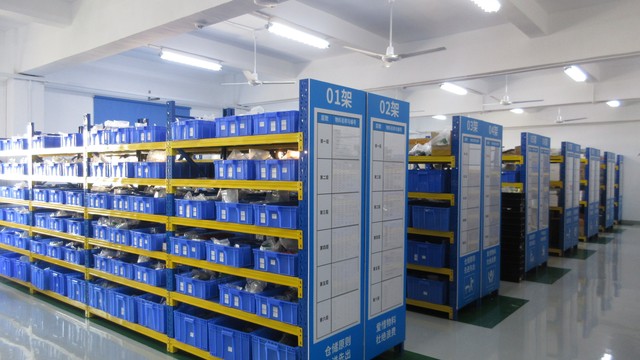
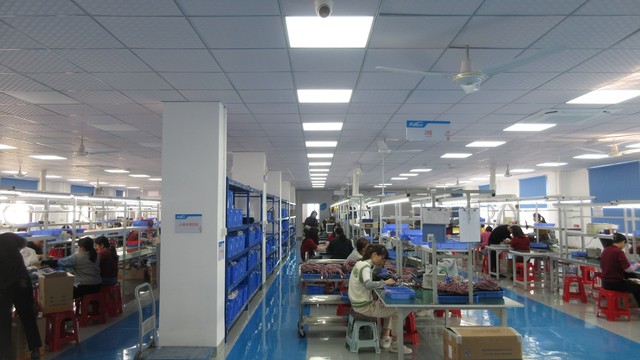
For European OEM customers and grid planners in Barcelona, procuring critical power components requires balancing engineering expertise with absolute supply chain stability. Shenzhen DCI Autos Co., Ltd. is a leading professional manufacturer specializing in high-voltage electric vehicle components, power electronics, and advanced mobility systems for the global automotive industry. Established in 2014 and headquartered in Shenzhen, the silicon valley of EV technology, the company operates from a modern production facility covering 28,000 square meters and is supported by more than 300 employees.
Our complete in-house capabilities—ranging from advanced engineering, hardware-in-the-loop (HIL) validation, environmental chambers, and fully automated testing platforms—ensure that every power distribution unit, onboard charger combo (OBC), and charging panel box delivered to Barcelona complies with strict international and European standards. Our manufacturing agility and raw material reserve strategies provide European partners with an invaluable buffer against logistics and supply shortages.

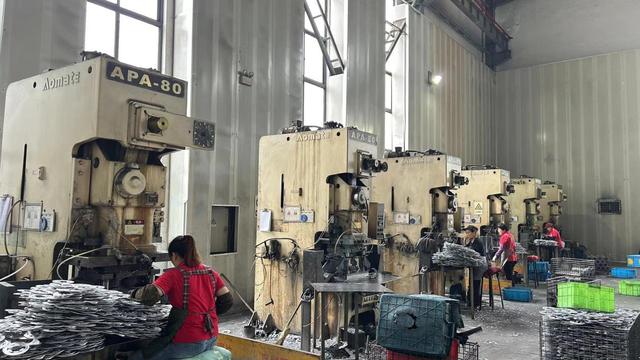
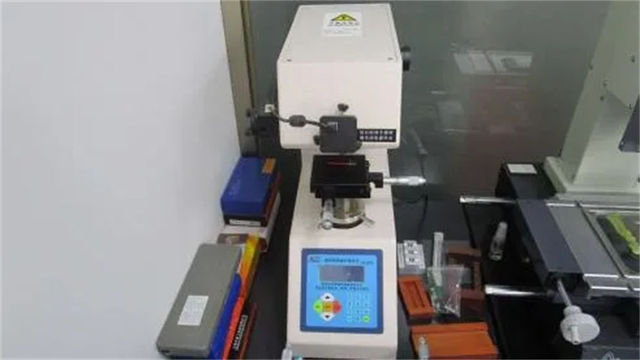
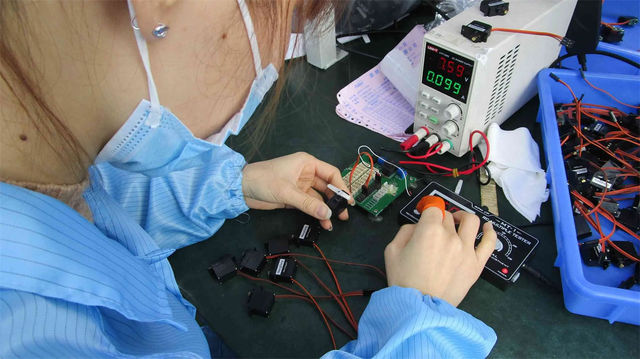
Shenzhen DCI Autos Automated Manufacturing & Quality Inspection Facilities

European Compliance Standards & Barcelona Local Support

Integrating high-voltage hardware into European installations requires strict adherence to multiple levels of compliance. In Spain, all low-voltage and high-voltage grid integrations are governed by national regulations alongside general EU directives. DCI Autos designs and builds its power distribution solutions to facilitate direct, hassle-free certification:
Directive / Standard Technical Scope & Target Parameters Compliance Details & Integration Method
CE Mark & LVD (2014/35/EU) Low Voltage Directive compliance for electrical apparatuses. Verifies unit safety, insulation strength, and clearance distances.
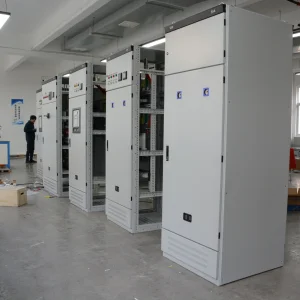
UNE-EN 61439-1 & -2 Low-voltage switchgear and controlgear assemblies in Spain. Essential for charging cabinets, guaranteeing protection against electric shock.
ISO 26262 (ASIL-B/D) Automotive functional safety for electrical systems. Applicable for custom passenger and commercial vehicle integrated PDUs.
IEC 61851-1 / OCPP 1.6J Electric vehicle conductive charging systems. Ensures interoperability of smart AC/DC chargers with municipal software platforms.
To streamline regional integration projects, DCI Autos collaborates with Spanish electrical contractors and regional distribution system operators (DSOs). Our technical engineers assist with CAD drawing exports, transient load modeling, thermal simulations, and communication protocol adaptations, ensuring that when our hardware arrives at Barcelona's ports, it is ready for immediate mechanical mounting and electrical commissioning.

Technology Roadmap: 800V Architectures & Bidirectional Microgrids

The EV ecosystem is transitioning rapidly toward high-performance topologies. The conventional 400V battery pack architecture is increasingly giving way to 800V platforms, which dramatically cut charge times and minimize copper cable sizing in both vehicles and charging columns. This shift has massive implications for power distribution design:
Our engineers are actively deploying Silicon Carbide (SiC) solid-state switches inside the next generation of our 3-in-1 combo CDUs. SiC offers significantly lower thermal dissipation and switching losses, which in turn reduces the volume of onboard liquid cooling loops. By shrinking the footprint of the high-voltage distribution box, we free up physical space in vehicle chassis, which allows for increased battery volume and extended range.

Smart City Integration: V2G (Vehicle-to-Grid) Compatibility

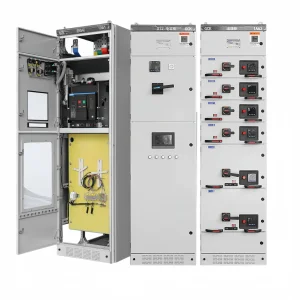
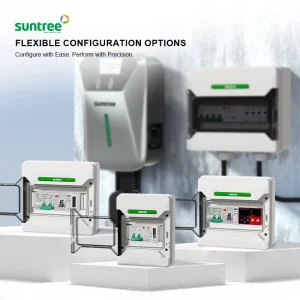
In municipal hubs like Barcelona, parked electric fleets represent a massive grid storage asset. Our dynamic power cabinets and smart distribution boards are designed to handle bidirectional energy flows, enabling vehicles to discharge surplus energy back to the building during peak hours, balancing microgrids automatically.

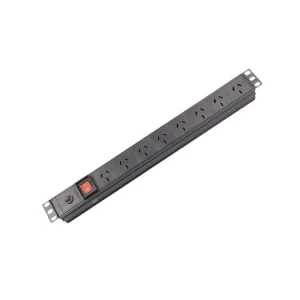
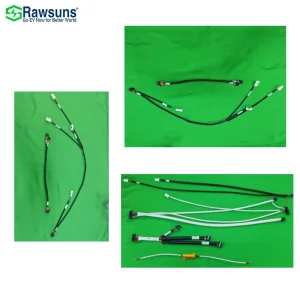
Comprehensive Industrial & Automotive PDU Catalog

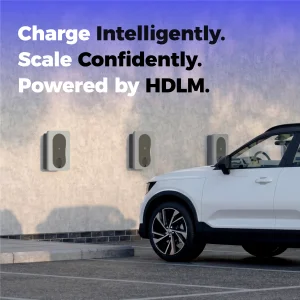
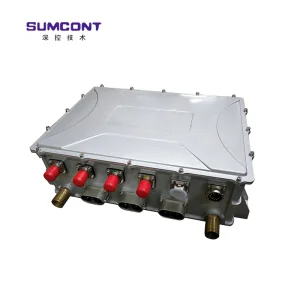
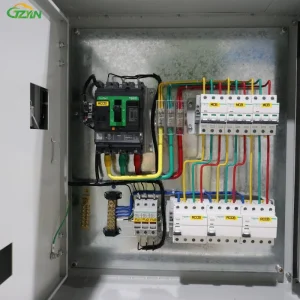
Explore our versatile range of high-voltage distribution boards, vehicle junction boxes, and smart wallbox chargers.
Engineering & Procurement FAQ for Barcelona System Integrators

Addressing technical integration, compliance, lead times, and customization queries.

Can the PDUs and smart charging boards be customized for specific Catalonian electrical regulations?

Yes, all power panels, distribution cabinets, and in-vehicle units can be fully optimized to match Spanish national electrical codes (including UNE-EN 61439 structures). We customize wire diameters, circuit breakers, leakage protection thresholds (Class A or Class B RCDs), and dynamic load balancing (DLB) protocols to suit local utility interfaces.

What isolation monitoring protocols are utilized in your high-voltage vehicle distribution units?

Our high-voltage automotive PDUs employ active pulse frequency measurement techniques to continuously evaluate insulation resistance between the HV DC bus and the chassis ground. Our modules communicate directly over vehicle CAN-bus, flagging warning metrics at 500 ohms/V and initiating emergency contactor isolation at 100 ohms/V.

How does the factory in Shenzhen support long-distance logistics and delivery to Barcelona?

Leveraging Shenzhen’s global logistics infrastructure, we offer direct ocean freight shipments to the Port of Barcelona, as well as express air cargo routes. All components are packaged using heavy-duty, moisture-sealed packaging to prevent atmospheric corrosion during transit across sea routes.

What testing procedures do these EV Power Distribution Cabinets go through?

Each unit is subjected to functional test routines at the end of the production line. This includes high-voltage dielectric strength testing, insulation resistance evaluation, communication testing, and thermal verification under simulated load. Automated optical inspection (AOI) is also employed on internal PCBs.