Engineered high-performance power distribution solutions custom tailored for Castries municipal transit, tourist resorts, and Caribbean commercial charging setups.
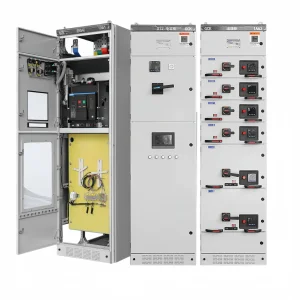
As the political and commercial hub of St. Lucia, the city of Castries is undergoing a foundational transition in both public transportation and commercial maritime logistics. The St. Lucia National Energy Transition Strategy (NETS) identifies grid modernization and clean transport as critical pillars. However, implementing EV infrastructure within a Caribbean island environment presents distinct engineering challenges that call for advanced Power Distribution Units (PDUs) capable of stabilizing volatile power supplies while resisting environmental corrosion.
The electrical grid operated by St. Lucia Electricity Services Limited (LUCELEC) must handle extreme peak-demand variations and environmental stressors. High relative humidity (often exceeding 85%), high-salinity air from the Castries Harbor, and periodic heavy tropical downpours demand that any EV charging distribution station or vehicle PDU possess a minimum rating of IP66 or IP67.
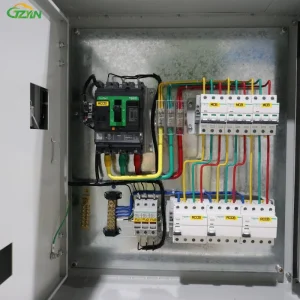
Standard off-the-shelf distribution enclosures rust and corrode rapidly in this marine-tropical environment. DCI Autos designs specialized aluminum alloy and marine-grade steel distribution cabinets with multi-stage anti-corrosion powders. Additionally, our units feature integrated dynamic over-voltage/under-voltage protection mechanisms to handle grid fluctuations, ensuring that commercial fleets, tourist shuttle systems, and municipal charging terminals operate without interruption.
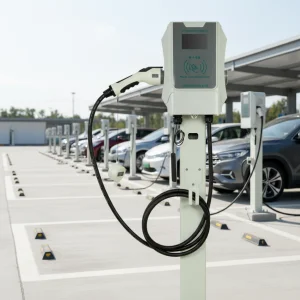
St. Lucia's energy model is shift-focusing toward utility-scale solar PV and decentralized resort-level battery energy storage systems (BESS). An EV PDU serving this market must function as a bridge between solar arrays, battery units, and electric vehicle fleet chargers. By utilizing our smart energy management algorithms and integrated circuit breakers, local operators can prioritize clean solar energy output to charge EVs, avoiding high peak demand charges from the utility grid.
On a global scale, the electric vehicle ecosystem is shifting toward higher operational voltages—transitioning from the traditional 400V architecture to advanced 800V and 1000V platforms. This evolution reduces charging times and minimizes copper wiring weight, but it significantly elevates the design complexity of high-voltage Power Distribution Units (PDUs).
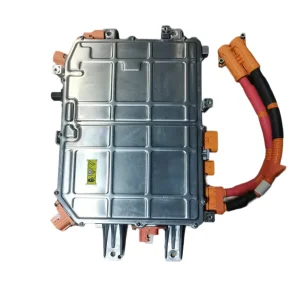
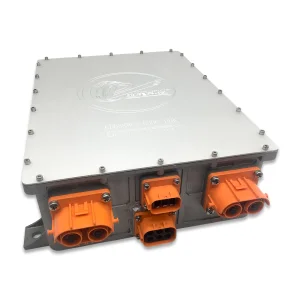
Modern PDUs do not simply route power; they serve as the central nervous system of high-voltage safety. They integrate critical system functions including:
| Feature / Parameter | Standard PDU Systems | DCI Autos Advanced PDU (Serving Castries) |
|---|---|---|
| Voltage Rating | 0V - 400V DC | Up to 1000V DC (High Voltage Capability) |
| Ingress Protection | IP54 / IP55 | IP66 / IP67 / IP69K (Hermetically Sealed Enclosures) |
| Communications Protocol | Basic Analog Control | Dual-Channel CAN 2.0B / CAN FD Integration |
| Corrosion Standards | Basic Zinc Plating | Marine-Grade Powder Coating & ASTM B117 Compliance |
Field-tested control equipment engineered to safeguard vehicle electronics and grid components from transient currents.
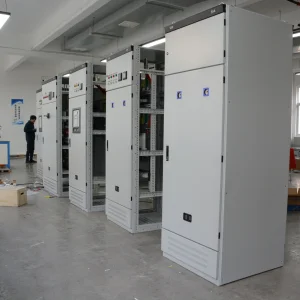
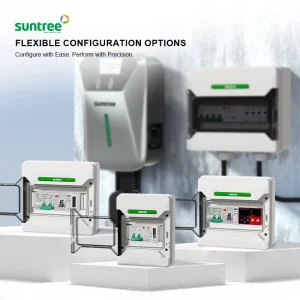
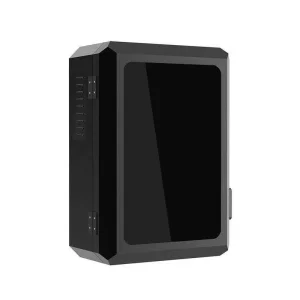
Shenzhen's hyper-integrated ecosystem drives high efficiency, advanced materials testing, and rapid speed-to-market.
The manufacturing center of Shenzhen stands as the global epicentre of electromobility innovation. By consolidating battery component makers, raw copper busbar processors, semiconductor packaging plants, and automation equipment developers, Shenzhen factories can engineer custom PDUs with extreme cost-efficiency and technical agility.
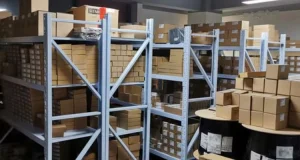
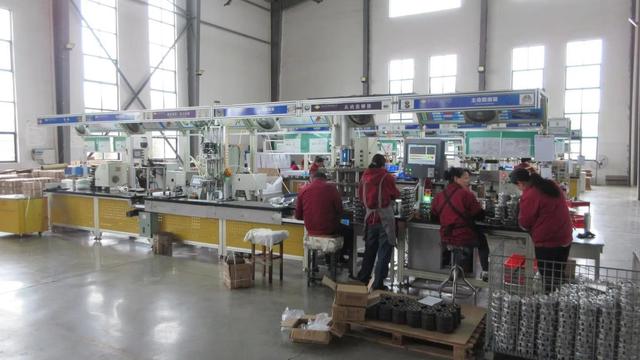
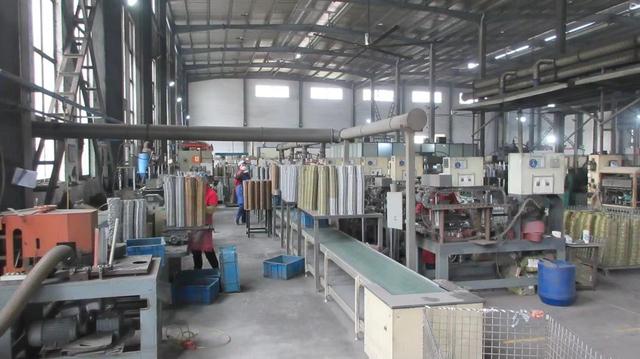
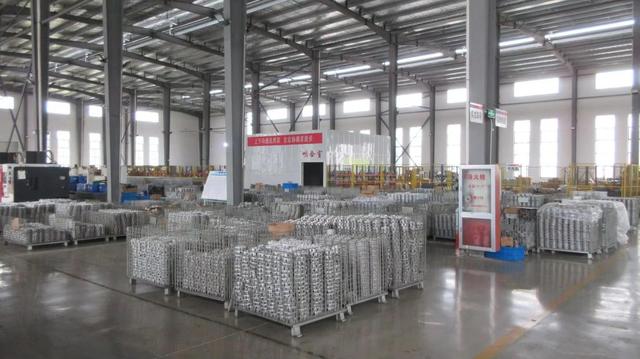
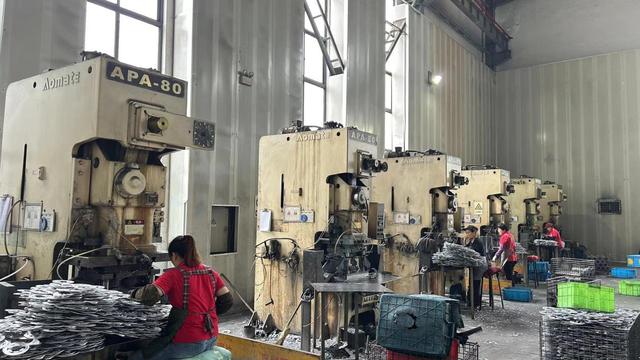
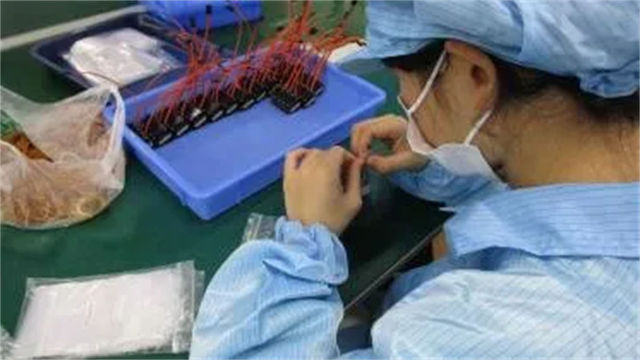
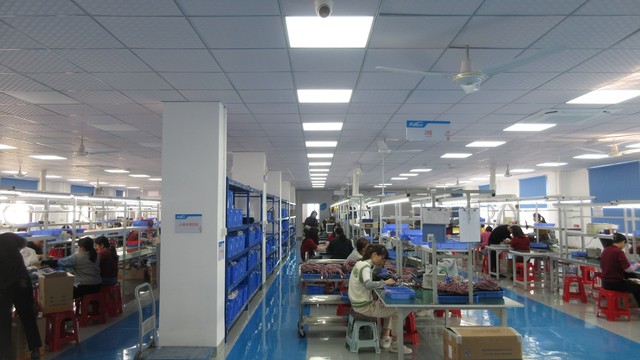
Shenzhen DCI Autos Co., Ltd. coordinates these supply chain advantages within our state-of-the-art 28,000 square meter facility. Operating since 2014, we leverage automated CNC sheet-metal work, high-precision laser-welded busbars, and fully automatic SMT lines to ensure error-free assembly. Compared to localized assembly lines in North America or Western Europe, DCI Autos' integrated production flow cuts the lead time of prototype-to-production cycles in half.
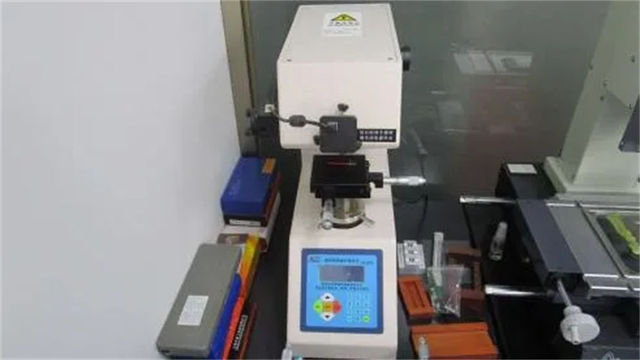
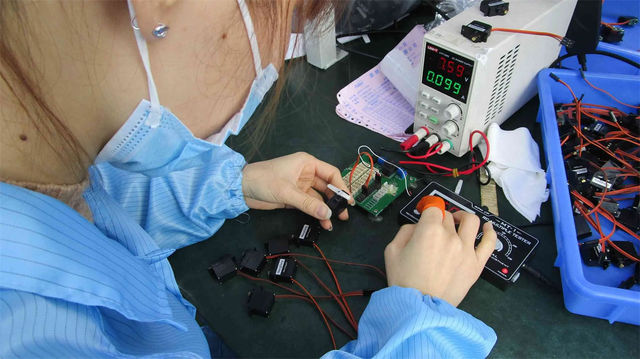
Furthermore, DCI Autos subjects each custom high-voltage PDU to intense validation regimens: helium leak testing to confirm water-tight IP67 protection, vibration tests simulating rough commercial road surfaces (compliant with ISO 16750-3), and automated electrical functional test runs (EOL) evaluating loop insulation and control relay triggers.
Strategic implementations where DCI Autos' specialized High-Voltage Power Distribution Systems optimize charging safety and grid balance.
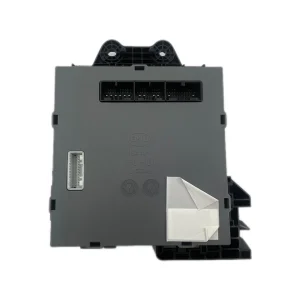
For cargo vans, transit buses, and port transport logistics, multi-channel High-Voltage PDUs partition massive battery energy arrays to auxiliary equipment, including hydraulic compressors and cooling fans, without thermal degradation. DCI Autos' high-current junction boxes operate reliably inside heavy-duty port vehicles facing saline air exposure.
Luxury resort developments near Castries are deploying solar panels and stationary battery arrays to charge guests' electric shuttle buses. Our NEUTRON PDUs and custom smart energy management panels dynamically prioritize charging times when solar output peaks, protecting the local battery bank and avoiding stress on the LUCELEC power grid.
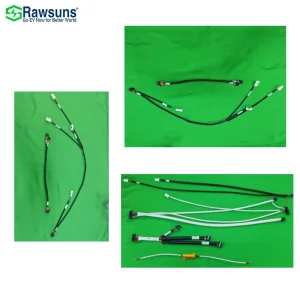
As standard internal combustion engine trucks, commercial vans, and municipal service vehicles are retrofitted to clean electric drives, our custom-engineered high-voltage wiring harnesses and multi-channel control inverter kits handle high-current pathways safely, saving conversion engineering time.
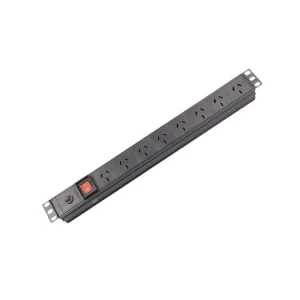
Full inventory of custom-designed automotive power distribution units, electrical cabinets, and high-voltage components manufactured by DCI Autos.
Pioneering Automotive Electrification Systems and High-Voltage Assemblies since 2014.
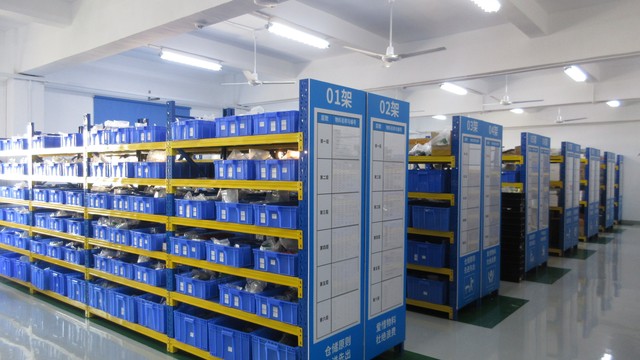
Shenzhen DCI Autos Co., Ltd. is a professional manufacturer specializing in electric vehicle components and advanced mobility technologies for the global automotive industry. Established in 2014, the company is headquartered in Shenzhen, Guangdong Province, a leading center for innovation in electric transportation and intelligent manufacturing. Operating from a modern production facility covering 28,000 square meters and supported by more than 300 employees, DCI Autos has developed comprehensive capabilities in engineering, manufacturing, testing, and international supply chain support.
The company focuses on the development and production of battery systems, power electronics, electric drivetrain components, battery management systems (BMS), charging system components, thermal management solutions, high-voltage electrical assemblies, and integrated EV powertrain technologies. Its products are designed to support passenger vehicles, commercial electric vehicles, light-duty transportation platforms, and emerging mobility applications.
DCI Autos combines advanced manufacturing technologies, automated production equipment, and rigorous quality control procedures to ensure product reliability, efficiency, and long-term operational performance. The company operates dedicated engineering laboratories and testing facilities where products undergo extensive validation, environmental testing, and performance verification throughout the development and manufacturing process.
To meet the evolving requirements of the electric mobility sector, DCI Autos provides flexible OEM and ODM services, including customized component development, private-label manufacturing, system integration support, and application-specific engineering solutions. Its research and development team continuously explores innovations in electrification, energy management, lightweight design, and intelligent vehicle systems.
Today, Shenzhen DCI Autos Co., Ltd. serves customers across North America, Europe, Southeast Asia, the Middle East, South America, and other international markets. Through continuous innovation, precision manufacturing, and customer-focused collaboration, the company remains committed to supporting the global transition toward sustainable transportation and next-generation electric mobility technologies.
Technical details regarding design, international compliance, and distribution options for the Caribbean market.
The electrical grid in Castries can experience volatility due to rapid changes in demand from tourism, resort operations, and port activity. Dynamic load management features on DCI Autos distribution boards measure grid consumption in real-time, throttling EV charging power down during peak utility periods to prevent transformer overloads and power outages, while maximizing output at off-peak hours.
Saline air accelerates the oxidation of aluminum enclosures and copper terminal busbars inside power units. By subjecting our products to rigorous ASTM B117 salt spray tests for up to 1000 hours, we ensure our high-voltage cabinets, locks, and rubber seals maintain isolation resistance, preventing short circuits and galvanic corrosion in seaside environments.
Yes. Our engineering R&D team specialize in creating integrated Charger Converter Combos (CDUs), consolidating the high-voltage distribution module, DC-DC converter, and the On-Board Charger into a single custom-designed enclosure. This is ideal for electric conversion projects, passenger buses, and specialized delivery trucks in Castries, where packaging space is limited.
All DCI Autos products undergo standard quality procedures compliant with IATF 16949 and ISO 9001. Depending on customer requirements, our charging stations and power distribution systems are certified under CE (IEC 61851 / IEC 62196), UL, and Australia-specific regulatory standards, ensuring compliance with both local Caribbean utility guidelines and global safety protocols.
 DCI Autos