 DCI Autos
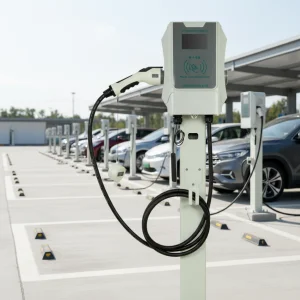
High-Voltage Electrical Infrastructure Engineered for Tropical, Coastal & Resort Microgrids
Send Inquiry NowIntelligent Power Distribution Units (PDUs) optimized for marine salinity, high humidity, and off-grid solar-plus-storage integration.
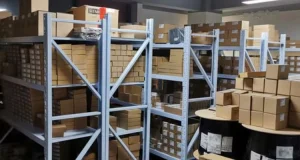

The Republic of Maldives is undergoing one of the most critical energy transitions in the world. Dominated by a highly decentralized geographic makeup of over 1,000 coral islands, the nation has historically relied on expensive, imported diesel fuel for power generation. As global carbon-neutral mandates tighten and Maldives commits to achieving Net-Zero emissions by 2030, the electrification of land transport and maritime fleets has emerged as a national priority.
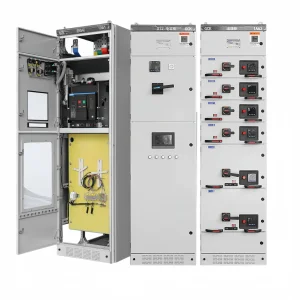
Transitioning to electric vehicles (EVs) and electric marine vessels on these islands poses extraordinary challenges for electricity grids. Local utility grids are typically islanded microgrids, powered by a mix of solar PV and diesel generators. Standard power infrastructures cannot handle the massive load spikes associated with high-current EV fast charging without intelligent mediation. This is where high-integrity EV Power Distribution Units (PDUs) and smart distribution cabinets play an irreplaceable role.
By implementing dynamic load balancing, real-time current monitoring, and robust environmental protection, our EV PDUs ensure that island microgrids remain stable while supporting the growing demand for EV chargers at resort terminals, commercial docks, and urban centers like Malé and Hulhumalé.
EV fast chargers draw substantial current that can trigger localized voltage drops and frequency destabilization on remote island grids. Specialized EV distribution boards manage these demands, protecting generators and conserving battery storage arrays.
Coastal and marine environments are the most demanding settings for high-voltage power distribution equipment. The combination of high relative humidity (frequently exceeding 80% year-round in the Maldives), saline atmosphere (sea mist), and elevated ambient temperatures accelerates electrochemical corrosion, insulative degradation, and electronic component failure. EV Power Distribution Units deployed in these environments require premium-grade materials and architecture.
Standard sheet steel components rust rapidly in marine air. Our industrial-grade cabinets leverage heavy-duty AL6061-T6 aluminum alloys and marine-grade SUS316 stainless steel, treated with anti-corrosive powder coatings. These enclosures easily exceed the C5-M (Marine) corrosive class standard, ensuring a lifespan of over 15 years.
To prevent salt-air ingress, high-voltage distribution systems must feature superior ingress ratings. Utilizing custom poured-in-place polyurethane gaskets and multi-point latching hardware, our systems offer IP66 and IP67 protection against heavy rain, sea spray, and dust.
Water and high-voltage power represent a dangerous combination. Our PDUs incorporate Type B Residual Current Devices (RCDs) and continuous insulation monitoring devices (IMDs) that detect micro-leakage currents instantly, isolating circuits before safety hazards arise.
| Feature Spec | Standard PDU Specification | Marine / Tropical Maldives PDU Specification | Design Advantage |
|---|---|---|---|
| Enclosure Material | Cold-rolled steel sheet SPCC | Anodized Aluminum AL6061-T6 / SUS316 | Prevents oxidation and salt-mist corrosion |
| Ingress Protection | IP54 / IP55 Rated | IP66 / IP67 Fully Sealed | Resists monsoonal downpours and water ingress |
| Insulation Monitoring | Standard over-current fuses | Integrated Active IMD + Type B RCD | Continuous system health checks to prevent shock hazards |
| Operating Temperature | -20°C to +50°C | -40°C to +75°C with smart cooling | Maintains full power delivery under high solar radiation |
The global electric vehicle sector is moving toward high-voltage architectures. To achieve shorter charge times, automotive manufacturers are shifting from 400V battery systems to 800V and even 1000V platforms. This transition requires power distribution components to handle significantly higher thermal dissipation and electrical isolation challenges.
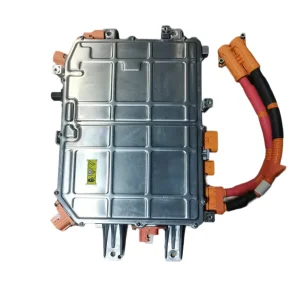
In both vehicle passenger cabins and land-based charging stations, the trend is toward integrated systems. For vehicles, components like the On-Board Charger (OBC), DC-DC converter, and PDU are increasingly consolidated into 3-in-1 combo units. For commercial charging installations, dynamic power-sharing cabinets allocate energy across multiple output hubs to optimize usage and reduce hardware footprints.
Global engineering, procurement, and construction (EPC) contractors require suppliers who offer robust certifications (CE, RoHS, IEC, UL) and demonstrate strong supply chain agility. With volatile material costs for copper, high-grade silicon, and specialized semiconductors, procurement departments seek manufacturers capable of offering consistent quality and customized engineering solutions without extended lead times.
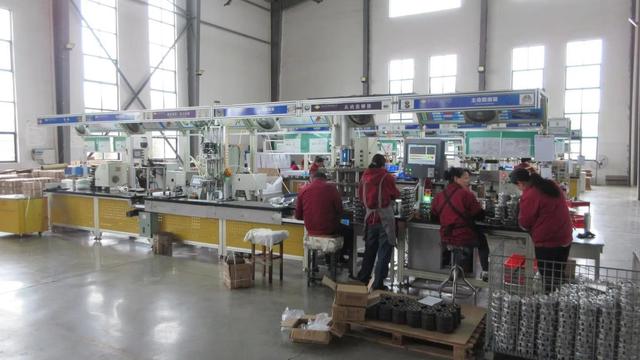
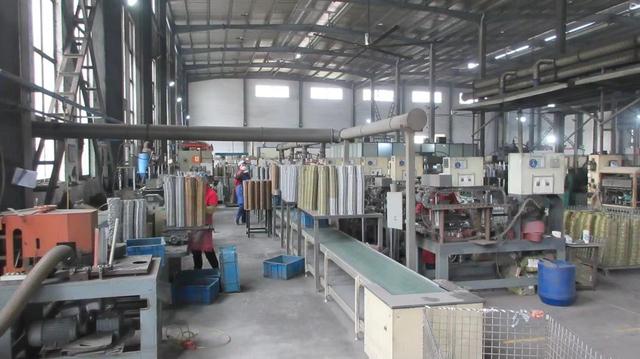
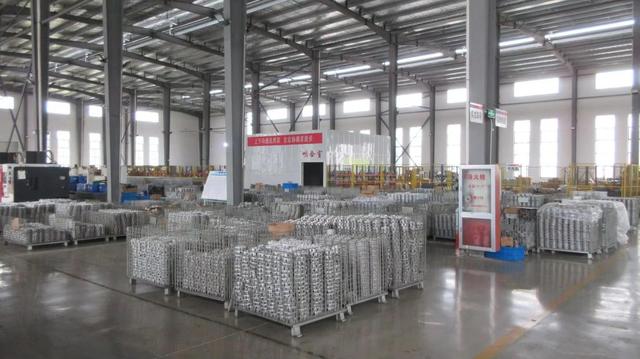
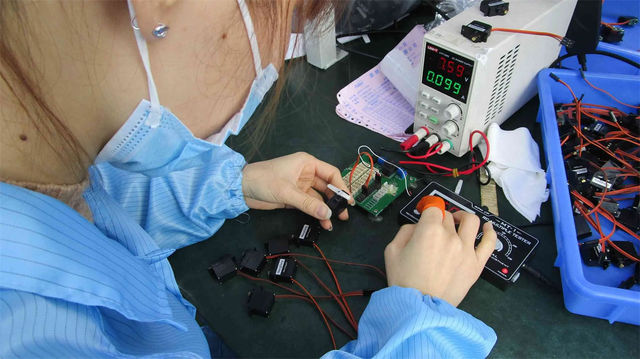
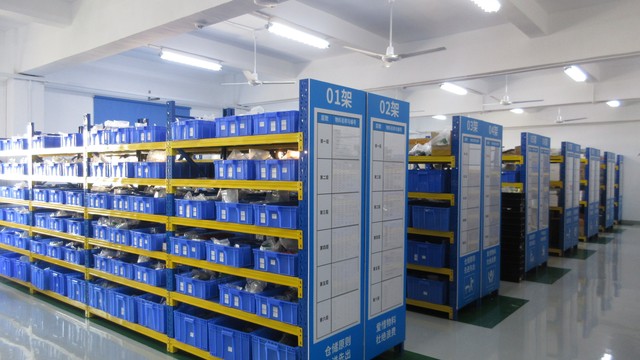
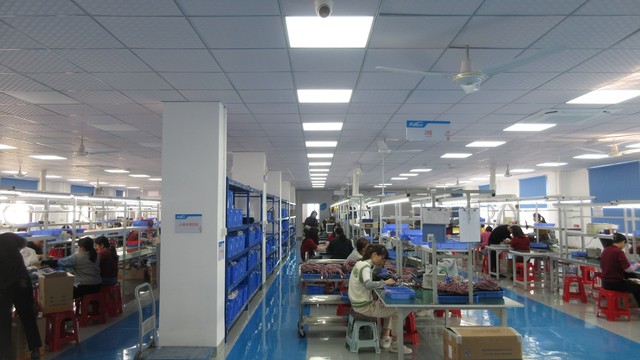
Shenzhen DCI Autos Co., Ltd. is a professional manufacturer specializing in electric vehicle components and advanced mobility technologies for the global automotive industry. Established in 2014, the company is headquartered in Shenzhen, Guangdong Province, a leading center for innovation in electric transportation and intelligent manufacturing. Operating from a modern production facility covering 28,000 square meters and supported by more than 300 employees, DCI Autos has developed comprehensive capabilities in engineering, manufacturing, testing, and international supply chain support.
The company focuses on the development and production of battery systems, power electronics, electric drivetrain components, battery management systems (BMS), charging system components, thermal management solutions, high-voltage electrical assemblies, and integrated EV powertrain technologies. Its products are designed to support passenger vehicles, commercial electric vehicles, light-duty transportation platforms, and emerging mobility applications.
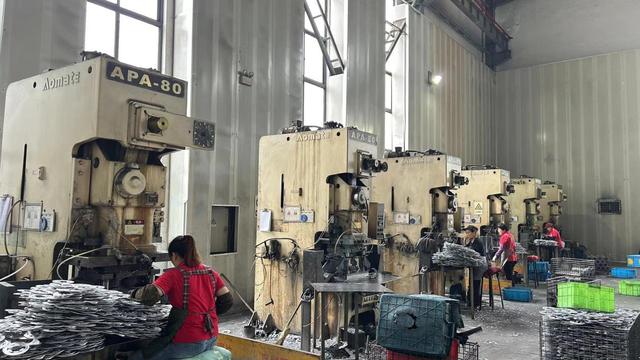
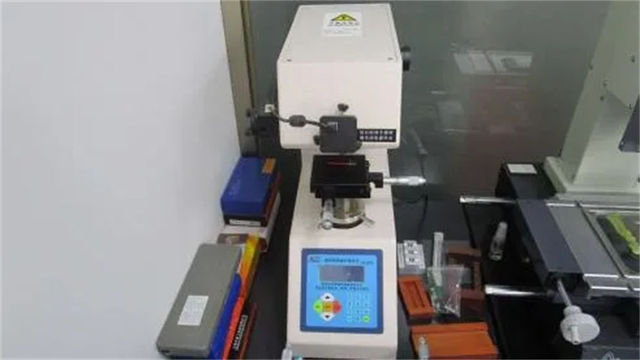
DCI Autos combines advanced manufacturing technologies, automated production equipment, and rigorous quality control procedures to ensure product reliability, efficiency, and long-term operational performance. The company operates dedicated engineering laboratories and testing facilities where products undergo extensive validation, environmental testing, and performance verification throughout the development and manufacturing process.
To meet the evolving requirements of the electric mobility sector, DCI Autos provides flexible OEM and ODM services, including customized component development, private-label manufacturing, system integration support, and application-specific engineering solutions. Its research and development team continuously explores innovations in electrification, energy management, lightweight design, and intelligent vehicle systems.
Today, Shenzhen DCI Autos Co., Ltd. serves customers across North America, Europe, Southeast Asia, the Middle East, South America, and other international markets. Through continuous innovation, precision manufacturing, and customer-focused collaboration, the company remains committed to supporting the global transition toward sustainable transportation and next-generation electric mobility technologies.

Tailoring EV components and distribution technology to the geographical realities of the Maldives is crucial. The following three target sectors require specialized solutions:
Given the aquatic terrain, marine transport is the primary means of moving cargo and passengers between islands. Converting traditional diesel-powered dhonis, speedboats, and inter-island passenger ferries to electric propulsion systems requires high-voltage, vibration-tolerant PDUs. Integrated 3-in-1 CDU/PDU systems minimize deck weight and space, ensuring maximum passenger and cargo capacity.
Eco-resorts operating golf carts, light utility vehicles, and passenger shuttles require highly durable charging options. Power distribution panels fitted with smart energy management ensure that vehicles are charged using off-peak solar power, reducing dependence on backup diesel generators and ensuring smooth operations.
Densely populated areas like Malé and Hulhumalé require robust public charging networks. Complete 380V power distribution cabinets with dual-layer circuit protection provide safe power routing to multiple high-output DC fast chargers, operating reliably even under extreme coastal monsoonal conditions.
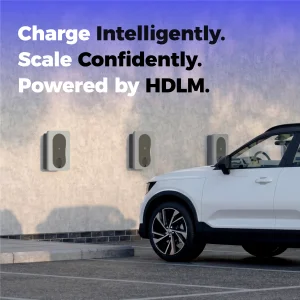
Premium charging stations, integrated OBCs, and industrial distribution boards built to international standards.
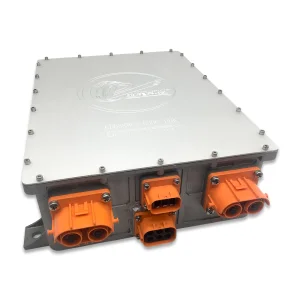
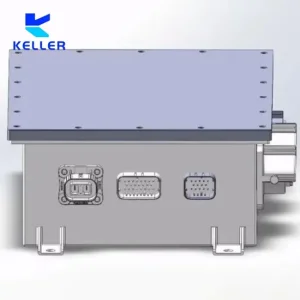
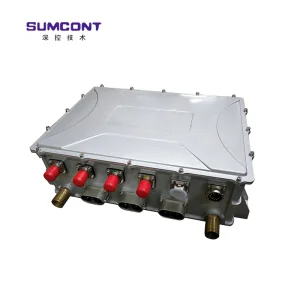
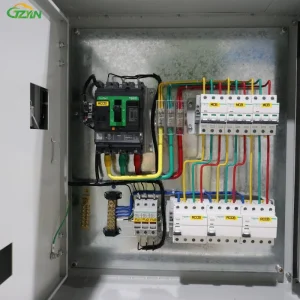
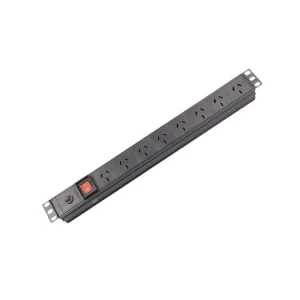
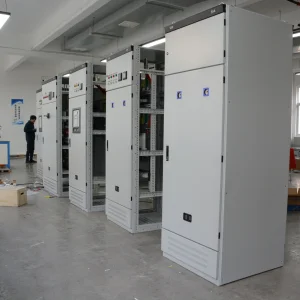
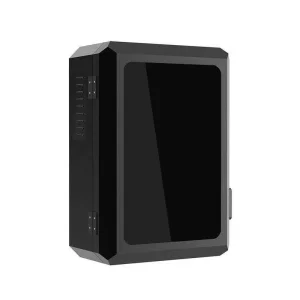
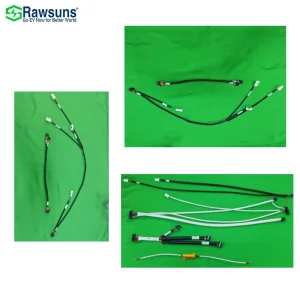
High-voltage wiring setups, replacement distribution systems, and customizable electrical boards for custom conversions.
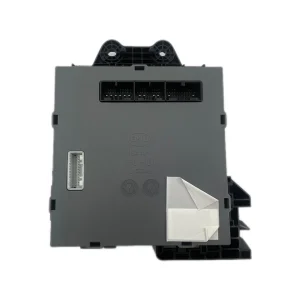

Technical support, delivery, and system configurations for Maldives and global clients.
Whether deploying public charging cabinets on Hulhumalé or retrofitting an electric marine vessel fleet, our engineering team is here to support you with tailored solutions.
Send Inquiry Now