Russia is currently undergoing a pivotal transformation in its transportation energy matrix. Driven by the "Electric Vehicle Development Concept up to 2030", the Russian government is accelerating the deployment of EV charging networks across major hubs like Moscow, St. Petersburg, and Kazan. For global manufacturers and suppliers of EV Power Distribution Units (PDUs), this represents a unique intersection of high demand for industrial reliability and specialized engineering for harsh environmental conditions.
The Russian market demands more than just standard components; it requires resilient energy management systems capable of operating in sub-zero temperatures (reaching -40°C) while maintaining high efficiency. PDUs act as the central nervous system of the EV’s high-voltage architecture, managing power from the battery to the inverter, DCDC converter, and auxiliary systems. Our solutions for the Russian market focus on thermal stability, high electromagnetic compatibility (EMC), and EAC compliance.
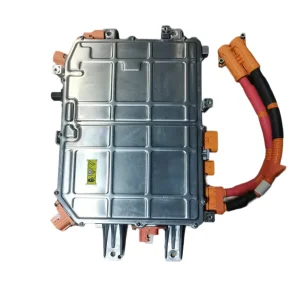
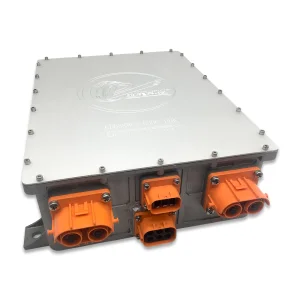
Modern Russian EV designs are moving towards "Integrated 3-in-1" units. By combining the On-Board Charger (OBC), DC-DC Converter, and PDU into a single unit (CDU), we reduce weight by 20% and minimize cabling failures—a critical factor for the vibration-heavy environments of Russian industrial logistics.
Safety is paramount. Our PDUs feature intelligent pre-charge circuits, active insulation monitoring, and high-precision current sensing. For the Russian industrial sector, our units come with heavy-duty breakers and leakage protection (RCD) that comply with both IEC 61851 and local GOST standards.
Russia Market Technical Roadmap:
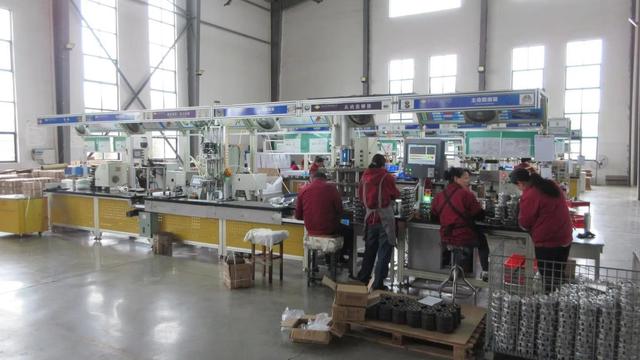
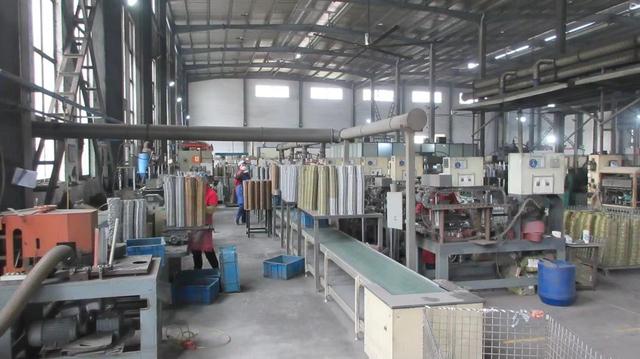
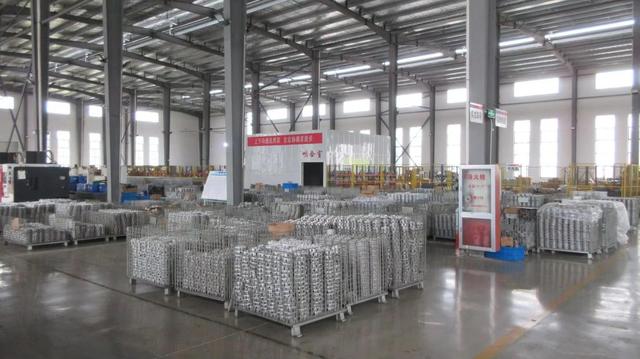
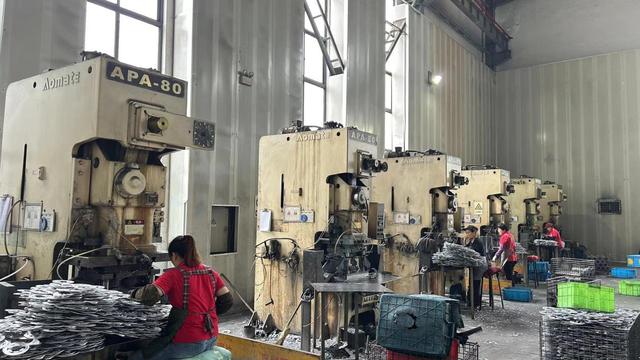
Shenzhen DCI Autos Co., Ltd. is a professional manufacturer specializing in electric vehicle components and advanced mobility technologies for the global automotive industry. Established in 2014, the company is headquartered in Shenzhen, Guangdong Province, a leading center for innovation in electric transportation and intelligent manufacturing. Operating from a modern production facility covering 28,000 square meters and supported by more than 300 employees, DCI Autos has developed comprehensive capabilities in engineering, manufacturing, testing, and international supply chain support.
The company focuses on the development and production of battery systems, power electronics, electric drivetrain components, battery management systems (BMS), charging system components, thermal management solutions, high-voltage electrical assemblies, and integrated EV powertrain technologies. Its products are designed to support passenger vehicles, commercial electric vehicles, light-duty transportation platforms, and emerging mobility applications.
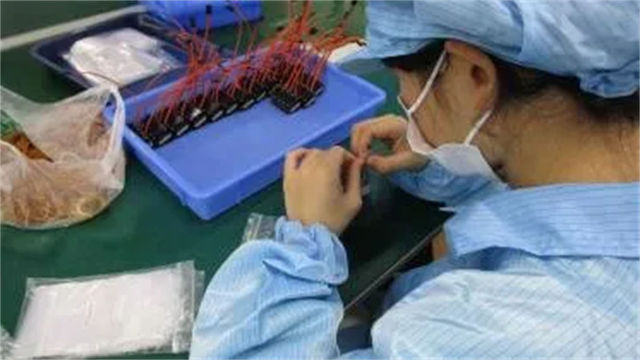
DCI Autos combines advanced manufacturing technologies, automated production equipment, and rigorous quality control procedures to ensure product reliability, efficiency, and long-term operational performance. The company operates dedicated engineering laboratories and testing facilities where products undergo extensive validation, environmental testing, and performance verification throughout the development and manufacturing process.
To meet the evolving requirements of the electric mobility sector, DCI Autos provides flexible OEM and ODM services, including customized component development, private-label manufacturing, system integration support, and application-specific engineering solutions. Its research and development team continuously explores innovations in electrification, energy management, lightweight design, and intelligent vehicle systems.
Today, Shenzhen DCI Autos Co., Ltd. serves customers across North America, Europe, Southeast Asia, the Middle East, South America, and other international markets. Through continuous innovation, precision manufacturing, and customer-focused collaboration, the company remains committed to supporting the global transition toward sustainable transportation and next-generation electric mobility technologies.
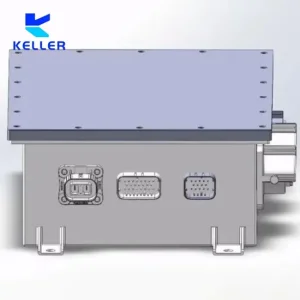
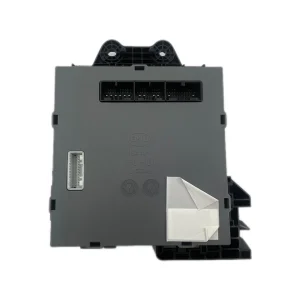
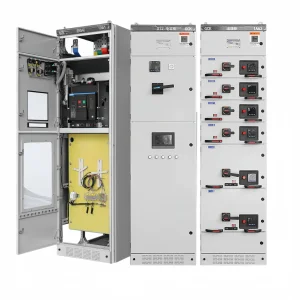
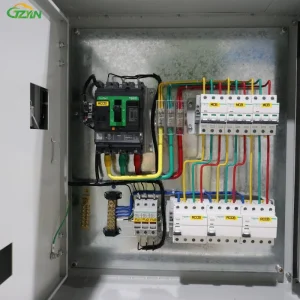
Centralized PDU cabinets for urban charging hubs. Features smart load balancing to handle Moscow's grid peak demands.
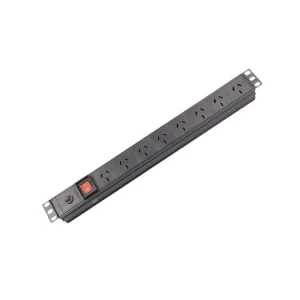
High-current PDUs (up to 1000A) designed for long-haul electric freight, ensuring uptime in the trans-Siberian routes.
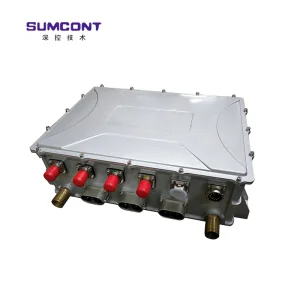
Customized HV distribution boxes for electric boats and municipal service vehicles, built to IP69K standards.
For Russian B2B buyers and industrial procurement officers, navigating the certification landscape is vital. Our EV PDUs and charging components are manufactured to meet TR CU (Technical Regulation of the Customs Union) standards, ensuring seamless customs clearance and legal operation within the Eurasian Economic Union (EAEU).
Consult with our senior engineers today for a customized power distribution solution tailored to your regional technical requirements.
Get a Free Technical ConsultationOur PDUs are tested in extreme environmental chambers down to -40°C. We use low-temperature resistant electronic components and specialized sealants for the IP67 enclosures to prevent brittleness and condensation. Additionally, our 3-in-1 units can be integrated with thermal management triggers to keep the high-voltage system at optimal operating temperatures.
Yes. Shenzhen DCI Autos works closely with certification partners to ensure our products meet the technical regulations of the Customs Union (TR CU). We provide all necessary technical documentation, safety reports, and EMC compliance certificates required for the Russian market.
Absolutely. Our core strength is OEM/ODM service. We can design the internal circuitry, connector layout (using brands like Amphenol or local equivalents), and housing dimensions to fit specific chassis requirements for local Russian manufacturers like KamAZ or GAZ.
For standard products, we maintain a rolling stock with lead times of 1-2 weeks. For customized PDU/CDU units, the R&D and production cycle is typically 4-8 weeks. We offer flexible logistics solutions including rail freight via the "Belt and Road" routes for cost-effective and timely delivery.
Yes, all our smart AC and DC charging stations are fully compatible with OCPP 1.6J, allowing them to integrate seamlessly with Moscow’s "Zaryadi Moskvu" platform and other regional management software.
 DCI Autos