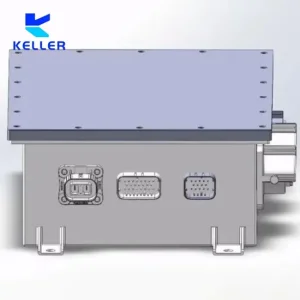
Cutting-edge power distribution equipment built to withstand extreme mechanical stress, high thermal loads, and rigorous international safety standards.
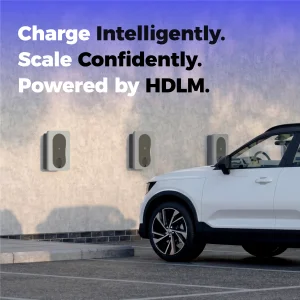
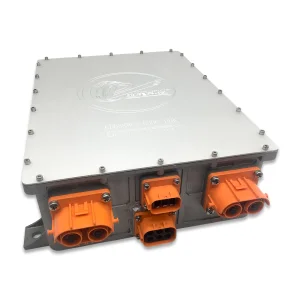
Peru represents one of the most promising yet challenging electromobility landscapes in South America. Driven by the National Strategy for Electromobility, the country is transitioning public transportation, commercial logistics, and mining fleets toward electric drivetrains. Major urban corridors like Lima and Callao are rapidly scaling up hybrid and battery-electric buses. However, Peru's geographical configuration—characterized by extreme coastal humidity, hyper-arid deserts, and Andean altitudes exceeding 4,500 meters—requires robust electrical components. Power Distribution Units (PDUs) designed for general environments often fail in Peru due to altitude-induced dielectric breakdown and thermal stresses.
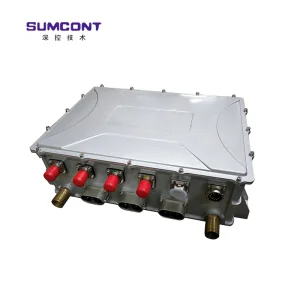
Industrial players, particularly in Peru's lucrative mining sector (spanning regions like Arequipa, Ancash, and Cusco), are pushing for zero-emission underground mining machinery. Electrifying these heavy-duty utility vehicles and mining equipment requires advanced high-voltage distribution networks that handle severe vibrations, high dust concentrations, and intense duty cycles. As a leading global manufacturer, Shenzhen DCI Autos Co., Ltd. supplies specialized high-voltage distribution boxes (PDUs) that are customized to resolve these local environmental pain points.
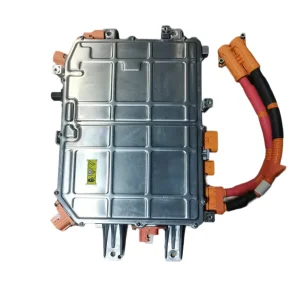
On a global scale, the electric vehicle ecosystem is shifting rapidly from 400V architectures to 800V and 1000V systems to facilitate ultra-fast charging and reduce weight through smaller cable cross-sections. This global trend places intense requirements on the EV Power Distribution Unit (PDU)—the central brain that distributes high-voltage power from the battery pack to secondary systems such as the traction inverter, On-Board Charger (OBC), DC-DC converter, air conditioning compressor, and cabin heater.
To ensure total vehicle safety, modern PDUs incorporate advanced galvanic isolation, integrated pyro-fuses for millisecond-range short-circuit isolation, continuous insulation monitoring, and high-frequency EMI filtering. Additionally, manufacturers are consolidating components into unified systems (often referred to as 3-in-1 or 5-in-1 Central Distribution Units) to save chassis space, minimize external cabling, and reduce overall assembly costs for automakers.
How DCI Autos builds long-term reliability into every high-voltage EV distribution assembly.
Engineered with increased creepage and clearance distances to satisfy IEC 60664-1 standards at altitudes up to 5,000 meters above sea level, avoiding electric arc faults in rarefied Andean air.
Utilizing high-grade aluminum alloys with liquid cooling integration, our units dissipate heat rapidly in heavy-duty commercial vehicles, maintaining stable internal temperatures under continuous maximum load.
Real-time diagnostic capability featuring continuous voltage, current, and insulation monitoring. Telemetry links seamlessly with vehicle BMS via J1939 protocols for predictive fleet maintenance.
Mining operations in high-altitude Peru demand machinery that can run under heavy duty cycles without electrical failure. The lower pressure of high altitudes drastically drops the breakdown voltage of air. DCI Autos designs custom PDUs with pressurized seals and silicone potting configurations, assuring structural and functional integrity even at elevations exceeding 4,500 meters in sites like Cerro Verde or Las Bambas.
Lima's coastal fog and high humidity pose severe risks of corrosion and leakage currents for high-voltage boxes. Our IP67 and IP69K certified marine-grade aluminum PDUs feature chemical-resistant coatings and specialized pressure relief valves (gore-vents) to balance humidity levels inside the electrical cabinet without letting moisture pass through.
Long-distance logistics crossing from the coastal Pan-American Highway to the Andean highlands experience massive thermal shock. Our PDUs feature active liquid-cooling compatibility alongside smart pre-charge systems that protect high-voltage contactors during rapid environmental changes.
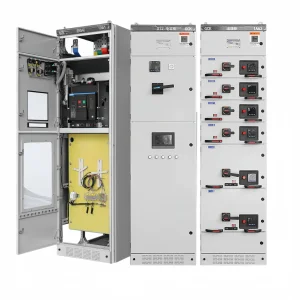
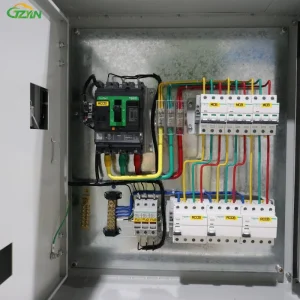
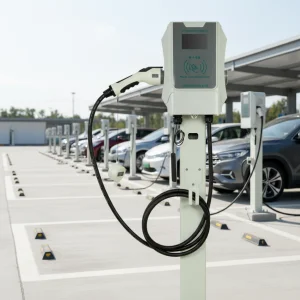
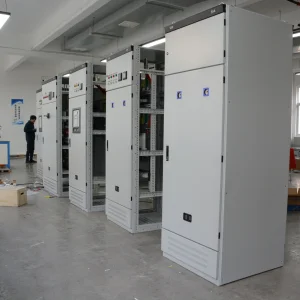
In many remote regions of Peru, utility grids are unreliable or non-existent. Deploying off-grid solar EV charging terminals utilizing NEUTRON Power Distribution Cabinets guarantees balanced load control and surge protection, protecting both the battery packs and the grid infrastructure during peak charging hours.
Leading Global Pioneer in Advanced EV Powertrain Electronics & High-Voltage Integration Assemblies
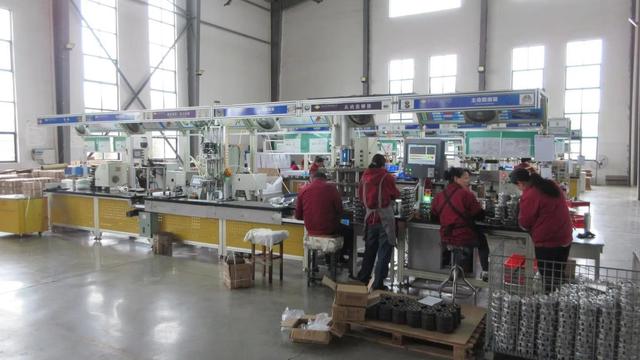
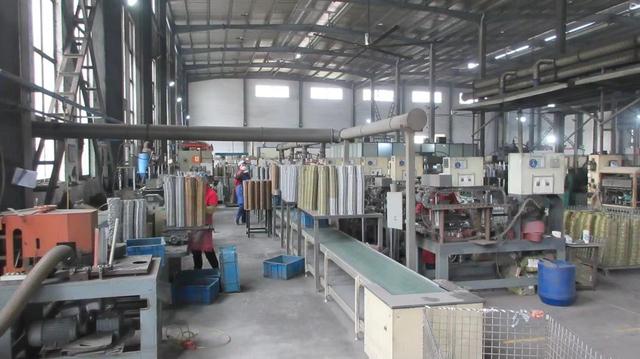
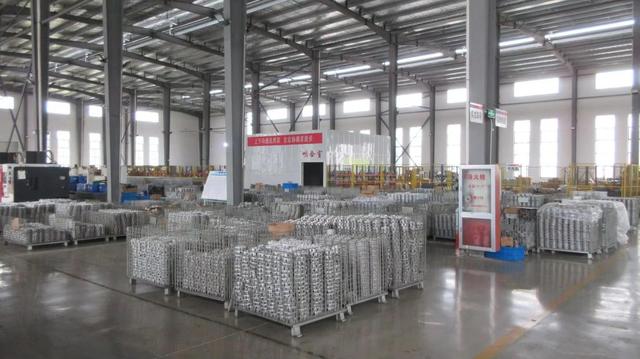
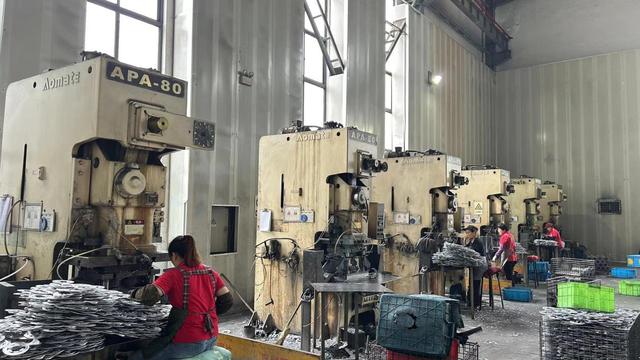
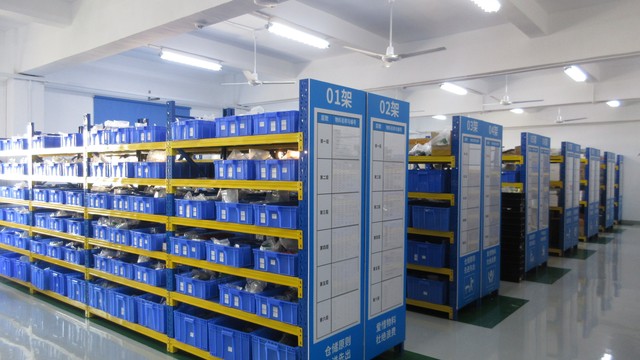
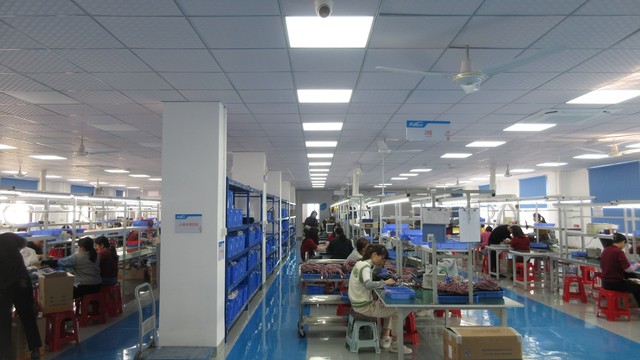
Shenzhen DCI Autos Co., Ltd. is a professional manufacturer specializing in electric vehicle components and advanced mobility technologies for the global automotive industry. Established in 2014, the company is headquartered in Shenzhen, Guangdong Province, a leading center for innovation in electric transportation and intelligent manufacturing. Operating from a modern production facility covering 28,000 square meters and supported by more than 300 employees, DCI Autos has developed comprehensive capabilities in engineering, manufacturing, testing, and international supply chain support.
The company focuses on the development and production of battery systems, power electronics, electric drivetrain components, battery management systems (BMS), charging system components, thermal management solutions, high-voltage electrical assemblies, and integrated EV powertrain technologies. Its products are designed to support passenger vehicles, commercial electric vehicles, light-duty transportation platforms, and emerging mobility applications.
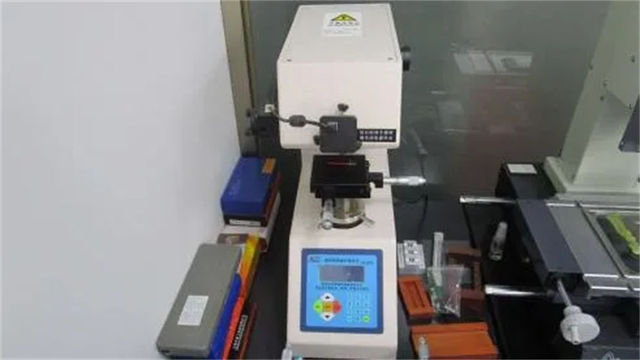
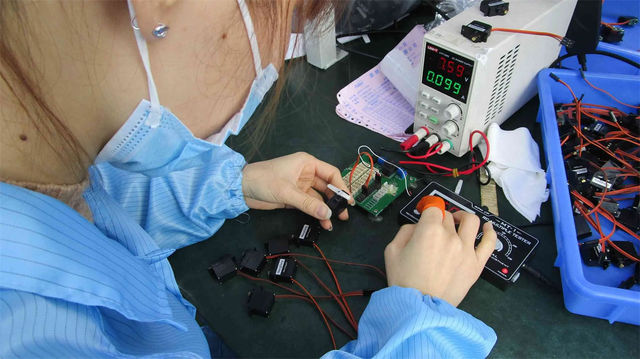
DCI Autos combines advanced manufacturing technologies, automated production equipment, and rigorous quality control procedures to ensure product reliability, efficiency, and long-term operational performance. The company operates dedicated engineering laboratories and testing facilities where products undergo extensive validation, environmental testing, and performance verification throughout the development and manufacturing process.
To meet the evolving requirements of the electric mobility sector, DCI Autos provides flexible OEM and ODM services, including customized component development, private-label manufacturing, system integration support, and application-specific engineering solutions. Its research and development team continuously explores innovations in electrification, energy management, lightweight design, and intelligent vehicle systems.
Today, Shenzhen DCI Autos Co., Ltd. serves customers across North America, Europe, Southeast Asia, the Middle East, South America, and other international markets. Through continuous innovation, precision manufacturing, and customer-focused collaboration, the company remains committed to supporting the global transition toward sustainable transportation and next-generation electric mobility technologies.

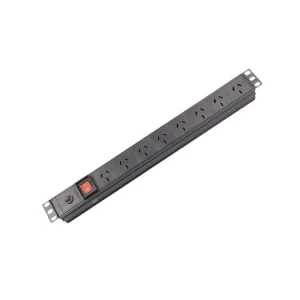
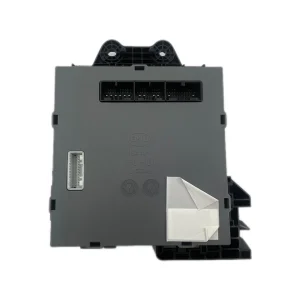
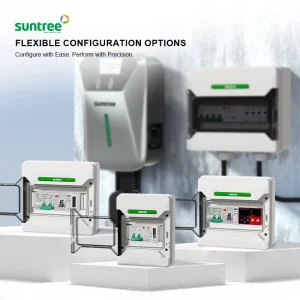
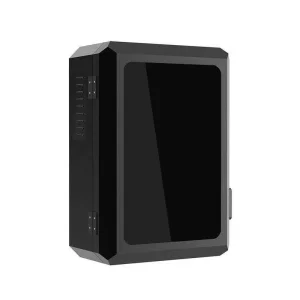
Explore our complete range of specialized equipment designed for commercial, automotive, and grid distribution applications.
Get answers from DCI Autos engineering experts regarding technical integration, environmental compliance, and delivery to Peru.
A: At elevations above 2,000 meters, the low density of air drops its breakdown dielectric strength. DCI Autos counteracts this behavior by widening the air clearance distance, using high-performance insulation barriers, and implementing advanced sealing (IP67/IP69K) to retain stable internal atmospheric pressures when requested.
A: Yes. We offer comprehensive OEM/ODM engineering services. We modify physical dimensions, electrical architecture (e.g. from 100A up to 1000A), connector layouts (Amphenol, TE Connectivity), and diagnostic CAN lines to seamlessly match your vehicle's layout.
A: Our development and manufacturing workflows are certified under IATF 16949, ISO 9001, and ISO 14001. Individual components satisfy standard testing criteria including CE (EN 61851), UL, and GB/T requirements to guarantee global market entrance.
A: Absolutely. Our NEUTRON and outdoor distribution systems are built with specialized smart grid management features, allowing seamless coupling to photovoltaic arrays and static BESS energy storage units typical of off-grid industrial hubs.
A: Standard prototype development and verification take 4-6 weeks. Production batches take 30-45 days. We provide complete sea freight and air express solutions direct to Callao Port or Jorge Chávez International Airport.
Talk to our senior engineering team. Get a comprehensive technical quotation and design consultation tailored to Peru's heavy industry and grid specifications.
Send Inquiry Now DCI Autos