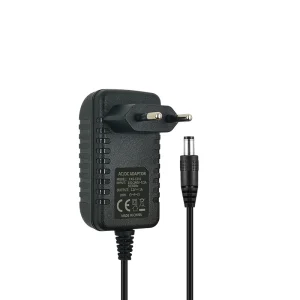
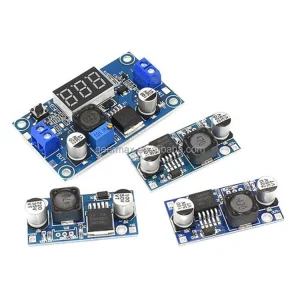
Engineered to meet the exact environmental and technical standards of the Uzbekistan industrial sector and modern EV power lines.
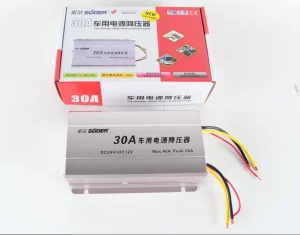
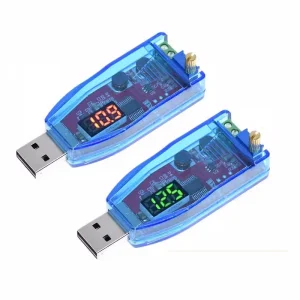
Analyzing Central Asia's emerging industrial manufacturing hub under the Uzbekistan 2030 development agenda.
Uzbekistan has positioned itself as the preeminent manufacturing and processing node in Central Asia. The country's dynamic economic trajectory, powered by the Uzbekistan 2030 Strategy, has generated unprecedented requirements for high-efficiency power electronics. Massive industrial developments, particularly in the Navoi Free Economic Zone (FEZ), Tashkent Technopark, and Angren Special Economic Zone, demand highly reliable electrical conversion frameworks. Crucial to this transformation is the integration of high-performance DC-DC converters capable of maintaining operational continuity within complex smart grids, automated heavy industrial machinery, and mining transport systems.
Furthermore, Uzbekistan's transport sector is experiencing a structural pivot toward electrification. With Tashkent expanding its electric bus fleets and private passenger electric vehicle (EV) imports growing at double-digit rates, the national demand for advanced onboard chargers (OBCs), battery management systems (BMS), and highly efficient onboard DC-DC power converters has reached a critical volume. The transition requires DC-DC modules that can step down high traction battery voltages to low-voltage auxiliary systems (e.g., 24V or 12V DC networks) while withstanding extreme environmental shifts.
| Uzbekistan Industrial Application Area | Standard Grid & Input Parameters | Environmental & Technical Challenges | Required DC-DC Specifications |
|---|---|---|---|
| EV & Electric Bus Infrastructure | 300VDC to 800VDC Traction Bus | High vibration, severe thermal cycles (-30°C to +50°C) | 3kW - 6kW, Isolated, IP67 Enclosures, Active Cooling |
| Mining & Metal Processing (Navoi/Almalyk) | 48VDC, 110VDC, or 220VDC Control Loops | Dusty atmospheres, voltage spikes, magnetic interference | Galvanic Isolation >1.5kVAC, Wide Input 4:1 Range |
| Solar & Wind Clean Energy Parks | Variable DC String Voltage (150VDC - 1500VDC) | Arid environments, continuous thermal stress | Ultra-wide input range, high conversion efficiency (>96%) |
| Smart Grid Metrology & Telecom | 24VDC or 48VDC Backplane systems | Compact enclosure spaces, low noise footprint | SMD/Thru-hole Board Mount, Low Ripple & Noise |
Discover how materials science, digital controls, and architecture integration are redefining global performance limits.
The transition from silicon-based MOSFETs to Silicon Carbide (SiC) and Gallium Nitride (GaN) technologies allows converters to operate at higher switching frequencies. This drastically reduces the physical footprint of magnetic components, offering up to 3x higher power densities while maintaining high operating efficiencies.
By minimizing switching losses through soft-switching topologies (like LLC resonant converters), current-generation converters hit peak efficiency plateaus over 96%. This cuts operating thermal dissipation requirements and improves system reliability inside sealed IP-rated enclosure configurations.
To operate reliably in dusty, dry Central Asian fields, components require rugged packaging. Potting compounds, fully metal heatsinks, high galvanic isolation levels (up to 4.2kVDC), and thermal interface designs ensure standard-compliant longevity and safety.
In addition to hardware developments, digital power management via PMBus or CAN bus protocol integration has become the benchmark. Industry engineers in Uzbekistan can now monitor real-time output voltages, operational temperatures, and fault registers remotely, enabling predictive maintenance schedules and avoiding costly unscheduled downtime in remote logistics facilities.
A Global Manufacturing Authority in Advanced Electric Vehicle Components & Power Electronics Solutions
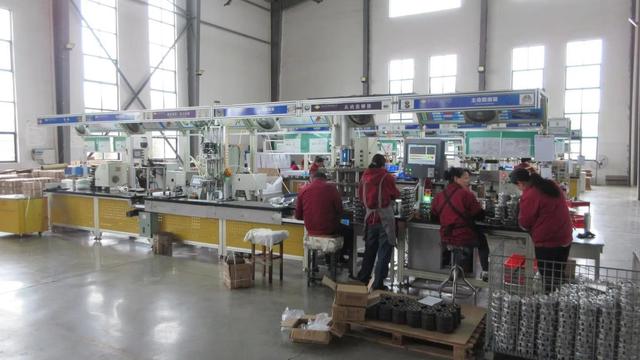
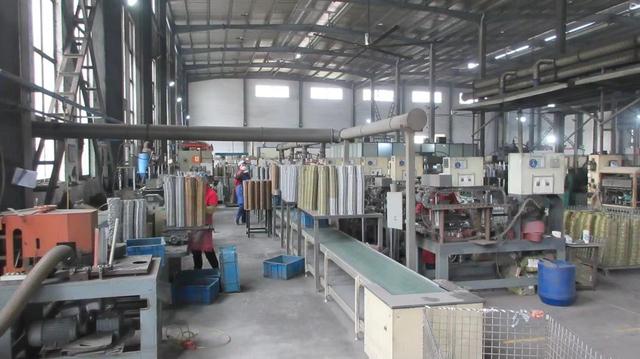
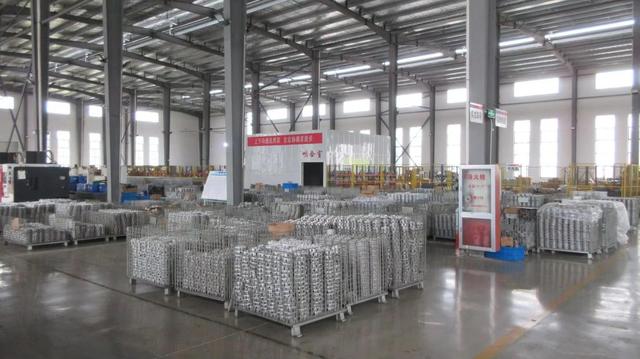
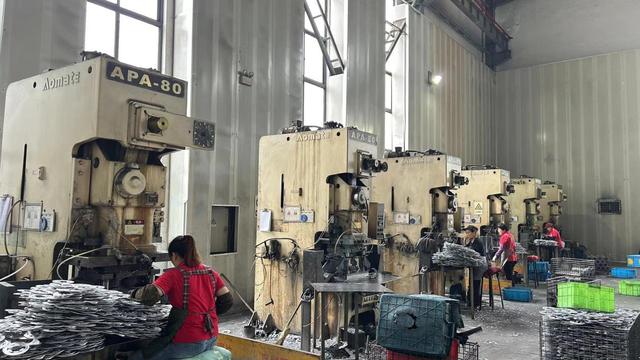
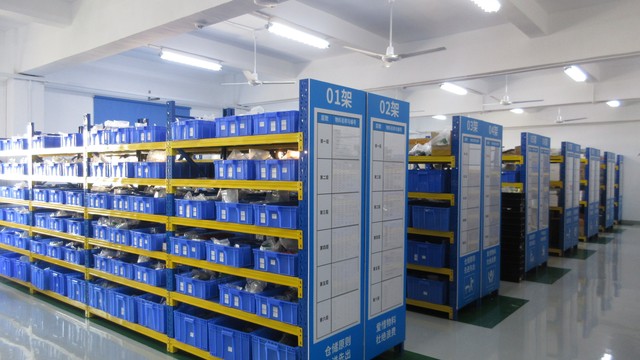
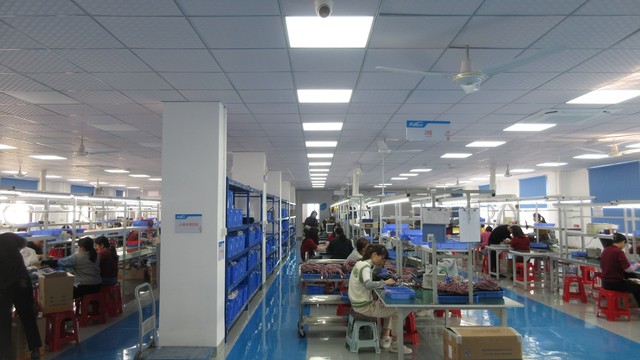
Shenzhen DCI Autos Co., Ltd. is a professional manufacturer specializing in electric vehicle components and advanced mobility technologies for the global automotive industry. Established in 2014, the company is headquartered in Shenzhen, Guangdong Province, a leading center for innovation in electric transportation and intelligent manufacturing. Operating from a modern production facility covering 28,000 square meters and supported by more than 300 employees, DCI Autos has developed comprehensive capabilities in engineering, manufacturing, testing, and international supply chain support.
The company focuses on the development and production of battery systems, power electronics, electric drivetrain components, battery management systems (BMS), charging system components, thermal management solutions, high-voltage electrical assemblies, and integrated EV powertrain technologies. Its products are designed to support passenger vehicles, commercial electric vehicles, light-duty transportation platforms, and emerging mobility applications.
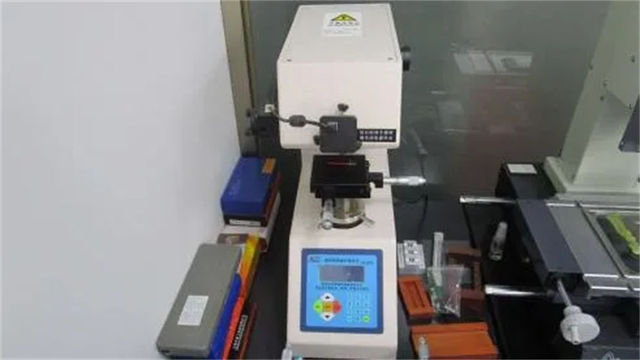
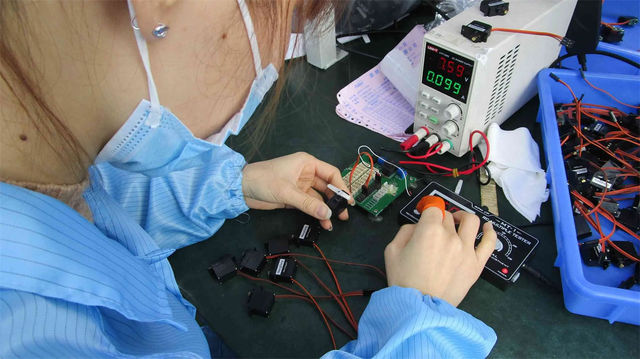
DCI Autos combines advanced manufacturing technologies, automated production equipment, and rigorous quality control procedures to ensure product reliability, efficiency, and long-term operational performance. The company operates dedicated engineering laboratories and testing facilities where products undergo extensive validation, environmental testing, and performance verification throughout the development and manufacturing process.
To meet the evolving requirements of the electric mobility sector, DCI Autos provides flexible OEM and ODM services, including customized component development, private-label manufacturing, system integration support, and application-specific engineering solutions. Its research and development team continuously explores innovations in electrification, energy management, lightweight design, and intelligent vehicle systems.
Today, Shenzhen DCI Autos Co., Ltd. serves customers across North America, Europe, Southeast Asia, the Middle East, South America, and other international markets. Through continuous innovation, precision manufacturing, and customer-focused collaboration, the company remains committed to supporting the global transition toward sustainable transportation and next-generation electric mobility technologies.

Navigating compliance, cross-border freight routes, and domestic certification procedures for Central Asian import markets.
Sourcing power electronics for the Uzbekistan market requires adherence to international and regional standardization frameworks. Chief among these is the EAC (Eurasian Conformity) mark, which is legally recognized in Uzbekistan alongside national standards controlled by the Uzbek Agency for Technical Regulation (Uzstandart). DC-DC converters used in automotive systems must meet the rigorous electromagnetic compatibility (EMC) parameters outlined in UN ECE Regulation 10 (ECE R10), preventing interference with on-board communication electronics. For general electronics, compliance with the Low Voltage Directive (LVD) and EMC directive remains standard practice.
Shenzhen DCI Autos Co., Ltd. coordinates shipments to major dry ports in Uzbekistan, including the Tashkent Commodity Station and the Sergeli Custom Post. Typical delivery channels include:
To reduce system integration risks, our R&D engineering teams provide thorough schematics reviews, system simulation analysis, thermal load modeling, and prototype verification services. This ensures that customized converters interface seamlessly with your native vehicle control units, central processing modules, and power distribution hardware.
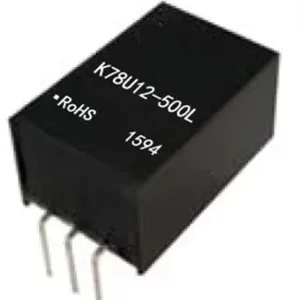
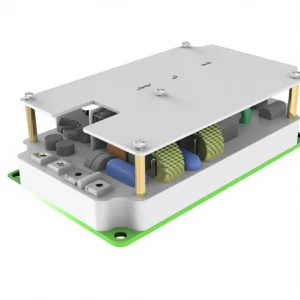
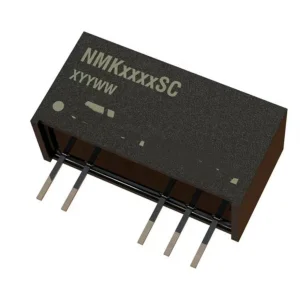
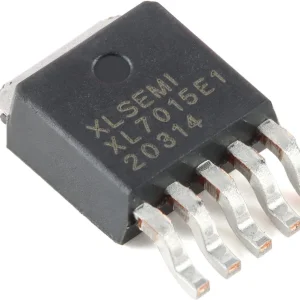
A broad array of step-down buck converters, isolated board-mount components, and heavy-duty onboard converters.
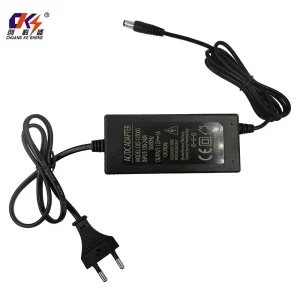
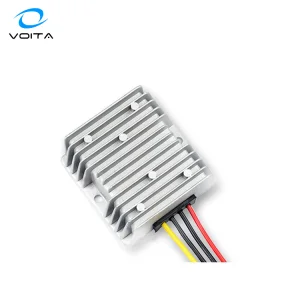
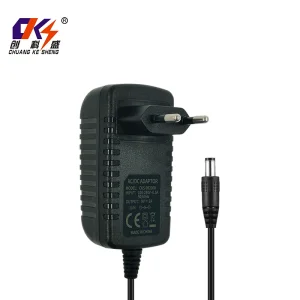
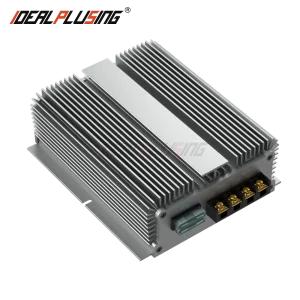
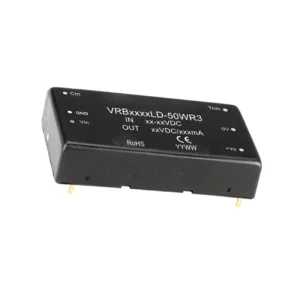
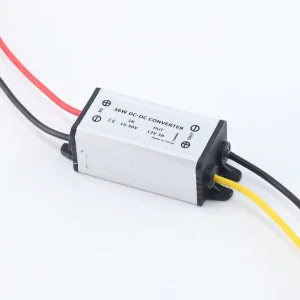
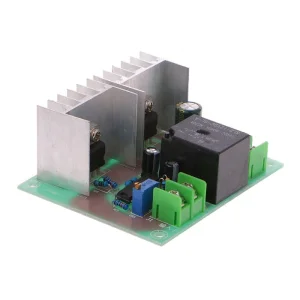
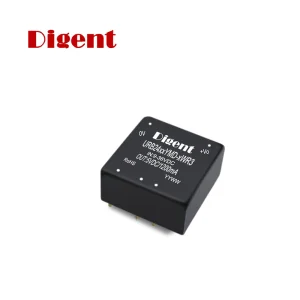
Mapping the future trajectory of power conversion systems through 2030.
The convergence of green mobility and industrial digitization requires a forward-looking technological roadmap. Shenzhen DCI Autos Co., Ltd. continues to prioritize engineering developments designed to meet upcoming trends, including:
Modern utility grids and advanced vehicle-to-grid (V2G) applications require bi-directional DC-DC architectures. By facilitating dual-direction power transfer, vehicles can act as mobile energy reservoirs, feeding power back into local grids during peak hours, which is highly relevant to Uzbekistan's rural electrification initiatives.
With automotive platforms transitioning from 400V toward 800V architectures to shorten charging times, onboard DC-DC converters must support wider voltage ranges while maintaining galvanic isolation safety margins. Similar trends are emerging in solar farms, where 1500VDC arrays are becoming the standard.
Integrated microcontrollers running real-time software layers allow converters to execute dynamic feedback loops, matching transient loads and optimizing thermal control profiles dynamically. The addition of CAN FD or Ethernet communications guarantees compatibility with smart grid topologies.
Technical responses from our applications engineers on operating, deploying, and sourcing power electronics.
Products imported into Uzbekistan generally require compliance with regional EAC (Eurasian Conformity) regulations and local standards overseen by Uzstandart. For electric vehicles, compliance with UN ECE R10 for electromagnetic compatibility is standard practice. General electrical equipment must comply with low voltage (LVD) and electromagnetic compatibility safety directives.
Uzbekistan experiences extreme seasonal temperature fluctuations (-30°C in winter to +50°C in summer), alongside dusty and dry environments. Converters deployed here require wide storage and operating ranges (-40°C to +85°C), robust IP-rated enclosures (such as IP67 for vehicle undersides), and reliable heat dissipation methods like thermal potting or metal heatsinks.
Standard product configurations are typically dispatched within 2–4 weeks depending on batch sizes. For custom OEM/ODM projects, the design cycle (including schematic generation, thermal simulation, layout design, and initial prototyping) ranges from 8 to 12 weeks. Large-scale production validation follows after prototype approval.
Galvanic isolation isolates high-voltage source networks (such as 400V–800V EV traction systems or 1500VDC solar arrays) from low-voltage control circuits (like 12V/24V microcontrollers). This blocks electrical noise, ground loops, and transient surges, protecting both control circuitry and operators.
Our 28,000 m² factory operates under IATF 16949 automotive standards. We utilize automated optical inspection (AOI), X-ray diagnostic stations for SMT assemblies, and dedicated environmental testing facilities. Every finished converter undergoes functional testing and thermal burn-in before shipping.
Discuss your application requirements, custom electrical parameters, and logistics arrangements with our professional engineering team.
Send Inquiry Now DCI Autos