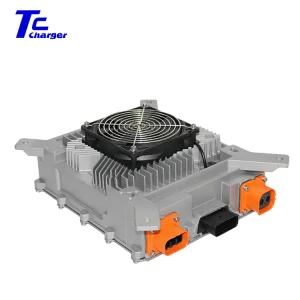
Tc Charger 6.6kw on Board Charger with Can or Not EV Charger HK-Lf-540-12 32A
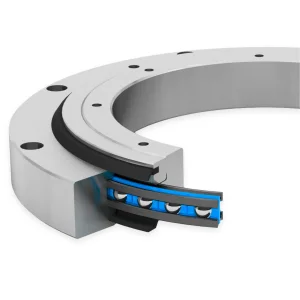
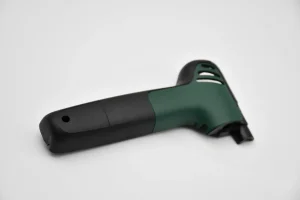
Transparent Pctg Injection Molded Components with Clear Finish and Accurate Fit
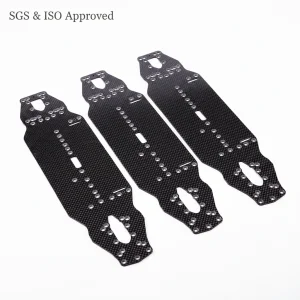
XC Carbon Fiber RC Chassis Plate 2.2mm Thick Lightweight Racing Upgrade Parts for 1:10 Scale Crawler
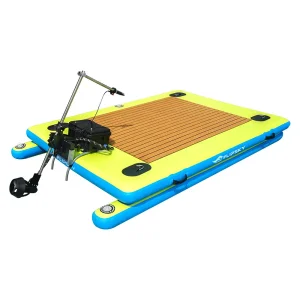
Flipsky 72150 Outboard Electric Motor/Drive Integrated Isup Boats Engine Propulsion Thruster
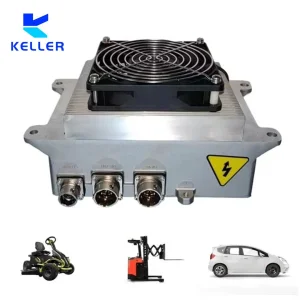
Good Quality IP67 3.3kw on Board Charger New Energy Car Charger Battery Obc with Can Bus
As the global transition toward sustainable electrification accelerates, the demand for sophisticated Battery Recycling Solutions has shifted from a niche environmental concern to a critical industrial imperative. By 2030, it is estimated that over 11 million tons of spent lithium-ion batteries will reach their end-of-life (EOL) stage. This surge necessitates a robust supply chain of manufacturers and suppliers capable of handling complex chemistries including NCM (Nickel Cobalt Manganese), LFP (Lithium Iron Phosphate), and emerging solid-state variants.
Current industrial battery recycling focuses on the "Black Mass" recovery—a concentrated mixture of valuable metals. Global leaders are now integrating Hydrometallurgical extraction to achieve purity levels exceeding 99% for cobalt and lithium carbonate.
Legislation like the EU Battery Regulation and the US Inflation Reduction Act (IRA) are mandating minimum recycled content in new batteries, forcing OEMs to partner with certified recycling solution suppliers.
Vertical integration—where manufacturers like Shenzhen DCI Autos produce both EV components and support recycling infrastructure—is becoming the dominant model for cost efficiency and resource security.
Shenzhen DCI Autos Co., Ltd. stands as a professional manufacturer specializing in electric vehicle components and advanced mobility technologies. Since its establishment in 2014, the company has grown into a cornerstone of the Shenzhen innovation hub, providing high-precision engineering for the global automotive industry.
Our capabilities extend across the entire EV value chain, from Battery Management Systems (BMS) to integrated thermal management solutions. This holistic expertise allows us to design components that are not only efficient during their primary use but are also optimized for secondary "second-life" applications and eventual material recovery.
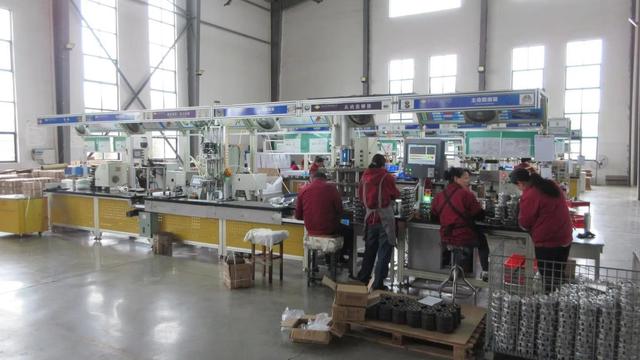
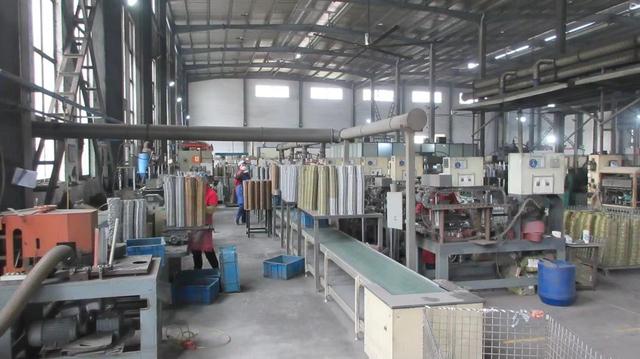
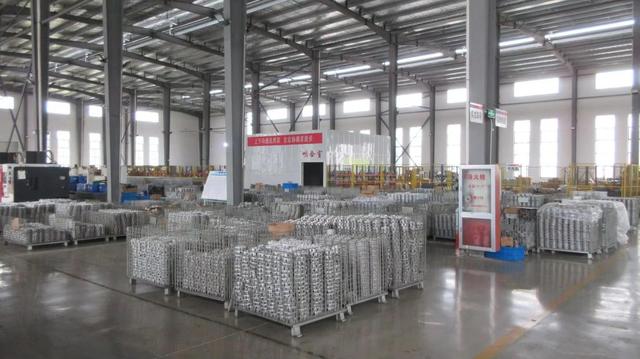
China currently processes over 70% of the world's lithium-ion batteries, a feat made possible by unparalleled manufacturing scale and technological integration. Shenzhen-based manufacturers like DCI Autos leverage a dense ecosystem of raw material suppliers and R&D talent to deliver Information Gain through superior process transparency.
Chinese factories utilize AI-driven robotic dismantling lines that can identify battery chemistry via spectral analysis, reducing human error and increasing the speed of the "Black Mass" production by 40% compared to traditional methods.
Proximity to lithium refineries and cathode manufacturers means recycled materials can be re-entered into the production loop within 48 hours, drastically lowering the carbon footprint of transport.
Through decades of high-volume manufacturing experience, Chinese suppliers offer Battery Recycling Solutions that balance rigorous environmental compliance with capital expenditures that are 25-30% lower than Western counterparts.
Modern battery recycling is no longer a "one-size-fits-all" process. Trusted manufacturers now provide customized solutions tailored to specific industrial needs:
Commercial transport hubs use onsite recycling assessment modules to determine if a battery pack should be refurbished for a second-life in stationary energy storage or sent for material recovery.
Focus: Maximize Residual Value.
Large-scale solar and wind farms utilize recycled battery components to build modular storage systems, lowering the total cost of ownership for renewable infrastructure.
Focus: Sustainable Scaling.
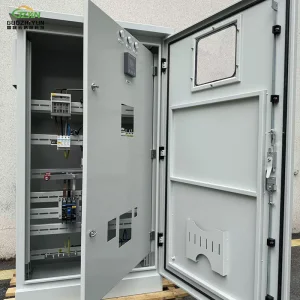
E-bike and scooter sharing companies require localized "Swap & Recycle" stations. DCI Autos provides the integrated charging and distribution panels (like our 400A 3 Phase units) to support these distributed networks.
Focus: Distributed Logistics.
The industry is moving toward "Battery Passports"—digital twins that track the entire lifecycle of a battery. This is where Semantic Search and User Intent Mining intersect: procurement officers are looking for "Traceable Supply Chains" and "Low-Carbon Extraction."
When selecting a Battery Recycling Solutions Manufacturer or Supplier, global procurement teams prioritize the following E-E-A-T markers:
ISO 9001, ISO 14001, and UL certifications for electrical components. Compliance with the UN38.3 standard for battery transport safety is non-negotiable.
Suppliers must demonstrate recovery rates of 95% or higher for key materials like Lithium, Nickel, and Cobalt to ensure economic viability.
The ability to handle LFP (Lithium Iron Phosphate) recycling, which is traditionally less profitable but increasingly common in the market.
Today, Shenzhen DCI Autos Co., Ltd. serves customers across North America, Europe, Southeast Asia, the Middle East, South America, and other international markets. Through continuous innovation, precision manufacturing, and customer-focused collaboration, the company remains committed to supporting the global transition toward sustainable transportation and next-generation electric mobility technologies.
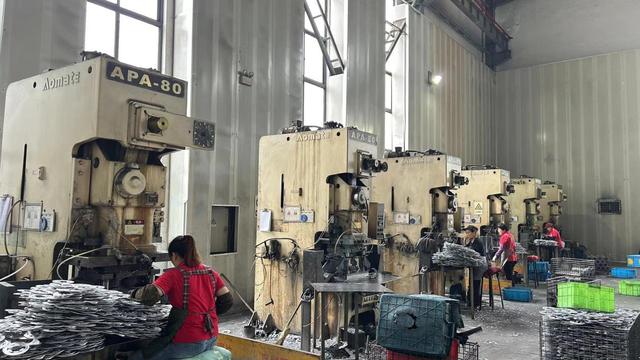
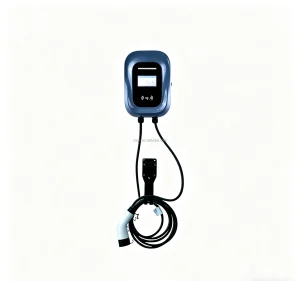
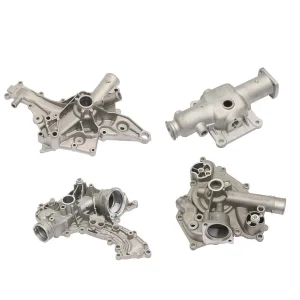
Customized OEM Die Cast Aluminum Machinery Components for Industrial Equipment
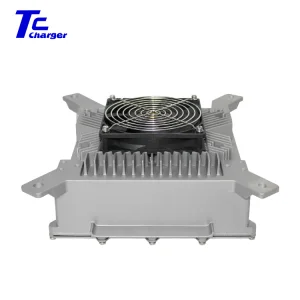
Tc HK-Lf-312-20 EV on Board Charger with Air Cooling 6.6 Kw Charger EV Car Charger
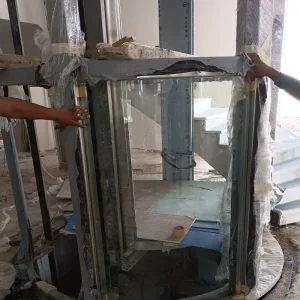
FUJI High Speed Safe & Low Noise Residential Passenger Elevator
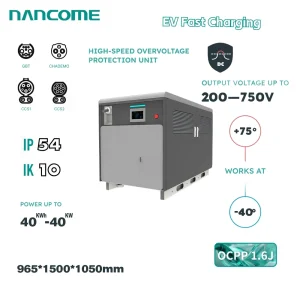
Nancome Modular Energy Storage System for EV Charging Support with Lithium Battery
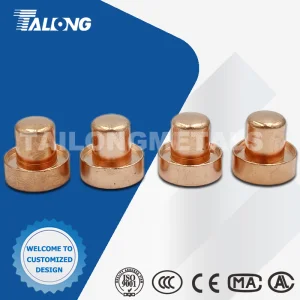
Customized Cold Forging Components for Electric Vehicle Charging Systems
 DCI Autos