Explore our leading technology systems designed to bridge municipal grids with next-generation electric mobility demands.
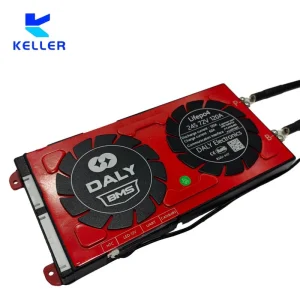
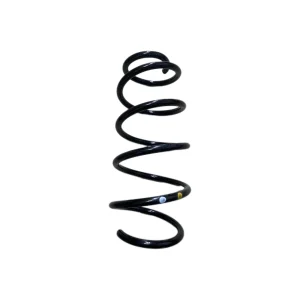
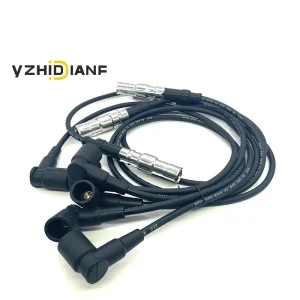
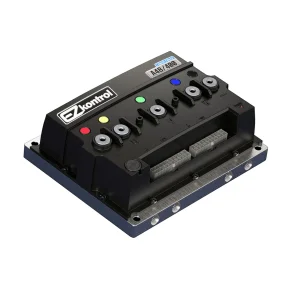
As global power grids face unprecedented load profiles due to the rapid transition toward electric transportation, municipal energy networks must evolve. Shenzhen DCI Autos Co., Ltd. stands at the forefront of this industrial transformation. Established in 2014 in Shenzhen—the global capital of intelligent electrical manufacturing and EV innovation—we address the critical engineering challenges of modern power grids. Operating from our state-of-the-art 28,000 square meter facility, our 300+ engineering and manufacturing specialists focus on delivering resilient electrical interfaces, advanced control units, and distributed energy resources (DERs).
Integrating renewable energy generation with variable EV power demands requires advanced hardware and software orchestration. Modern smart grid solutions require high-voltage ignition systems, high-efficiency motor controllers, custom structural enclosures, and intelligent Battery Management Systems (BMS). By engineering these technologies under automotive-grade quality standards, we ensure that global energy systems can operate reliably, regardless of peak power fluctuations or extreme environmental demands.
Conventional charging infrastructure operates in a unidirectional format, acting as a raw load on local distribution grids. True smart grid solutions demand bidirectional power architectures. By leveraging liquid-cooled hybrid energy storage systems alongside high-current vehicle control units (VCU), operators can transform fleet charging stations into virtual power plants (VPPs). These systems support the grid with frequency regulation and active load shifting, mitigating grid congestion and minimizing capital expenditure for transmission line upgrades.
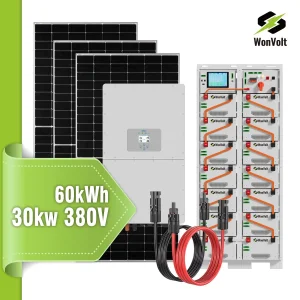
Industrial, municipal, and commercial developers require highly reliable grid interfaces. Microgrids, particularly those utilizing co-located solar generation and battery storage, present the most viable path toward grid independence. To meet this demand, we manufacture and export complete hybrid solar storage systems designed to operate at the intersection of energy production and consumption.
Utilizing high-protection LiFePO4 batteries coupled with intelligent management systems, our units store low-cost off-peak energy and discharge it during peak demand hours, protecting localized grid infrastructure.
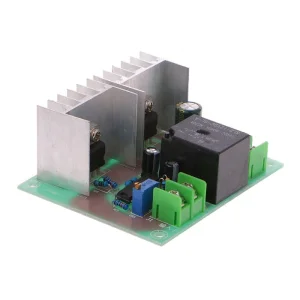
By connecting solar arrays directly to hybrid energy storage units through high-efficiency inverter boards, municipal developers can generate clean power and utilize it locally without destabilizing the utility grid.
Liquid cooling architectures in battery systems ensure consistent operating temperatures. This longevity reduces replacement frequency and lowers lifecycle operating costs for industrial storage providers.
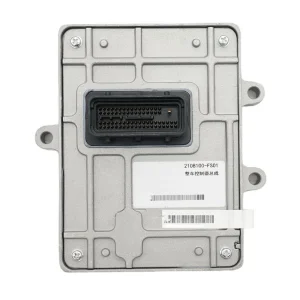
An optimized smart grid interface relies on the synchronization of vehicle systems and stationary storage units. Our engineering department designs and manufactures advanced Vehicle Control Units (VCU) and Battery Management Systems (BMS). The VCU serves as the vehicle's central nervous system, managing safety, energy efficiency, and communication protocols (such as CAN bus and Automotive Ethernet).
Concurrently, our high-voltage BMS platforms monitor cell health, manage active balancing, and protect systems against overvoltage, thermal runaway, and short circuits. This tight control loop ensures that EV battery systems can reliably interface with local chargers and larger grids, without sacrificing safety or performance.
The future of smart energy distribution lies in deeper integration, higher operating voltages, and decentralized intelligence. As an exporter committed to technological leadership, Shenzhen DCI Autos Co., Ltd. has established a technical roadmap focused on addressing key grid-edge challenges:
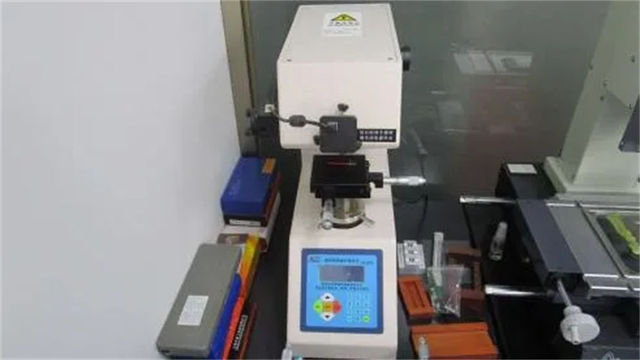
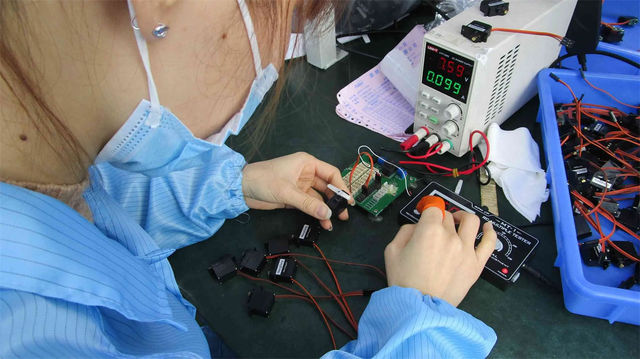
To validate our products under extreme conditions, we operate in-house environmental test chambers, vibration tables, and high-voltage laboratories. Every component—from 5-axis CNC machined bearing housings to fully integrated vehicle controllers—undergoes electromagnetic compatibility (EMC) testing, high-temperature testing, and mechanical stress evaluations. This process guarantees compliance with strict global standards before shipment.
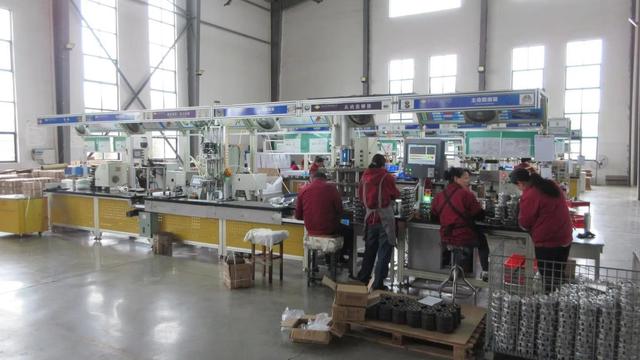
Achieving the high reliability demanded by global utilities and Tier-1 automotive brands requires a manufacturing infrastructure that minimizes human error. Shenzhen DCI Autos Co., Ltd. has implemented a Factory 4.0 strategy within our 28,000 sqm production facility, ensuring that every product complies with strict tolerances and strict quality metrics.
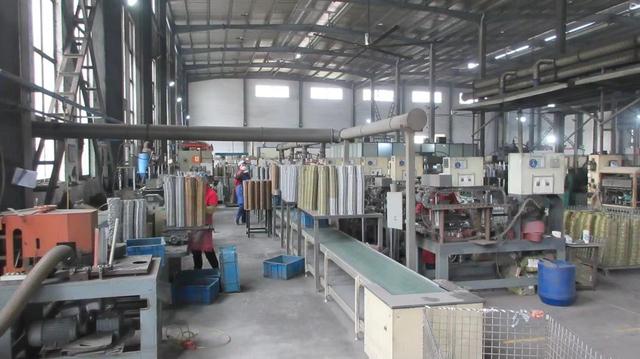
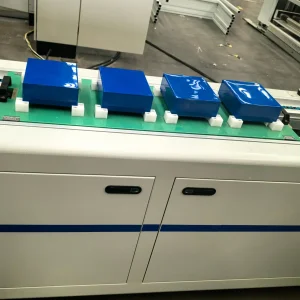
Our facility utilizes automated assembly lines, high-precision robotic laser welding systems for battery modules, and 5-axis CNC machining centers. Laser welding is crucial for high-voltage battery packs, as it creates low-resistance joints that minimize thermal dissipation under high current loads.
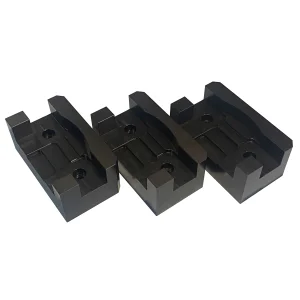
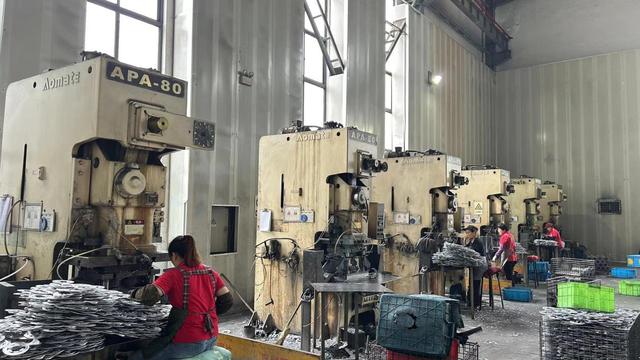
Similarly, our 5-axis CNC equipment allows us to machine powertrain structural components and bearing assemblies from stainless steel and high-grade aluminum. This equipment maintains tolerances within micrometers, preventing mechanical fatigue and extending the service life of rotating machinery.
Additionally, Shenzhen’s dense supply chain cluster provides unmatched access to raw materials and electronic components. This proximity allows us to source high-grade aluminum extrusions, automotive-grade microcontrollers, and specialized semiconductors with short lead times. By managing both the raw component sourcing and assembly in-house, we protect our clients from global supply chain shocks.
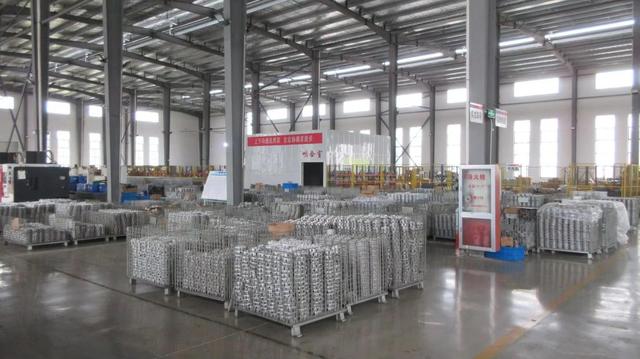
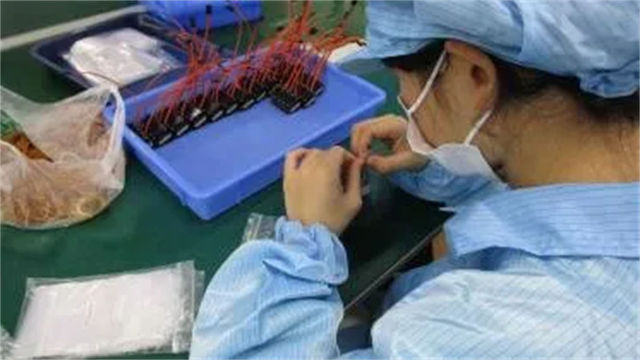
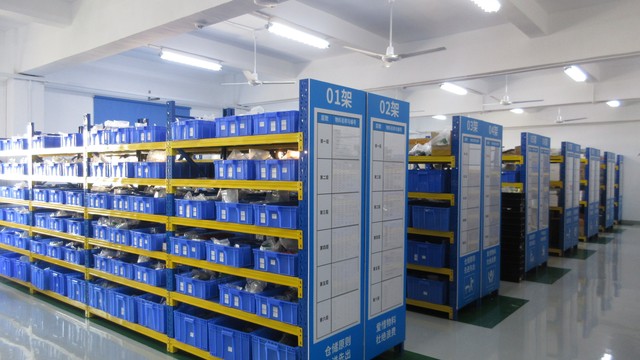
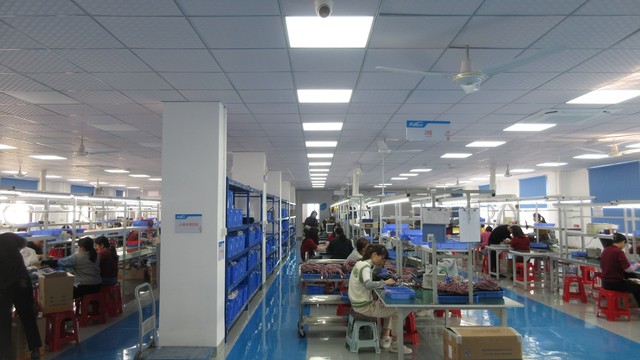
A glimpse inside our 28,000 square meter Shenzhen plant, highlighting our automated production lines, testing laboratories, and precision machining departments.
International grid projects, commercial fleet operators, and vehicle manufacturers face complex engineering demands when sourcing power components. To address these requirements, DCI Autos offers structured OEM and ODM frameworks that integrate with existing engineering processes.
We customize physical parameters, communication profiles, and mechanical properties to ensure compatibility with client infrastructure, whether retrofitting existing systems or designing new installations.
We enforce material tracking throughout our supply chain. Every batch of aluminum extrusions, microcontrollers, and electronic components is logged to maintain clear traceability records.
Our 28,000 square meter factory floor features adaptable production lines. This flexibility allows us to quickly scale from small-batch validation builds to high-volume production runs.
By offering end-to-end integration support, DCI Autos helps partners reduce development timelines and minimize project risk. Our engineering team assists from the initial design phase through final validation, ensuring that every product meets the specified electrical, mechanical, and safety requirements.
Deploying smart grid solutions requires compliance with varied regional standards and regulatory frameworks. At DCI Autos, we construct our systems to satisfy international standards, facilitating integration into global municipal projects:
This combination of international quality compliance and regional support helps our partners deploy smart grid technologies efficiently and securely.
Detailed answers to frequent technical inquiries regarding our engineering processes, quality standards, and integration methodologies.
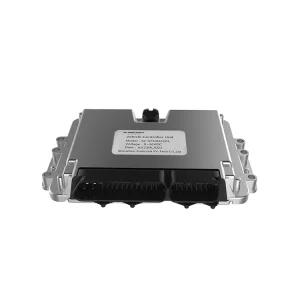
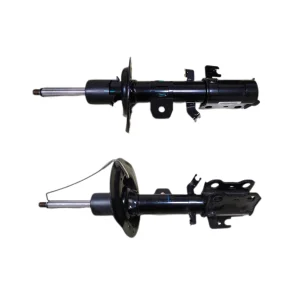
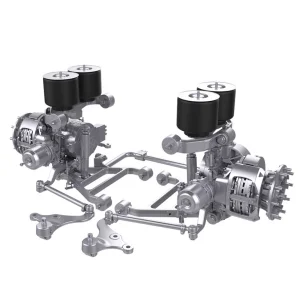
Explore our specialized components supporting vehicle converters, high-precision structural assemblies, and industrial inverter boards.
 DCI Autos